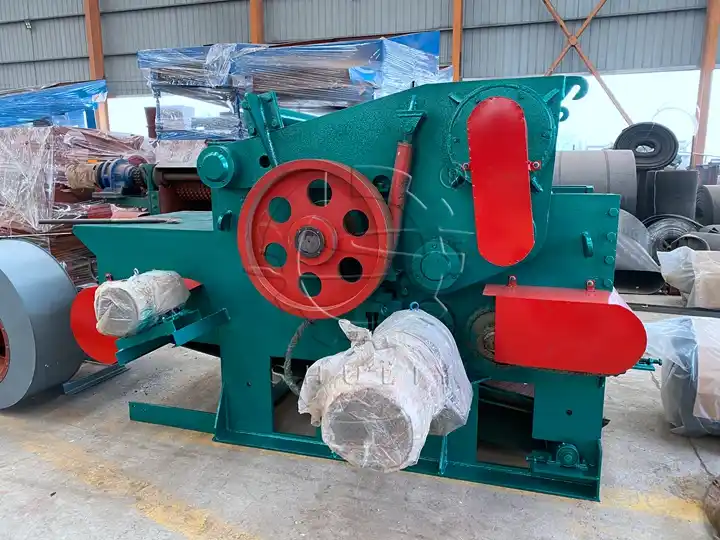
How to Choose the Right Wood Chips Making Machine for Your Business?
Not every wood chips making machine fits every business. A small sawmill owner needs different equipment from a biomass fuel plant manager. Buying the wrong machine wastes capital, increases downtime, and limits your output.
The right choice depends on four factors: production volume, raw material type, chip size requirements, and power availability. This guide breaks down each factor with practical data. It also explains when a drum wood chipper makes more sense than a disc chipper.
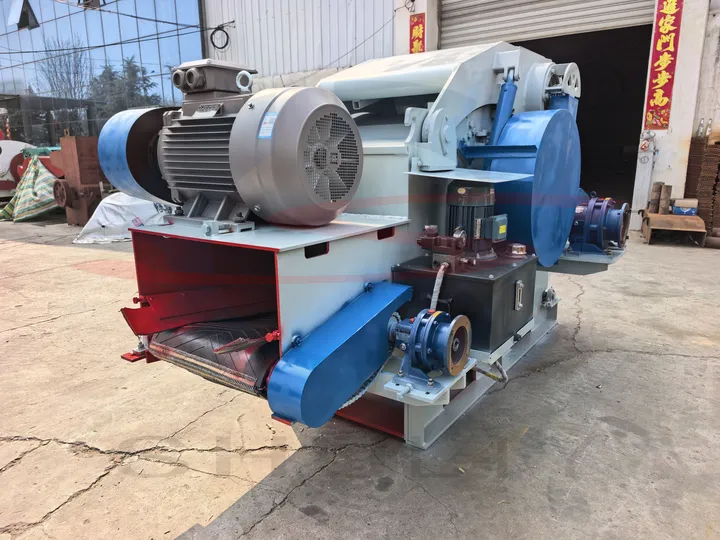
What Is a Wood Chips Making Machine and How Does It Work?
أ ماكينة تصنيع رقائق الخشب is a mechanical device that cuts logs, branches, or wood waste into uniform chips. These chips serve multiple industries: biomass fuel production, animal bedding, pulp and paper manufacturing, particle board production, and charcoal processing.
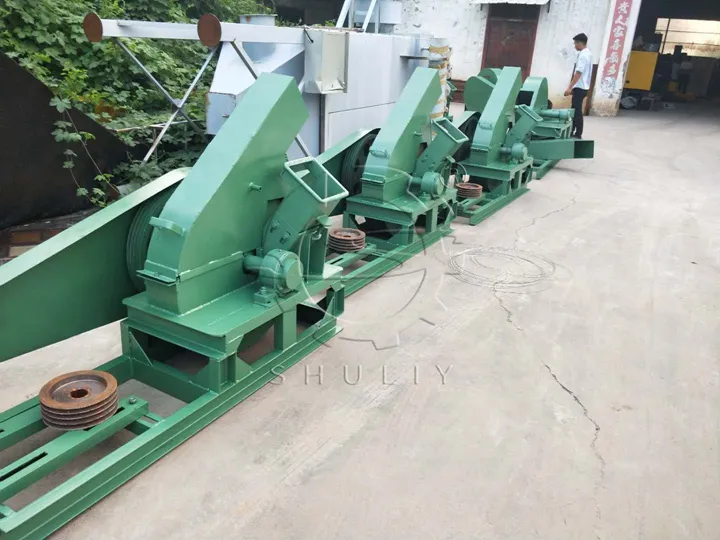
The two most common types are drum chippers and disc chippers. Both produce chips, but they use different cutting mechanisms. Drum chippers work best for large volumes and mixed raw materials. Disc chippers suit smaller operations that need precise, fine chips.

How to Choose the Right Wood Chips Making Machine?
Capacity and Production Volume
Start with your daily or weekly output target. Do you process 2 tons per day or 50 tons per day? The answer determines the motor size, feeding system, and overall machine dimensions.
For example, the Shuliy SL-216 drum wood chipper processes 10–15 tons per hour. This output suits pellet plants, biomass power stations, and large charcoal production lines. A smaller disc chipper may handle only 500 kg to 2 tons per hour. That fits small furniture factories or farms.
Match the machine capacity to your peak demand. Running a 15-ton-per-hour chipper at 1 ton per hour wastes electricity and accelerates wear.
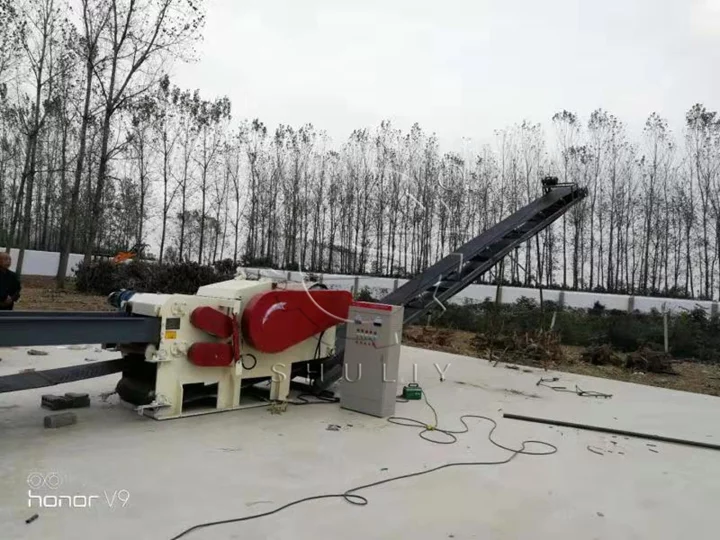
Raw Material Type and Size
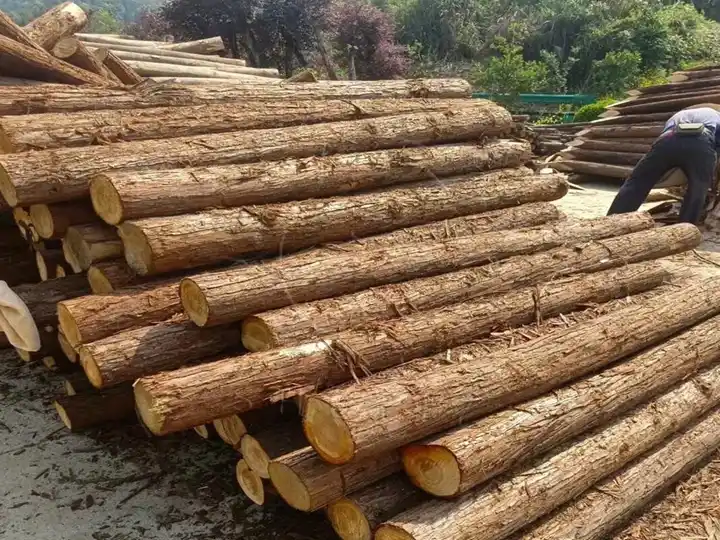
Different materials require different cutting force. Softwoods like pine and poplar chip easily. Hardwoods like oak and eucalyptus demand stronger blades and higher torque.
Check the maximum wood diameter the machine accepts. The SL-216 drum chipper accepts logs up to 230 mm in diameter through a 230 × 500 mm feed port. This size handles standard logs, thick branches, slab wood, and waste lumber without pre-cutting.
If your raw material is mostly small branches, wood pallets, or board waste, a smaller machine is more economical.
Blade Design and Chip Size
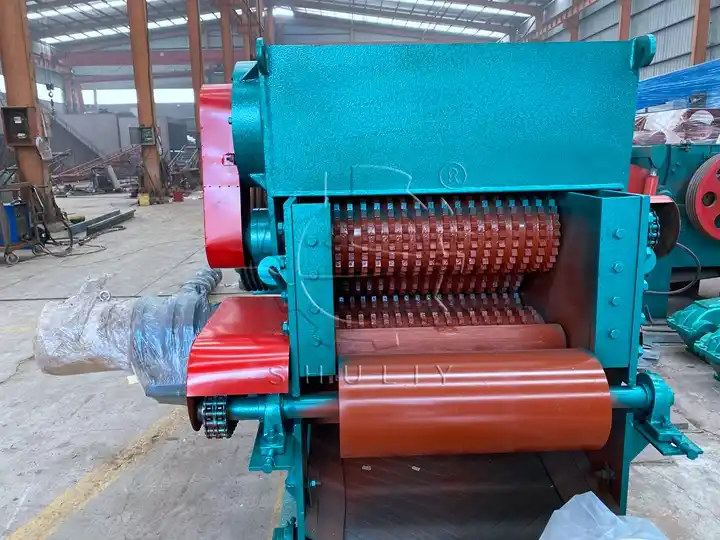
Blade quantity and configuration determine chip uniformity. The SL-216 uses 2 alloy steel blades mounted on a rotating drum. These blades work with fixed counter blades to produce 25 mm chips consistently.
Uniform chip size matters. Pellet mills need consistent feedstock for stable combustion. Pulp mills want chips within a narrow size range for chemical processing. Biomass boilers perform better with evenly sized fuel.
Ask suppliers about blade replacement cost and availability. Dull blades reduce output and increase power consumption.


Power Source and Energy Efficiency
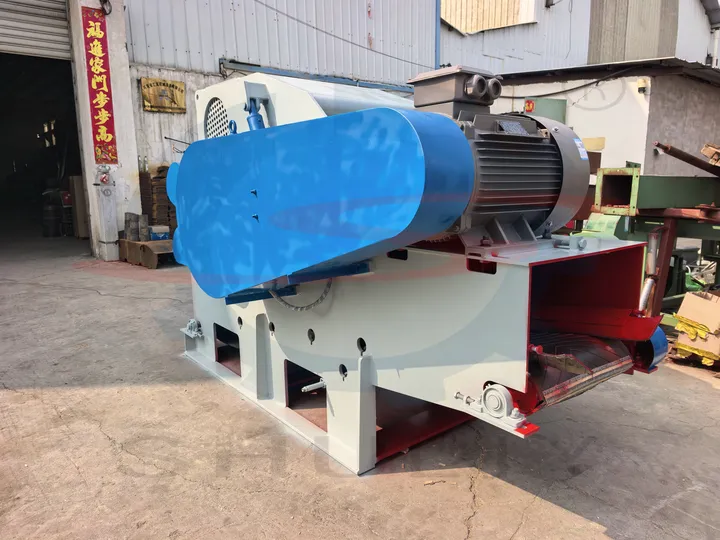
Most industrial wood chipper machines run on three-phase electricity. The SL-216 uses a 55 kW main motor, plus a 3 kW conveyor motor and a 1.5 kW hydraulic pump motor. Total installed power is approximately 59.5 kW.
If your facility lacks stable grid power, ask about diesel-engine options. Diesel-powered drum chippers are common in remote forestry sites and mobile chipping operations.
Compare power consumption per ton of output. A 55 kW motor producing 12 tons per hour consumes about 4.6 kW per ton. Smaller machines may consume 8–12 kW per ton if pushed beyond their efficient range.
Machine Durability and Maintenance
أ آلة تقطيع الخشب operates in harsh conditions. Dust, vibration, and impact loads wear components quickly. Look for thick steel frames, hardened blades, and sealed bearings.
The SL-216 weighs 4,070 kg and measures 1,800 × 1,900 × 1,210 mm. The heavy frame absorbs vibration and resists deformation. The vertical design also saves floor space compared to horizontal machines.
Maintenance access matters. Check whether the blade cover, screen, and conveyor belts are easy to reach. Quick-access panels reduce cleaning and blade-change downtime.
Drum Wood Chipper vs. Disc Chipper: Which One Fits Your Business?
| Factor | طبل منشرة الخشب | مطحنة القرص |
|---|---|---|
| سعة | 5–30 tons/hour | 0.5–5 tons/hour |
| Max wood diameter | 150–300 mm | 50–150 mm |
| Best material | Logs, branches, bamboo, mixed waste | Small wood pieces, boards, pallets |
| Chip precision | Good for fuel and pulp | Higher precision for specialized use |
| Power requirement | Higher (30–90 kW) | Lower (5–30 kW) |
| Footprint | Larger, fixed installation | Compact, sometimes portable |
| التكلفة | Higher initial investment | استثمار مبدئي منخفض |
Choose a drum chipper if you process large logs continuously. Choose a disc chipper if you handle smaller pieces and want lower upfront cost.
Best Wood Chips Making Machine for Medium to Large Businesses
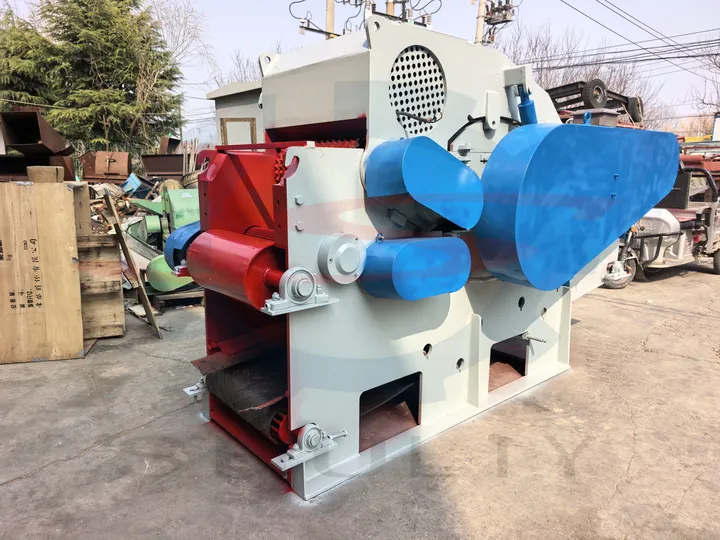
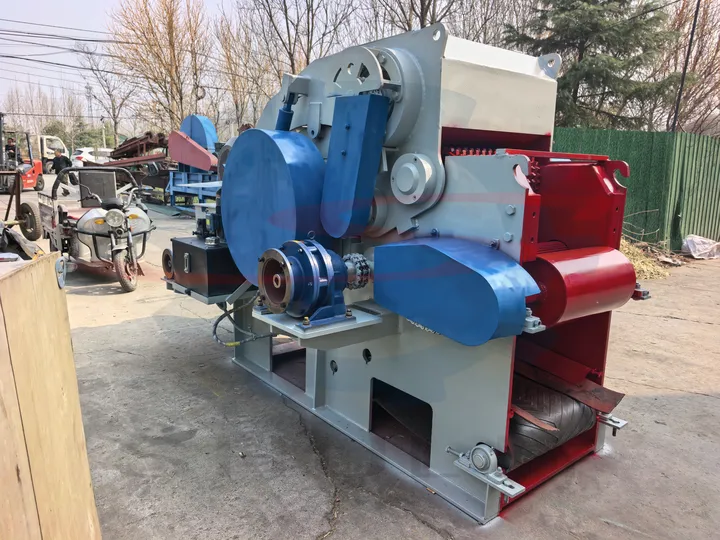
For businesses processing hardwood, mixed wood waste, or running a continuous production line, the Shuliy SL-216 drum wood chipper is a strong candidate. Its specifications match the needs of charcoal plants, pellet factories, and biomass processors.
SL-216 Drum Wood Chipper Specifications
| معامل | Value |
|---|---|
| نموذج | إس إل-216 |
| Feed port size | 230 × 500 mm |
| Max wood diameter | 230 mm |
| Blade quantity | 2 |
| Rotary speed | 590 rpm |
| Chip size | 25 مم |
| سعة | 10–15 tons/hour |
| Main motor power | 55 كيلو واط |
| Feeder motor power | 3–4 kW |
| Pump motor power | 1.5 كيلو واط |
| Conveyor motor power | 3 كيلو واط |
| وزن | 4,070 kg |
| الأبعاد | 1,800 × 1,900 × 1,210 mm |
هذا آلة تقطيع الأخشاب handles eucalyptus, pine, poplar, rubber wood, and general wood residues. The 25 mm chip size is suitable for drying, crushing, and feeding into briquette or pellet production lines.
Wood Chips Making Machine Buying Checklist: What Should You Check Before Buying?
- Define your daily output target in tons or cubic meters.
- List your raw materials: log diameter, wood species, moisture level.
- Specify your required chip size for downstream use.
- Check your power supply: voltage, phase, and available capacity.
- Measure your available floor space and ceiling height.
- Ask about spare parts availability and blade replacement cost.
- Request video of the machine processing your material type.
- Confirm warranty, installation support, and operator training terms.
How to Choose the Right Wood Chips Making Machine for Your Production Needs?
Choosing the right ماكينة تصنيع رقائق الخشب starts with your production numbers and material type. Drum chippers excel in high-volume, continuous operations with mixed raw materials. Disc chippers suit smaller workshops with lighter, more uniform feedstock.
The Shuliy SL-216 drum wood chipper offers a practical solution for medium to large businesses. With 10–15 tons per hour capacity, 55 kW power, and 230 mm log handling, it handles the materials and output levels common in biomass, charcoal, and wood processing industries.
Contact our team for a detailed quotation, material testing video, or customized configuration. We will help you match the right آلة تقطيع الخشب to your business goals.