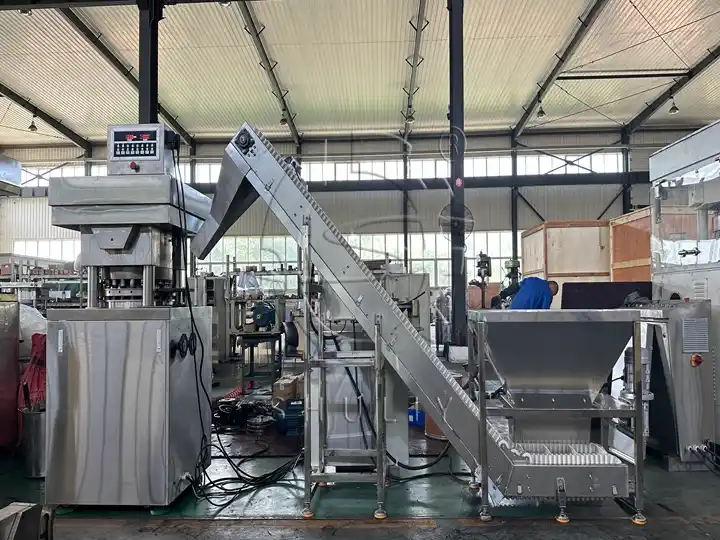
Best Raw Materials to Use in a Charcoal Machine for Shisha
The performance of a charcoal machine for shisha depends heavily on what goes into it. Raw materials affect burn time, ash content, odor, hardness, and market price. Even the most advanced hookah charcoal-making machine cannot produce premium briquettes from poorly prepared feedstock.
This guide explains the best raw materials for shisha charcoal production and how each one performs in Shuliy’s hydraulic, rotary, and cube presses.
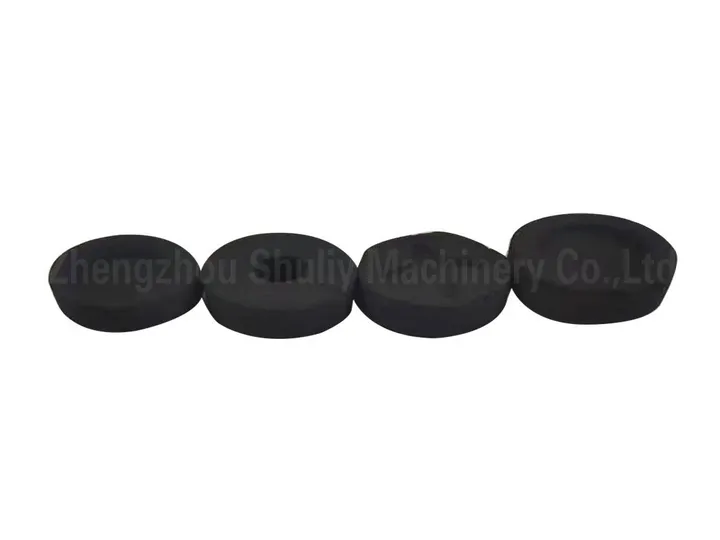
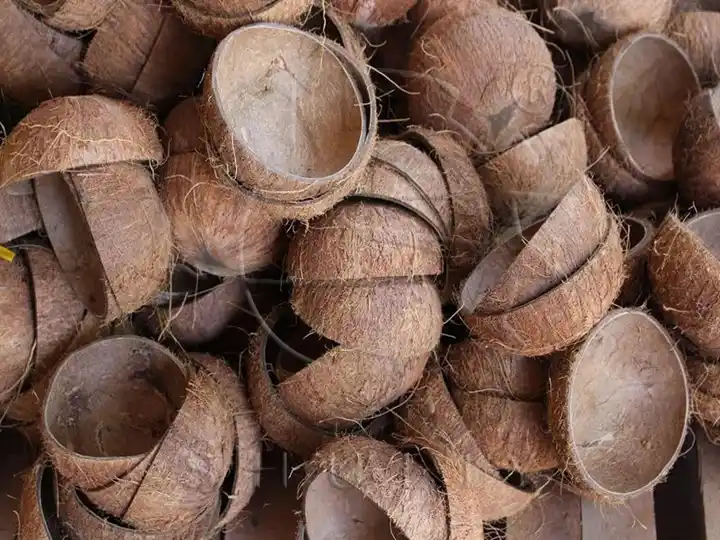
The Best Raw Material: Coconut Shell Charcoal
Coconut shell charcoal is the top choice for premium hookah charcoal. It is clean-burning, low in ash, and widely accepted by shisha users worldwide.
| Property | Carbón de cáscara de coco |
|---|---|
| Burn time | 60–90 minutes |
| Ash content | ≤3% |
| Heat output | Stable and even |
| Odor | Minimal or odorless |
| Additives | None needed for natural-grade products |
| Best shapes | Round tablets, cubes, fingers |
After carbonization, coconut shells produce a hard, fine powder that presses into dense briquettes. These briquettes resist breakage during handling and transport, which is critical for export markets.
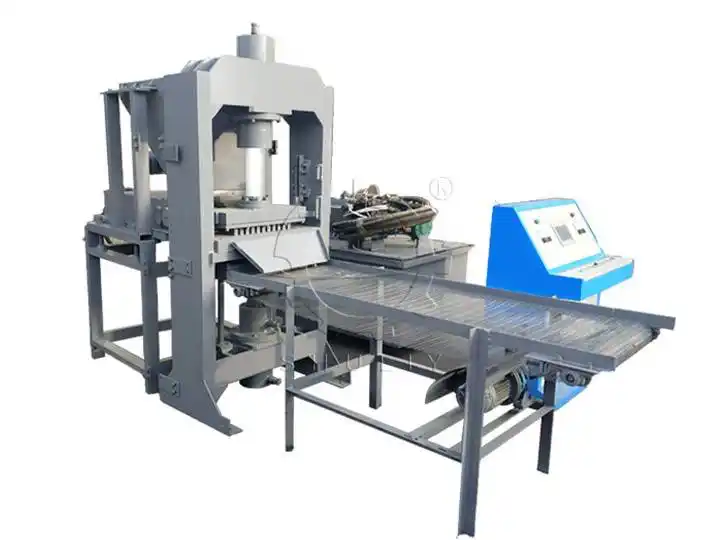
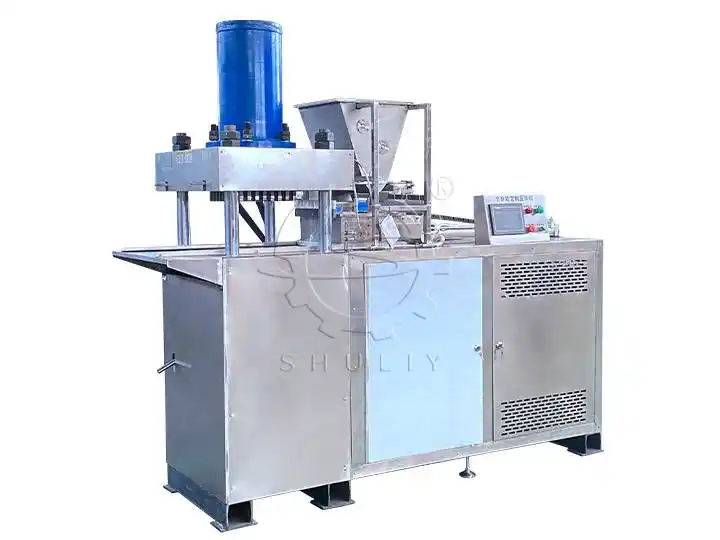
Shuliy’s hydraulic shisha charcoal press, especially models SL-HS-1 and SL-HS-2, handles coconut shell powder efficiently. The 60-ton and 80-ton pressure systems compact the powder into solid blocks with uniform density.
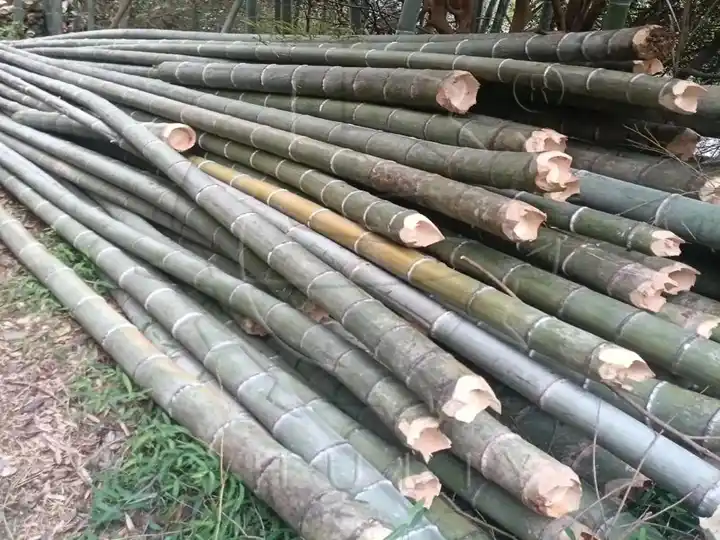
Bamboo Charcoal: A Sustainable Alternative
Bamboo charcoal is popular among producers who want an eco-friendly product line. Bamboo grows quickly and is available in many Asian, African, and South American regions.
Ventajas:
- Renewable feedstock
- Low environmental impact
- Clean burn with moderate ash
Limitations:
- Slightly more brittle than coconut shell charcoal
- Often needs blending with hardwood or coconut powder for better density
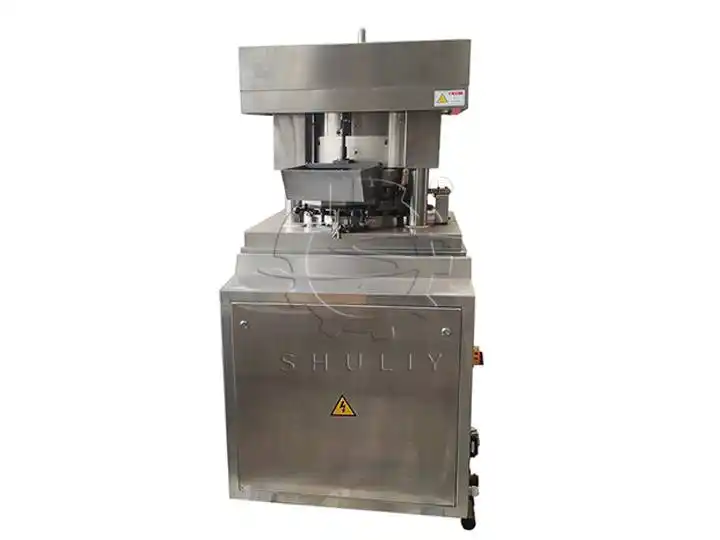
Bamboo-based briquettes work well in rotary tablet presses and hydraulic cube presses when mixed correctly.
Hardwood Charcoal: A Regional Standard
Hardwoods such as oak, beech, maple, and eucalyptus are common feedstocks in Europe, North America, and parts of South America.
Ventajas:
- Strong, dense briquettes
- Consistent combustion
- Often lower cost in forest-rich regions
Limitations:
- Higher ash content than coconut shell
- Stronger odor if not fully carbonized
- Density varies by wood species
Hardwood charcoal is a practical choice for budget hookah charcoal or mixed-blend products. It performs well in high-pressure hydraulic presses like the SL-HS-2, where the 80-ton pressure helps compensate for lower natural density.
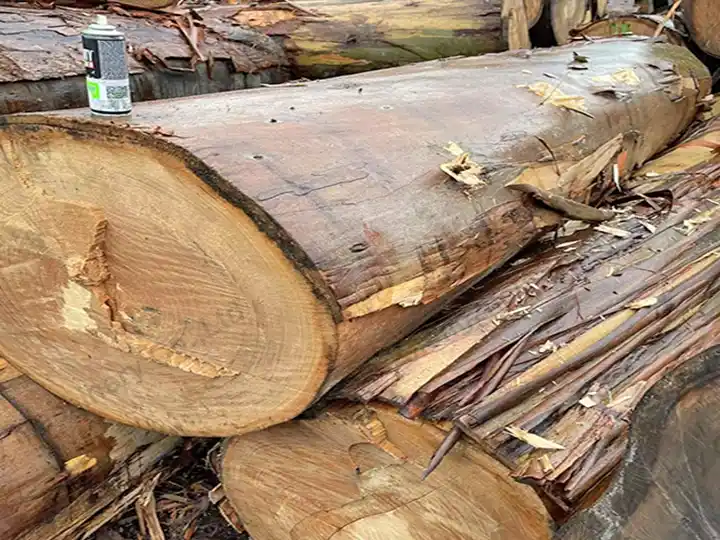
Fruitwood Charcoal: Niche Appeal
Fruitwoods such as apple, cherry, and olive can add subtle aroma to charcoal products. However, strong scents may conflict with flavored shisha tobacco, so fruitwood is usually blended in small ratios rather than used alone.
Best uses:
- Premium natural charcoal branding
- Gift or specialty product lines
- Mixed blends at 10–20% ratio
Before mass production, test fruitwood blends carefully in your shisha charcoal press to check burn behavior and odor impact.
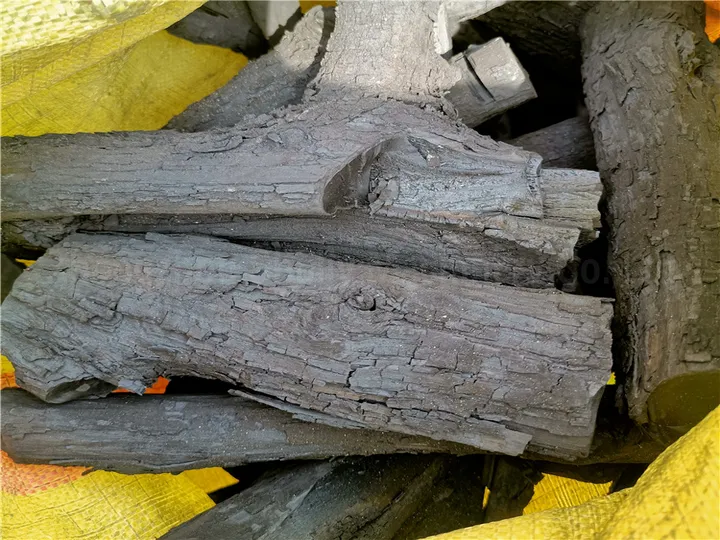
How to Prepare Raw Material for Pressing?
No matter which feedstock you choose, raw material must be properly prepared before entering a charcoal machine for shisha.
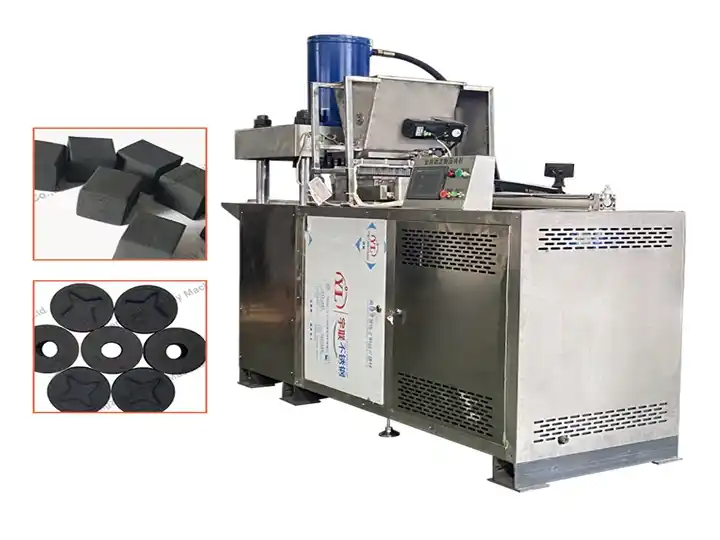
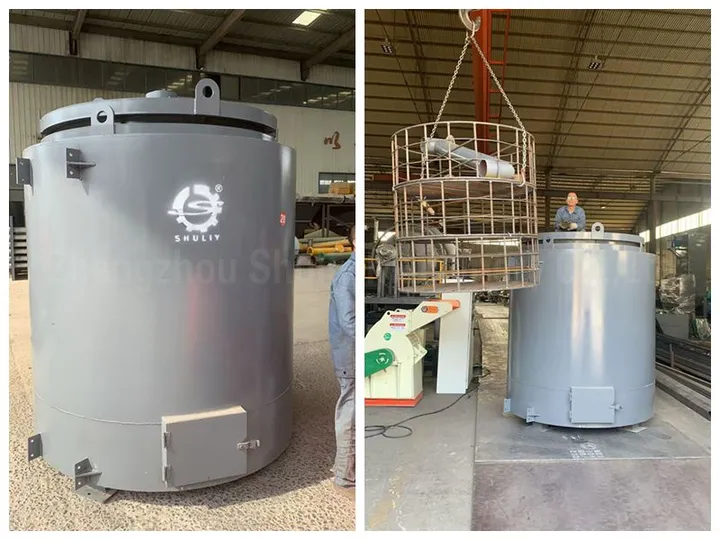
Step 1: Carbonization
Burn the raw biomass in a horno de carbonización or kiln at controlled temperatures. This removes moisture, tar, and volatile compounds. Proper carbonization is the foundation of clean-burning hookah charcoal.
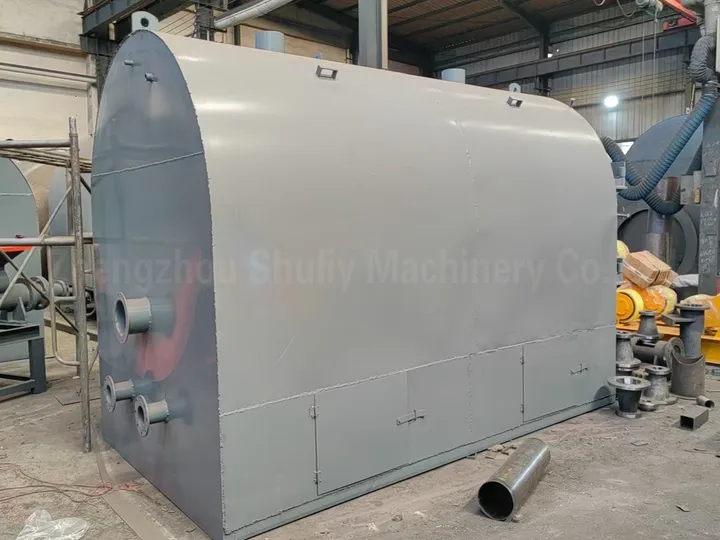
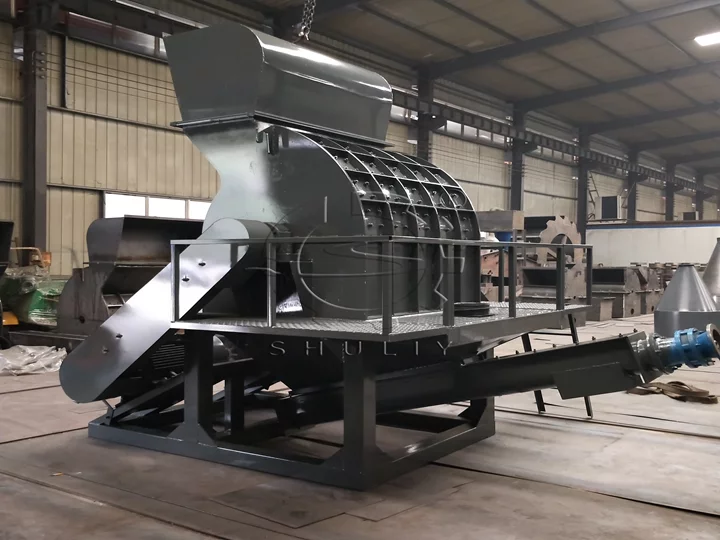
Step 2: Crushing and Grinding
Break the carbonized material into fine powder. Particle size affects briquette density and surface finish. Most shisha presses perform best with powder below 3 mm.
Step 3: Sieving
Remove oversized particles, dust, and impurities. Uniform particle size improves pressing consistency.
Step 4: Mixing with Binder
Add a natural binder and water in the correct ratio. Common binders include:
- Cassava starch
- Corn starch
- Wood tar
Typical binder content ranges from 3% to 8% by weight. Too much binder increases ash. Too little reduces hardness.
Step 5: Feeding the Press
Transfer the mixed material into the feeding hopper of the máquina para fabricar carbón para narguile. Hydraulic models like the SL-HS-1 use automatic feeding systems powered by a 0.75 kW motor.
Matching Raw Material to Machine and Market
| Raw Material | Best Machine Type | Target Market |
|---|---|---|
| Coconut shell charcoal | Hydraulic SL-HS-1 / SL-HS-2, rotary tablet press | Premium lounges, export |
| Bamboo charcoal | Rotary press, cube press | Eco-conscious buyers |
| Hardwood charcoal | Hydraulic SL-HS-2 | Budget retail, cold climates |
| Fruitwood blends | Hydraulic cube press | Niche natural brands |
Binder and Moisture Tips
- Binder ratio: 3–8% by weight depending on material fineness.
- Moisture content: Usually 8–12% before pressing.
- Mixing time: 5–10 minutes for uniform distribution.
- Test each batch: Small changes in binder or moisture can significantly affect hardness and burn time.
Quality Checks After Pressing
Even with good raw material, monitor the finished briquettes for:
- Surface cracks
- Correct weight per piece
- Drop test resistance
- Burn duration in a controlled setting
- Ash color and amount
Adjust binder ratio, pressure, or drying time based on test results.
Final Thoughts
Coconut shell charcoal remains the best raw material for a charcoal machine for shisha when quality is the priority. Bamboo and hardwood offer strong alternatives depending on local availability and pricing. Fruitwood can add niche appeal but should be used in controlled blends.
Raw material preparation is just as important as machine selection. With properly carbonized, ground, and mixed feedstock, Shuliy’s shisha charcoal press line can produce briquettes that meet demanding market standards.
Want help selecting the right material and machine combination? Contact Shuliy today and our team will recommend a hookah charcoal making machine setup tailored to your raw material and production goals.