What Machines Are Included in a Charcoal Production Line?
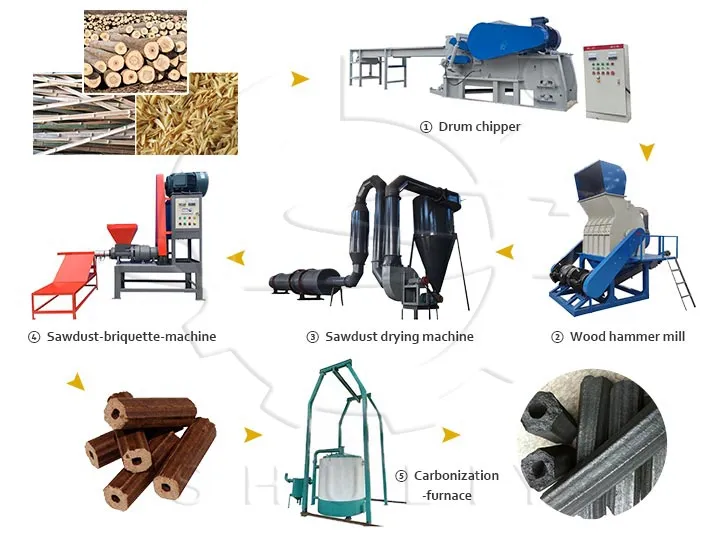
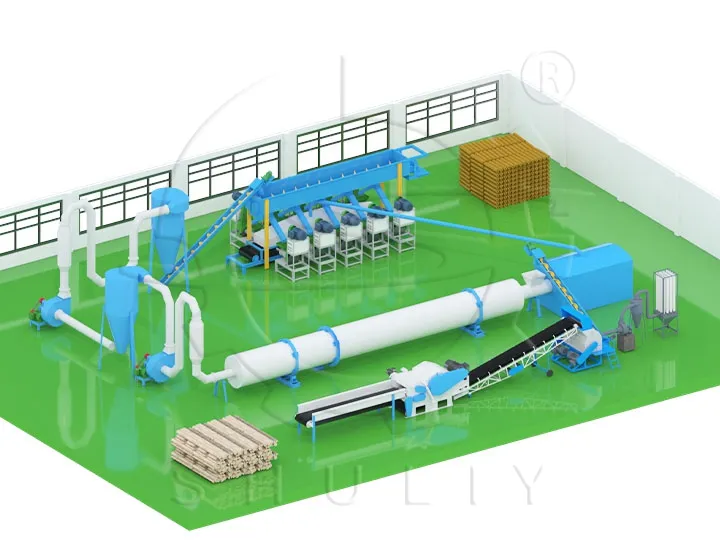
A complete charcoal production line includes nine machines working in sequence: a wood sawdust crusher, two screw conveyors, a rotary drum dryer, a screw feeder, sawdust briquette machines, a smoke collector, a belt conveyor, and vertical carbonization furnaces.
Each machine handles one production stage. Wood waste enters the crusher. Finished charcoal briquettes leave the carbonization furnaces. Conveyors connect every stage automatically. Three to four workers run the entire line.
This guide explains each machine, its function, and its specifications — so you know exactly what you are buying before requesting a quotation.
Charcoal Production Line Equipment List at a Glance
| No. | 機械 | Production Stage | Key Spec |
|---|---|---|---|
| 1 | Wood sawdust machine (SL-800) | Crushing | 1,000 kg/h, 45 kW |
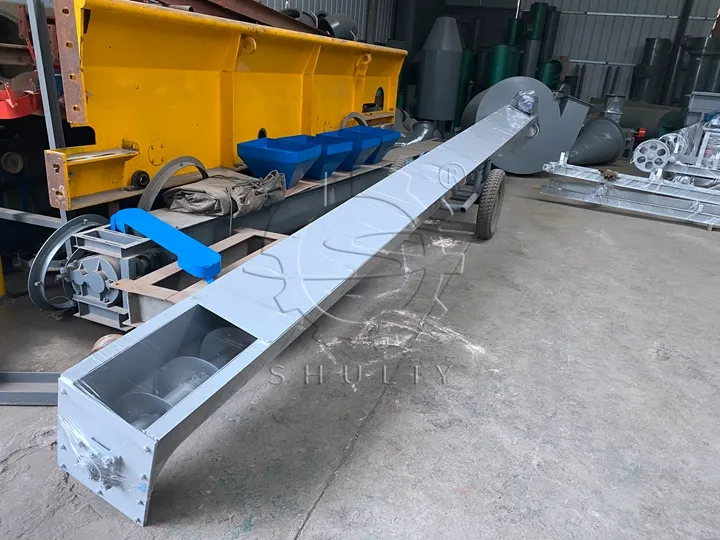
| 2 | Screw conveyor (6m) | Transport | 4 kW, U-type |
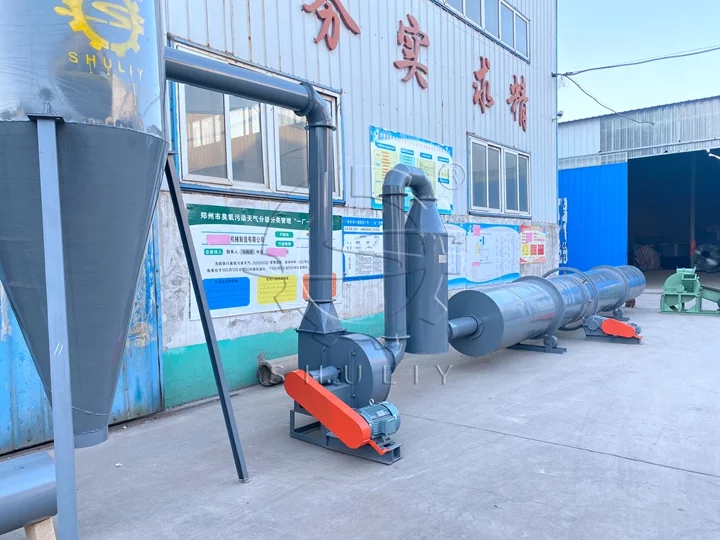
| 3 | Rotary drum dryer (SL-D1000) | Drying | 1,000 kg/h, 3+15 kW |
| 4 | Screw conveyor (4m) | Transport | 4 kW, U-type |
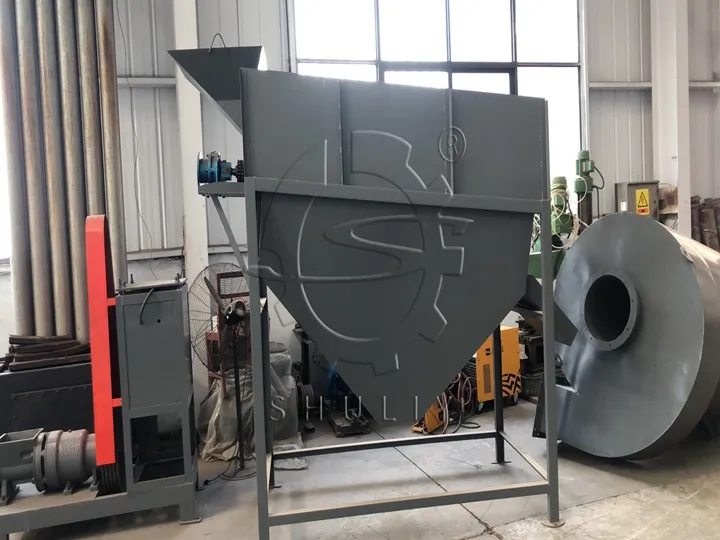
| 5 | Screw feeder (SL-4) | Distribution | 5.5 kW |
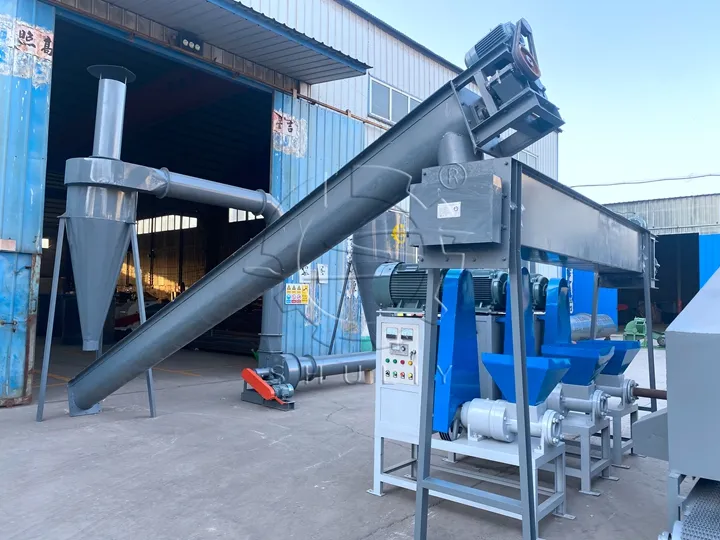
| 6 | おがくず練炭機 (SL-50) ×4 | Briquetting | 250 kg/h each, 18.5 kW |
| 7 | Smoke collector (SL-4) | Air purification | 4 kW |
| 8 | Belt conveyor | Collection | 1.5 kW |
| 9 | Vertical carbonization furnace ×3 | 炭化 | 2.5–3 t/day each, no electricity |
Total power for the briquetting section: 163.5 kW. The carbonization furnaces need no electricity. Total working area: 200–300 m².
Crushing Stage: Wood Sawdust Machine
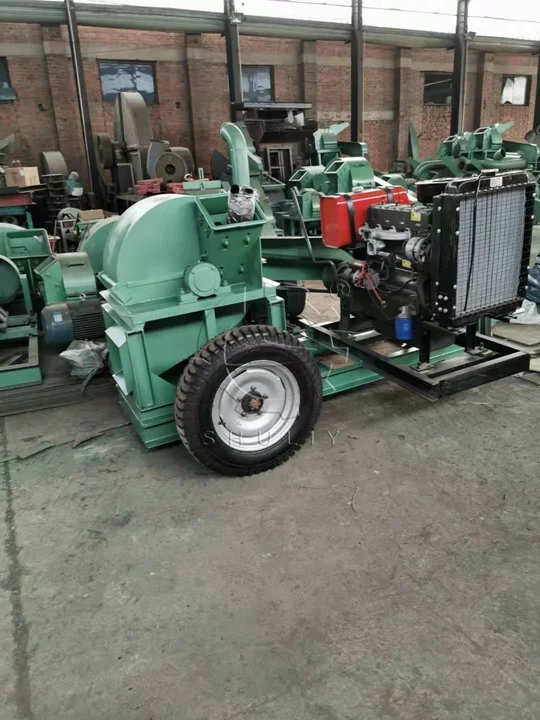
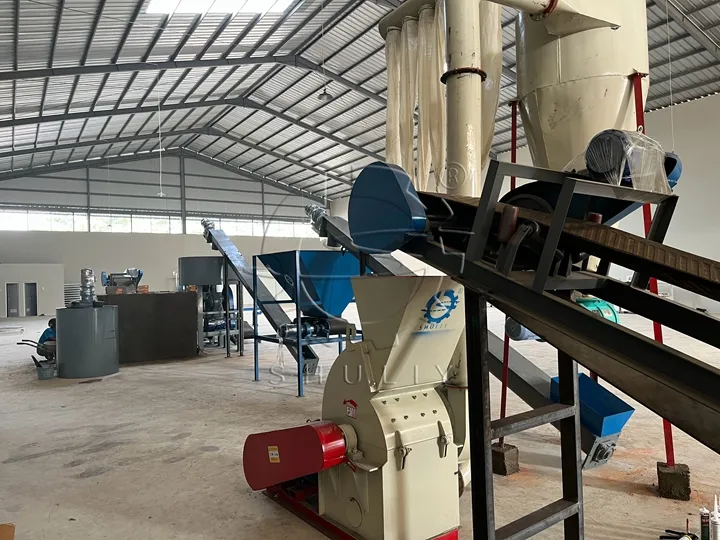
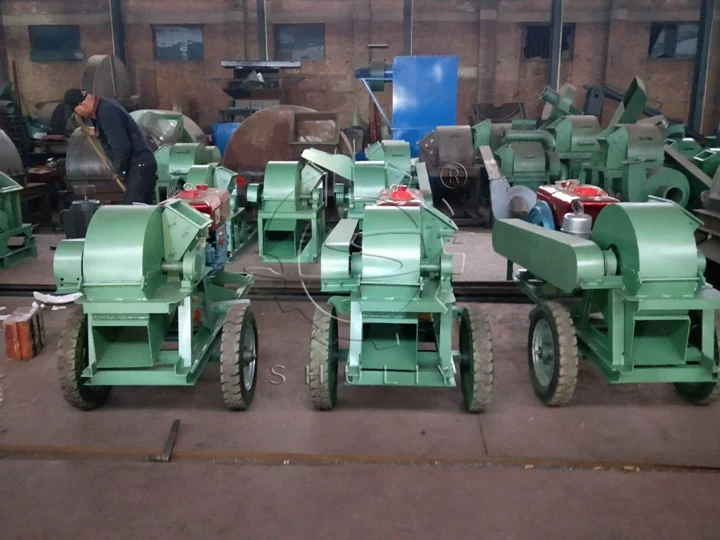
The charcoal making plant starts with the SL-800 wood sawdust machine. It crushes logs, branches, and wood chips into fine sawdust at 1,000 kg per hour.
The 45 kW main motor drives alloy hammers against an internal screen. Screen apertures from 0.6 mm to 12 mm control the final particle size. A 6-bag dust remover with 1,000 mm diameter keeps your workshop clean. An optional large feed inlet accepts tree trunks directly.
Buyers should keep two spare hammers and screens in stock. These are the wear parts. Hard metals and stones must stay out of the feed opening.
Drying Stage: Rotary Drum Dryer
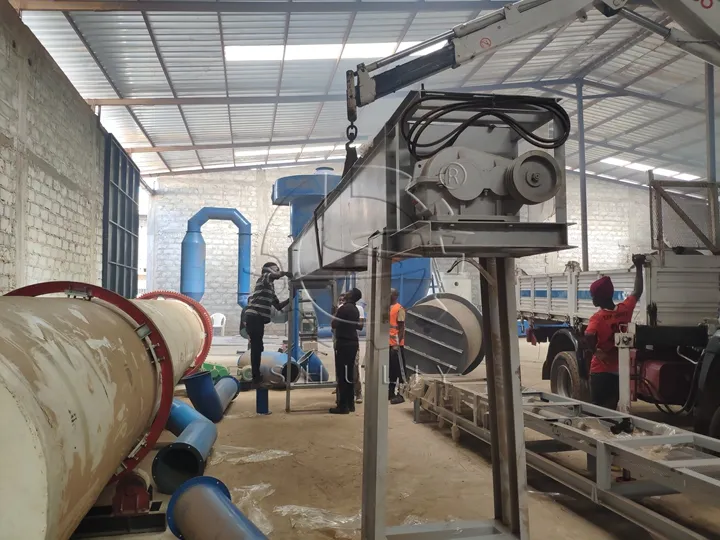
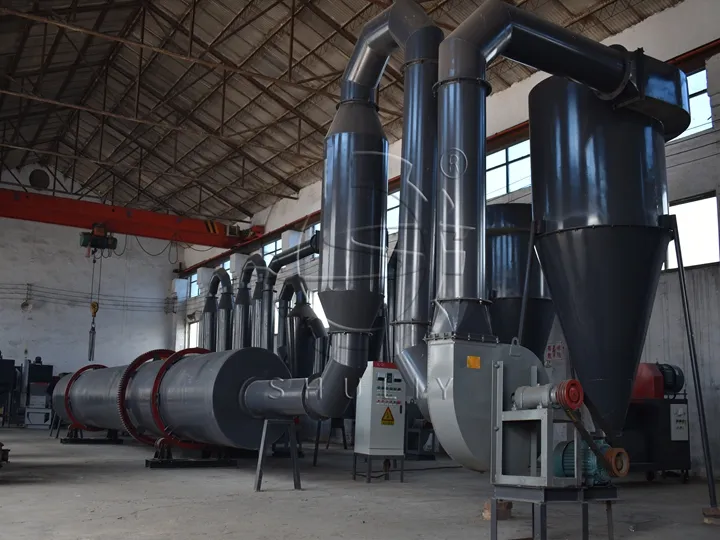
Wet sawdust cannot form strong briquettes. The SL-D1000 rotary drum dryer reduces moisture from 30–40% down to the 8–12% range that briquetting requires.
The 1,000 mm drum rotates on 3 kW main power. A 15 kW fan pulls hot air through the material. The adjustable-speed motor slows the drum when raw material is very wet. The dryer includes a cyclone dust collector and independent control cabinet.
If your raw material is above 40% moisture, pre-dry it in open air first. This protects dryer output and line capacity.
Briquetting Stage: Sawdust Briquette Machines and Feed System
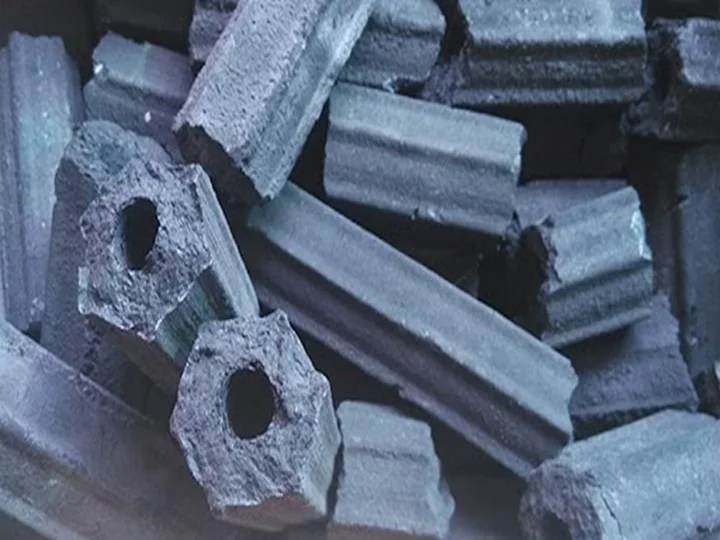
The briquetting stage converts dried sawdust into dense fuel rods. It is the heart of the charcoal briquette production line.
Screw feeder (SL-4). A covered screw feeder distributes dried sawdust evenly to all four briquette machines. Even distribution means every machine runs at full load. No machine starves while another overflows.
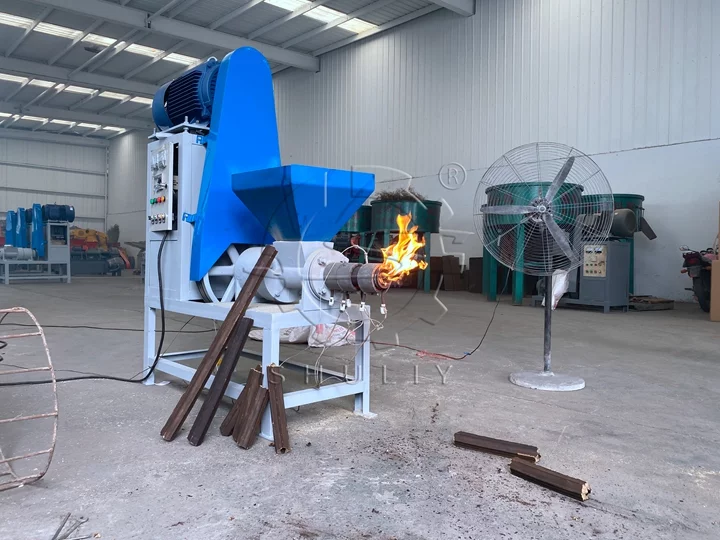
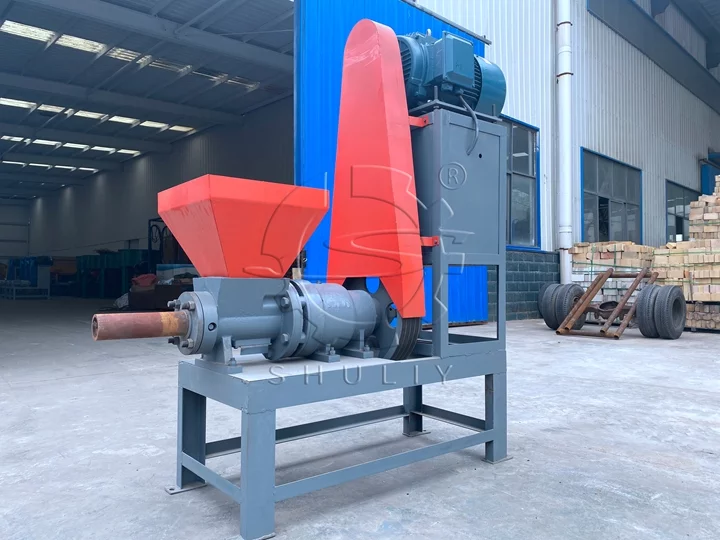
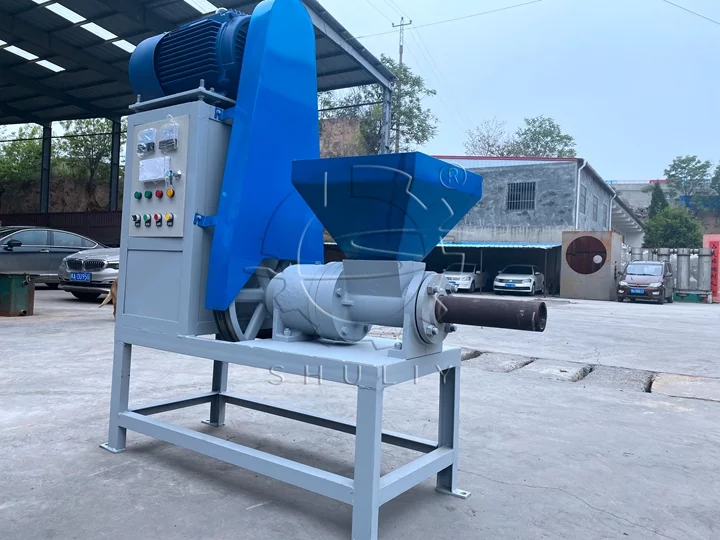
Sawdust briquette machines (SL-50). Each machine produces 200–250 kg of briquettes per hour on an 18.5 kW all-copper motor. High-pressure screw extrusion compresses sawdust without any binder. Key build details include 100 cm bearings for stable feeding, a U-steel frame for long service life, pre-welded screw angles suited to 90% of raw materials, and chromium-manganese alloy molds that resist abrasive wear.
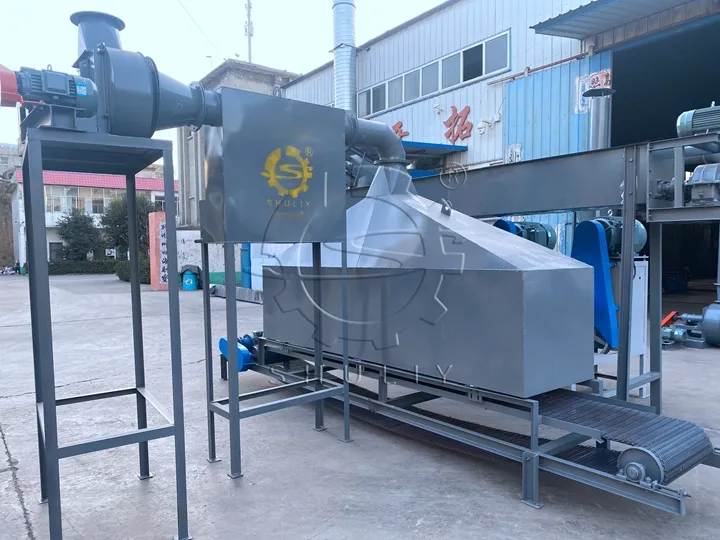
Smoke collector (SL-4). Briquetting generates smoke from friction heat. The SL-4 collector captures it through a fan and purifying equipment. Your workshop stays clean and meets local emission requirements.
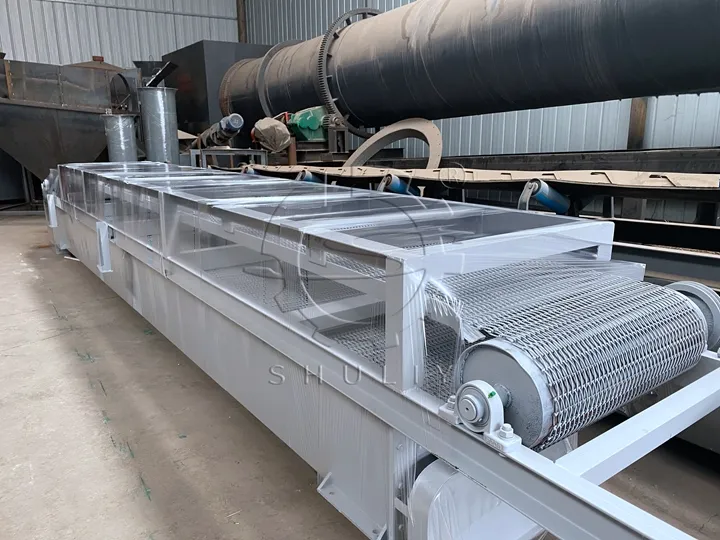
Belt conveyor. Finished briquettes drop onto a 1.5 kW belt conveyor for collection and transport to the carbonization area.
Carbonization Stage: Vertical Carbonization Furnaces
The final stage turns biomass briquettes into charcoal. This is where product value multiplies.
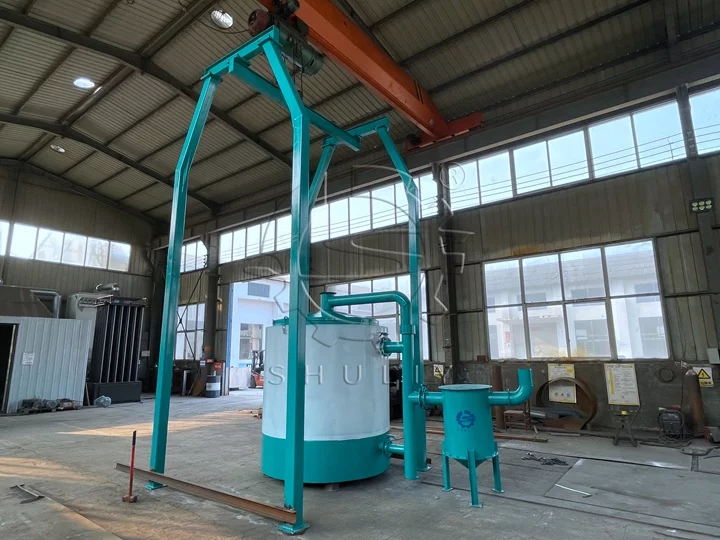
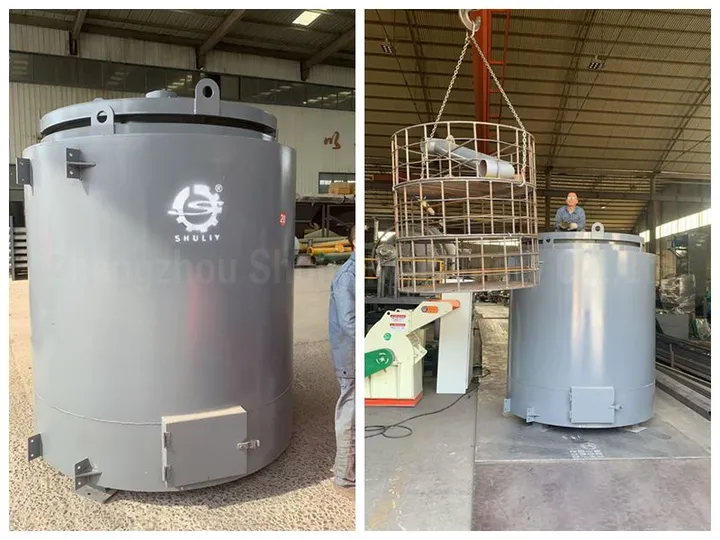
Each vertical carbonization furnace includes one outer body and three inner stoves. While one stove carbonizes, another cools, and a third loads. This rotation keeps production continuous without waiting.
Key parameters per furnace:
- Batch cycle: 6–8 hours
- Daily output: 2.5–3 tons of charcoal
- Loading capacity: 2,600–3,000 kg per batch
- Electricity: none required
After the first hour of ignition, the furnace burns its own recycled combustible gases. External fuel drops to 50–80 kg of waste biomass per batch. For a 1 ton/hour briquetting line running an 8-hour shift, three furnaces handle the full daily output.
How Charcoal Production Line Machines Scale With Your Output?
Line capacity depends on one number: how many briquette machines you install. Each SL-50 unit adds 250 kg per hour.
| Briquette Machines | Line Output | Furnaces Required |
|---|---|---|
| 1 unit | 250 kg/h | 1 |
| 2 units | 500 kg/h | 1–2 |
| 4 units | 1,000 kg/h | 3 |
| 6–8 units | 1,500–2,000 kg/h | 4–6 |
The crusher and dryer are sized for expansion. You can start with one briquette machine and add more units later. No upstream equipment needs replacement.
Which Machines Are Essential and Which Are Optional?
- Essential for any configuration: crusher, dryer, screw feeder, briquette machines, carbonization furnace. Without these five, the line cannot produce charcoal.
- Strongly recommended: smoke collector (emission compliance), belt conveyor (labor saving).
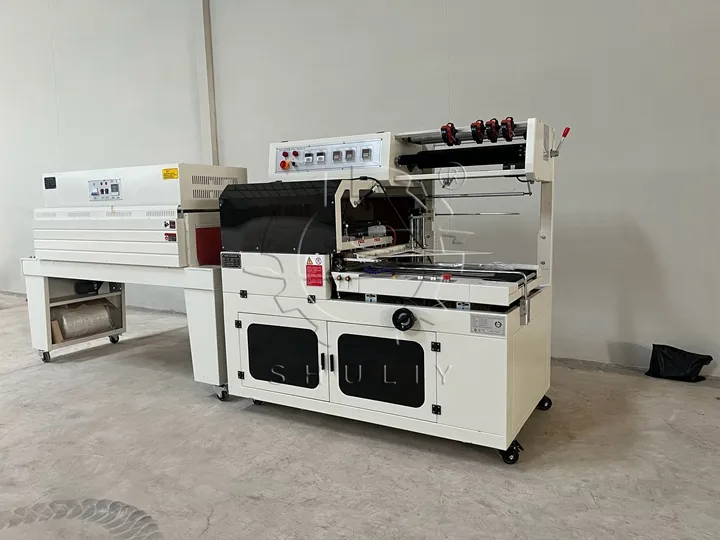
- Optional based on your setup: extra screw conveyors if your workshop layout separates machines; by-product condensers on furnaces if you plan to sell wood vinegar and tar.
Tell your supplier your workshop dimensions before ordering. Conveyor lengths adjust to your layout at minimal cost.
Get Your Charcoal Production Line Equipment List and Layout
Now you know every machine inside a complete 木炭製造ライン — and what each one does. The next step is matching the configuration to your raw material and output target.
Contact Shuliy with your raw material type, moisture content, and daily production goal. Our engineers will send a customized equipment list, 2D layout drawing, and quotation within 24 hours.