
วิธีการตั้งค่าหมายเลขการผลิตถ่านชิช่า?
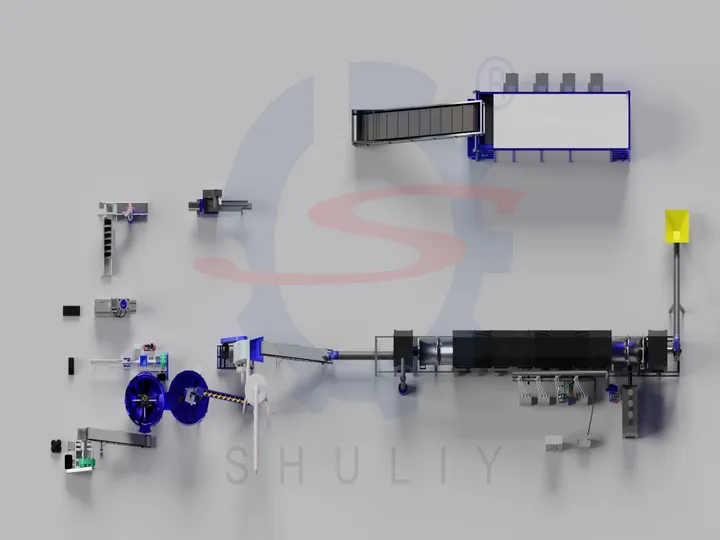
การตั้งค่าระบบการผลิต สายการผลิตถ่านชิช่า ไม่ได้เป็นเพียงการซื้อเครื่องจักรไม่กี่เครื่องและเชื่อมต่อด้วยสายพานเท่านั้น ไม่ว่าคุณจะเป็นผู้ประกอบการที่เข้าสู่ตลาดถ่านชิช่าหรือเป็นผู้ผลิตที่ต้องการอัปเกรดโรงงาน การกำหนดค่าที่เหมาะสมจะเป็นตัวกำหนดคุณภาพผลิตภัณฑ์ ประสิทธิภาพการดำเนินงาน และความสามารถในการทำกำไรในระยะยาว คำแนะนำนี้จะพาคุณไปสู่การตัดสินใจสำคัญที่จำเป็นเมื่อวางแผนและตั้งค่าระบบการผลิตถ่านชิช่าแบบครบวงจร
เข้าใจเป้าหมายการผลิตของคุณก่อนการตั้งค่า
ก่อนเลือกอุปกรณ์ใด ๆ ควรชี้แจงคำถามพื้นฐานสามข้อ:
เป้าหมายผลผลิตรายวันของคุณคืออะไร?
- การดำเนินงานขนาดเล็กอาจตั้งเป้าหมายที่ 100–200 กก.ของแท่งอัดสำเร็จต่อวัน ในขณะที่โรงงานเชิงพาณิชย์มักตั้งเป้าที่ 1–3 ตัน ความสามารถเป้าหมายของคุณเป็นตัวกำหนดขนาดเตา เครื่องกำลังบด อุปกรณ์อัด และวิธีการอบแห้ง
คุณจะผลิตรูปทรงและขนาดแท่งอัดใด?
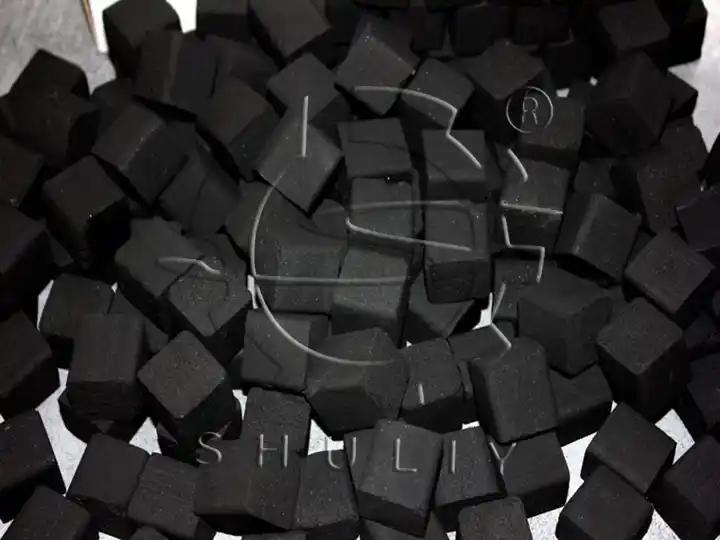
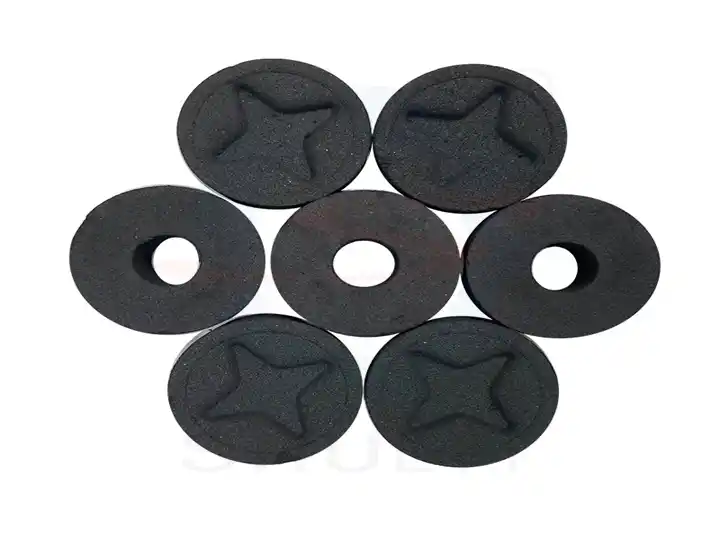
- เม็ดกลม (25 มม., 33 มม., 40 มม.) ครองตลาดในตะวันออกกลาง ขณะที่รูปทรงสี่เหลี่ยม (20×20×20 มม., 25×25×25 มม.) เป็นที่นิยมในยุโรปและบางส่วนของเอเชีย ผู้ผลิตบางรายนำเสนอทั้งสองแบบเพื่อสร้างรายได้ที่หลากหลาย
วัตถุดิบในท้องถิ่นของคุณคืออะไร?
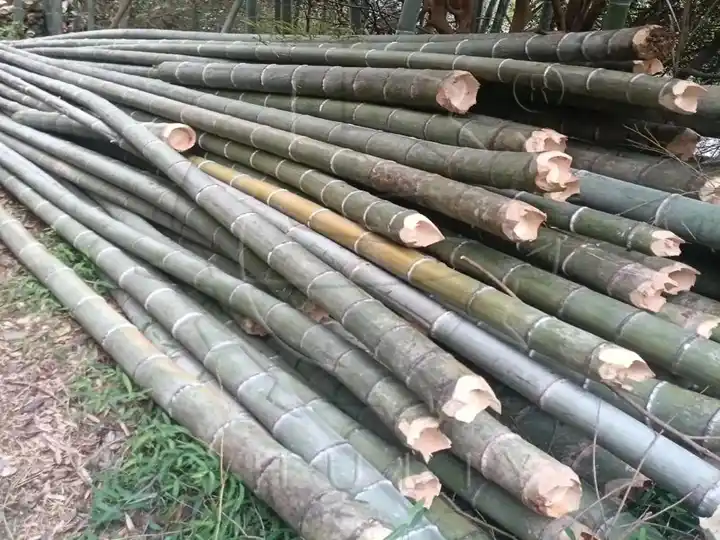
- เปลือกมะพร้าว, ไม้ผล, ไม้ไผ่ และไม้เนื้อแข็งแต่ละชนิดต้องการอุณหภูมิการคาร์บอไนซ์ที่แตกต่างกัน สัดส่วนของตัวประสาน และความเข้มข้นในการบดอัด การมีอยู่ในท้องถิ่นส่งผลโดยตรงต่อค่าใช้จ่ายในการจัดหาวัตถุดิบและผลผลิตคาร์บอน
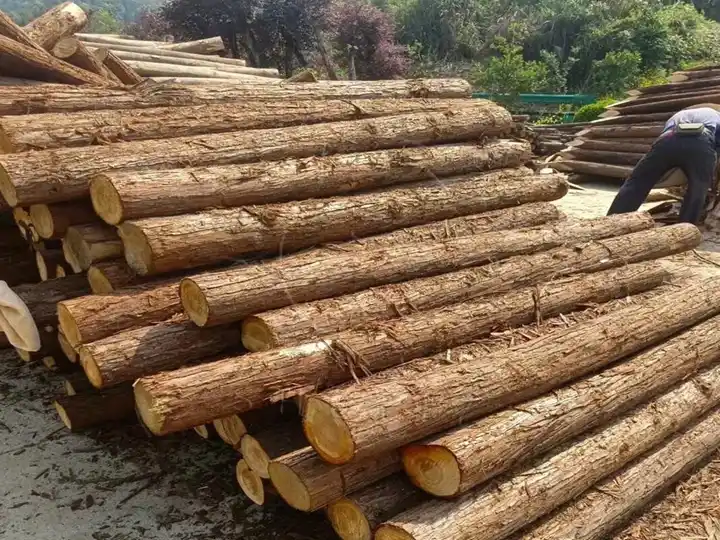
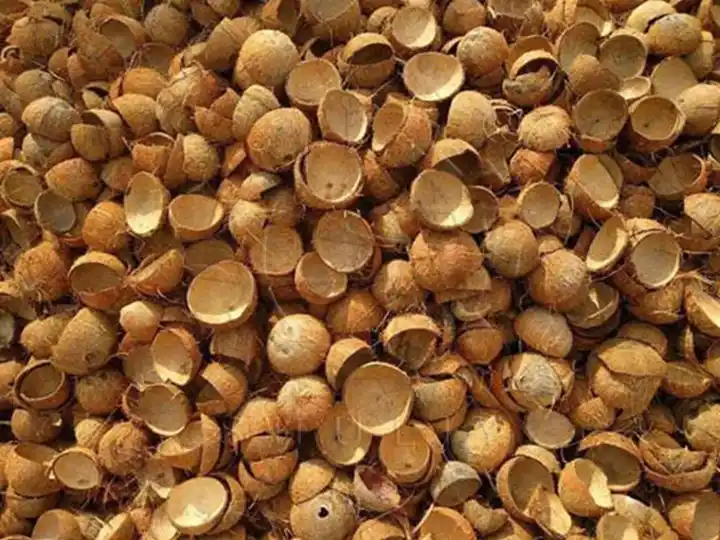
การตอบคำถามเหล่านี้ล่วงหน้าจะช่วยป้องกันความผิดพลาดที่มีค่าใช้จ่ายสูงระหว่างอุปกรณ์และความต้องการของตลาด
คู่มือการตั้งค่าทีละขั้นตอน
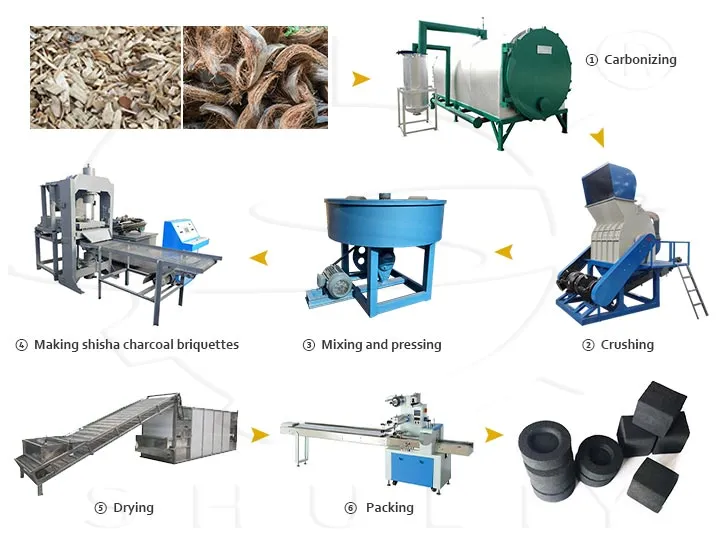
ขั้นตอนที่ 1: เลือกระบบคาร์บอไนซ์ที่เหมาะสม
เตาเผาคาร์บอไนซ์เป็นหัวใจของสายการผลิตถ่านชิช่า คุณมีตัวเลือกหลักสองแบบ:
- เตาเผาคาร์บอไนซ์แบบต่อเนื่อง: เหมาะสำหรับการดำเนินงานที่มุ่งเป้า 200 กก./ชม. ขึ้นไป เครื่องนี้ให้อาหารวัตถุดิบอย่างต่อเนื่องที่ปลายด้านหนึ่งและปล่อยถ่านคาร์บอไนซ์ที่อีกด้านหนึ่ง รับประกันคุณภาพที่สม่ำเสมอและสามารถดำเนินการได้ 24 ชั่วโมง ซีรีส์ SL-CF ของ Shuliy สามารถกู้คืนก๊าซที่ติดไฟได้เพื่อลดการใช้เชื้อเพลิงภายนอก
- เตาคาร์บอไนซ์แบบเป็นชุด: เหมาะสำหรับปริมาณน้อยหรือผู้ผลิตที่ทดสอบวัตถุดิบหลายชนิด แต่ละชุดจะถูกโหลด คาร์บอไนซ์ เย็นตัว และปล่อยออกแยกกัน ทำให้ผู้ปฏิบัติงานควบคุมด้วยตนเองมากขึ้น แต่ความสามารถต่อชั่วโมงต่ำกว่า
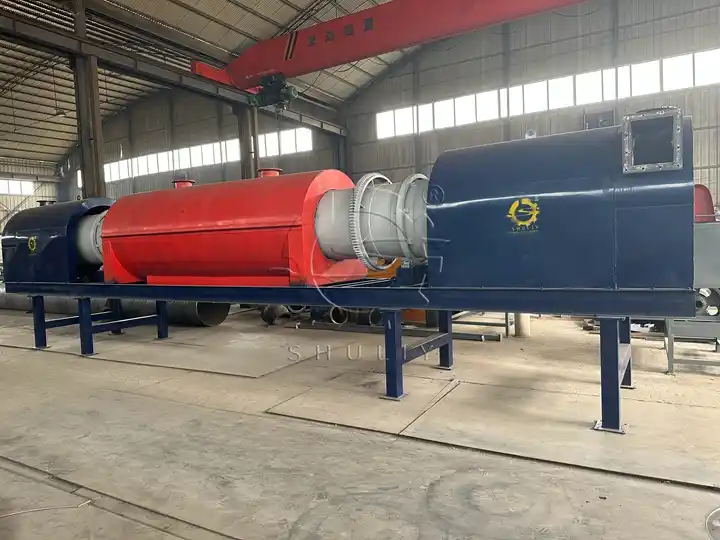
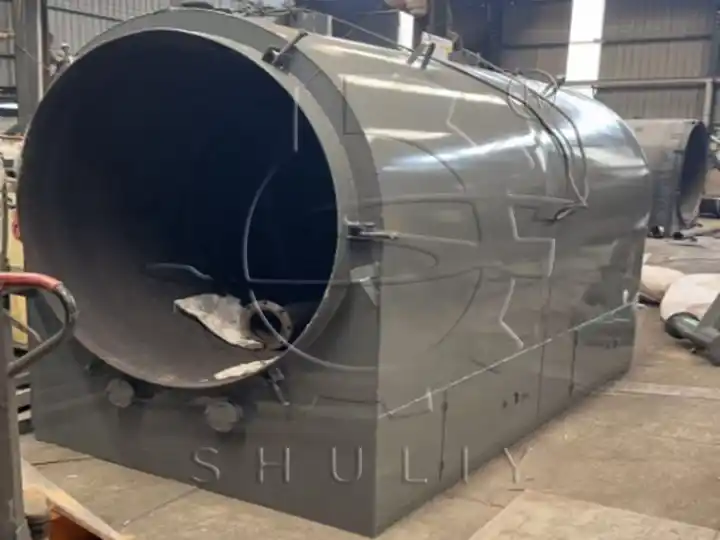
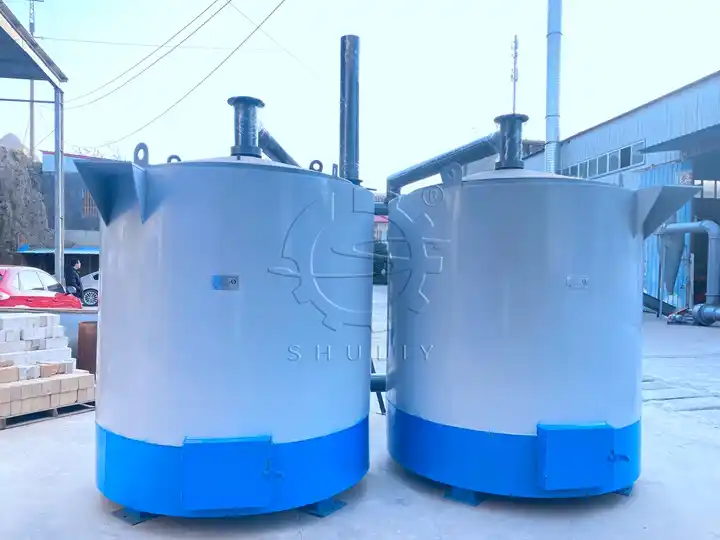
เคล็ดลับการตั้งค่า: หากวัตถุดิบของคุณเบา (เศษไม้, เปลือกข้าว, ชิ้นเปลือกมะพร้าว) ควรใช้เตาเผาต่อเนื่องที่มีสกรูให้อาหารในตัว สำหรับไม้ logs ขนาดใหญ่หรือชิ้นไม้ไผ่ อาจจำเป็นต้องตัดและอบแห้งล่วงหน้า
ขั้นตอนที่ 2: กำหนดขนาดอุปกรณ์บดและอัดอากาศ
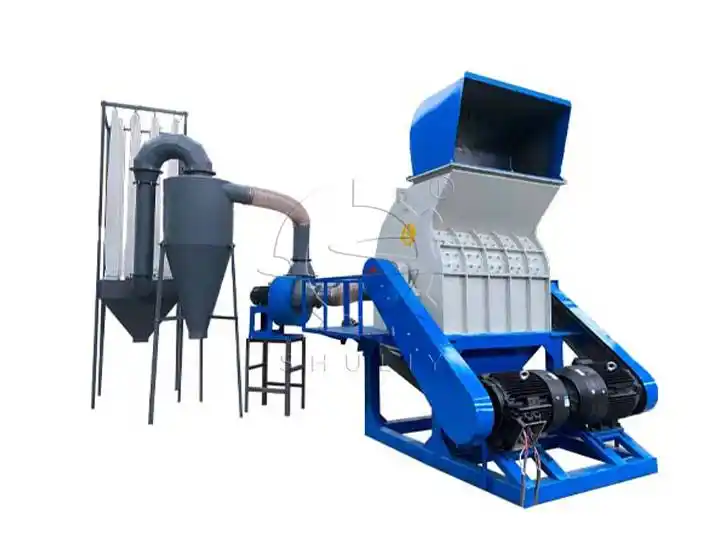
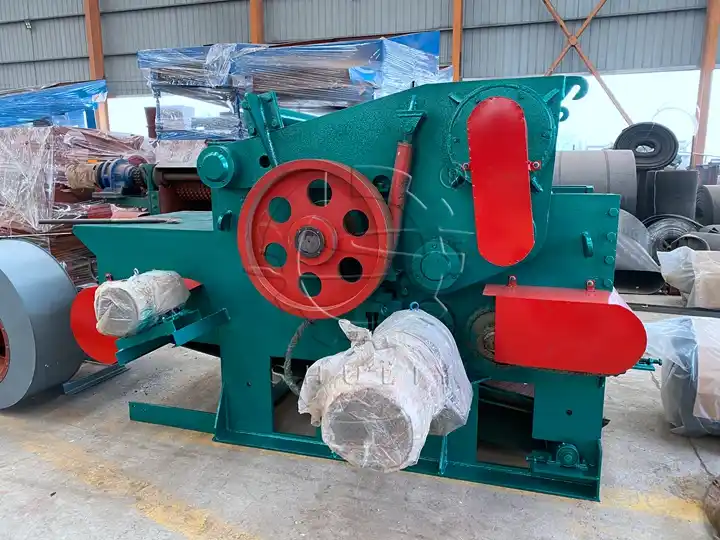
ถ่านที่ผ่านการคาร์บอไนซ์มักไม่มาถึงเครื่องอัดในขนาดอนุภาคที่ถูกต้อง สายการประมวลผลถ่านชิช่าทั่วไปประกอบด้วย:
- เครื่องบดหลัก (โรงสีค้อน): ลดชิ้นส่วนคาร์บอไนซ์เป็นเม็ดขนาด 1–10 มม. ให้มอเตอร์มีพลังงานเหมาะสมกับผลผลิตของเตา; เครื่องกำลัง 22 กิโลวัตต์รองรับประมาณ 500 กก./ชม.
- เครื่องบดรอง (เครื่องบดล้อ / เครื่องบดลูกกลิ้ง): บดเม็ดเป็นผงละเอียดพร้อมกับทำให้วัสดุแน่นขึ้น ขั้นตอนนี้เป็นสิ่งที่ไม่สามารถต่อรองได้สำหรับแท่งอัดแรงสูง
เคล็ดลับการตั้งค่า: ติดตั้งตัวแยกแม่เหล็กไว้ด้านต้นของเครื่องบดเพื่อกำจัดตะปูหรือเศษโลหะที่อาจทำลายค้อนและใบมีดบด
ขั้นตอนที่ 3: ออกแบบระบบผสมและตัวประสานของคุณ
การกระจายตัวของตัวประสานอย่างสม่ำเสมอป้องกันรอยร้าวและรับประกันพฤติกรรมการเผาที่สม่ำเสมอ เครื่องผสมริบบิ้นแนวนอนที่มีการควบคุมความเร็วแบบปรับได้ช่วยให้คุณสามารถ:
- ปรับความชื้นของน้ำตามความชื้นในอากาศ
- ผสมสารปรุงแต่งกลิ่นหากมุ่งเป้าไปที่กลุ่มพรีเมียม
- ผสมผงถ่านต่าง ๆ (เช่น มะพร้าว ไม้เนื้อแข็ง) เพื่อเพิ่มประสิทธิภาพด้านต้นทุน
ตัวเลือกตัวประสานทั่วไป ได้แก่ แป้งมันสำปะหลังเกรดอาหาร แป้งข้าวโพด หรือมอลต์ สัดส่วนของตัวประสานต่อถ่านโดยทั่วไปอยู่ในช่วง 3% ถึง 8% ตามน้ำหนัก ขึ้นอยู่กับความพรุนของวัตถุดิบ
เคล็ดลับการตั้งค่า: จัดสรรไซโลเก็บตัวประสานแห้งโดยเฉพาะและถังน้ำร้อนใกล้กับเครื่องผสมเพื่อความสะดวกในการเตรียมชุด
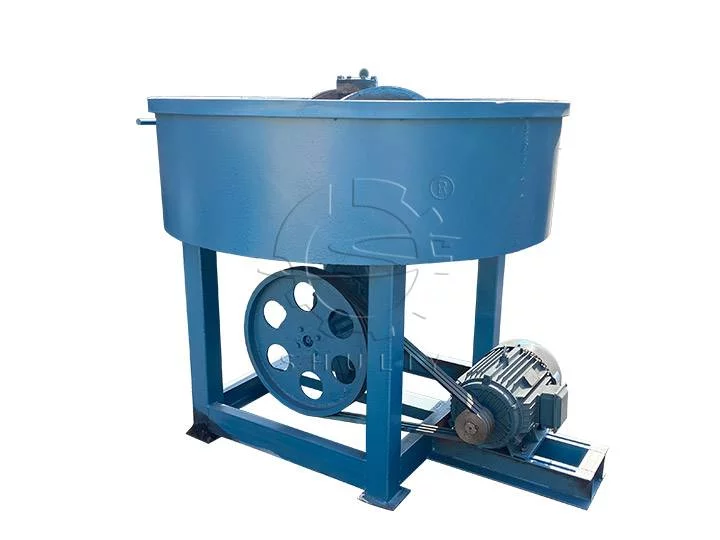
ขั้นตอนที่ 4: เลือกเครื่องอัดแท่งที่เหมาะสม
เครื่องอัดขึ้นรูปกำหนดรูปร่าง ความหนาแน่น และความเร็วในการผลิตของสินค้า ชูลิยี่มีการตั้งค่าทั้งสามแบบ:
| ประเภทเครื่องอัด | เหมาะสำหรับ | ความจุขาออก | ข้อได้เปรียบหลัก |
|---|---|---|---|
| เครื่องอัดไฮดรอลิก | แท่งกลมและแท่งขนาดใหญ่ แท่งอัด | 42–44 ชิ้น/รอบ | แรงดันสูง, แท่งอัดแน่น, ใช้เวลาการเผานาน |
| เครื่องอัดเม็ดแบบโรตารี | เม็ดกลมขนาดเล็ก (25–40 มม.) | ~21,000 ชิ้น/ชั่วโมง | ประสิทธิภาพสูง, น้ำหนักที่สม่ำเสมอ, พร้อมใช้งานทันที |
| เครื่องอัดก้อนสแตนเลสสี่เหลี่ยม | เกรดอาหารระดับพรีเมียม ถ่านก้อน | 42–44 ชิ้น/รอบ | ทนต่อการกัดกร่อน, สุขอนามัย, เสร็จสิ้นระดับพรีเมียม |
เคล็ดลับการตั้งค่า: หากคุณวางแผนที่จะให้บริการหลายตลาด ควรลงทุนในเครื่องอัดไฮดรอลิกที่มีแม่พิมพ์เปลี่ยนได้ แทนที่จะซื้อเครื่องแยกสำหรับแต่ละรูปทรง
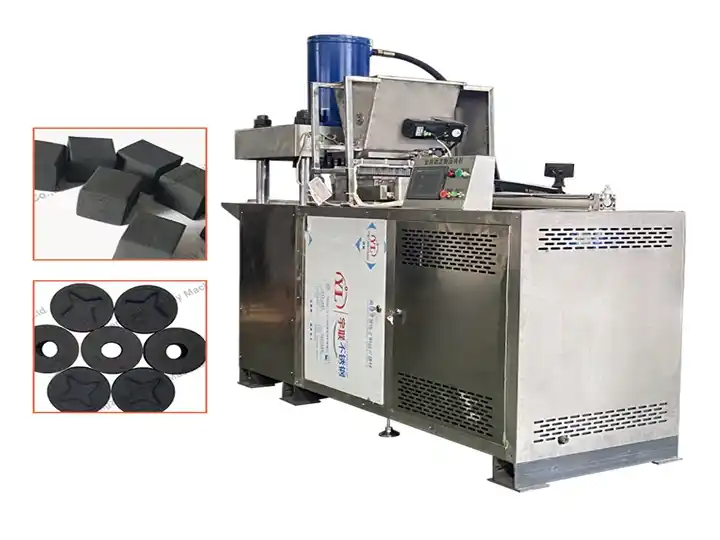
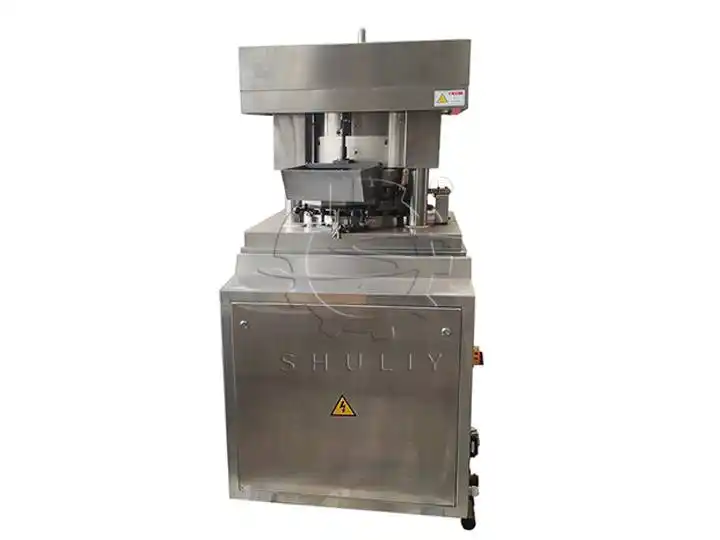
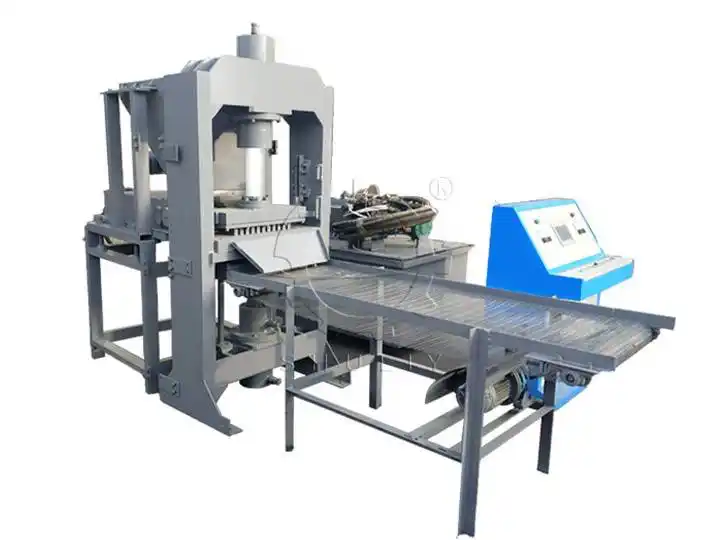
ขั้นตอนที่ 5: วางแผนโครงสร้างพื้นฐานการอบแห้งของคุณ
แท่งอัดสดมีความชื้น 15–25% ซึ่งต้องลดลงต่ำกว่า 8% ก่อนบรรจุ การอบแห้งมีสองวิธีหลัก:
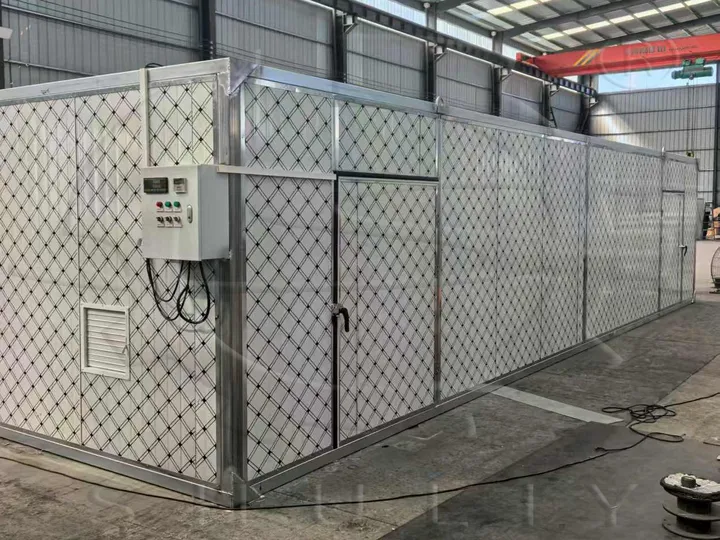
- ห้องอบแห้งแบบเป็นชุด: ต้นทุนเงินทุนต่ำลง เหมาะสำหรับสตาร์ทอัป แท่งอัดจะถูกโหลดเข้าแร็คภายในห้องฉนวนที่มีอากาศร้อนเวียน หมดเวลาการอบแห้ง 8–12 ชั่วโมง
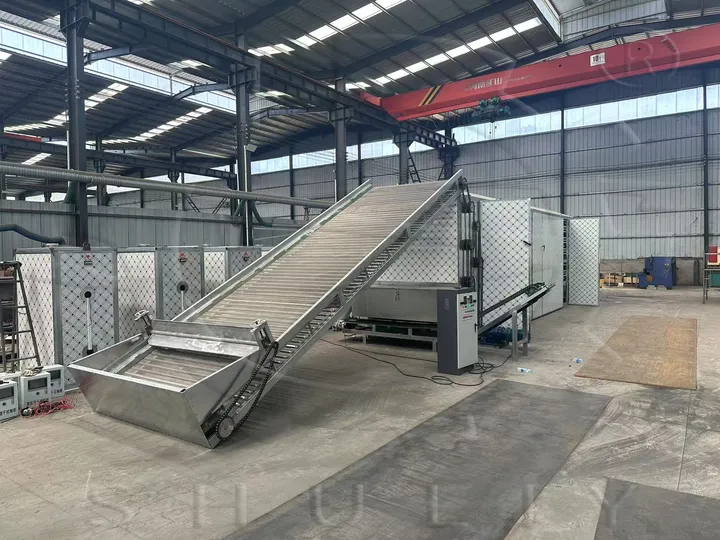
- เครื่องอบแห้งแบบสายพานต่อเนื่อง: อัตราการผ่านสูงขึ้น; แท่งอัดจะเคลื่อนที่บนสายพานเจาะรูผ่านโซนควบคุมอุณหภูมิ การอบแห้งเสร็จสมบูรณ์ใน 2–4 ชั่วโมง
เคล็ดลับการตั้งค่า: ในสภาพอากาศชื้น ควรขยายเตาอบแห้งของคุณเพิ่มขึ้น 20–30% เพื่อชดเชยการระเหยความชื้นที่ช้าลง
ขั้นตอนที่ 6: รวมสายพานลำเลียงและการบรรจุ
การจัดการวัตถุดิบด้วยมือเสี่ยงต่อการแตกหักและการปนเปื้อน ควรตั้งค่าการผลิตถ่านชิชาด้วย:
- สายพานลำเลียงระหว่างสถานีคาร์บอไนซ์, บด, และผสม
- สายพานสกรูสำหรับการถ่ายโอนผงจากเครื่องบดไปยังเครื่องผสม
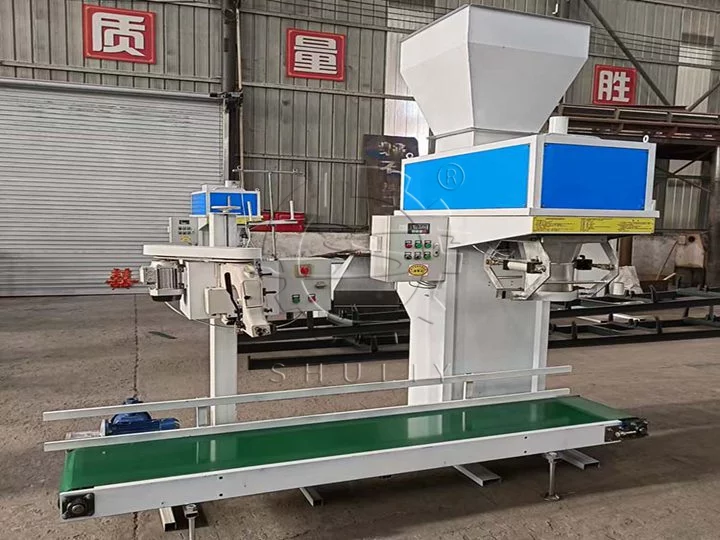
- เครื่องบรรจอัตโนมัติพร้อมเครื่องชั่งน้ำหนักหลายหัวสำหรับถุงค้าปลีกหรือกล่องบรรจุภัณฑ์จำนวนมาก
เคล็ดลับการตั้งค่า: วางสถานีบรรจุภัณฑ์ในห้องแยกที่ควบคุมฝุ่นเพื่อรักษาคุณภาพสินค้าและความสะดวกสบายของผู้ปฏิบัติงาน
ข้อผิดพลาดทั่วไปที่ควรหลีกเลี่ยง
แม้แต่วิศวกรที่มีประสบการณ์ก็อาจมองข้ามข้อผิดพลาดเหล่านี้:
- ความไม่ตรงกันของความสามารถของเตาเผาและเครื่องอัด: เตาที่ผลิตถ่าน 300 กก./ชม. ที่จับคู่กับเครื่องอัดที่รองรับเพียง 150 กก./ชม. จะสร้างคอขวด ควรปรับความสามารถของอุปกรณ์ต้นทางและปลายทางให้สอดคล้องกันเสมอ
- ละเลยโครงสร้างพื้นฐานการเตรียมตัวประสาน: ผู้ผลิตบางรายเน้นเฉพาะอุปกรณ์กลไกโดยไม่สนใจถังผสมตัวประสาน, อุปกรณ์ทำความร้อน, และที่เก็บข้อมูล อุณหภูมิตัวประสานที่ไม่สม่ำเสมอทำให้คุณภาพแท่งอัดไม่สม่ำเสมอ
- การเลือกขนาดไฟฟ้าไม่เหมาะสม: เตาเผาต่อเนื่องและเครื่องอัดแบบโรตารีใช้พลังงานมาก ควรตรวจสอบความสามารถของหม้อแปลงไฟฟ้าของโรงงานก่อนการมาถึงของอุปกรณ์
- ละเลยการเก็บฝุ่น: ฝุ่นถ่านเป็นวัตถุไวไฟ ควรติดตั้งตัวแยกไซโคลนและตัวกรองถุงที่จุดปล่อยของเครื่องบดและเครื่องบดเพื่อความปลอดภัยและการปฏิบัติตามกฎระเบียบ
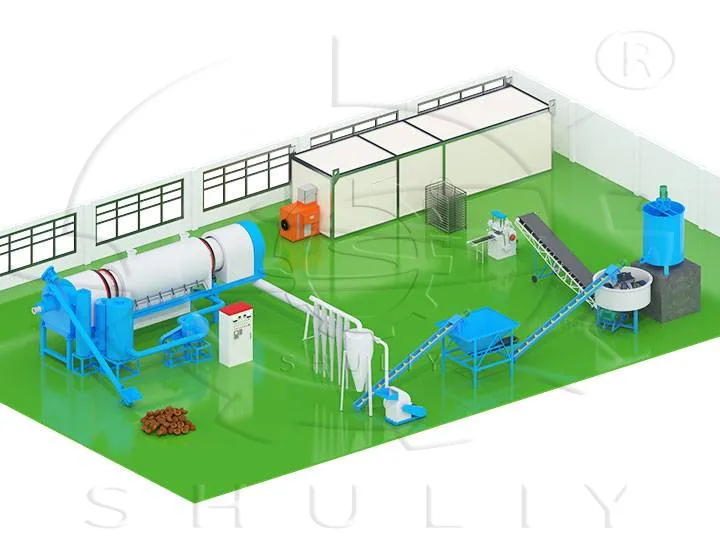
แบบร่างตัวอย่างสำหรับสายถ่านชิชา 200 กก./ชม.
| ขั้นตอน | สถานี / อุปกรณ์ | ฟังก์ชัน |
|---|---|---|
| 1 | พื้นที่จัดเก็บวัตถุดิบ | การเก็บเปลือกมะพร้าว, การตัดล่วงหน้า, และการเตรียมการ |
| 2 | เตาถ่านแบบต่อเนื่อง | การแปรรูปความร้อน พร้อมปล่องระบายก๊าซ |
| 3 | สายพานลำเลียงสำหรับการระบายความเย็นและปล่อยออก | ทำให้วัสดุที่ผ่านการคาร์บอไนซ์เย็นลง และถ่ายโอนไปยังเครื่องบด |
| 4 | เครื่องบดหลัก ตัวเก็บฝุ่น | ลดขนาดให้เหลือ 1–10 มม. พร้อมการดูดอากาศ |
| 5 | สายพานลำเลียงแบบสกรู | ถ่ายโอนผงถ่าน ถึงเครื่องบดล้อ |
| 6 | เครื่องผสมแนวนอนพร้อมการจ่ายตัวประสาน | การผสมที่สม่ำเสมอของ ผงถ่าน, ตัวประสาน, และน้ำ |
| 7 | เครื่องอัดแท่ง (ไฮดรอลิก / โรตารี) | การขึ้นรูปแท่งอัดด้วยแรงดันสูง |
| 8 | สายพานลำเลียงถ่านชิชาชื้น | ถ่ายโอนไบอัดใหม่สด ถึงขั้นตอนการอบแห้ง |
| 9 | เครื่องอบแห้งแบบสายตาข่าย / ห้องอบแห้ง | ลดความชื้น จากประมาณ 20% ถึงต่ำกว่า 8% |
| 10 | โซนเย็นตัว | ทำให้แท่งอัดแห้งเย็นลง ถึงอุณหภูมิในอากาศ |
| 11 | เครื่องบรรจอัตโนมัติ การวางพาเลท | การชั่งน้ำหนัก, บรรจุ, ซีล และการเตรียมผลิตภัณฑ์สุดท้าย |
พื้นที่รวม:
ประมาณ 300–400 ตร.ม. ขึ้นอยู่กับพื้นที่เก็บวัตถุดิบและการออกแบบเค้าโครง
อุปกรณ์ที่เกี่ยวข้องกับการตั้งค่าของคุณ
เมื่อคุณวางแผนผังสายการผลิตถ่านชิช่าและหัวบ้องแล้ว ควรสำรวจหน้าสินค้าเหล่านี้:
- สายการผลิตถ่านชิชามอระกู่ — ภาพรวมของระบบครบวงจร
- เตาถ่านแบบต่อเนื่อง — อุปกรณ์แปรรูปความร้อนสำหรับวัตถุดิบชีวมวล