
สายการผลิตถ่าน
Wood Charcoal Making Production Line | Sawdust Charcoal Briquette Production Line
สายการผลิตถ่าน
Wood Charcoal Making Production Line | Sawdust Charcoal Briquette Production Line
คุณสมบัติโดยย่อ
ที่ สายการผลิตถ่าน machine by our company offers a comprehensive solution for transforming wood, wood chips, or other plant-based raw materials into high-density sawdust charcoal briquettes.
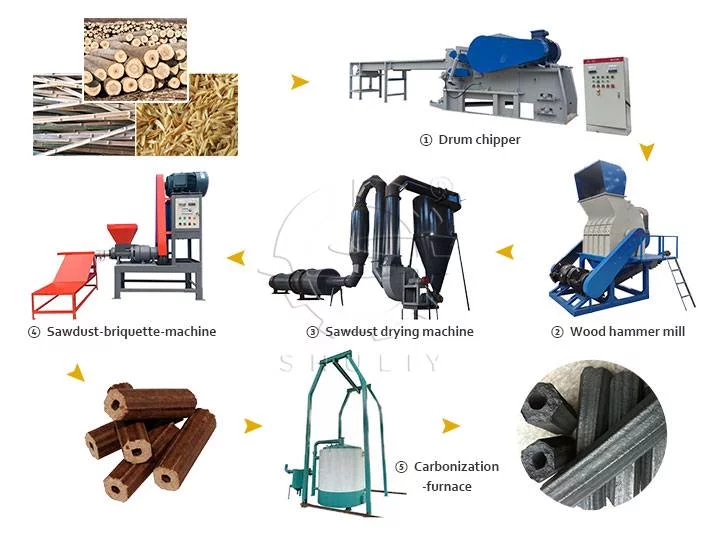
Our charcoal briquette production lines include processes such as crushing, mixing, molding, charring, and drying. We cater to various scales and processing needs. Configurations are available for 1-3t/d, 3-6t/d, และ 6-10t/d output capacities.
Each line is equipped with essential machinery such as wood shredders, hammer mills, dryers, sawdust briquette machines, and carbonization furnaces. These charcoal-making units ensure efficient production from raw material preparation to the final charcoal product.
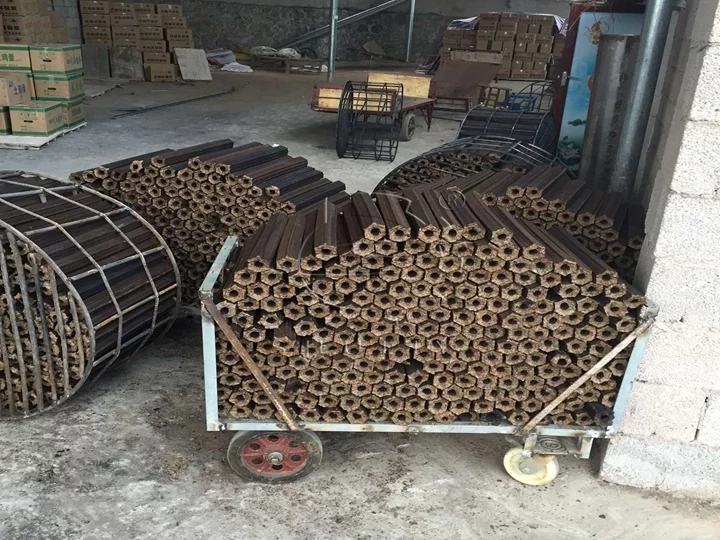
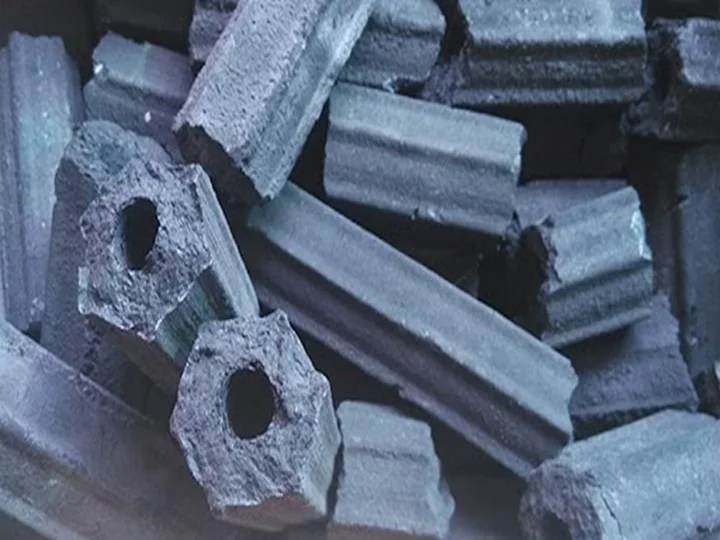
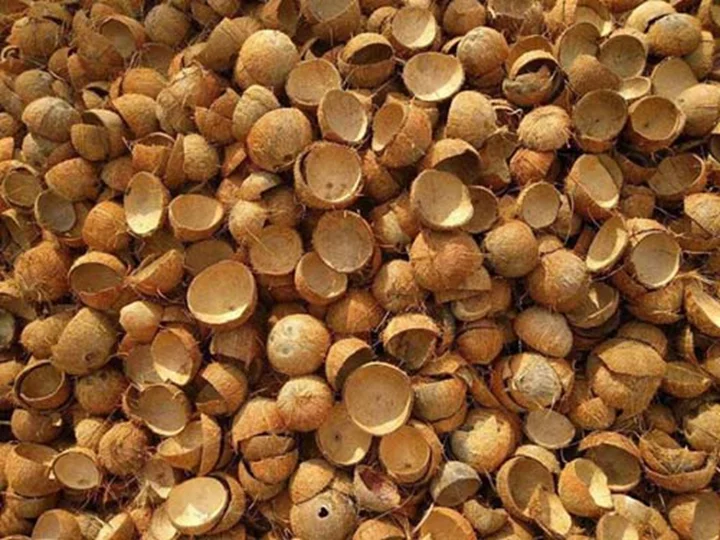
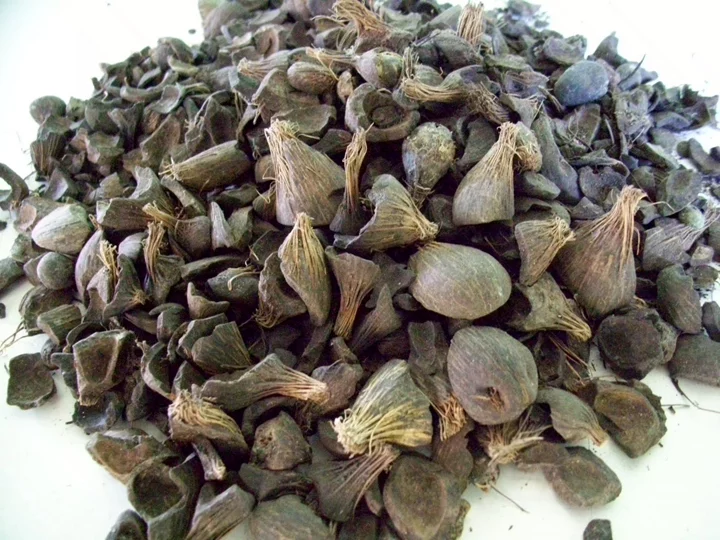
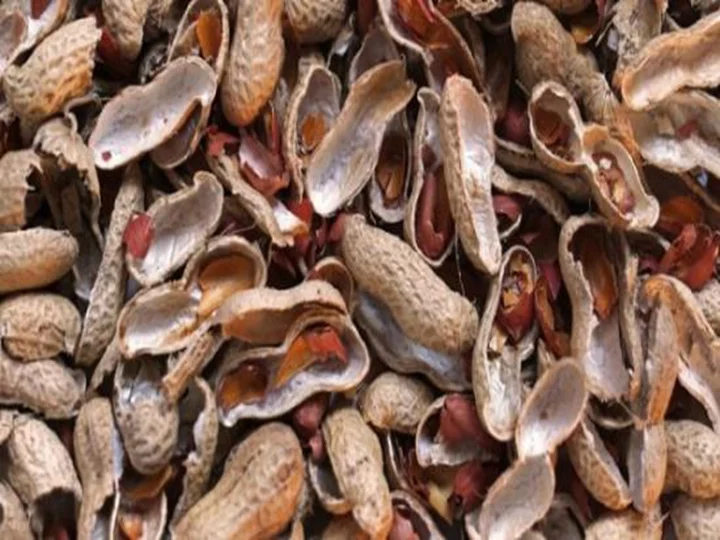
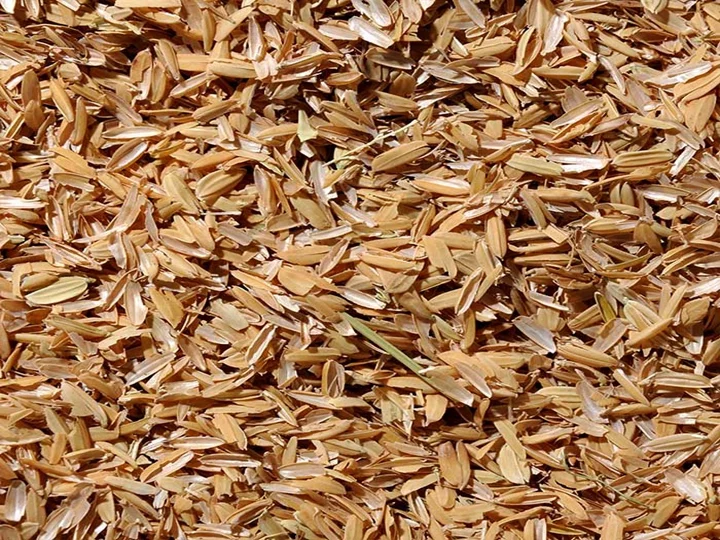
The line accepts wood waste with moisture below 40%. Raw materials include hardwood logs, branches, sawdust, bamboo, coconut shell, and fruit wood. The final product is high-density charcoal briquettes ready for barbecue, shisha, and industrial fuel markets.
ในฐานะผู้เชี่ยวชาญด้านเครื่องจักรถ่านชีวมวล เรามีความเชี่ยวชาญในโซลูชันอุปกรณ์ที่ปรับแต่งได้ซึ่งจะช่วยเพิ่มประสิทธิภาพสูงสุด ผลิตภัณฑ์ถ่านที่เชื่อถือได้ของเราเหมาะสำหรับการใช้งานที่หลากหลาย
Raw Materials for the Charcoal Production Line
การทำความเข้าใจวัตถุดิบที่จำเป็นสำหรับสายการผลิตถ่านเป็นก้าวแรกสู่การดำเนินงานที่ประสบความสำเร็จ
สายการผลิตถ่านอัดก้อนใช้วัตถุดิบที่หลากหลาย โดยทั่วไปได้แก่ ท่อนไม้ ไม้ไผ่ ชีวมวล เศษเหลือทางการเกษตร และกะลามะพร้าว ชีวมวลแต่ละประเภทมีลักษณะเฉพาะและข้อควรพิจารณา
ทางเลือกของชีวมวลสำหรับการผลิตถ่านขึ้นอยู่กับปัจจัยต่างๆ เช่น ความพร้อมในท้องถิ่น ความต้องการของตลาด และข้อกำหนดผลิตภัณฑ์เฉพาะสำหรับโรงงานแปรรูปของคุณ
ต่อไป เรามาเจาะลึกขั้นตอนการทำงานของสายการผลิตถ่านอัดก้อนและทำความเข้าใจลักษณะเฉพาะของแต่ละขั้นตอนกัน
How the Charcoal Making Plant Works: 5-Stage Process
Stage 1: Crushing
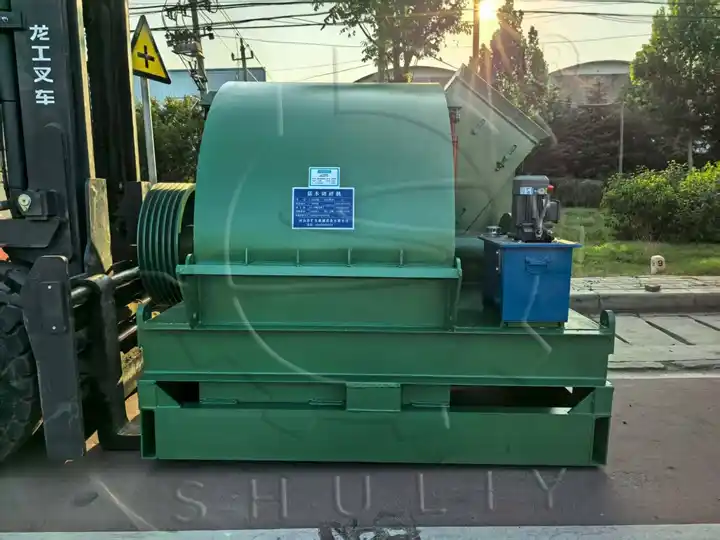
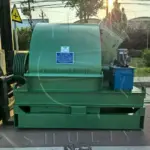
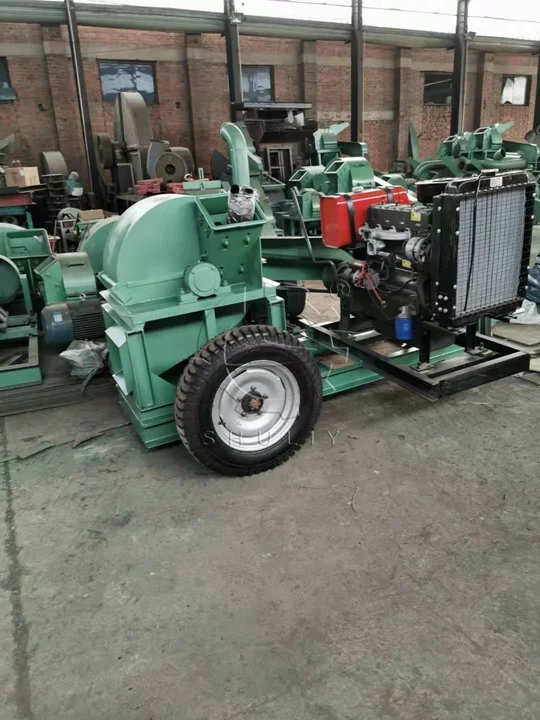
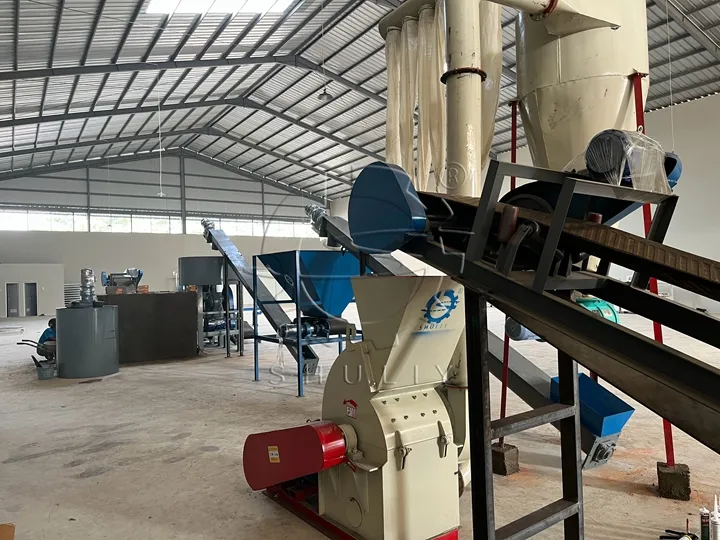
The SL-800 wood sawdust machine crushes logs, branches, and wood chips into fine sawdust. Capacity reaches 1,000 kg per hour. The 45 kW main motor drives alloy hammers against an internal screen. A 6-bag dust remover with 1,000 mm diameter keeps the workshop clean. Screen apertures from 0.6 mm to 12 mm control the final sawdust size.
Stage 2: Drying
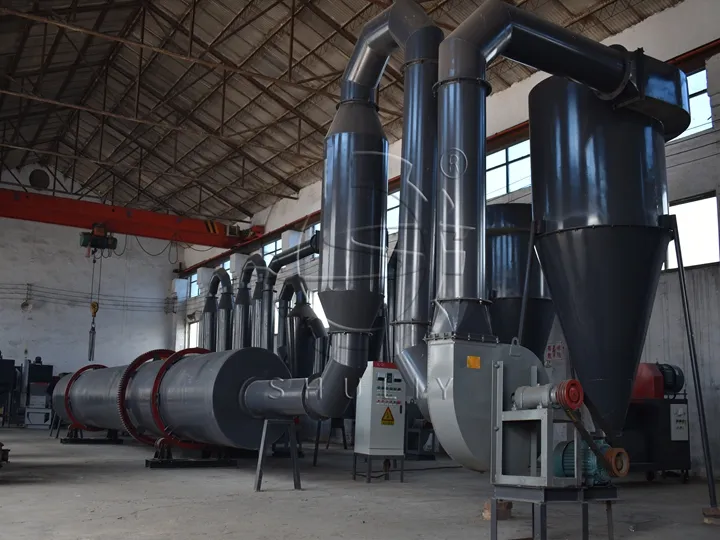
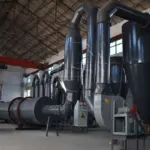
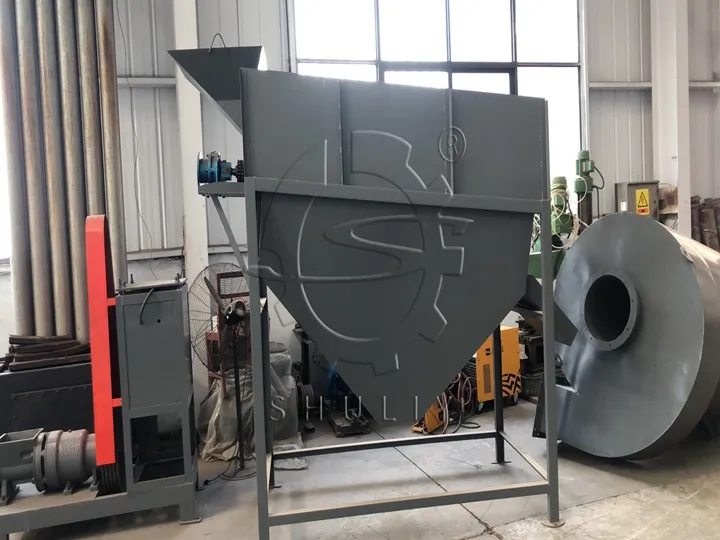
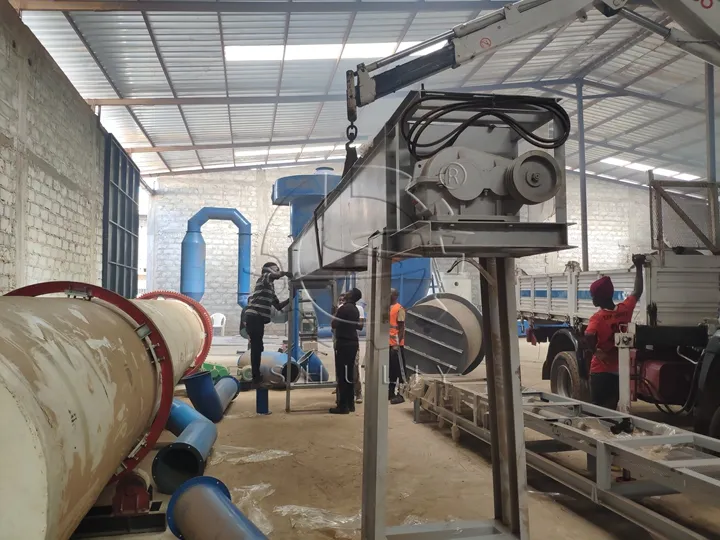
Wet sawdust cannot form strong briquettes. The SL-D1000 rotary drum dryer reduces moisture from 30–40% down to 8–12%. Capacity matches the crusher at 1,000 kg per hour. The dryer includes a cyclone dust collector, adjustable-speed motor, and independent control cabinet.
Stage 3: Briquetting
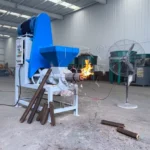
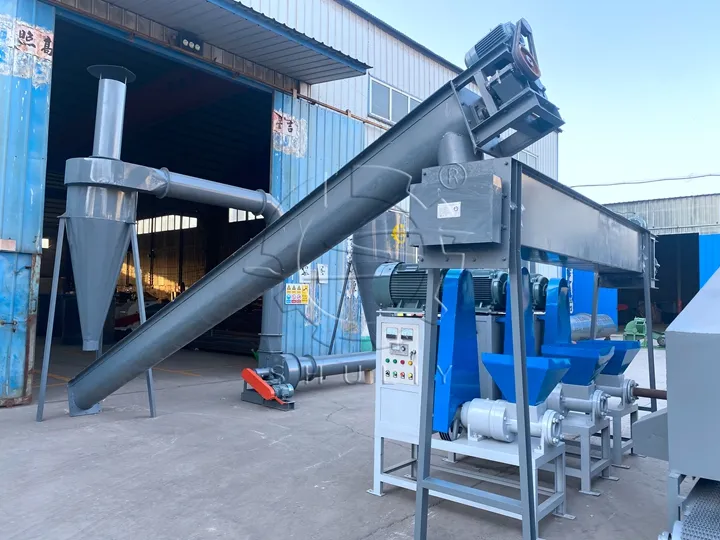
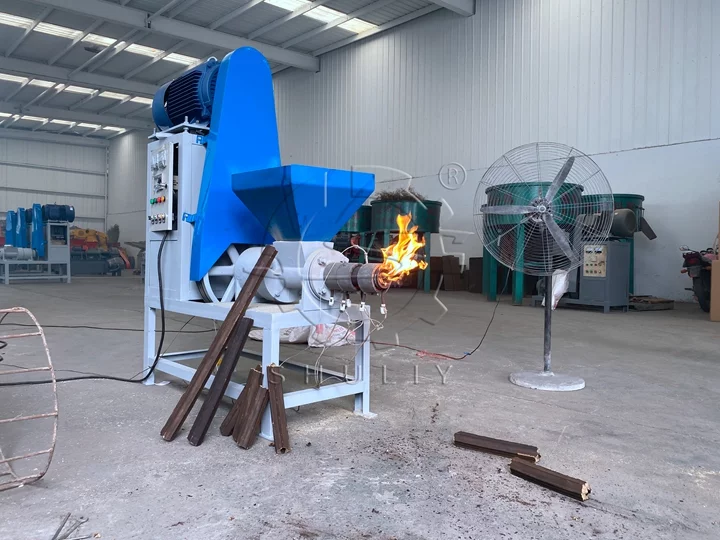
Dried sawdust enters the screw feeder. The feeder distributes material evenly to four SL-50 briquette machines. Each machine produces 200–250 kg of briquettes per hour. High-pressure screw extrusion compresses sawdust into dense rods without any binder. The machines use chromium-manganese alloy molds and C-type belts for longer service life.
Stage 4: Carbonization
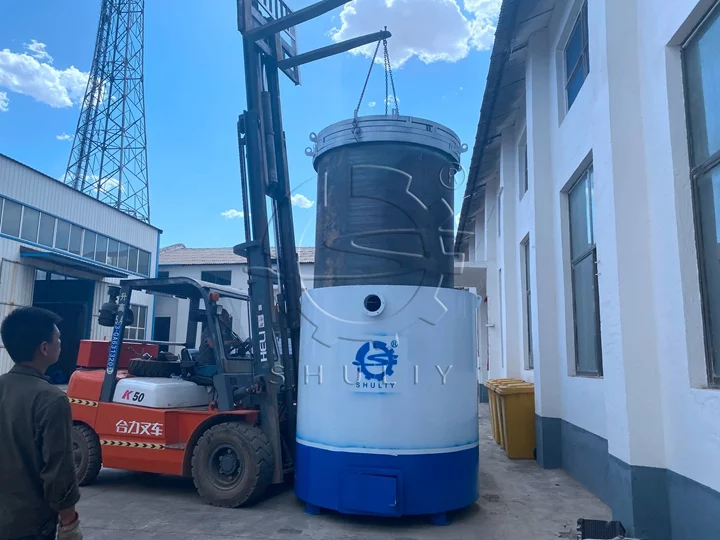
Biomass briquettes load into vertical carbonization furnaces. Each furnace processes one batch every 6–8 hours. After the first hour, combustible gases released from the briquettes sustain the furnace heat. No electricity or external fuel is required. Three furnaces working in rotation handle the daily output of the 1 ton/hour briquetting line.
Stage 5: Cooling and Packing
Hot charcoal cools inside the sealed inner stoves. Once at room temperature, the charcoal briquettes are ready for packaging and sale. The charcoal holds the briquette shape, density, and uniform size from the pressing stage.
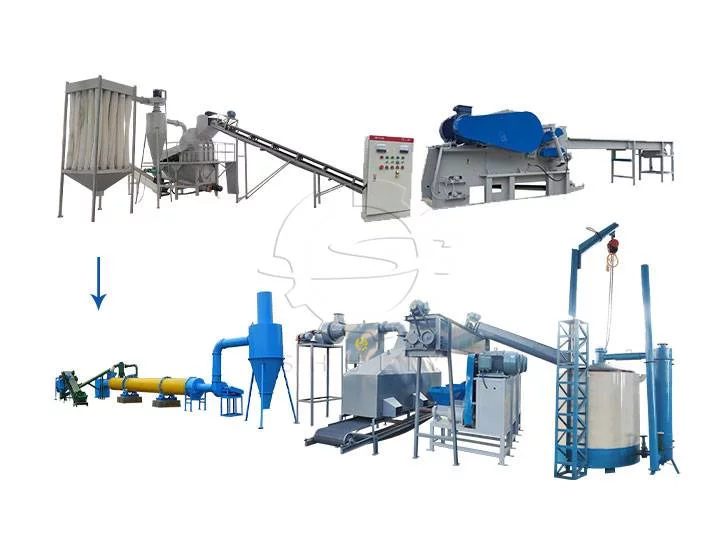
Charcoal Production Line Machine For Sale
หลังจากเข้าใจกระบวนการผลิตแล้ว คุณอาจสนใจอุปกรณ์ที่จำเป็น เรามีเครื่องจักรที่หลากหลายเพื่อให้เหมาะกับความต้องการที่แตกต่างกัน
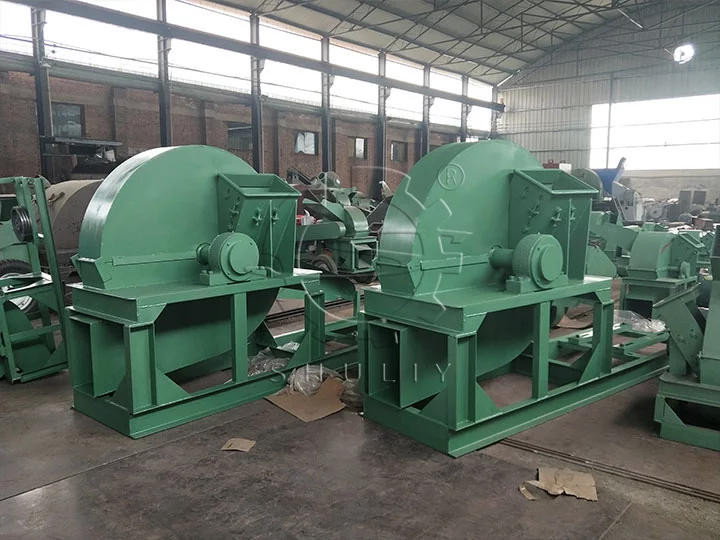
เครื่องทำลายไม้ใช้ในการบดวัตถุดิบ เช่น ท่อนไม้หรือกิ่งก้านให้เป็นอนุภาคขนาดเล็ก
- การทำลายเอกสารที่มีประสิทธิภาพและสม่ำเสมอ ทำให้มั่นใจได้ว่าขนาดวัสดุสม่ำเสมอเพื่อให้เกิดคาร์บอนที่เหมาะสมที่สุด
- การทำงานด้วยความเร็วสูง ประหยัดเวลา และเพิ่มประสิทธิภาพการผลิต
- ความอเนกประสงค์ในการจัดการไม้และวัสดุชีวมวลประเภทต่างๆ
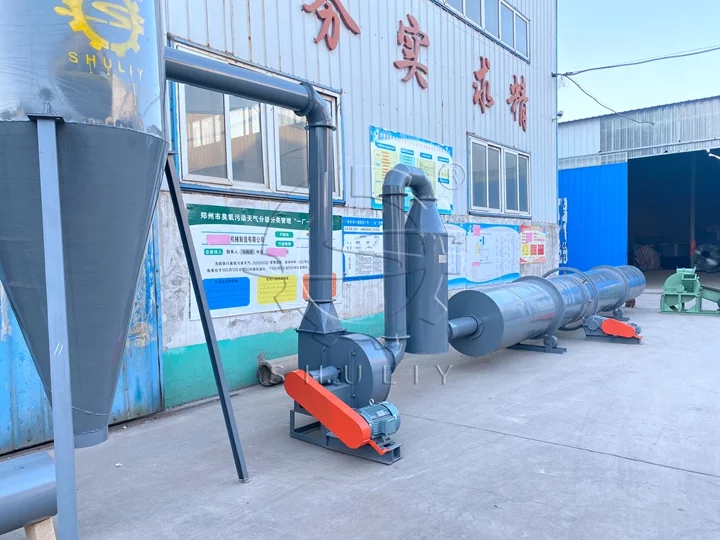
เครื่องอบขี้เลื่อยมีหน้าที่ในการลดความชื้นของวัตถุดิบ
- การอบแห้งอย่างรวดเร็วและสม่ำเสมอ ทำให้มั่นใจได้ว่าวัตถุดิบเหมาะสำหรับการอัดก้อนและการทำให้เป็นคาร์บอน
- การดำเนินงานที่ประหยัดพลังงานช่วยลดต้นทุนการผลิต
- ปรับอุณหภูมิและเวลาในการอบแห้งเพื่อควบคุมปริมาณความชื้นได้อย่างแม่นยำ
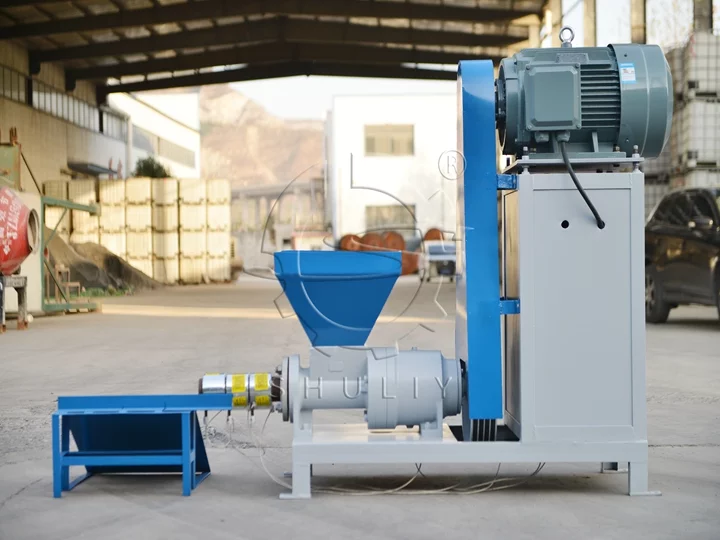
เครื่องอัดก้อนชีวมวลใช้เพื่ออัดวัตถุดิบแห้งให้เป็นก้อนรูปร่างที่ต้องการ
- การผลิตอิฐก้อนที่สม่ำเสมอและสม่ำเสมอทำให้มั่นใจในคุณภาพของผลิตภัณฑ์
- แรงดันและความหนาแน่นสูงในระหว่างการอัดก้อน ส่งผลให้ได้ก้อนอิฐที่มีขนาดกะทัดรัดและทนทาน
- ความอเนกประสงค์ในการทำงานกับวัสดุชีวมวลหลายชนิด ทำให้มีตัวเลือกผลิตภัณฑ์มีความยืดหยุ่น
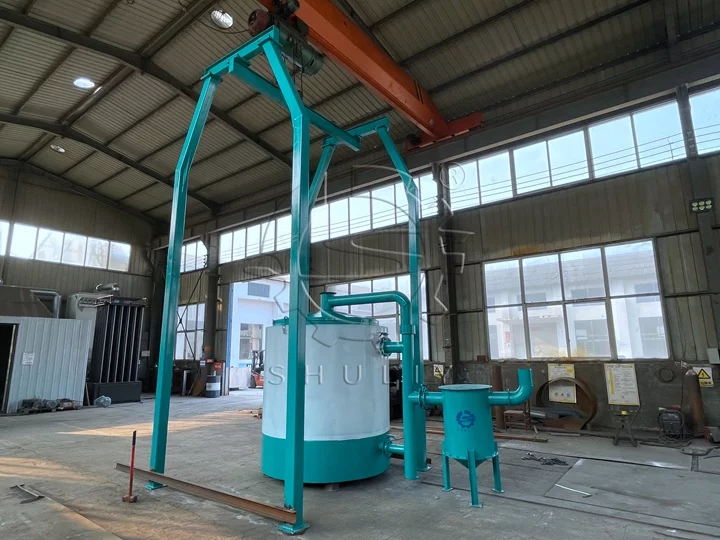
4. เตาถ่าน
เตาถ่านเป็นขั้นตอนสุดท้ายที่ถ่านอัดก้อนจะถูกแปลงเป็นถ่านโดยผ่านกระบวนการคาร์บอไนเซชัน
- ควบคุมความร้อนและการกีดกันออกซิเจนเพื่อให้เกิดคาร์บอนไดออกไซด์อย่างเหมาะสม
- ฉนวนกันความร้อนที่มีอุณหภูมิสูง ช่วยให้เกิดคาร์บอนไดออกไซด์ได้อย่างมีประสิทธิภาพและทั่วถึง
- คุณสมบัติด้านความปลอดภัยและกลไกควบคุมการปล่อยก๊าซเรือนกระจกให้เป็นไปตามมาตรฐานด้านสิ่งแวดล้อม
Charcoal Production Line Equipment List
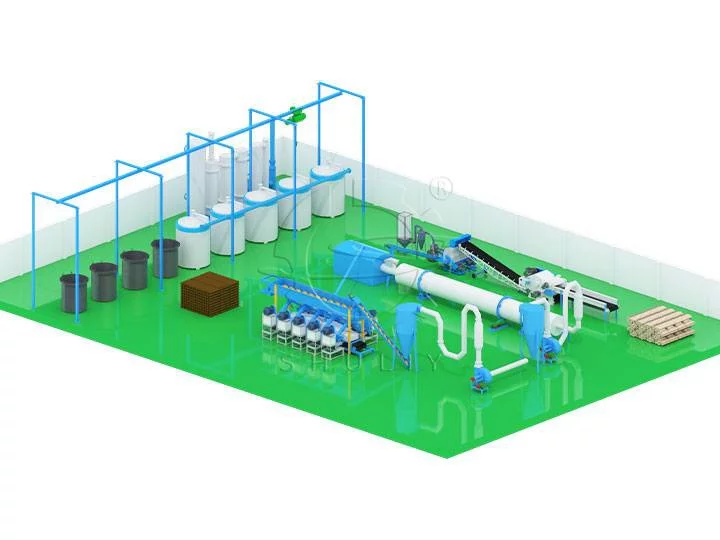
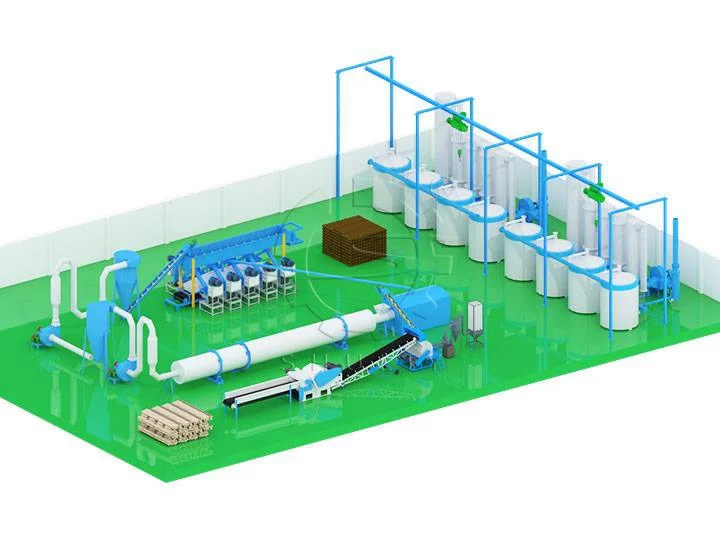
A complete 1 ton/hour charcoal production line includes the following machines:
| อุปกรณ์ | ฟังก์ชัน | พลังงาน (kW) |
|---|---|---|
| Wood sawdust machine (SL-800) | Crushes wood chips and logs into ขี้เลื่อย | 45 + 7.5 |
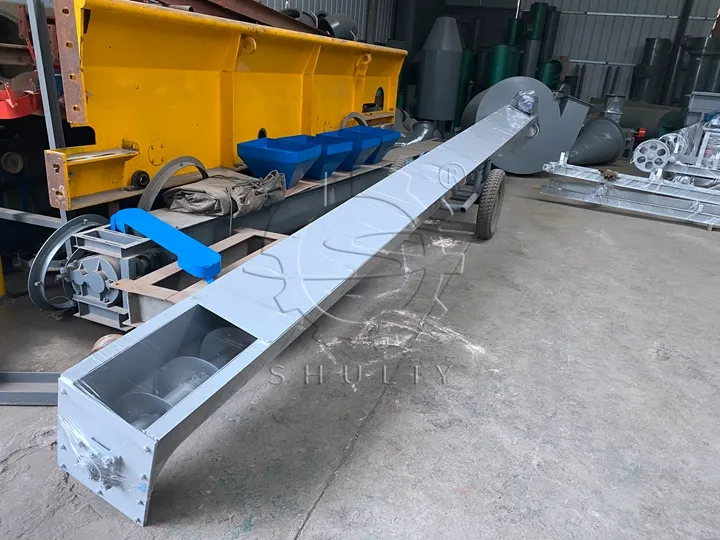
| Screw conveyor (6m) | Transports sawdust to the dryer | 4 |
| Rotary drum dryer (SL-D1000) | Reduces sawdust moisture to 8–12% | 3 + 15 |
| Screw conveyor (4m) | Transports dried sawdust to the feeder | 4 |
| Screw feeder (SL-4) | Distributes sawdust evenly to 4 briquette machines | 5.5 |
| เครื่องอัดก้อนขี้เลื่อย (SL-50) × 4 | Presses sawdust into biomass briquettes | 18.5 × 4 |
| Smoke collector (SL-4) | Collects and purifies smoke from briquetting | 4 |
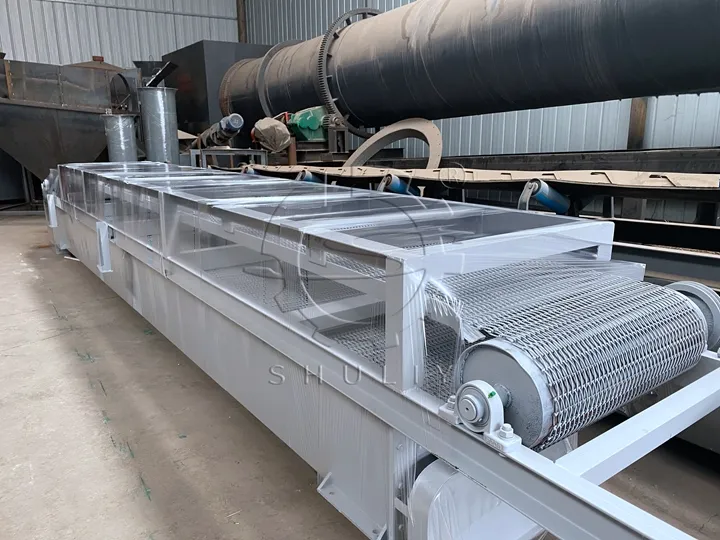
| Belt conveyor | Collects finished biomass briquettes | 1.5 |
| Vertical carbonization furnace × 3 | Carbonizes briquettes into charcoal | 0 (self-sustaining gas) |
- Total working area: 200–300 m².
- Total labor: 3–4 operators per shift.
- Total power (line excluding furnaces): 163.5 kW.
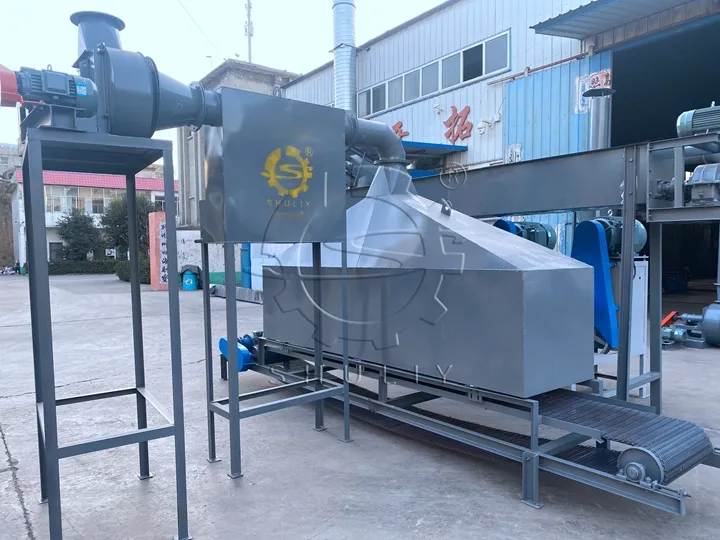
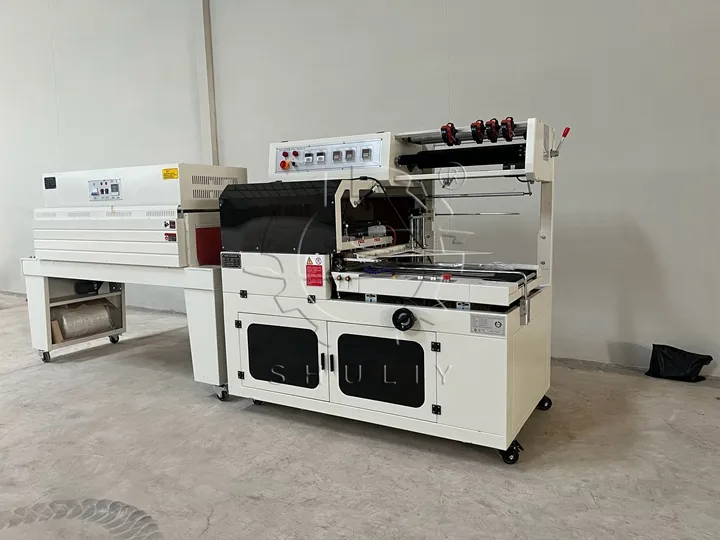
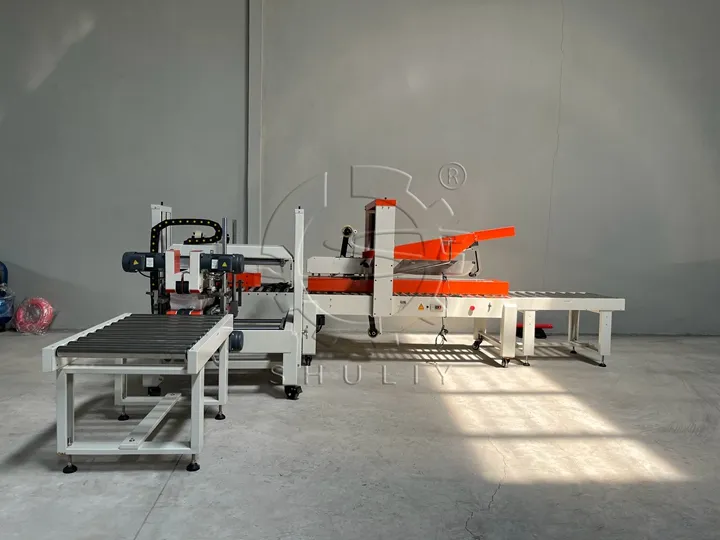
Advantages of The Charcoal Production Line
Wood Sawdust Machine (SL-800)
The crusher is the line’s front end. Its 45 kW copper-core motor handles logs and large branches. An optional large feed inlet accepts tree trunks directly. Spare hammers and screens ship with the machine. Keep hard metals and stones out of the feed opening to protect the blades.
Rotary Drum Dryer (SL-D1000)
The dryer’s 1,000 mm drum runs on 3 kW main power plus a 15 kW fan. Hot air flows through the rotating drum and carries moisture out. The adjustable-speed motor lets you slow the drum for very wet material.
Weight: 2,800 kg.
Sawdust Briquette Machine (SL-50) × 4
Each briquette machine runs on an 18.5 kW national-standard all-copper motor. Key design points:
- 100 cm bearing: more stable feeding and longer bearing life
- U-steel frame: resists deformation under continuous pressure
- Pre-welded screw angle: suits 90% of common raw materials out of the box
- Chromium-manganese alloy mold: extended mold life against abrasive sawdust
The four machines press at the same time. Even if one machine stops for maintenance, the other three keep producing.
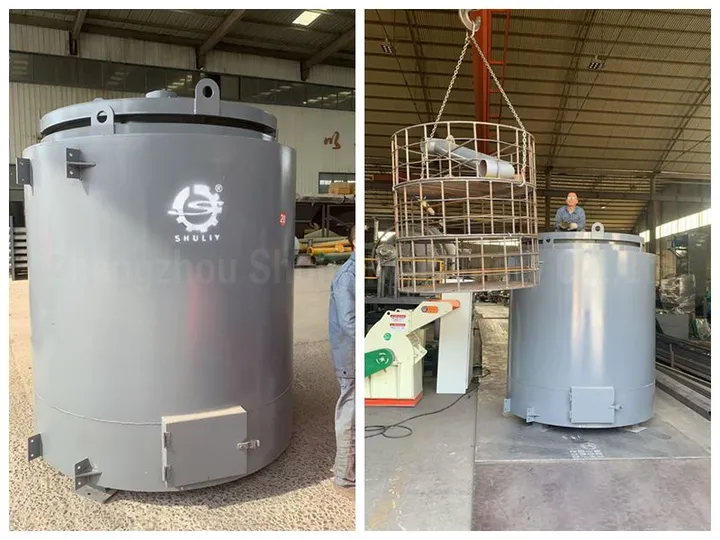
Vertical Carbonization Furnace × 3
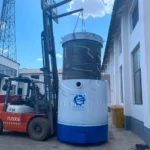
The vertical carbonization furnace is the final value-adding stage. Each furnace includes one outer body and three inner stoves. While one stove carbonizes, another cools, and a third loads. This rotation keeps production continuous.
Key parameters per furnace:
| พารามิเตอร์ | Value |
|---|---|
| Batch cycle | 6–8 hours |
| Daily capacity per furnace | 2.5–3 tons of charcoal |
| Inner stove loading | 2,600–3,000 kg per batch |
| Electricity required | None |
| External fuel after startup | 50–80 kg waste biomass per batch |
The sealed chamber produces uniform, low-smoke charcoal. Optional condensers recover wood vinegar and tar as sellable by-products.
Why Invest in This Charcoal Production Line?
- Briquettes sell for more than lump charcoal. Uniform shape, high density, and long burn time command premium prices in barbecue and export markets.
- No electricity for carbonization. The vertical furnaces recycle their own combustible gases. Your electricity bill only covers crushing, drying, and briquetting.
- Modular investment. Buy 1 briquette machine today, add 3 more when orders grow. No equipment becomes obsolete.
- Low labor demand. 3–4 workers run the entire 1 ton/hour line. Automated conveyors remove manual material handling between stages.
- Turnkey delivery. One supplier provides every machine, the layout drawing, and the wiring plan. No compatibility problems between equipment from different factories.
How to Set Up a Charcoal Processing Plant?
การจัดตั้งโรงงานแปรรูปถ่านจำเป็นต้องมีการวางแผนอย่างละเอียด เริ่มต้นด้วยการวิจัยตลาดและแผนธุรกิจเพื่อทำความเข้าใจความต้องการและการแข่งขัน เลือกสถานที่ใกล้วัตถุดิบและการขนส่ง โดยคำนึงถึงกฎระเบียบด้านสิ่งแวดล้อม ลงทุนในอุปกรณ์ที่จำเป็น เช่น เครื่องทำลายเอกสาร เครื่องอบแห้ง เตาถ่าน และเครื่องจักรบรรจุภัณฑ์
ตรวจสอบให้แน่ใจว่ามีการจัดหาวัตถุดิบอย่างสม่ำเสมอและบำรุงรักษาอุปกรณ์อย่างสม่ำเสมอ ปฏิบัติตามกฎระเบียบท้องถิ่นเพื่อการดำเนินงานที่มีประสิทธิภาพและยั่งยืน พัฒนากลยุทธ์การตลาดและสร้างช่องทางการจัดจำหน่าย ฝึกอบรมพนักงานเกี่ยวกับการทำงานของอุปกรณ์ การควบคุมคุณภาพ และความปลอดภัย ให้กับบุคลากรที่มีทักษะและมีประสิทธิภาพ
เมื่อก่อตั้งโรงงานแล้ว การทำความเข้าใจเกี่ยวกับการใช้ผลิตภัณฑ์ถ่านจะช่วยให้คุณขยายตลาดและช่องทางการขายได้
Charcoal Production Line Application
- การผลิตภาคอุตสาหกรรม ใช้ในอุตสาหกรรมที่ต้องการถ่านสำหรับกระบวนการต่างๆ เช่น โลหะวิทยา การผลิตสารเคมี และการผลิตพลังงาน
- เกษตรกรรมและป่าไม้- เกษตรกรและการดำเนินงานด้านป่าไม้นำไปใช้ในการแปลงของเสียทางการเกษตร เศษไม้ และชีวมวลให้เป็นถ่านเพื่อขายหรือใช้ส่วนตัว
- ใช้ในเชิงพาณิชย์- จ้างโดยสถานประกอบการเชิงพาณิชย์ เช่น โรงงานผลิตและผู้ผลิตถ่าน เพื่อผลิตผลิตภัณฑ์ถ่านเพื่อจำหน่ายทั้งปลีกและส่ง
- โซลูชั่นด้านสิ่งแวดล้อม- นำมาใช้โดยองค์กรด้านสิ่งแวดล้อมและความคิดริเริ่มที่มุ่งเน้นไปที่แนวทางปฏิบัติที่ยั่งยืนและการจัดการของเสีย โดยใช้ขยะชีวมวลสำหรับการผลิตถ่านเพื่อลดผลกระทบต่อสิ่งแวดล้อม
- ภาคพลังงาน- นำไปใช้ในภาคพลังงานเพื่อผลิตถ่านเพื่อเป็นแหล่งพลังงานหมุนเวียน ช่วยให้เกิดความเป็นอิสระด้านพลังงาน และลดการพึ่งพาเชื้อเพลิงฟอสซิล
- การวิจัยและพัฒนา- ใช้ในสถาบันวิจัยและมหาวิทยาลัยเพื่อศึกษาเทคนิคการผลิตถ่าน กระบวนการทำให้เป็นถ่าน และสำรวจการใช้งานใหม่ๆ สำหรับถ่าน
Common Charcoal Production Problems and Solutions
Problem 1: Briquettes crack or break during carbonization.
- Cause: sawdust moisture was too high during pressing.
- Solution: hold dryer output moisture at 8–12% and let hot briquettes cool before loading the furnace.
Problem 2: Dryer cannot keep up with the crusher.
- Cause: raw material is too wet.
- Solution: pre-dry very wet wood in open air for 1–2 days, or reduce crusher feed rate until moisture balance stabilizes.
Problem 3: Briquette machine molds wear fast.
- Cause: sand or stone contamination in sawdust.
- Solution: screen raw material before crushing. Keep chromium-manganese alloy spare molds in stock.
Problem 4: Charcoal output is lower than briquette output.
- Cause: furnaces are the bottleneck.
- Solution: add one vertical carbonization furnace for every 2.5–3 tons of daily briquette production.
Why Choose Shuliy for Your Charcoal Making Plant?
- Complete line from one factory. Shuliy manufactures the crusher, dryer, briquette machines, conveyors, and carbonization furnaces. Every machine is tested together before shipping.
- Layout design included. Send us your workshop dimensions. Our engineers provide a free 2D/3D layout showing machine positions, material flow, and operator stations.
- Wear parts in stock. Hammers, screens, screws, molds, and inner stoves ship within 48 hours. Your line never waits weeks for a spare part.
- 12-month warranty, lifetime support. Machine faults during the warranty period are our responsibility. Technical support continues for the equipment’s entire service life.
- Flexible installation options. Installation is simple enough for self-installation with our manuals and videos. On-site engineer teams are available for full commissioning and operator training.
Get a Custom Charcoal Production Line Quote
This charcoal production line turns wood waste into premium charcoal briquettes at 1 ton per hour. Tell us your raw material type, moisture content, and daily output target. Shuliy engineers will recommend the right number of briquette machines and carbonization furnaces, then send a detailed quotation with a layout drawing and shipping schedule within 24 hours.
คำถามที่พบบ่อย
How much charcoal does 1 ton of briquettes produce after carbonization?
One ton of dried biomass briquettes yields approximately 700–800 kg of finished charcoal in the vertical furnace. The briquettes are already compressed and dried before carbonization, so the yield is much higher than carbonizing raw wood directly.
Can this charcoal production line process coconut shell?
Yes. Coconut shell crushes well in the SL-800 machine. However, coconut shell can also be carbonized directly in the vertical furnace without briquetting. Many buyers run both processes in the same plant.
What happens if my raw material moisture is above 40%?
Material above 40% moisture overloads the dryer and reduces line output. Store very wet material in a ventilated area for several days before processing, or add a second drying pass.
Can I start the line without the carbonization furnaces?
Yes. Some buyers sell raw biomass briquettes directly to carbonization plants or boiler fuel markets first. The furnaces can be added later when you are ready to move into higher-margin charcoal sales.
What power supply does the line need?
The line requires a three-phase industrial supply of approximately 165–180 kW capacity. The carbonization furnaces need no electrical connection. A diesel generator set can run the line in off-grid areas.
How long does installation take?
Self-installation with our drawings typically takes 5–7 days with 3–4 workers. An on-site Shuliy engineer team completes installation, commissioning, and operator training in approximately 3–4 days.
เครื่องทำถ่านบาร์บีคิว | เครื่องกดลูกถ่านหิน
เครื่องทำถ่านบาร์บีคิวสามารถอัดวัตถุดิบที่เป็นผงได้ เช่น…
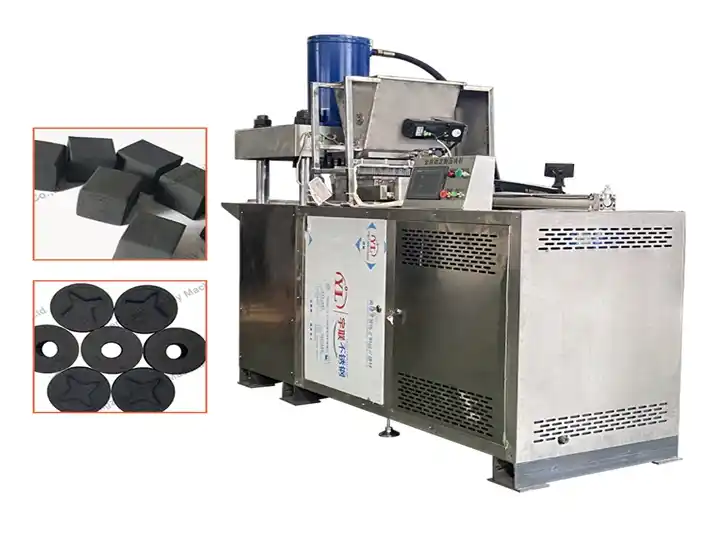
เครื่องถ่าน Shisha สำหรับถ่านมอระกู่ทรงกลมและก้อน
เครื่องทำถ่านชิชาที่ได้รับความนิยมของเราสามารถผลิตถ่านชิชาคุณภาพสูงได้…
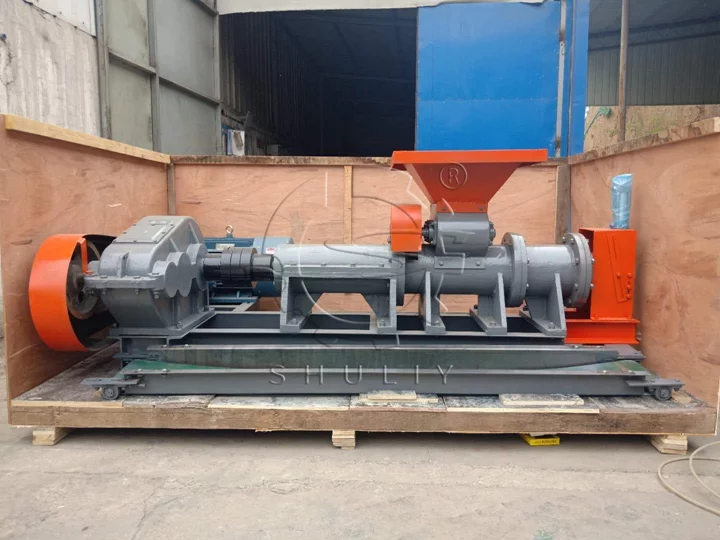
เครื่องอัดก้อนถ่านส่งออกไปยังอิรัก
เมื่อเร็วๆ นี้ เครื่องอัดแท่งถ่านของเราได้ถูกขายสำเร็จ…
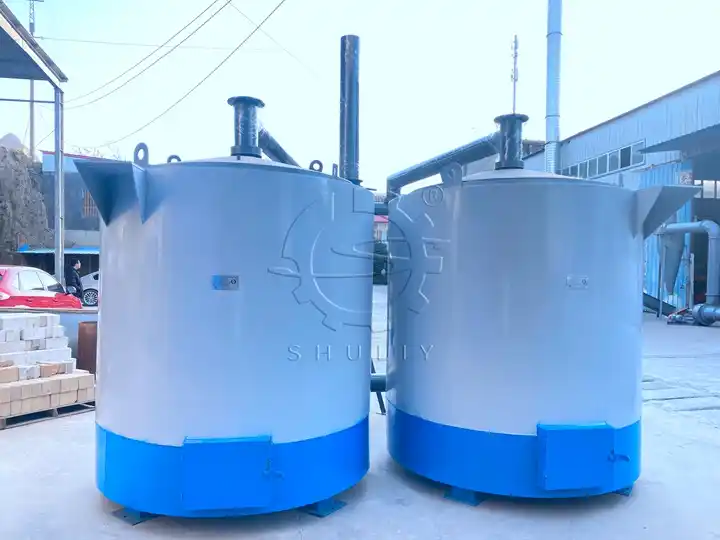
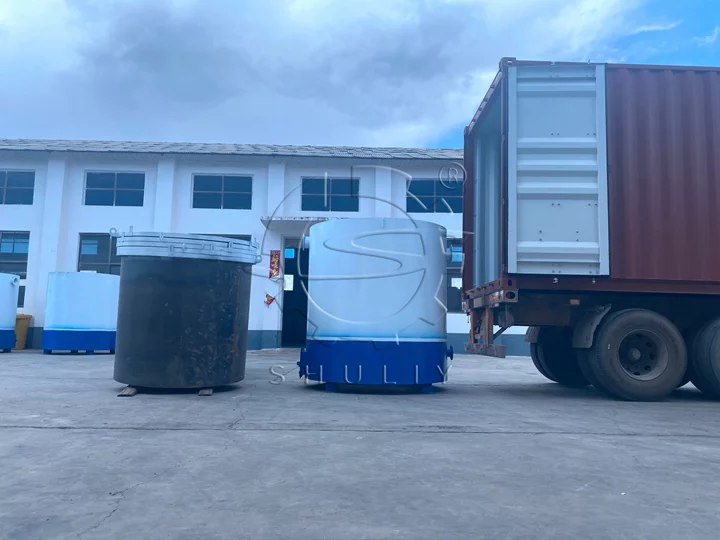
เตาคาร์บอไนเซชันแนวตั้งสองเครื่องถูกส่งไปยังเมียนมา
ข่าวดี! เตาคาร์บอไนซ์แนวตั้งของเราได้ถูกจัดส่งเรียบร้อยแล้ว…
สินค้ายอดนิยม
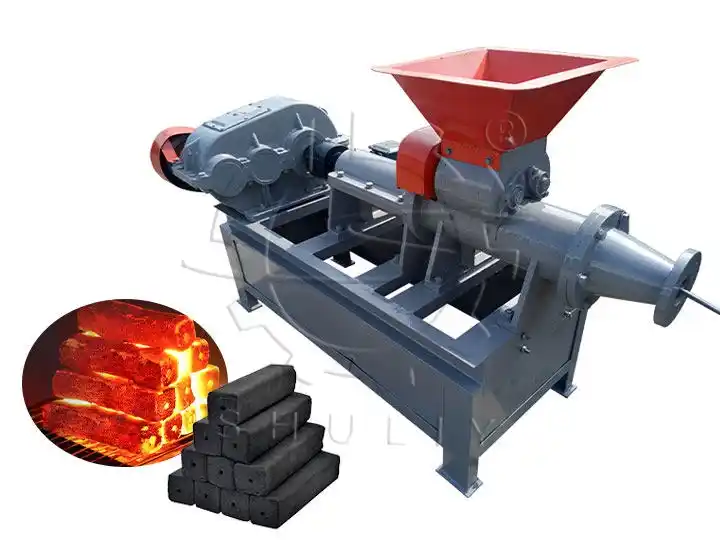
เครื่องอัดก้อนถ่าน | เครื่องอัดรีดถ่าน
เครื่องทำถ่านอัดแท่ง หรือที่รู้จักกันในชื่อ…
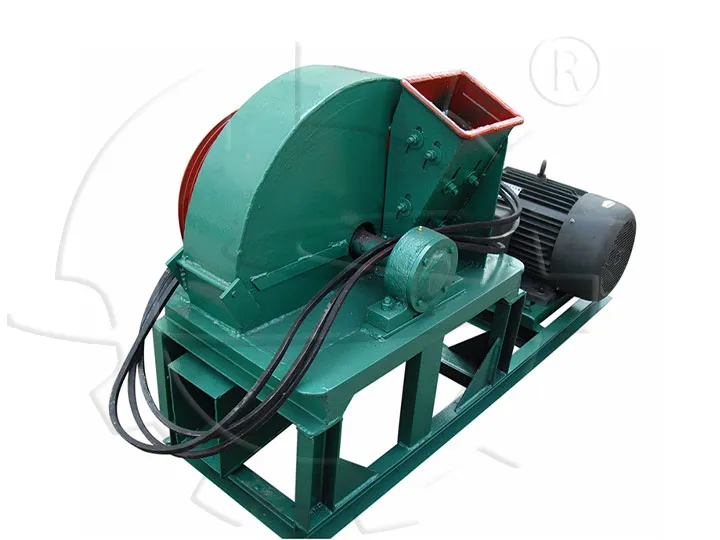
เครื่องไสไม้ | ขี้กบไม้สำหรับปูเตียงสัตว์
เครื่องทำรอบไม้ (Wood Shavings Machine) ตัดและประมวลผลได้อย่างมีประสิทธิภาพ…
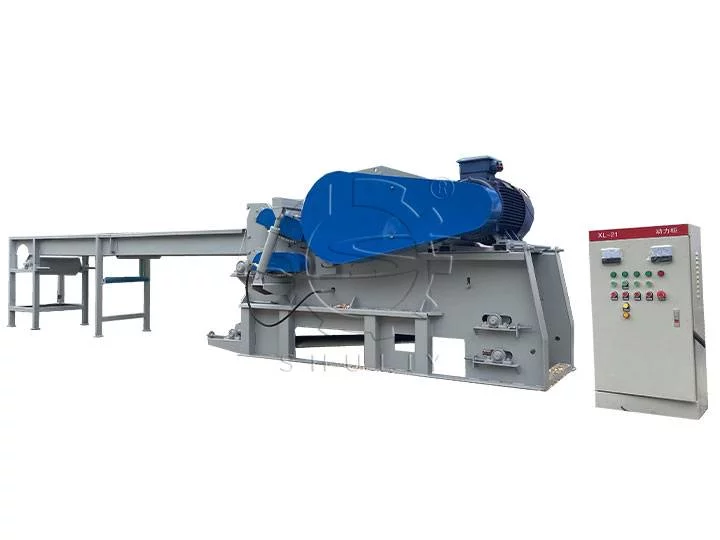
Chipper ไม้สไตล์กลอง
เครื่องสับไม้แบบกลองถูกใช้ใน…
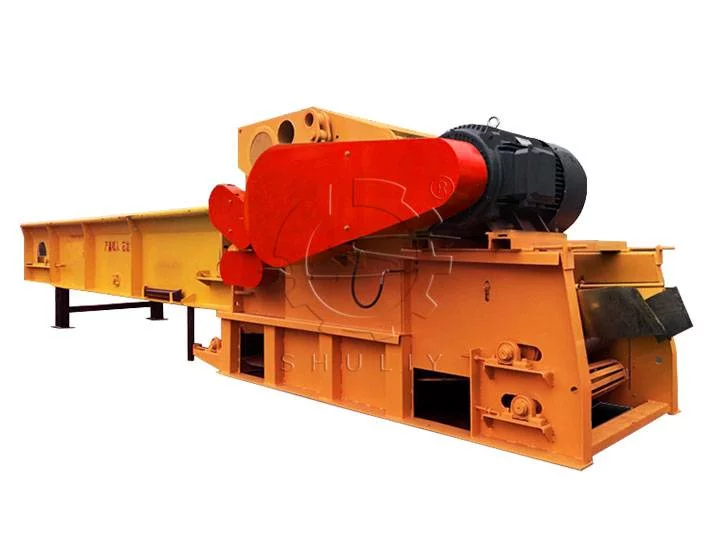
เครื่องบดไม้แบบครบวงจร | เครื่องย่อยพาเลทไม้
เครื่องบดที่ครอบคลุมทั้งหมด มักเรียกว่า a…
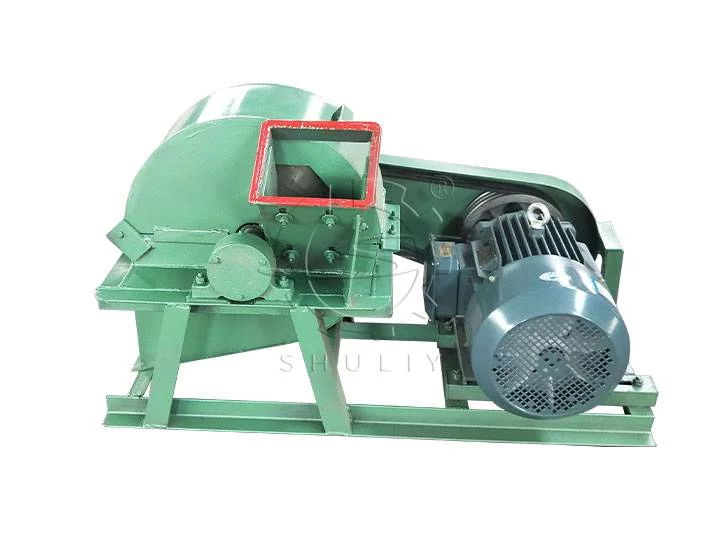
เครื่องบดไม้ | เครื่องทำลายไม้อุตสาหกรรม
เครื่องบดไม้ถูกออกแบบมาเพื่อประมวลผลได้อย่างมีประสิทธิภาพ…
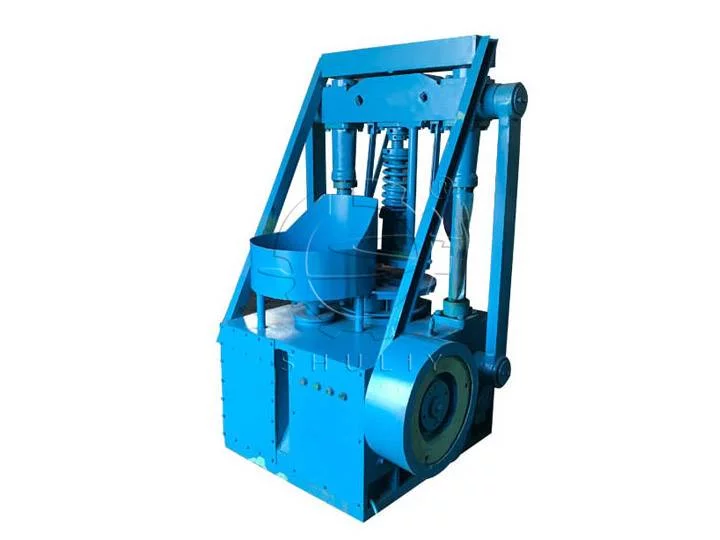
เครื่องอัดก้อนถ่านหิน | เครื่องกดถ่านหินแบบรังผึ้ง
เครื่องอัดถ่านหิน (Coal briquette machine) สามารถผลิตรูปทรงต่างๆและ…
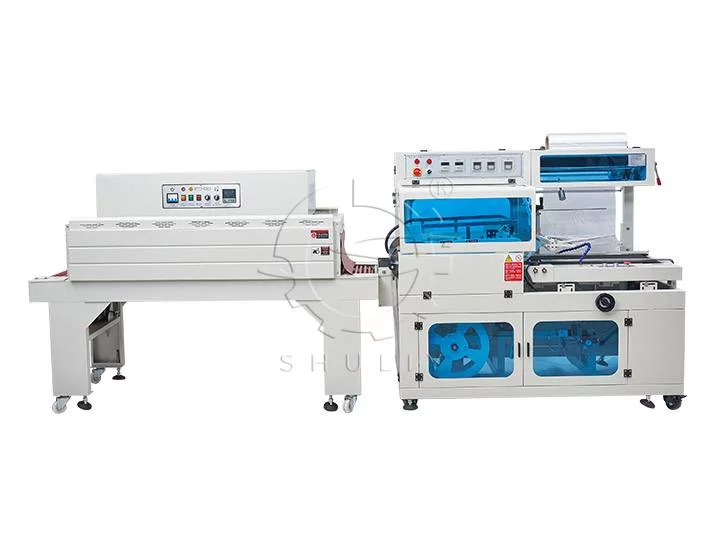
เครื่องบรรจุฟิล์มหดแบบใช้ความร้อน | เครื่องบรรจุถ่านอัดก้อน
เครื่องบรรจุภัณฑ์ฟิล์มหดความร้อนของเรา หรือที่รู้จักกันว่า…
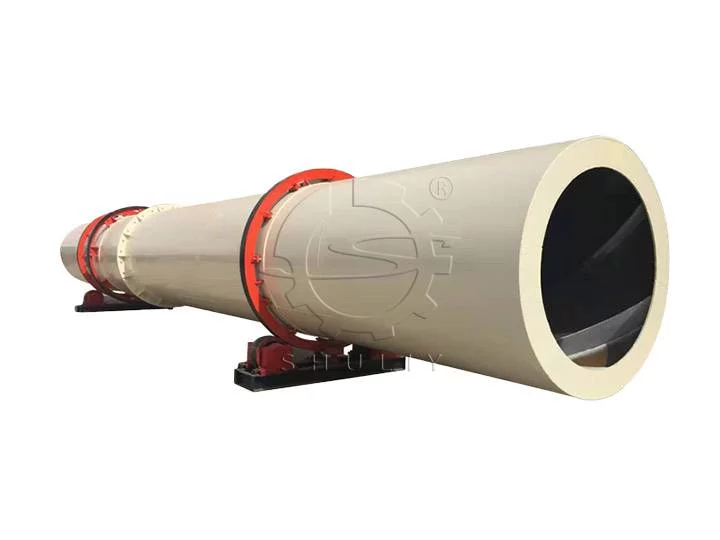
เครื่องอบแห้งแกลบ | ขายเครื่องอบโรตารี
เครื่องอบแกลบข้าวของเรา หรือเครื่องอบแบบหมุน…
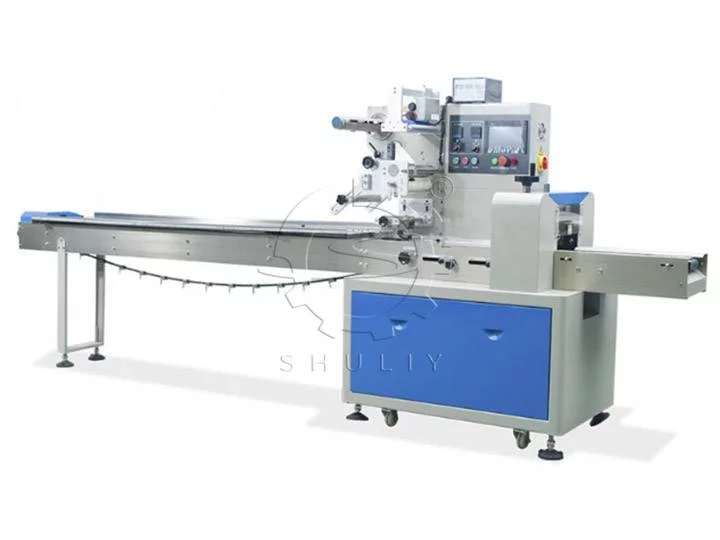
เครื่องบรรจุถ่านชิชา
เครื่องบรรจุถ่านชิชา ของเราเป็นสิ่งสำคัญ…