
สายการผลิตถ่านชิชามอระกู่
สายการผลิตถ่านชิชามอระกู่
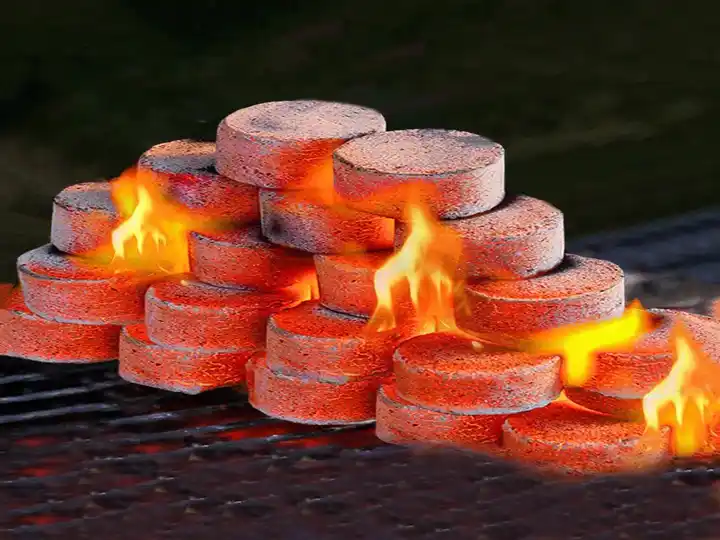
อัน สายการผลิตถ่านมอระกู่ shisha is an integrated system engineered to convert raw biomass materials into premium-grade hookah charcoal briquettes. This complete processing solution typically handles 200–300 kg of finished charcoal per hour, transforming coconut shells, fruitwood, bamboo, and other natural feedstocks into uniform, slow-burning briquettes ideal for Middle Eastern lounges, European cafes, and emerging markets across Africa.
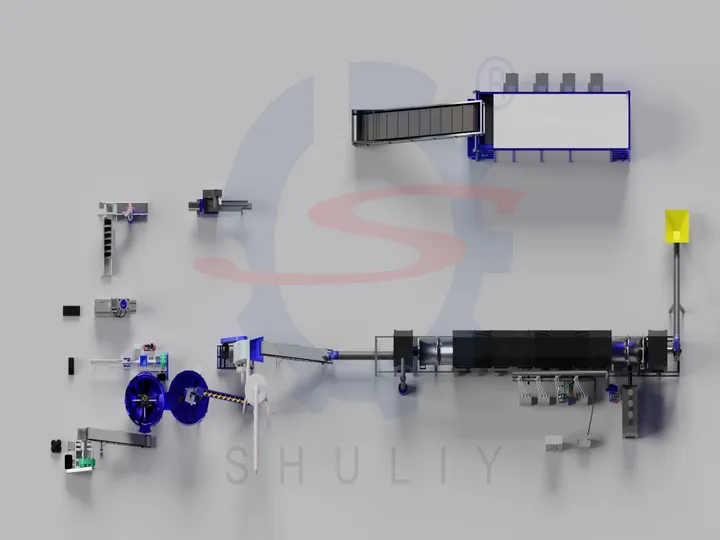
สิ่งที่ทำให้ระบบการผลิตถ่านชูหะกาห์สมัยใหม่แตกต่างคือการทำงานแบบครบวงจร—from การคาร์บอไนซ์เรชันต่อเนื่องไปจนถึงการขึ้นรูปอย่างแม่นยำและการอบแห้งที่ควบคุม—ทุกขั้นตอนถูกปรับให้ได้การออกความร้อนที่สม่ำเสมอ ขี้เถ้าเหลือน้อย และไม่มีกลิ่นสารเคมี—คุณลักษณะที่ผู้ใช้ชูช้อมทั่วโลกต้องการ ไม่ว่าคุณจะเปิดกิจการใหม่หรือขยายการดำเนินงานที่มีอยู่ การลงทุนในสายการผลิตถ่านชูหะกาห์แบบครบวงจรจะรับประกันคุณภาพที่ทำซ้ำได้ในขนาดเชิงพาณิชย์
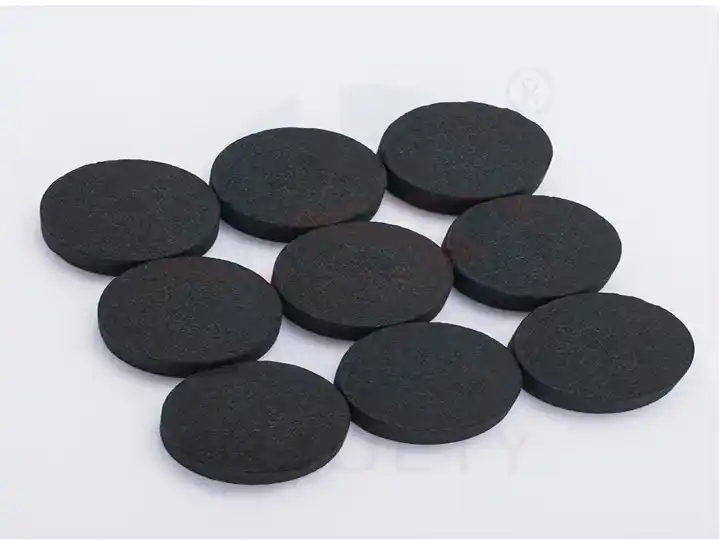
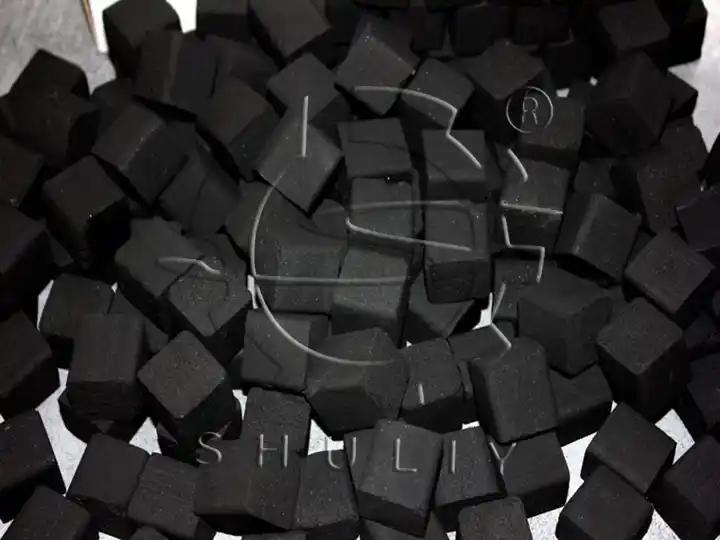
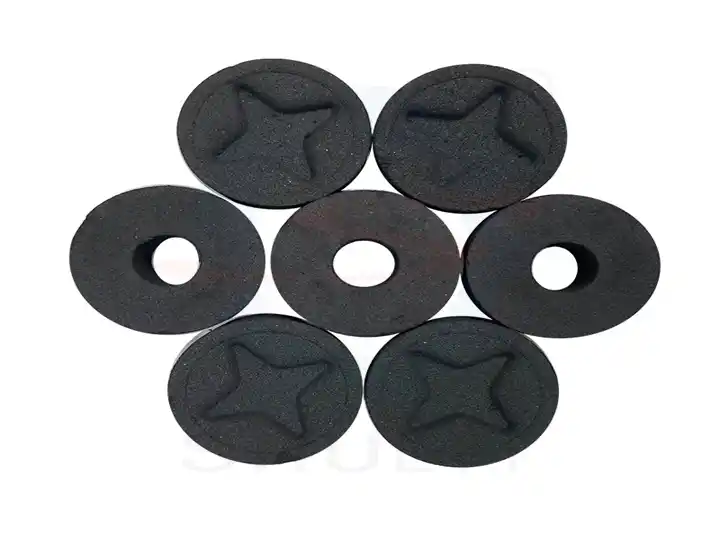
Shuliy Machinery ใช้เวลากว่าสองทศวรรษในการปรับปรุงระบบเหล่านี้ วิศวกรของเราได้ติดตั้งสายผลิต briquette ชูหะกาห์ในกว่า 40 ประเทศ ทำให้เราเข้าใจอย่างถ่องแท้ถึงความแตกต่างของวัตถุดิบ สารตัวประสาน และมาตรฐานการปฏิบัติตามข้อกำหนดในแต่ละภูมิภาคที่ส่งผลต่อความสามารถในการทำกำไรระยะยาว
วัตถุดิบที่เหมาะสมสำหรับการผลิตถ่านชูหะกาห์
Not all biomass performs equally in nargile charcoal production. The best materials feature low ash content, high fixed carbon, and minimal volatiles to ensure clean burning and stable performance.
เปรียบเทียบวัสดุ
| วัสดุ | Yield ของถ่าน | เนื้อไม้ขาว/ Ash content | เวลาการเผา | Notes |
|---|---|---|---|---|
| เปลือกมะพร้าว | สูง (~70%) | Very Low (<3%) | 60–90 นาที | Industry standard; neutral taste, stable burning |
| ไม้ผลไม้ | กลาง–สูง | ต่ำ | 45–75 นาที | กลิ่นหอมละเอียด เป็นที่นิยมในตลาดหรูหรา |
| ไม้ไผ่ | กลาง | ต่ำ–กลาง | 40–60 นาที | ทรัพยากรที่เติบโตอย่างรวดเร็ว มีความเป็นมิตรกับสิ่งแวดล้อม |
| ไม้เนื้อแข็ง | สูง | กลาง | 50–80 นาที | มาตรฐานอุตสาหกรรม: รสชาติเป็นกลาง เผาเสถียร |
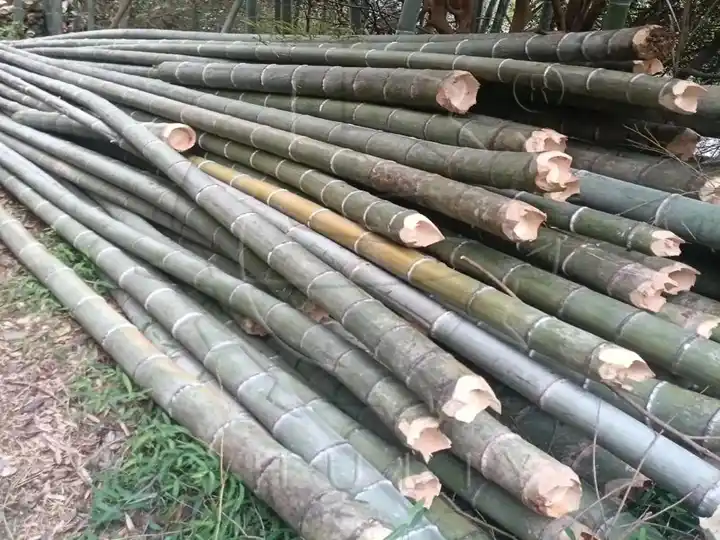
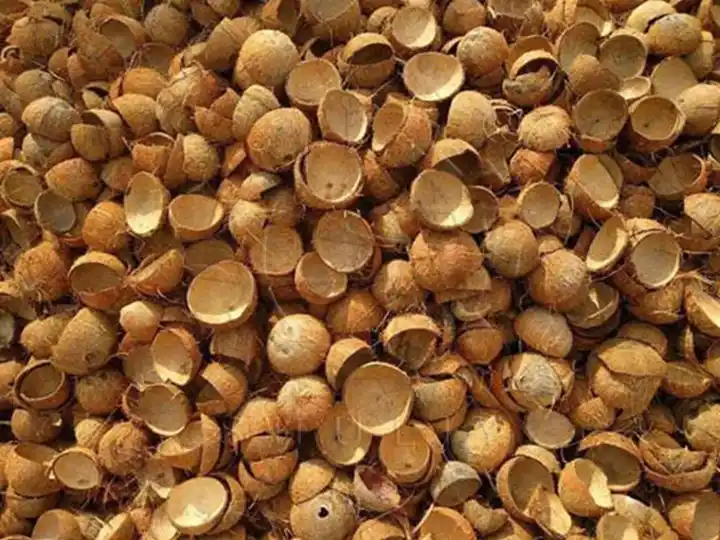
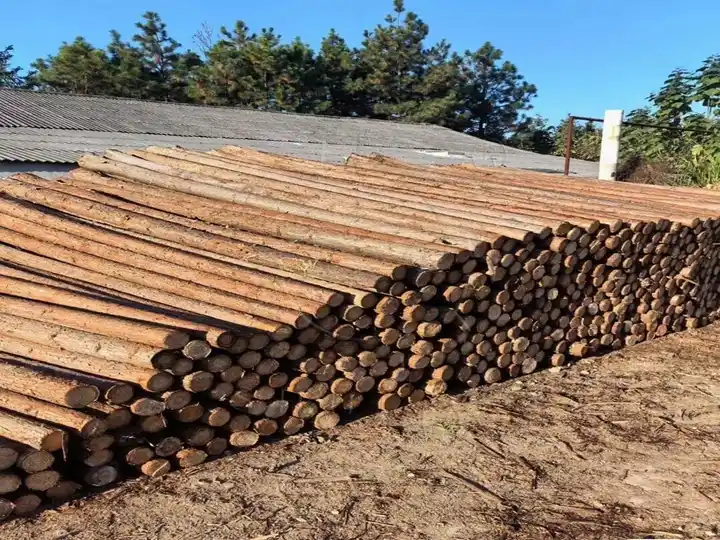
Key Insight
ถ่านเปลือกมะพร้าวยังคงเป็นวัตถุดิบที่ต้องการมากที่สุดเนื่องจากโครงสร้าง por ตามธรรมชาติ ซึ่งทำให้การไหลเวียนอากาศเป็นไปอย่างสม่ำเสมอและการเผาให้เสถียร
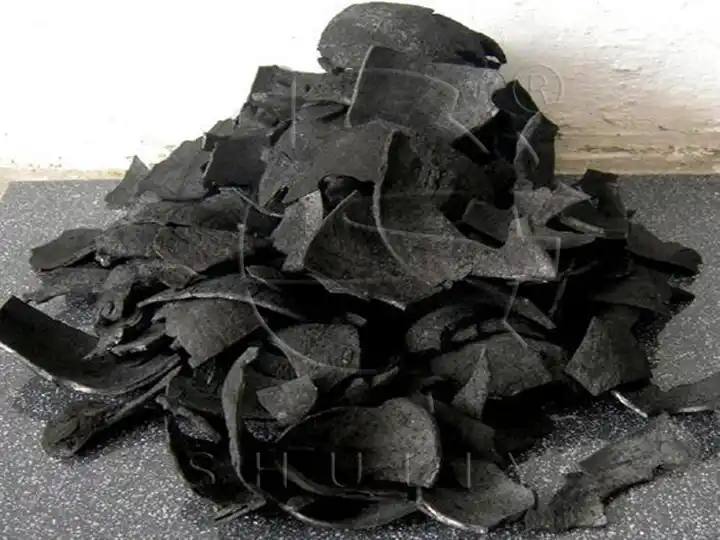
อย่างไรก็ตาม การเลือกวัตถุดิบมักขึ้นอยู่กับความพร้อมใช้งานและต้นทุนในพื้นที่ การผสมวัสดุต่างๆ และการปรับอัตราส่วนของตัวประสานสามารถช่วยให้ได้คุณภาพที่มั่นคงและ briquettes ที่พร้อมจำหน่ายในตลาด
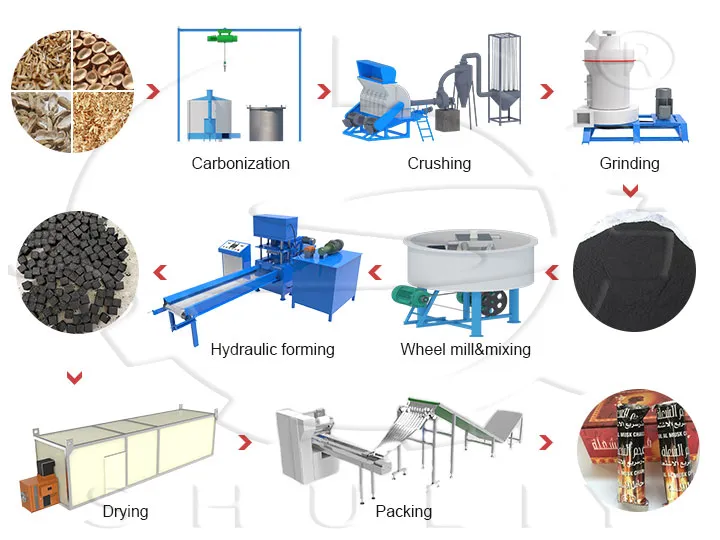
การทำความเข้าใจว่าสายการประมวลผลถ่านชูหะกาห์ทำงานอย่างไรช่วยให้ผู้ปฏิบัติงานแก้ปัญหาคอขวดและเพิ่มผลผลิตด้าน yield ด้านล่างคือเวิร์กโฟลว์มาตรฐานที่ Shuliy ตั้งค่าให้สำหรับโรงงานเชิงพาณิชย์ขนาดกลาง
กระบวนการทั้งหมดของสายผลิตภัณฑ์ถ่านชูหะกาห์
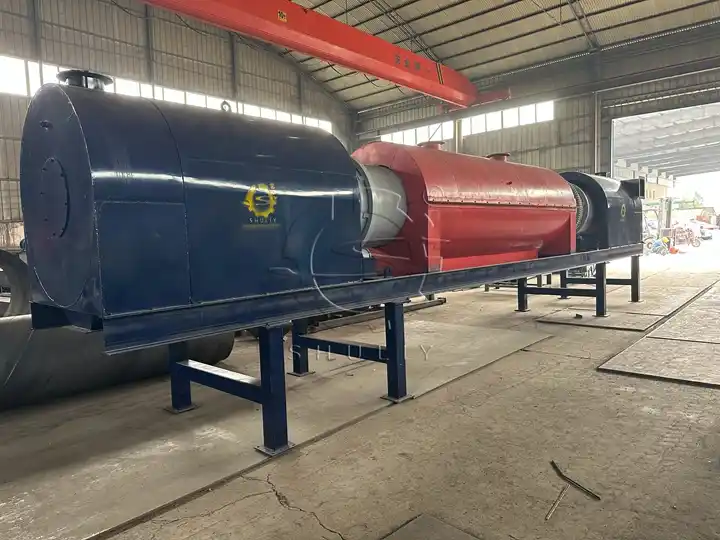
Continuous Carbonization
- วัตถุดิบที่ผ่านการเตรียมเข้าสู่เตาคาร์บอไนซ์เรชันต่อเนื่องที่ทำงานด้วยอุณหภูมิสูงที่ควบคุมภายใต้สภาวะที่มีออกซิเจนจำกัด ขั้นตอนนี้ระเหยความชื้นและก๊าสไวไฟ ปล่อยให้ถ่านที่ผ่านการคาร์บอไนซ์มีปริมาณคาร์บอนคงที่สูงขึ้น ออกแบบต่อเนื่องช่วยขจัดความแปรผันระหว่างชุดและรองรับการทำงานตลอด 24 ชั่วโมง
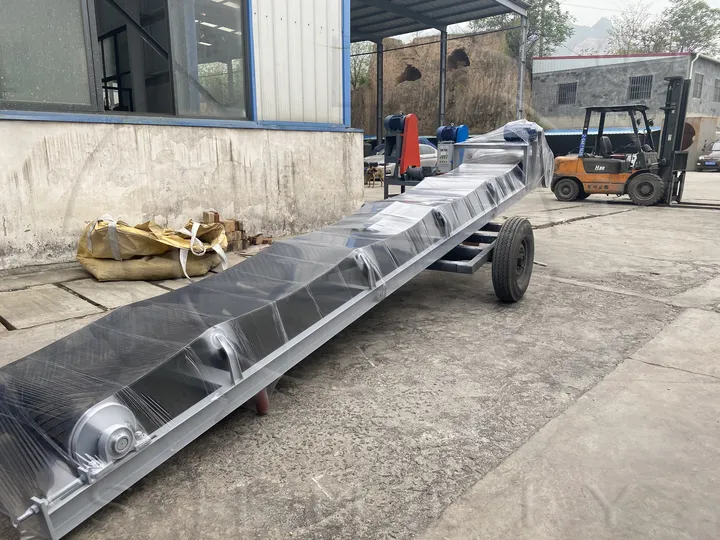
Charcoal Conveying
- สายพานลำเลียงเป็นตัวพาเนื้อหาถ่านที่ผ่านการคาร์บอไนซ์ไปยังสถานบดโดยอัตโนมัติ ช่วนลดการจัดการด้วยมือ ป้องกันฝุ่น และรักษาอัตราการผลิตให้เสถียร
Charcoal Crushing
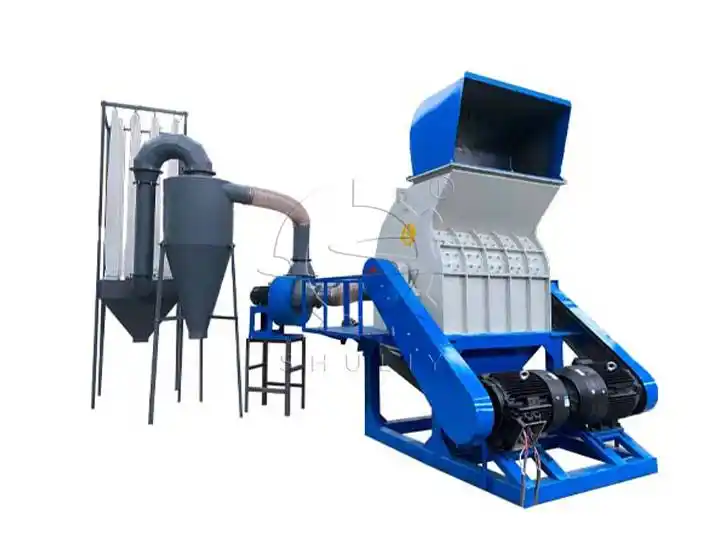
- เครื่องบดค้อนหรือตัวบดถ่านที่ทำให้ชิ้นถ่านที่คาร์บอไนซ์แล้วแตกเป็นเม็ดเล็กหรือผงหยาบ ขนาดอนุภาคที่ออกมาปรับให้เป็น 1–10 มม. เพื่อเตรียมวัสดุสำหรับการบดละเอียด
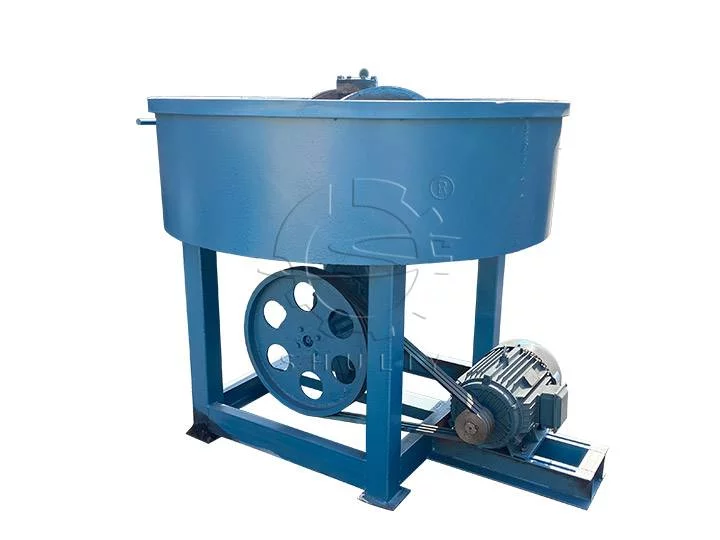
Fine Grinding & Densification
- เครื่องบดล้อหรือมิลโรลบดถ่านให้ละเอียดยิ่งขึ้น ทำให้ปริมาณเส้นใยถ่านแน่นขึ้นและพลาสติกมากขึ้น ขั้นตอนนี้มีความสำคัญต่อความแข็งแรงของ briquette หากบดไม่ละเอียดพอจะเกิดการcrumble ขณะกดและขนส่ง
Binder Mixing
- ผงถ่านที่บดละเอียดเข้าสู่เครื่องผสมแบบแนวนอนที่รวมกับสารตัวประสานธรรมชาติ (มักเป็นมันสำปะหลังหรือแป้งข้าวโพด) และน้ำ การกระจายอย่าง uniform ป้องกันการเกิดร้าวภายในและ ensures การฉีดขึ้น-ลงหรือการกดในขั้นตอนถัดไปได้อย่างราบรื่น
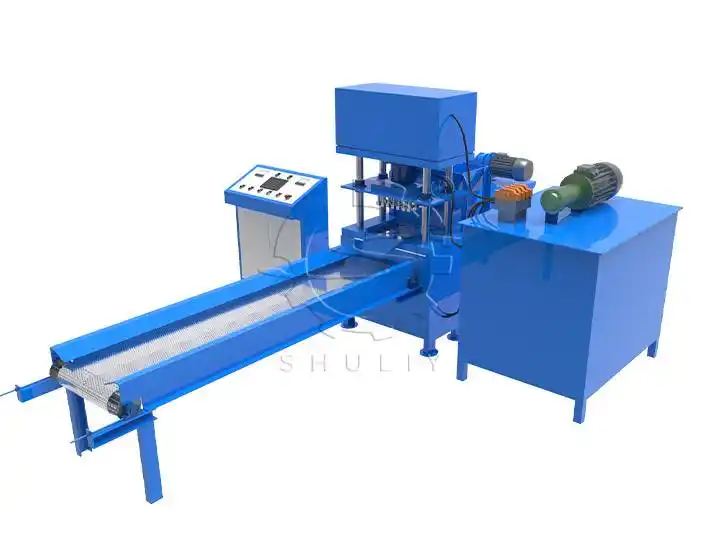
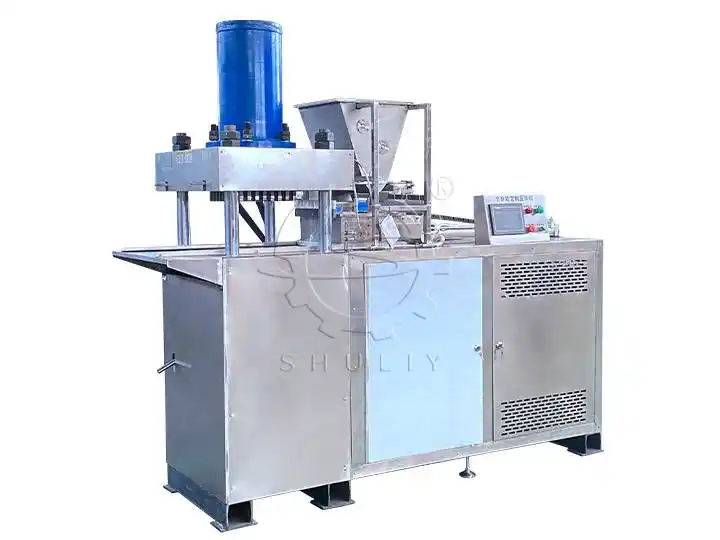
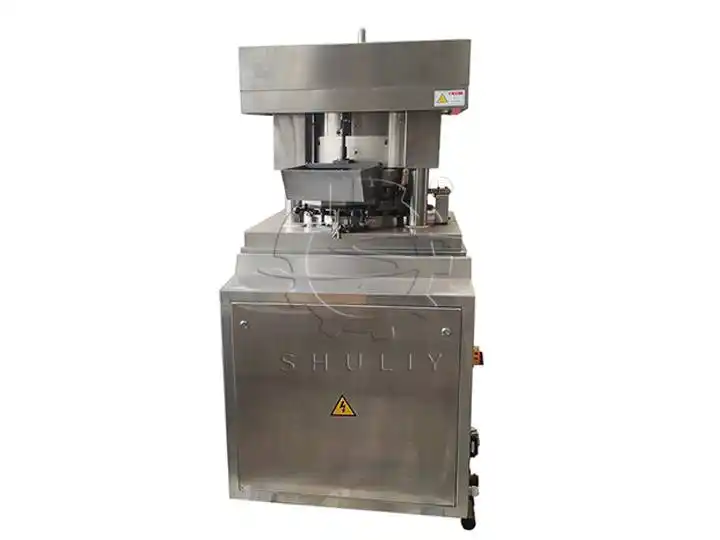
Briquette Molding
- ส่วนผสมที่เตรียมไว้จะเข้าสู่เครื่องอัดถ่านชูหะกาห์—ไม่ว่าจะเป็นแบบไฮดรอลิค ถ่านโลหะหมุน หรือชนิดสี่เหลี่ยมสเตนเลส—ขึ้นอยู่กับรูปร่างเป้าหมาย รุ่นยอดนิยมประกอบด้วย 25 มม., 33 มม., 40 มม. แท็บเล็ตกลม และ 20×20×20 มม. และ 25×25×25 มม. ก้อนสี่เหลี่ยม
Controlled Drying
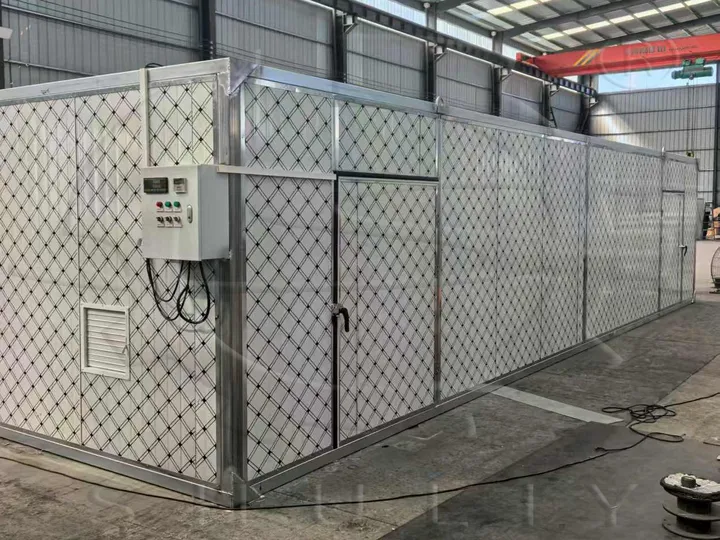
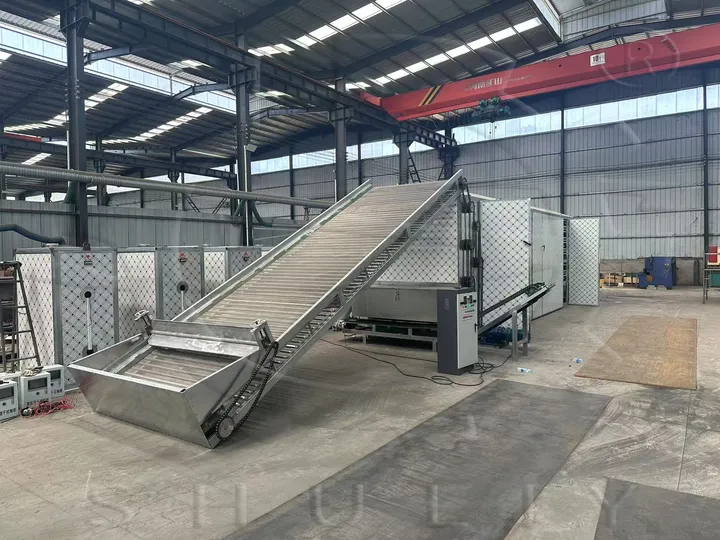
- briquettes ที่ถูก molding ใหม่มีความชื้นส่วนเกินที่ต้องลดก่อนการบรรจุ โรงงานอาจใช้ห้องอบแห้งแบบชุดหรือเครื่องอบแห้งแบบตาข่ายต่อเนื่อง การอบแห้งด้วยอุณหภูมิต่ำ (โดยทั่วไปต่ำกว่า 80 °C) ช่วยรักษโครงสร้างและป้องกันรอยแตกลายบนพื้นผิว
บรรจุภัณฑ์
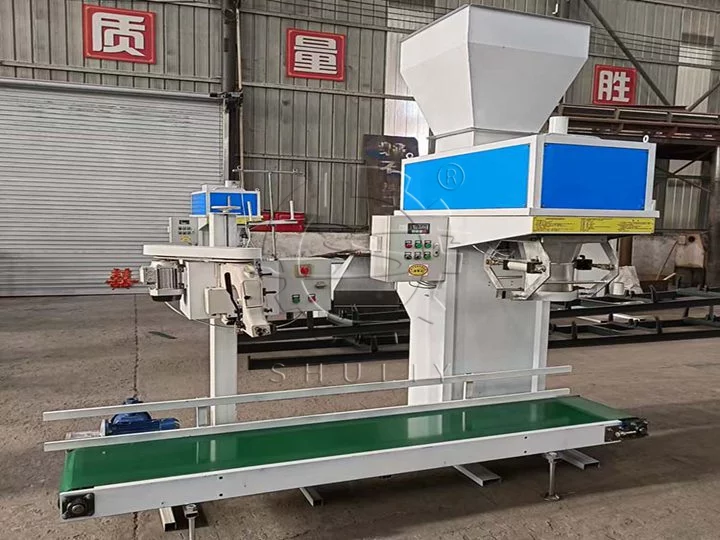
- เครื่องบรรจุถ่าน briquettes ที่ออกแบบสำหรับชั่ง มัด และซีลผลิตภัณฑ์ที่เสร็จแล้ว เพื่อเตรียมจำหน่ายปลีกหรือส่งออก
ลูกค้าจำนวนมากจำเป็นต้องเริ่มกระบวนการผลิตด้วยการบดไม้และบดเปลือกมะพร้าว นอกจากนี้เรายังมีเครื่องบดไม้ที่สอดคล้องกัน

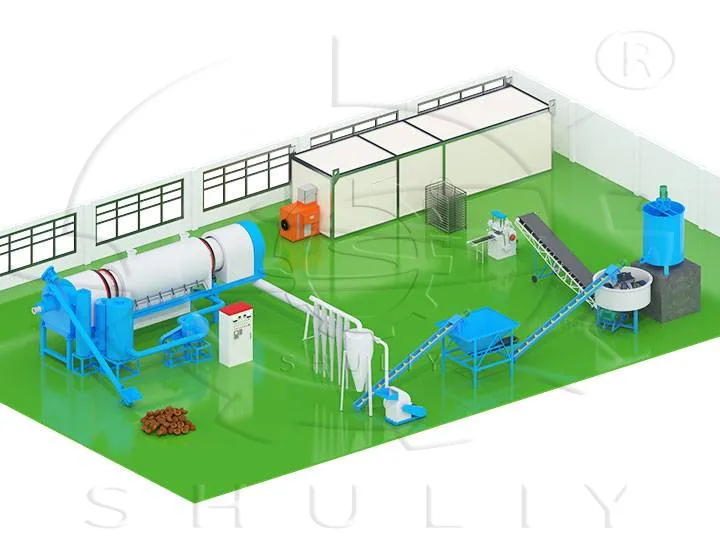
อุปกรณ์หลักในสายการผลิตถ่านชูหะกาห์
แต่ละเครื่องในสายผลิตภัณฑ์ถ่านชูหะกาห์ถูกเลือกเพื่อความเข้ากันได้และความทนทาน ต่อไปนี้เป็นภาพรวมสั้นๆ ของหน่วยหลักที่ Shuliy จัดหา
| อุปกรณ์ | แบบอย่าง | พารามิเตอร์สำคัญ | บทบาทในสายการผลิต |
|---|---|---|---|
| เตาถ่านแบบต่อเนื่อง | ซีรีส์ SL-CF | ~200 กก./ชม. การผลิตถ่าน | การเปลี่ยนความร้อนหลัก; การคาร์บอไนซ์เรชันที่สม่ำเสมอ |
| สายพานลำเลียง | ซีรีส์ SL-BC | ความกว้างสายพาน 500 มม., กำลัง 3 กวัตต์ | การขนส่งวัสดุระหว่างสถานี |
| เครื่องบดถ่าน | ซีรีส์ SL-CR | 22 กิโลวัตต์, 500 กก./ชม | ลดขนาดให้เหลือ 1–10 มม. |
| สายพานลำเลียงแบบสกรู | ซีรีส์ SL-SC | เส้นผ่านศูนย์กลาง 219 มม. กำลัง 3 กวัตต์ | การจ่ายผงอย่างเสถียรสู่เครื่องผสม |
| เครื่องบดล้อหมุน | ซีรีส์ SL-WG | 7.5 กวัตต์, 500–800 กก./ชม | บดละเอียดและทำให้แน่นมากขึ้น |
| เครื่องผสมแนวตั้ง | ซีรีส์ SL-MX | ความเร็วตัวแปร, 5.5 กิโลวัตต์ | การผสมตัวประสานอย่างสม่ำเสมอ |
| เครื่องอัดถ่านหินสำหรับชูคาห์ | — | 42–44 ชิ้น/รอบ หรือ 21,000 ชิ้น/ชม | การกด briquette ด้วยความกดสูง |
| เครื่องอบแห้งแบบสายตาข่าย / ห้องอบแห้ง | ซีรีส์ SL-DR | อุณหภูมิที่ปรับได้ หมุนเวียนด้วยพัดลม | การลดความชื้นให้เหลือ <8% |
| เครื่องบรรจุกากถ่านไม้ | ซีรีส์ SL-CP | การชั่งน้ำหนักและการซีลอัตโนมัติ | บรรจุภัณฑ์พร้อมขาย |
Note:
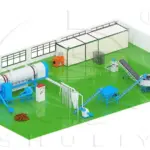
All motors and electrical components can be customized to match local voltage and frequency. Layout design can be tailored based on your factory space.
ข้อดีหลักของระบบการผลิตถ่านบุหรี่ชูหะกาห์ของ Shuliy
การเลือกอุปกรณ์การผลิตถ่านชูหะกาห์ที่เหมาะสมมีอิทธิพลต่อทุกอย่างตั้งแต่ความสม่ำเสมอของผลิตภัณฑ์จนถึงเวลาหยุดบำรุงรักษ ระบบ Shuliy ได้ออกแบบโดยมีลำดับความสำคัญดังนี้:
- การกำหนดค่ามอดูลาร์: เริ่มต้นด้วยชุดคาร์บอไนซ์เรชันและการกดพื้นฐาน จากนั้นเพิ่มสายพานลำเลียง บรรจุภัณฑ์อัตโนมัติ หรือเครื่องอบแห้งเป็นชุดเสริมเมื่อความต้องการเติบโต
- ประสิทธิภาพการใช้พลังงาน: การออกแบบเตาอย่างต่อเนื่องสามารถกู้คืนก๊าซที่ติดไฟออกมาช่วยเพิ่มความร้อน ลดการใช้น้ำมันภายนอก
- การควบคุมความหนาแน่น briquette: แม่พิมพ์ความแม่นยำและการตั้งค่าความกดดันที่ปรับได้ช่วยให้คุณปรับความแข็งและอัตราการเผาให้เข้ากับกลุ่มตลาดต่างๆ
- พื้นผิวสัมผัสที่กินได้จากอาหาร: ตัวเลือกสแตนเลสบนเครื่องผสมและเครื่องอัดก้อนตอบสนองมาตรฐานสุขอนามัยสำหรับตลาดส่งออกชั้นพรีเมียม
- การสนับสนุนเทคนิคระยะไกล: ทีมบริการหลายภาษาของเรามีการแก้ปัญหาผ่านวิดีโอคำแนะนำและจัดส่งชิ้นส่วนอะไหล่ฉุกเฉินอย่างรวดเร็ว
คุณคาดหวังผลตอบแทนอะไรจากธุรกิจถ่านชูหะกาห์?
ตลาดถ่านชูหะกาห์ทั่วโลกยังเติบโตอย่างต่อเนื่องด้วยอัตราการเติบโตทบทบาทมากกว่า 5% ต่อปี ขับเคลื่อนด้วยวัฒนธรรมสังคม-ห้องนั่งเล่นในรัฐกลาฟส์ อาฟริกาเหนือ และยุโรปตะวันตก สายการผลิต briquette ถ่านชูหะกาห์ที่ดำเนินการอย่างดีให้บริการร้านกาแฟในท้องถิ่น ผู้ส่งออก หรือเครือข่ายซูเปอร์มาร์เก็ตสามารถคืนทุนเริ่มต้นภายใน 12–24 เดือน หากมีการจัดหาวัตถุดิบที่มั่นคงและการบริหารค่าใช้จ่ายของตัวประสานอย่างเหมาะสม
ความทำกำไรขึ้นกับสามกลเม็ด:
- ต้นทุนการจัดหาวัตถุดิบ — ความใกล้ชิดกับศูนย์ Processing มะพร้าว หรือโรงเลื่อยส่งผลกระทบต่อกำไรอย่างมาก
- สัดส่วนตัวประสานต่อถ่าน—สูตรที่ปรับปรุงลดต้นทุนตัวประสานโดยไม่ลดความสมบูรณ์ของ briquette
- ระดับอัตโนมัติของการผลิต—การลงทุนล่วงหน้าสูงในการลำเลียงและบรรจุภัณฑ์ช่วยลดค่าแรงต่ากิโลกรัมเมื่อเวลาผ่านไป
Shuliy ใช้การคำนวณ ROI เบื้องต้นโดยอิงอัตราค่าไฟฟ้าในท้องถิ่น ต้นทุนแรงงาน และราคาขายเป้าหมาย ส่ง params โครงการของคุณเพื่อการพยากรณ์ทางการเงินที่กำหนดเอง
หลังการขายบริการ & การสนับสนเทคนิค
สายการผลิตถ่านชูหะกาห์เป็นสินทรัพย์ระยะยาว Shuliy รองรับการติดตั้งทุกครั้งด้วย:
- การกำกับติดตั้ง: การซ้อมใช้งานที่หน้างานหรือระยะไกลเพื่อความถูกต้องในการประกอบและการสอบเทสรอบแรก
- การฝึกอบรมผู้ปฏิบัติงาน: คำแนะนำเชิงปฏิบัติเกี่ยวกับขั้นตอนเริ่มต้น การบำรุงรักษาประจำ และขั้นตอนฉุกเฉินในการ shutdown.
- รับประกันหนึ่งปี: ครอบคลุมทั่วถึงในส่วนประกอบกล механical และไฟฟ้าต่อการชำรุดในการผลิต
- การจัดหาชิ้นส่วนอะไหล่ตลอดอายุการใช้งาน: อะไหล่ทนทานที่เป็น OEM—dies, ม่านแบบมอลล์, ใบมีดผสม—ส่งทั่วโลกรวมถึงภายใน 72 ชั่วโมง
- สายด่วนเทคนิค 24/7: วิศวกรหลายภาษาให้บริการผ่านวิดีโอคอล อีเมล หรือแพลตฟอร์มข้อความ
คำถามที่พบบ่อย
ฉันจะใช้ไม้สักแข็งอย่างเดียวแทนnya เปลือกมะพร้าวได้ไหม?
ใช่ แต่คาดว่าเนื้อหาผงถ่านจะมี ash สูงขึ้นเล็กน้อย และเวลาการเผาจะสั้นลง เราแนะนำการผสมถ่านไม้แกร่งกับถ่านฝังรวง (โดยปกติ 30:70) เพื่อสมดุลระหว่างต้นทุนและสมรรถนะ
สารตัวประสานไหนที่ปลอดภัยที่สุดสำหรับถ่านชูหะกาห์?
แป้งมันสำปะหลังหรือแป้งข้าวโพดที่ผ่านการกินได้ใช้กันอย่างแพร่หลาย หลีกเลี่ยงสารตัวประสานสังเคราะห์ที่สามารถปล่อยฝุ่นพิษในระหว่างการจุดติดไฟ
ต้องการพื้นที่เท่าไรสำหรับสายผลิตทั้งหมด?
โครงร่างมาตรฐาน 200 กก./ชม ต้องการพื้นที่ประมาณ 300–400 ม² รวมพื้นที่จัดวางวัสดุ ผลิตภัณฑ์ การอบแห้ง และการบรรจุ เราสามารถออกแบบผังพื้นที่กะทัดรัดสำหรับช่างไม้ขนาดเล็กได้
เตาคาร์บอไนซ์เรชันเป็นมิตรกับสิ่งแวดล้อมหรือไม่?
เตาเผาแบบต่อเนื่องของ Shuliy มีห้องเผากลับที่เผาก๊าซ pyrolysis เพื่อ ลดการปล่อยควันและกลิ่นออกสู่ระดับที่เป็นที่ยอมรับในหลายประเทศ
สายเดียวกันสามารถผลิต briquettes ทั้งรูปทรงกลมและทรงสี่เหลี่ยมได้หรือไม่?
ด้วยแบบแม่พิมพ์ที่เปลี่ยนได้ และในบางกรณีมีเครื่องกดรอง คุยกับวิศวกรฝ่ายขายของเราเพื่อเลือกชุดเครื่องที่คุ้มค่าที่สุดในการใช้งาน
คำแนะนำเกี่ยวกับอุปกรณ์ที่เกี่ยวข้อง
เพื่อสร้างสายการผลิตถ่านชูหะกาห์ที่ครบวงจรอย่างแท้จริง ลองดูเครื่องจักรเสริมเหล่านี้:
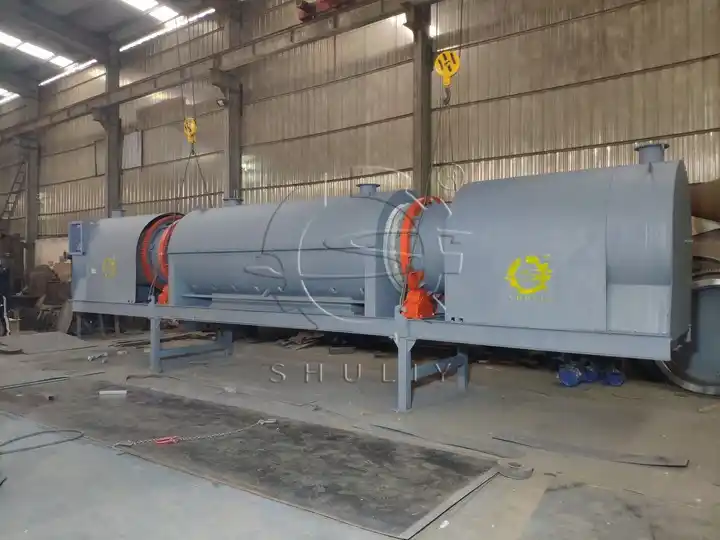
Continuous carbonization furnace — High-efficiency thermal conversion for biomass feedstocks.
พร้อมที่จะก่อตั้งหรืออัปเกรดสายการผลิตถ่านชูหะกาห์ไหม? ติดต่อ Shuliy Machinery วันนี้เพื่อขอใบเสนอราคาที่เหมาะสม แผนผังกระบวนการ และวิดีโอสาธิตของอุปกรณ์ในระหว่างการใช้งานจริง
สินค้ายอดนิยม
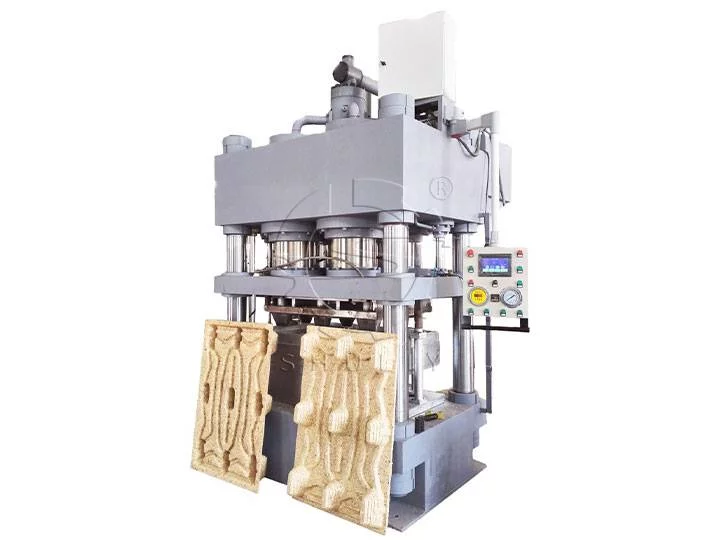
เครื่องอัดพาเลทไม้สำหรับพาเลทไม้อัด
เครื่องทำพาเลทไม้อัดของเราออกแบบมาเพื่อ…
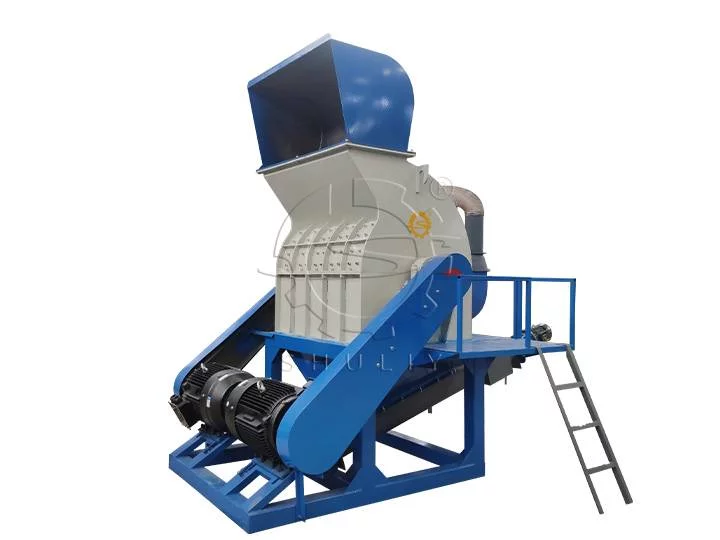
โรงสีค้อนไม้ | เครื่องทำลายโรงสีค้อน
เครื่องบดไม้แบบค้อน (Wood Hammer Mill) บดชิพไม้ได้อย่างมีประสิทธิภาพ…
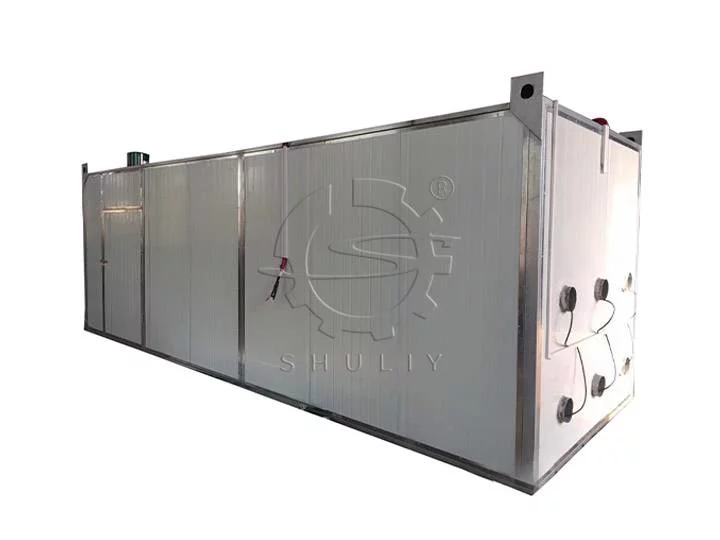
เครื่องอบถ่านอัดก้อนแบบกล่อง
เครื่องอบถ่านอัดแท่งกล่องนี้เป็นเครื่อง…
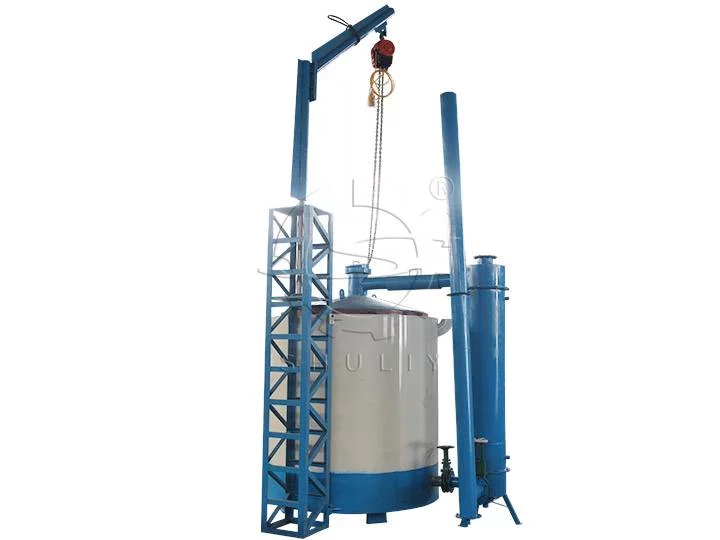
เตาถ่านแนวตั้งสำหรับการทำถ่านไม้เนื้อแข็ง
เตาคาร์บอนไนซ์แบบแนวตั้งนี้สามารถใช้สำหรับ…
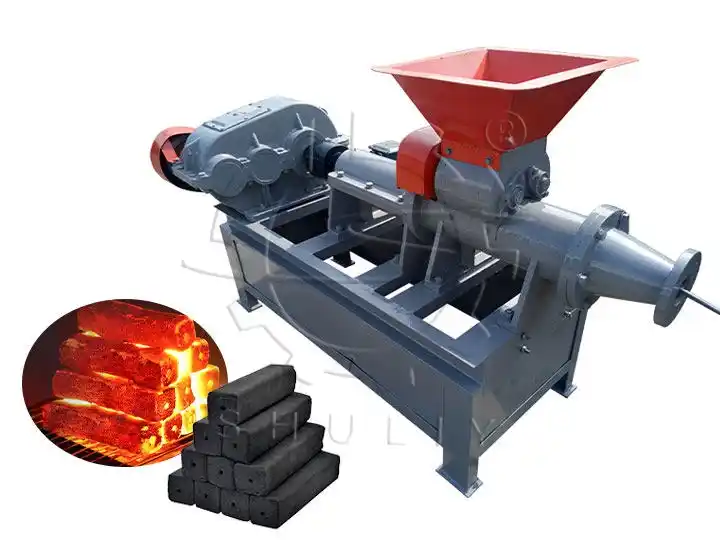
เครื่องอัดก้อนถ่าน | เครื่องอัดรีดถ่าน
เครื่องทำถ่านอัดแท่ง หรือที่รู้จักกันในชื่อ…
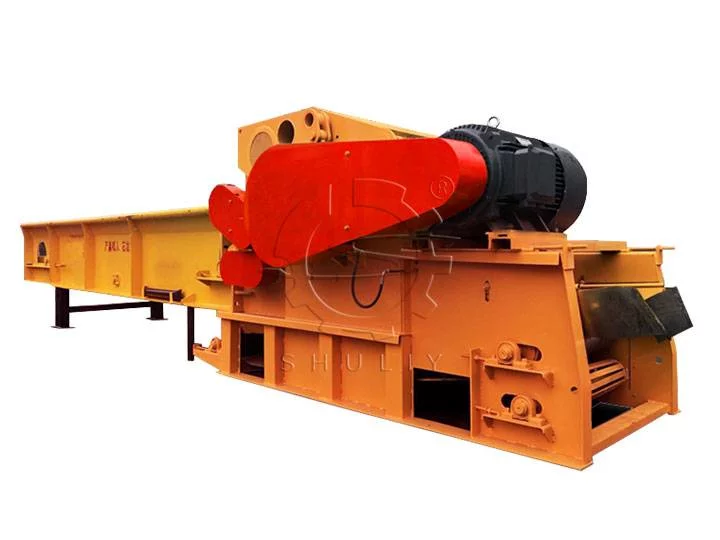
เครื่องบดไม้แบบครบวงจร | เครื่องย่อยพาเลทไม้
เครื่องบดที่ครอบคลุมทั้งหมด มักเรียกว่า a…
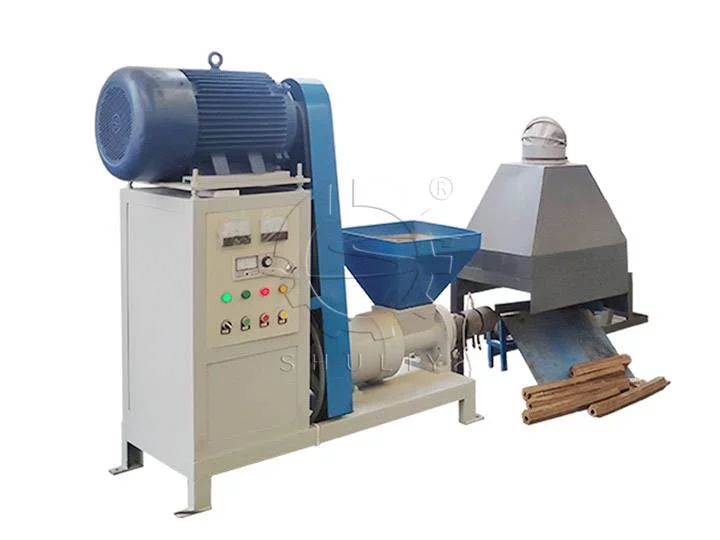
เครื่องทำขี้เลื่อยอัดก้อน | เครื่องอัดก้อนชีวมวล
เครื่องอัดแท่งบริเกตจากผงเลื่อยเป็นมิตรต่อสิ่งแวดล้อม…

Activated Carbon Carbonization Furnace | Internal & External Heat Systems
An activated carbon carbonization furnace is a high-temperature…
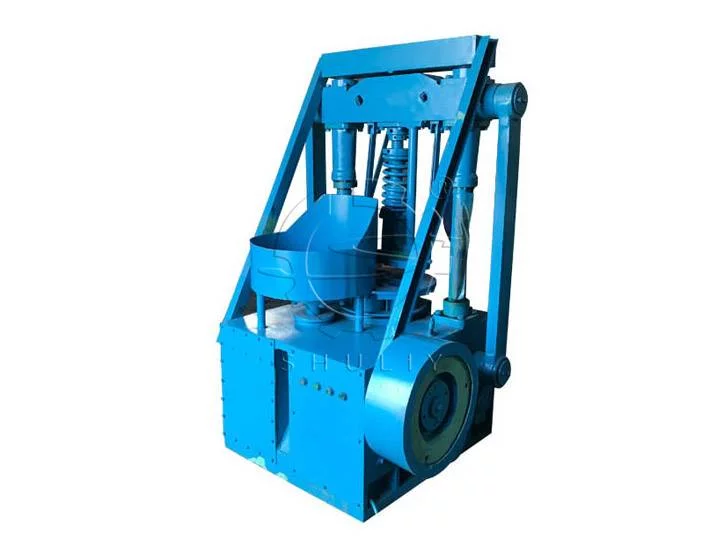
เครื่องอัดก้อนถ่านหิน | เครื่องกดถ่านหินแบบรังผึ้ง
เครื่องอัดถ่านหิน (Coal briquette machine) สามารถผลิตรูปทรงต่างๆและ…