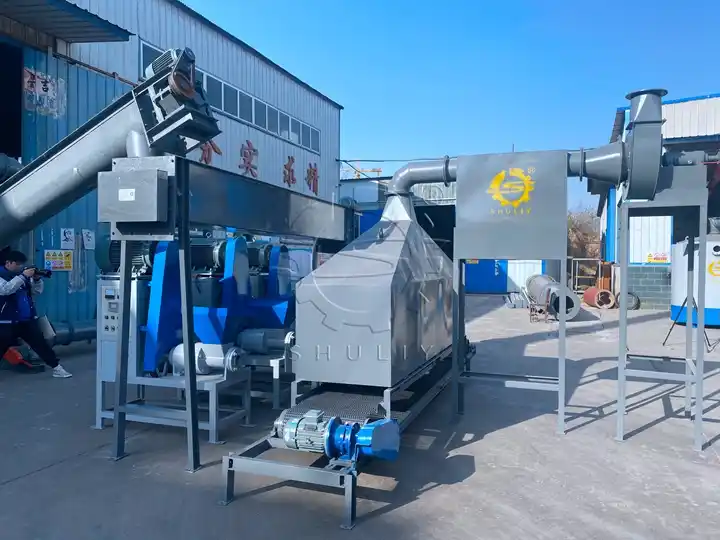
How Much Does a Vertical Carbonization Furnace Cost?
Vertical Carbonization Furnace Cost Overview
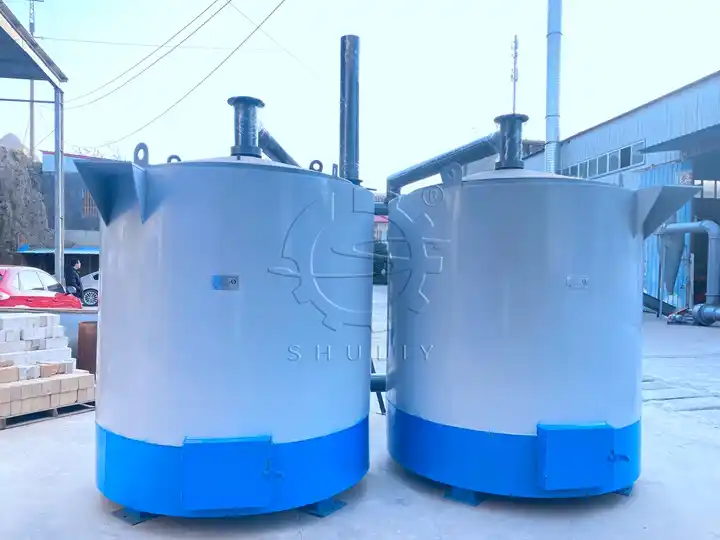
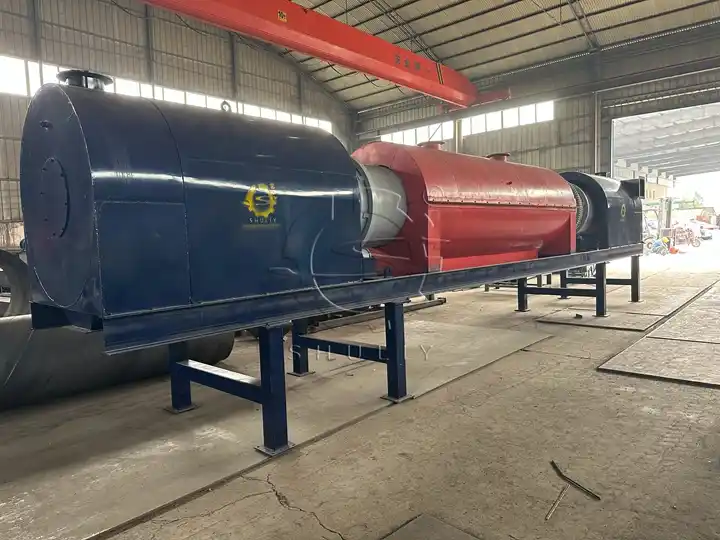
ที่ เตาถ่านแนวตั้ง cost for a standard SL-C1500 model typically falls between 3,000 and 10,000 USD depending on configuration, steel thickness, and shipping terms. This price covers the furnace body, three inner stoves, gas recycling system, and basic accessories.
This machine is one of the lowest-cost entry points into commercial charcoal production. It requires no electricity, uses minimal external fuel, and produces 2.5–3 tons of charcoal per day. For buyers comparing charcoal making equipment, the airflow charcoal furnace price is significantly lower than continuous carbonization systems while still delivering industrial-level output.
What Determines the Vertical Carbonization Furnace Cost?
Several factors push the price toward the lower or upper end of the range. Understanding these factors helps you budget accurately and avoid overpaying for features you do not need.
Steel Thickness and Material Quality
Standard models use 6 mm steel plate. Thicker steel (8–10 mm) increases cost by 15–25% but extends service life in high-volume operations. For buyers processing abrasive materials like coconut shell or palm shell, thicker steel reduces long-term maintenance cost.
Number of Inner Stoves
The base SL-C1500 includes three inner stoves. Adding a fourth or fifth stove increases cost by approximately 10–15% per unit. More stoves allow faster rotation and higher daily output. For operations running three shifts, four stoves eliminate the cooling bottleneck.
By-Product Recovery System
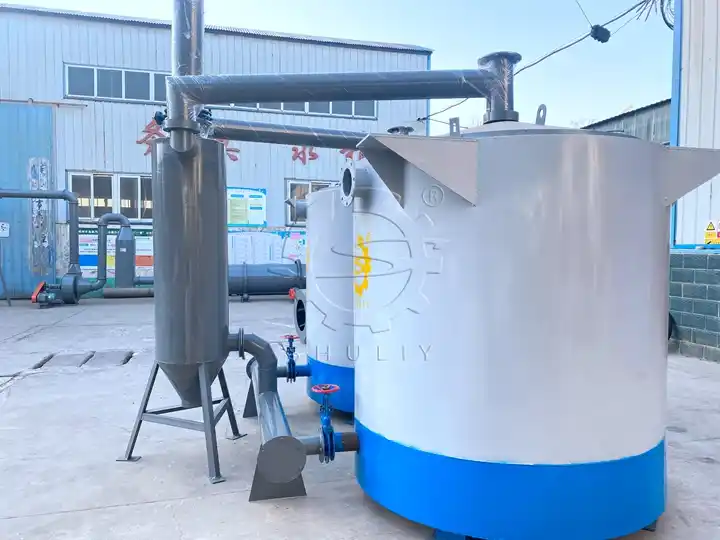
A basic gas recycling system is included in the standard price. Adding a condenser for wood vinegar and tar recovery increases cost by 20–30%. This addition pays back quickly if you can sell by-products to local agricultural or industrial buyers.
Hoist System Type
A manual hoist keeps cost at the lower end. An electric remote-controlled hoist adds 10–20% to the total but reduces labor intensity and improves safety. For factories with high worker turnover, the electric hoist is a worthwhile investment.
Customization and Voltage
Non-standard dimensions, special refractory materials, or region-specific certifications add to cost. Most hoist charcoal furnace price quotes assume standard 380V/50Hz or no-electricity operation. Special voltage motors or explosion-proof components increase the quote.
Price Range by Configuration
The following table shows typical wood charcoal making machine cost ranges based on common buyer requirements:
| การตั้งค่า | Estimated Cost Range | เหมาะสำหรับ |
|---|---|---|
| Standard SL-C1500, 6 mm steel, manual hoist | 3,000–5,000 | Small workshops, startups, remote areas |
| Standard + electric hoist + extra stove | 5,000–7,000 | Medium factories, two-shift operation |
| Thick steel (8–10 mm) + by-product condenser | 7,000–10,000 | High-volume plants, coconut shell processors |
| Full production line (furnace + chipper + packaging) | 10,000–25,000 | Integrated charcoal businesses |
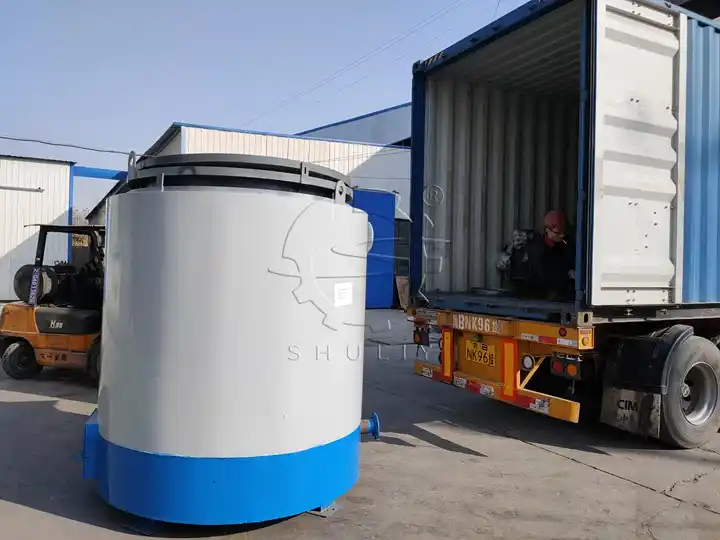
These ranges exclude shipping, customs duties, and installation. Sea freight to most destinations adds 15–30% to the total landed cost. Installation by factory technicians typically adds a daily service fee plus travel expenses.
Operating Cost Considerations
The purchase price is only part of the vertical carbonization furnace cost equation. Daily operating cost determines your real return on investment.
- Fuel cost. After the first hour, the furnace runs on recycled combustible gases. External fuel is only needed for ignition: approximately 50–80 kg of waste biomass per 8-hour batch. Many buyers use scrap wood or agricultural waste, making fuel cost nearly zero.
- Labor cost. One operator per shift is sufficient. The manual hoist version requires two workers for loading and unloading. The electric hoist version needs only one.
- Maintenance cost. Annual maintenance includes refractory repair, seal replacement, and stove refurbishment. Budget approximately 5–8% of the machine purchase price per year for routine maintenance and spare parts.
- No electricity cost. The standard model requires no grid power. This eliminates a major operating expense and allows operation in remote or off-grid locations where continuous carbonization furnaces cannot function economically.
Comparing Vertical vs Continuous Furnace Cost
Many buyers ask whether a vertical carbonization furnace or a continuous rotary furnace offers better value. The answer depends on scale and infrastructure.
| Factor | Vertical Furnace | Continuous Furnace |
|---|---|---|
| Initial purchase cost | 3,000–10,000 | 30,000–150,000+ |
| Electricity requirement | None | 50–200 kW |
| Daily output | 2.5–3 tons | 5–20 tons |
| Labor requirement | 1–2 workers | 2–4 workers |
| Installation complexity | Simple foundation | Complex line installation |
| ดีที่สุดสำหรับ | Small to medium producers | Large industrial plants |
For businesses starting charcoal production or serving regional markets, the airflow charcoal furnace offers a faster payback period. Large export operations may justify the higher investment in continuous systems.
How to Get an Accurate Quote?
Published price ranges give a starting point. Your final hoist charcoal furnace price depends on specific choices. To receive an accurate quotation, prepare the following information before contacting suppliers:
- Your raw material type (hardwood logs, sawdust briquettes, coconut shell, etc.)
- Required daily output target
- Preferred steel thickness (standard 6 mm or heavy-duty 8–10 mm)
- Hoist preference (manual or electric)
- Destination port for shipping calculation
- Need for by-product recovery system
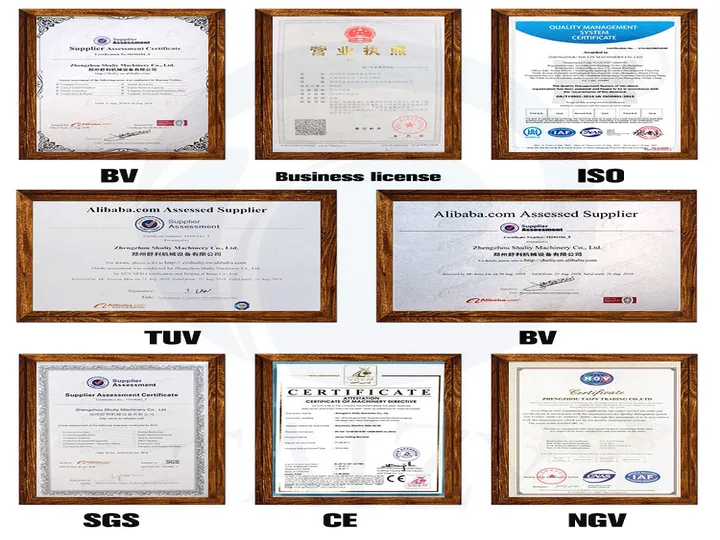
Shuliy provides customized quotations within 24 hours. We also supply layout drawings, shipping schedules, and installation plans with every quote.
Is the Vertical Carbonization Furnace Worth the Investment?
At a purchase price of 3,000–10,000, the SL-C1500 model offers one of the fastest payback periods in charcoal equipment. Producing 2.5–3 tons of charcoal per day at market prices of 300–800 per ton, gross daily revenue ranges from 750 to $2,400. Even after deducting labor, fuel, and packaging, most operators recover their initial wood charcoal making machine cost within 6–12 months.
The absence of electricity requirements and minimal fuel consumption keep operating margins high. For entrepreneurs entering the charcoal business or established producers adding capacity, the vertical carbonization furnace cost is justified by reliable daily output and simple maintenance.