
Dây chuyền sản xuất than
Wood Charcoal Making Production Line | Sawdust Charcoal Briquette Production Line
Dây chuyền sản xuất than
Wood Charcoal Making Production Line | Sawdust Charcoal Briquette Production Line
Các tính năng trong nháy mắt
các dây chuyền sản xuất than machine by our company offers a comprehensive solution for transforming wood, wood chips, or other plant-based raw materials into high-density sawdust charcoal briquettes.
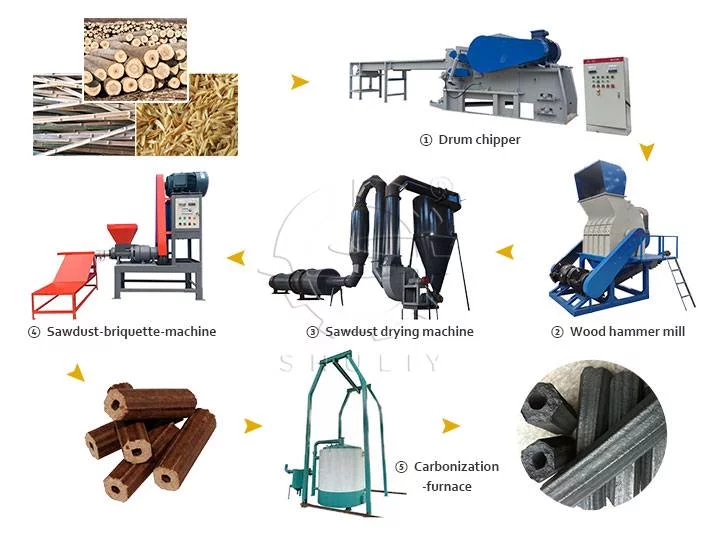
Our charcoal briquette production lines include processes such as crushing, mixing, molding, charring, and drying. We cater to various scales and processing needs. Configurations are available for 1-3t/d, 3-6t/d, Và 6-10t/d output capacities.
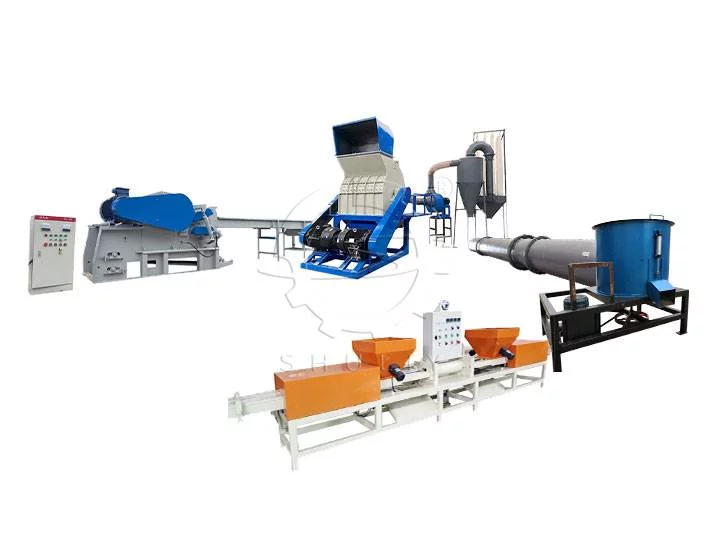
Each line is equipped with essential machinery such as wood shredders, hammer mills, dryers, sawdust briquette machines, and carbonization furnaces. These charcoal-making units ensure efficient production from raw material preparation to the final charcoal product.
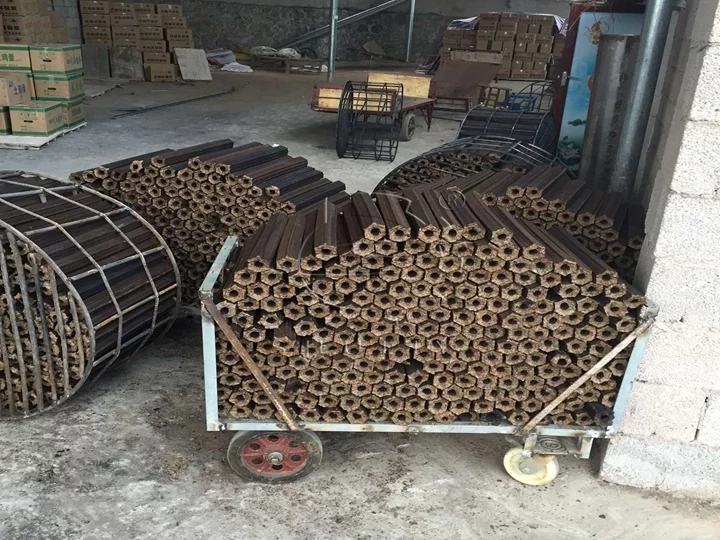
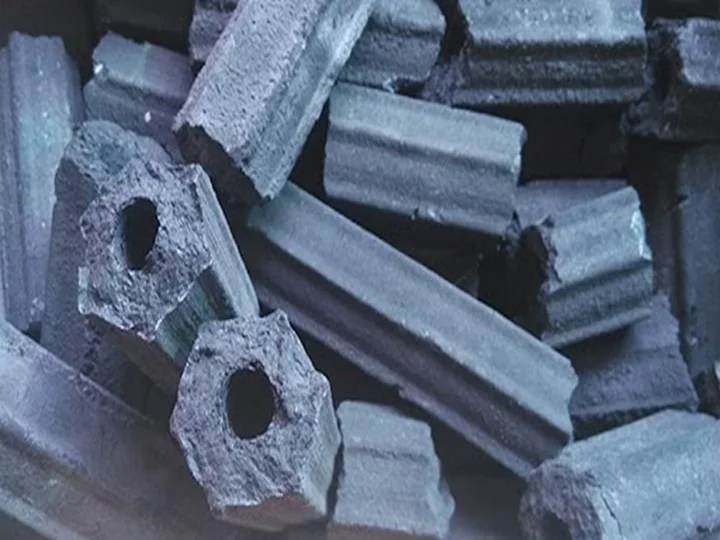
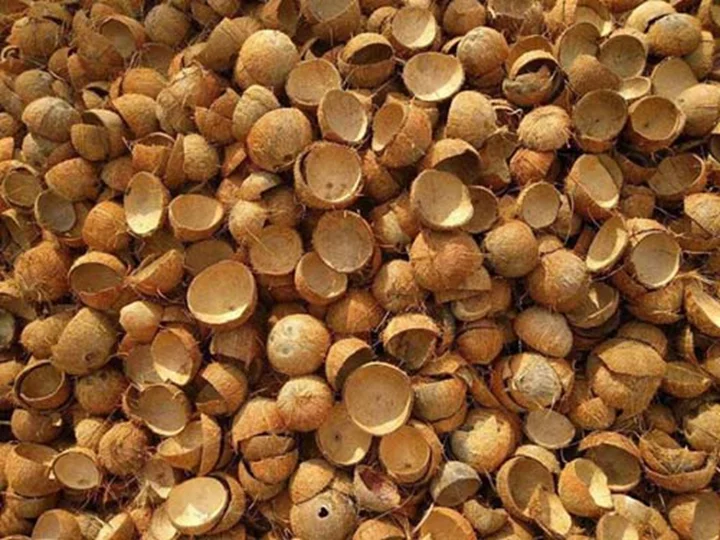
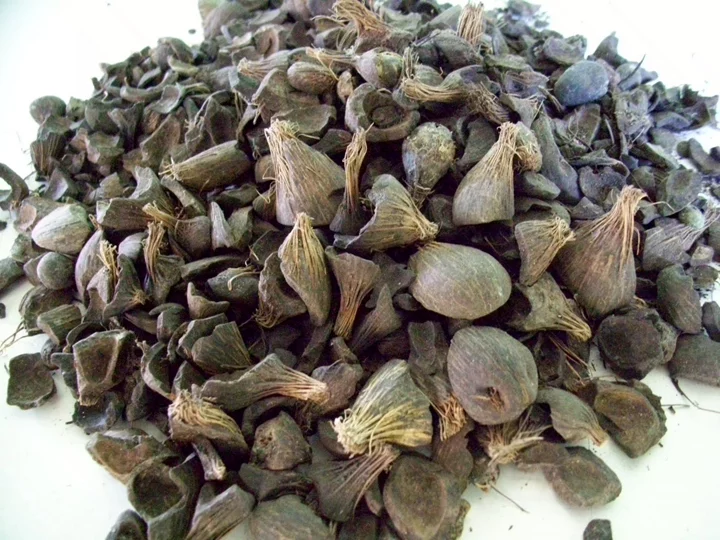
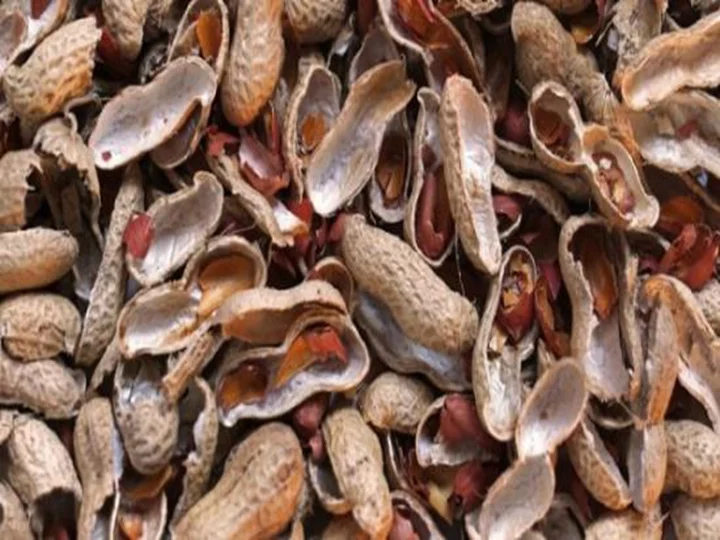
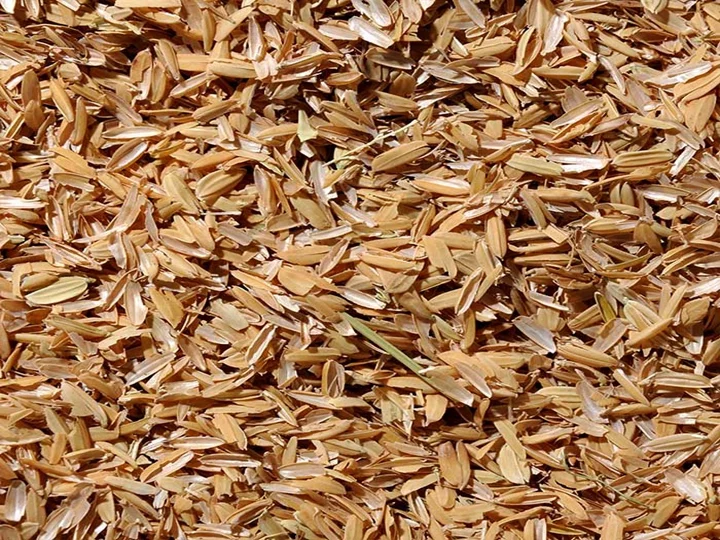
The line accepts wood waste with moisture below 40%. Raw materials include hardwood logs, branches, sawdust, bamboo, coconut shell, and fruit wood. The final product is high-density charcoal briquettes ready for barbecue, shisha, and industrial fuel markets.
Là chuyên gia về máy than sinh khối, chúng tôi chuyên về các giải pháp thiết bị có thể tùy chỉnh nhằm tối đa hóa hiệu quả. Sản phẩm than đáng tin cậy của chúng tôi phù hợp cho các ứng dụng đa dạng.
Raw Materials for the Charcoal Production Line
Hiểu rõ nguyên liệu cần thiết cho dây chuyền sản xuất than củi là bước đầu tiên để vận hành thành công.
Dây chuyền sản xuất than bánh sử dụng nguyên liệu thô đa dạng, thường bao gồm gỗ tròn, tre, sinh khối, phế thải nông nghiệp và gáo dừa. Mỗi loại sinh khối có những đặc điểm và cân nhắc riêng.
Việc lựa chọn sinh khối để sản xuất than phụ thuộc vào các yếu tố như tính sẵn có của địa phương, nhu cầu thị trường và yêu cầu sản phẩm cụ thể cho nhà máy chế biến của bạn.
Tiếp theo, chúng ta cùng đi sâu tìm hiểu quy trình làm việc của dây chuyền sản xuất than bánh và tìm hiểu cụ thể từng bước.
How the Charcoal Making Plant Works: 5-Stage Process
Stage 1: Crushing
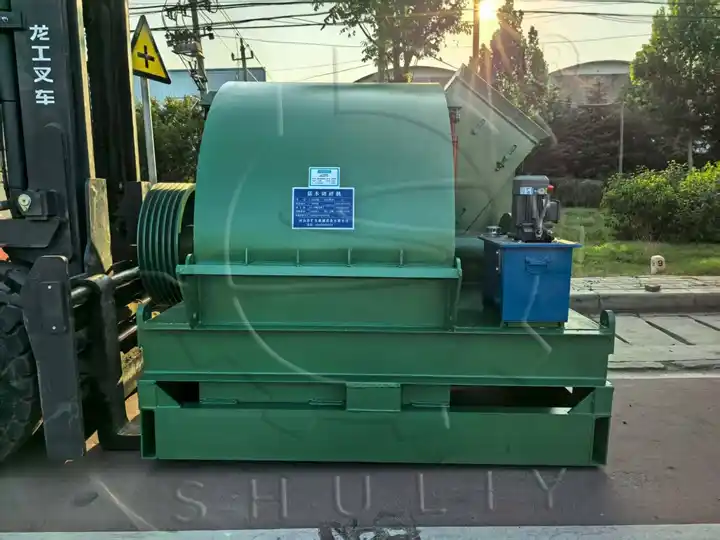
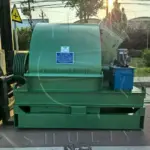
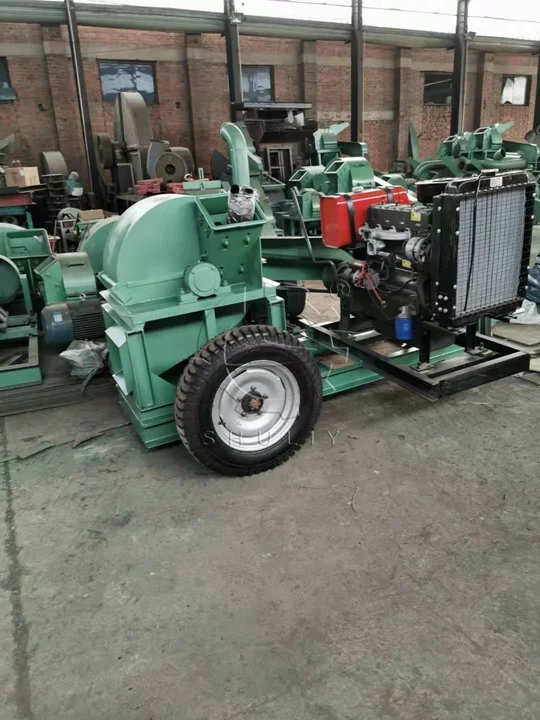
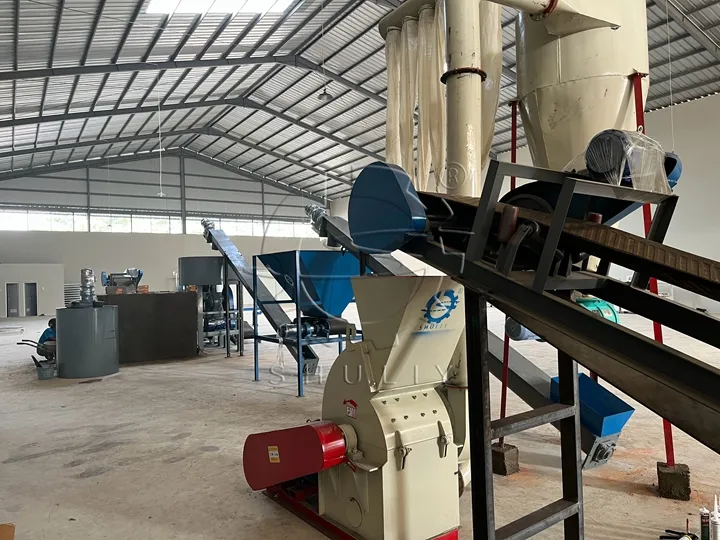
The SL-800 wood sawdust machine crushes logs, branches, and wood chips into fine sawdust. Capacity reaches 1,000 kg per hour. The 45 kW main motor drives alloy hammers against an internal screen. A 6-bag dust remover with 1,000 mm diameter keeps the workshop clean. Screen apertures from 0.6 mm to 12 mm control the final sawdust size.
Stage 2: Drying
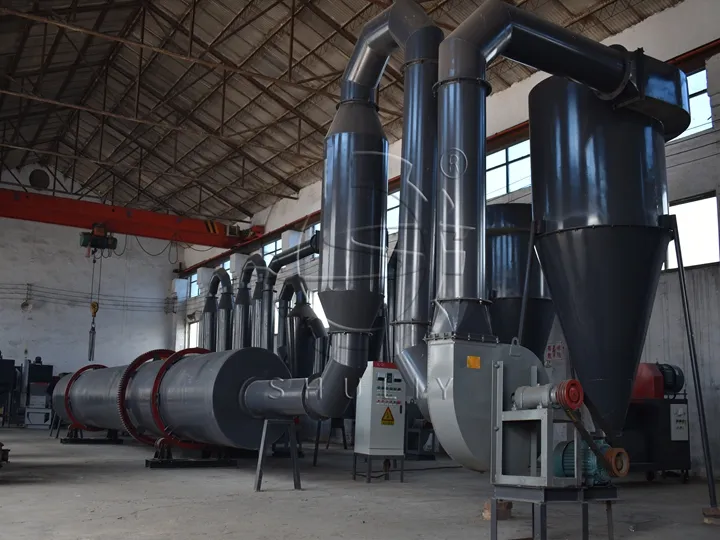
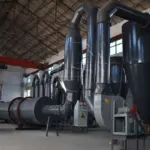
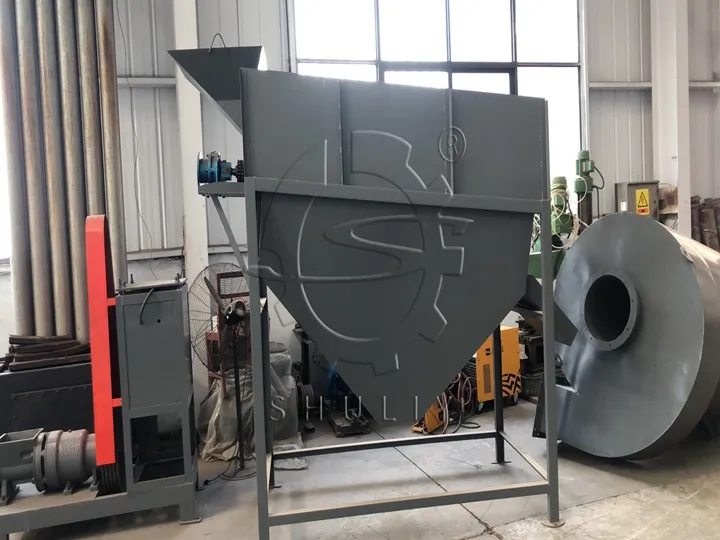
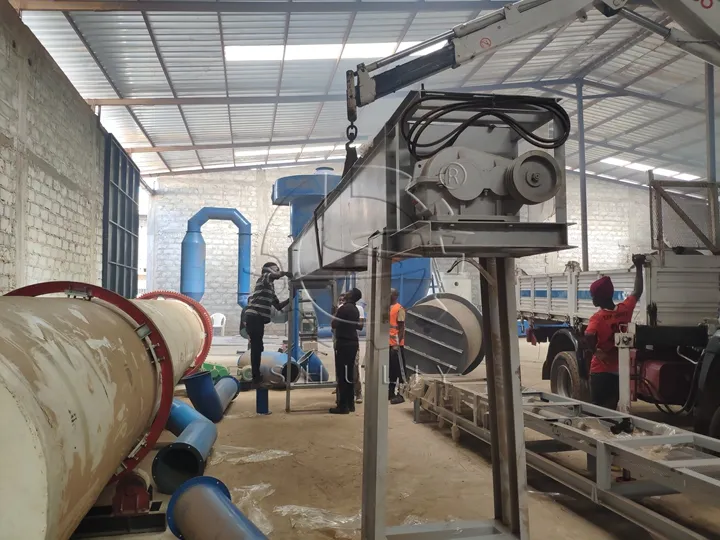
Wet sawdust cannot form strong briquettes. The SL-D1000 rotary drum dryer reduces moisture from 30–40% down to 8–12%. Capacity matches the crusher at 1,000 kg per hour. The dryer includes a cyclone dust collector, adjustable-speed motor, and independent control cabinet.
Stage 3: Briquetting
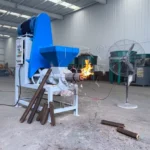
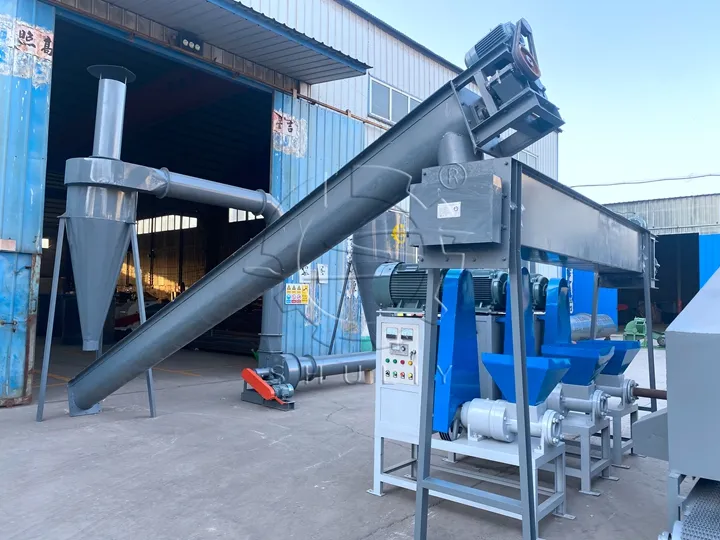
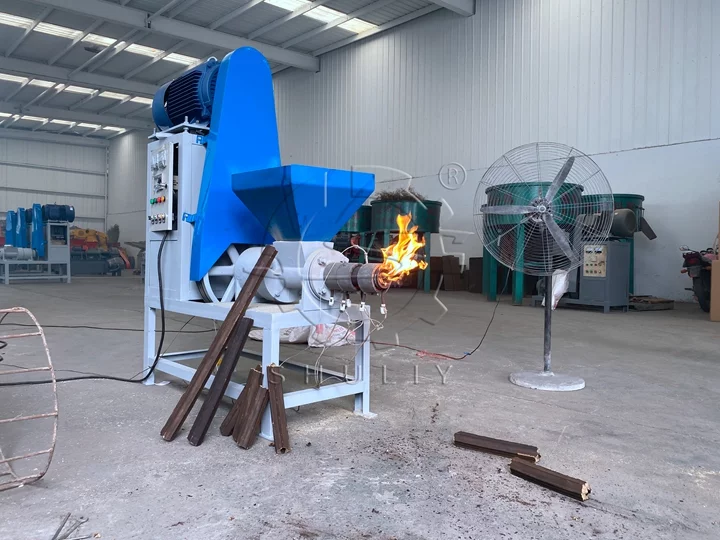
Dried sawdust enters the screw feeder. The feeder distributes material evenly to four SL-50 briquette machines. Each machine produces 200–250 kg of briquettes per hour. High-pressure screw extrusion compresses sawdust into dense rods without any binder. The machines use chromium-manganese alloy molds and C-type belts for longer service life.
Stage 4: Carbonization
Biomass briquettes load into vertical carbonization furnaces. Each furnace processes one batch every 6–8 hours. After the first hour, combustible gases released from the briquettes sustain the furnace heat. No electricity or external fuel is required. Three furnaces working in rotation handle the daily output of the 1 ton/hour briquetting line.
Stage 5: Cooling and Packing
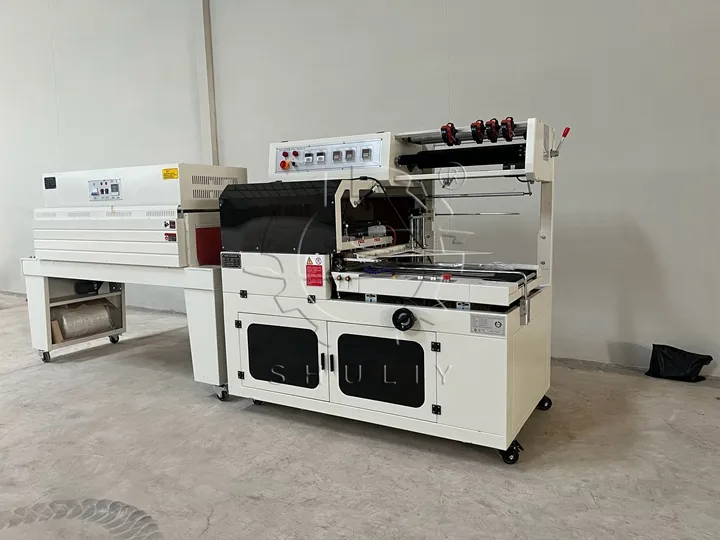
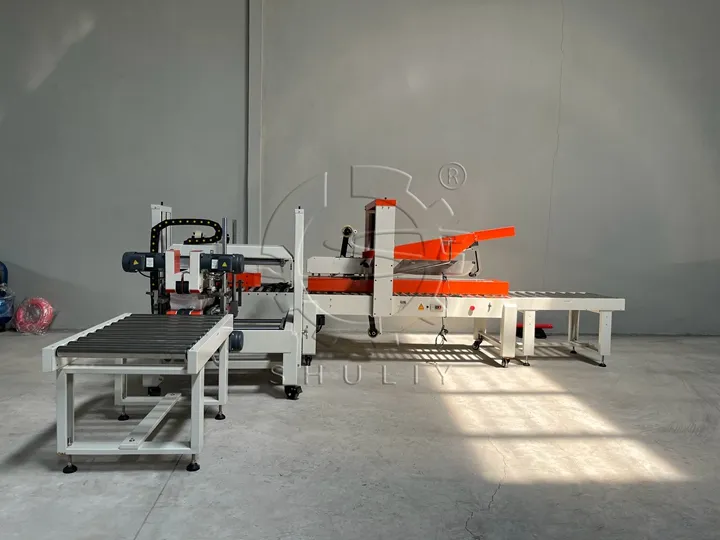
Hot charcoal cools inside the sealed inner stoves. Once at room temperature, the charcoal briquettes are ready for packaging and sale. The charcoal holds the briquette shape, density, and uniform size from the pressing stage.
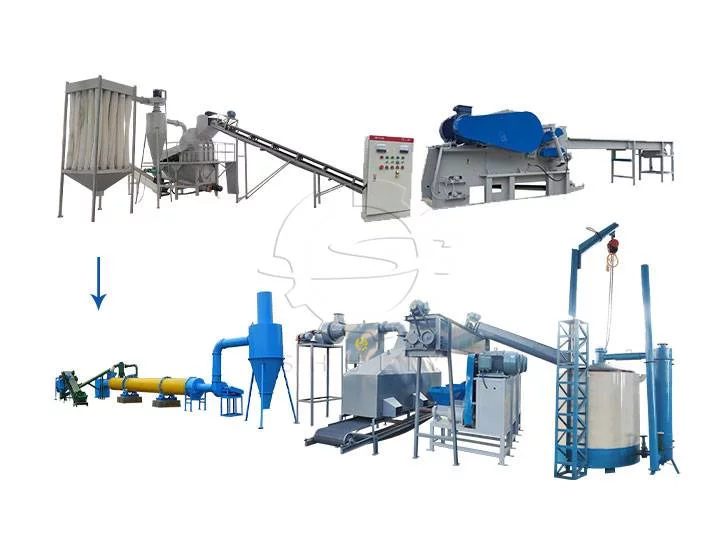
Charcoal Production Line Machine For Sale
Sau khi hiểu rõ quy trình sản xuất, bạn có thể quan tâm đến các thiết bị cần thiết. Chúng tôi cung cấp nhiều loại máy phù hợp với nhu cầu khác nhau.
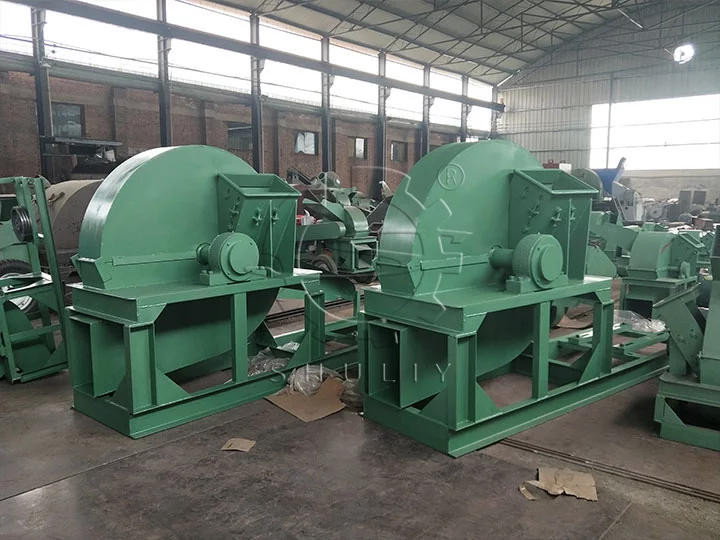
1. Máy hủy gỗ
Máy hủy gỗ được sử dụng để nghiền các nguyên liệu thô như khúc gỗ hoặc cành cây thành các hạt nhỏ hơn.
- Cắt nhỏ hiệu quả và đồng đều, đảm bảo kích thước vật liệu phù hợp để cacbon hóa tối ưu.
- Vận hành tốc độ cao, tiết kiệm thời gian và tăng hiệu quả sản xuất.
- Tính linh hoạt để xử lý nhiều loại gỗ và vật liệu sinh khối.
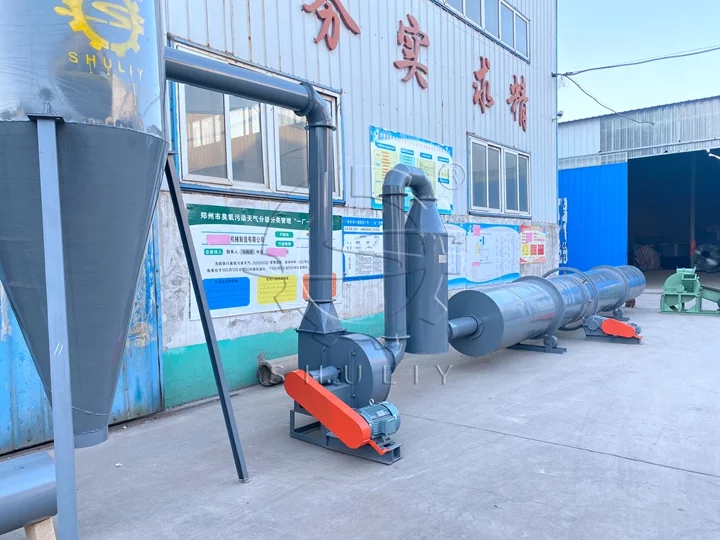
Máy sấy mùn cưa có nhiệm vụ làm giảm độ ẩm của nguyên liệu thô.
- Sấy khô nhanh và đồng đều, đảm bảo nguyên liệu thô phù hợp cho quá trình đóng bánh và cacbon hóa.
- Vận hành tiết kiệm năng lượng, giảm chi phí sản xuất.
- Có thể điều chỉnh nhiệt độ và thời gian sấy để kiểm soát chính xác độ ẩm.
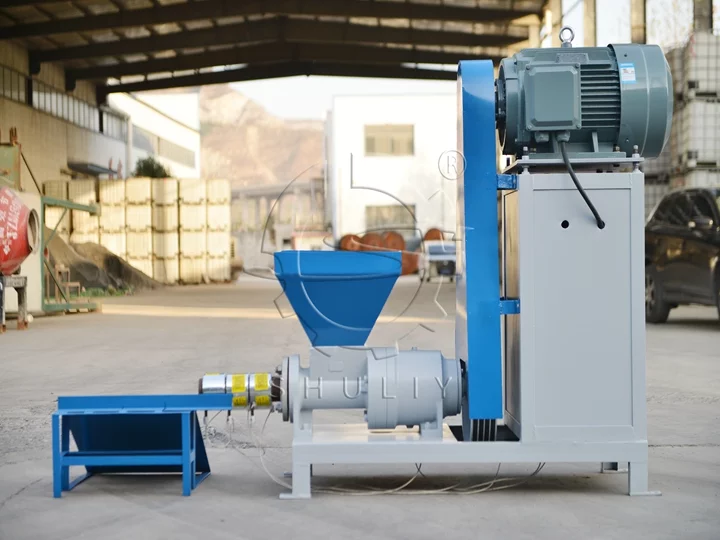
Máy đóng bánh sinh khối được sử dụng để nén nguyên liệu khô thành than bánh có hình dạng mong muốn.
- Sản xuất than bánh đồng đều và đồng đều, đảm bảo chất lượng sản phẩm.
- Áp suất và mật độ cao trong quá trình đóng bánh tạo ra than bánh nhỏ gọn và bền.
- Tính linh hoạt để làm việc với các vật liệu sinh khối khác nhau, mang lại sự linh hoạt trong việc lựa chọn sản phẩm.
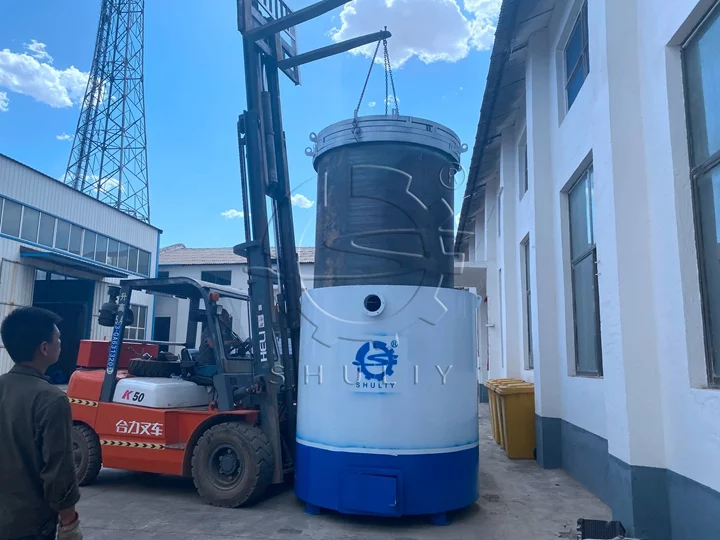
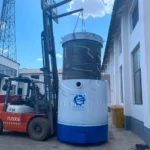
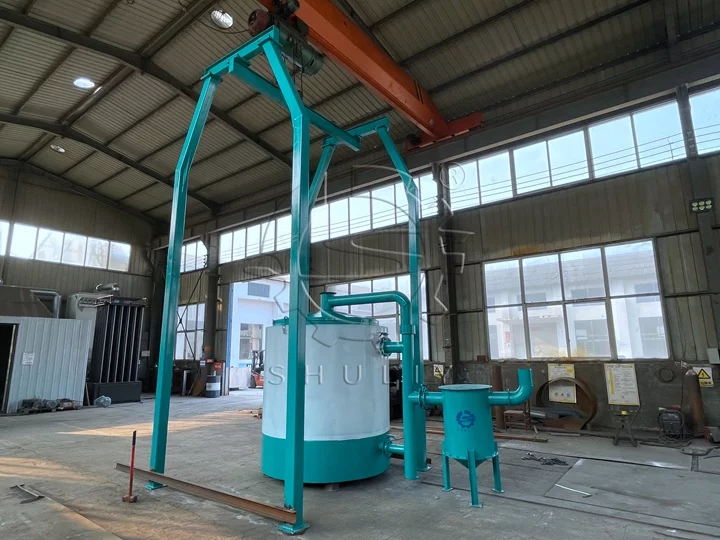
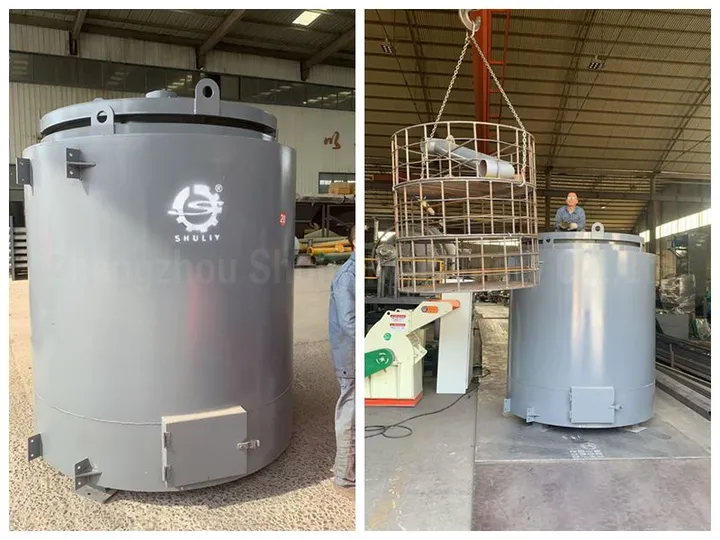
Lò cacbon hóa là giai đoạn cuối cùng trong đó than bánh được chuyển thành than thông qua quá trình cacbon hóa.
- Kiểm soát nhiệt độ và thiếu oxy để cacbon hóa tối ưu.
- Cách nhiệt ở nhiệt độ cao, đảm bảo quá trình cacbon hóa hiệu quả và triệt để.
- Tính năng an toàn và cơ chế kiểm soát khí thải tuân thủ các tiêu chuẩn môi trường.
Charcoal Production Line Equipment List
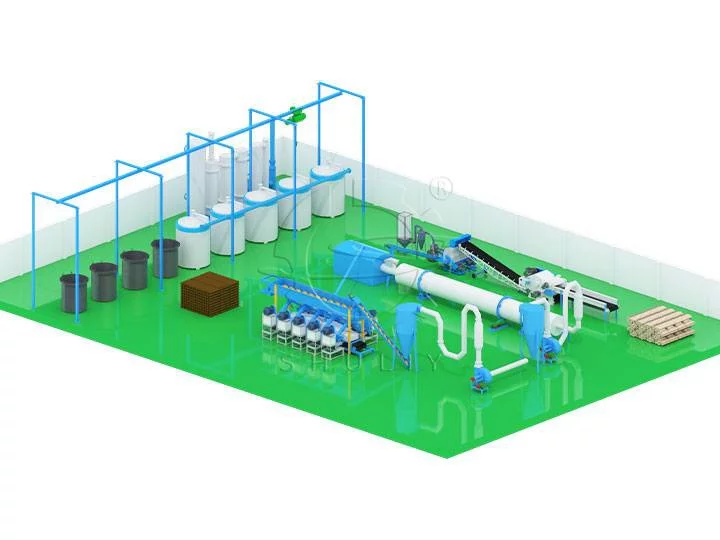
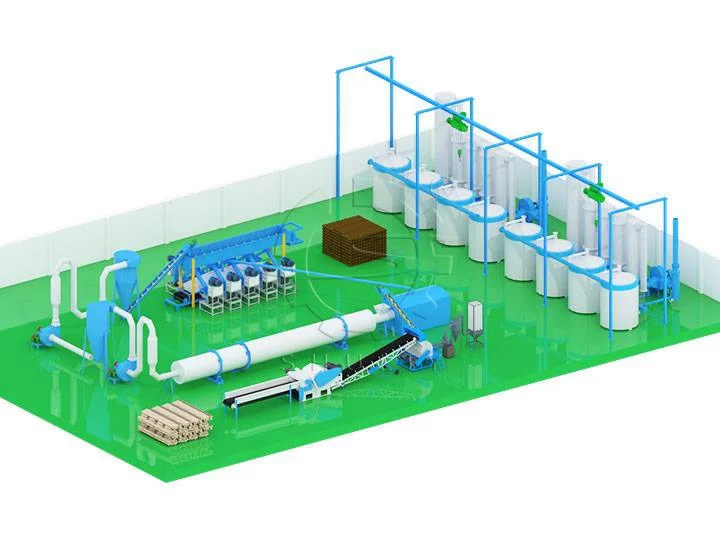
A complete 1 ton/hour charcoal production line includes the following machines:
| Thiết bị | Chức năng | Công suất (kW) |
|---|---|---|
| Wood sawdust machine (SL-800) | Crushes wood chips and logs into mùn cưa | 45 + 7.5 |
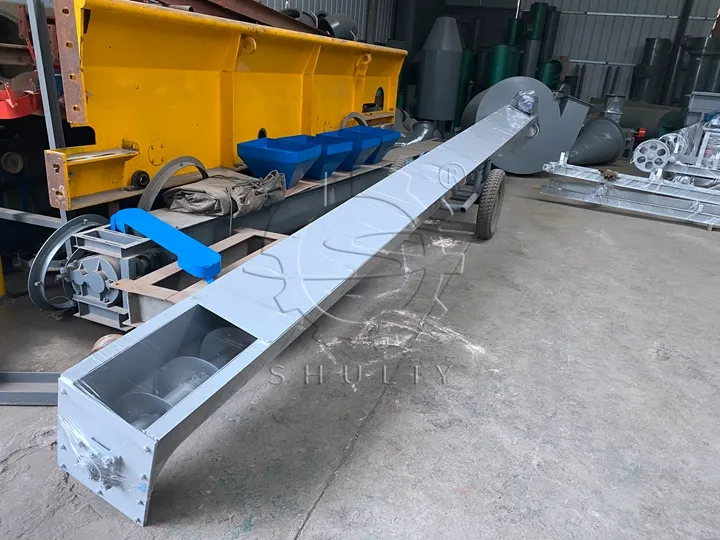
| Screw conveyor (6m) | Transports sawdust to the dryer | 4 |
| Rotary drum dryer (SL-D1000) | Reduces sawdust moisture to 8–12% | 3 + 15 |
| Screw conveyor (4m) | Transports dried sawdust to the feeder | 4 |
| Screw feeder (SL-4) | Distributes sawdust evenly to 4 briquette machines | 5.5 |
| Máy làm bánh mùn cưa (SL-50) × 4 | Presses sawdust into biomass briquettes | 18.5 × 4 |
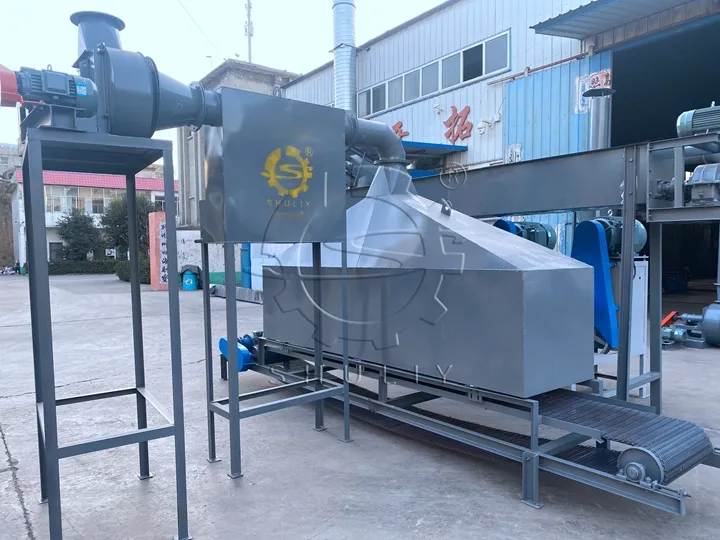
| Smoke collector (SL-4) | Collects and purifies smoke from briquetting | 4 |
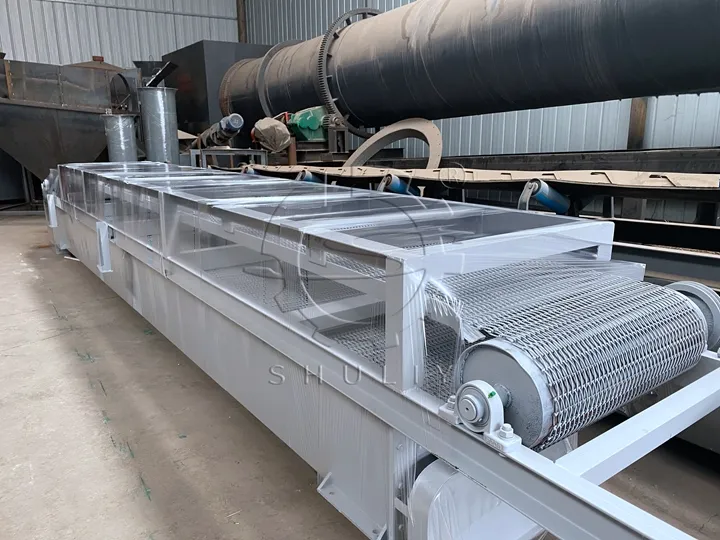
| Belt conveyor | Collects finished biomass briquettes | 1.5 |
| Vertical carbonization furnace × 3 | Carbonizes briquettes into charcoal | 0 (self-sustaining gas) |
- Total working area: 200–300 m².
- Total labor: 3–4 operators per shift.
- Total power (line excluding furnaces): 163.5 kW.
Advantages of The Charcoal Production Line
Wood Sawdust Machine (SL-800)
The crusher is the line’s front end. Its 45 kW copper-core motor handles logs and large branches. An optional large feed inlet accepts tree trunks directly. Spare hammers and screens ship with the machine. Keep hard metals and stones out of the feed opening to protect the blades.
Rotary Drum Dryer (SL-D1000)
The dryer’s 1,000 mm drum runs on 3 kW main power plus a 15 kW fan. Hot air flows through the rotating drum and carries moisture out. The adjustable-speed motor lets you slow the drum for very wet material.
Weight: 2,800 kg.
Sawdust Briquette Machine (SL-50) × 4
Each briquette machine runs on an 18.5 kW national-standard all-copper motor. Key design points:
- 100 cm bearing: more stable feeding and longer bearing life
- U-steel frame: resists deformation under continuous pressure
- Pre-welded screw angle: suits 90% of common raw materials out of the box
- Chromium-manganese alloy mold: extended mold life against abrasive sawdust
The four machines press at the same time. Even if one machine stops for maintenance, the other three keep producing.
Vertical Carbonization Furnace × 3
The vertical carbonization furnace is the final value-adding stage. Each furnace includes one outer body and three inner stoves. While one stove carbonizes, another cools, and a third loads. This rotation keeps production continuous.
Key parameters per furnace:
| tham số | Value |
|---|---|
| Batch cycle | 6–8 hours |
| Daily capacity per furnace | 2.5–3 tons of charcoal |
| Inner stove loading | 2,600–3,000 kg per batch |
| Electricity required | None |
| External fuel after startup | 50–80 kg waste biomass per batch |
The sealed chamber produces uniform, low-smoke charcoal. Optional condensers recover wood vinegar and tar as sellable by-products.
Why Invest in This Charcoal Production Line?
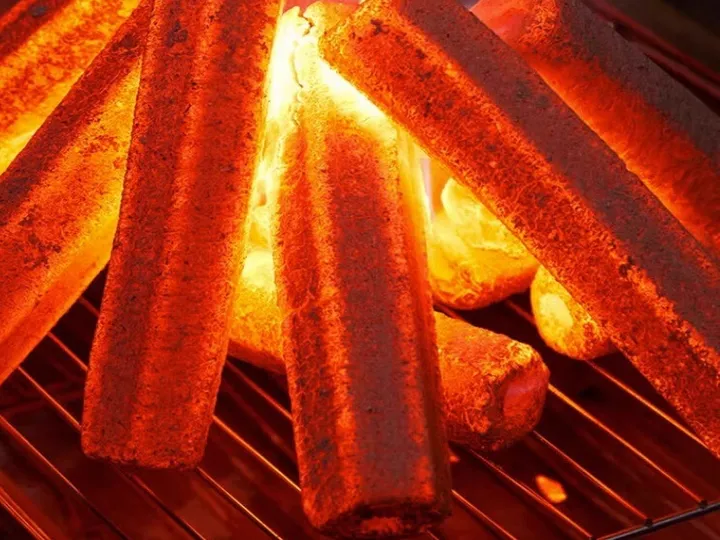
- Briquettes sell for more than lump charcoal. Uniform shape, high density, and long burn time command premium prices in barbecue and export markets.
- No electricity for carbonization. The vertical furnaces recycle their own combustible gases. Your electricity bill only covers crushing, drying, and briquetting.
- Modular investment. Buy 1 briquette machine today, add 3 more when orders grow. No equipment becomes obsolete.
- Low labor demand. 3–4 workers run the entire 1 ton/hour line. Automated conveyors remove manual material handling between stages.
- Turnkey delivery. One supplier provides every machine, the layout drawing, and the wiring plan. No compatibility problems between equipment from different factories.
How to Set Up a Charcoal Processing Plant?
Việc thành lập một nhà máy chế biến than đòi hỏi phải lập kế hoạch kỹ lưỡng. Bắt đầu với việc nghiên cứu thị trường và lập kế hoạch kinh doanh để hiểu nhu cầu và sự cạnh tranh. Chọn địa điểm gần nguyên liệu và giao thông, có tính đến các quy định về môi trường. Đầu tư vào các thiết bị thiết yếu như máy hủy tài liệu, máy sấy, lò cacbon hóa và máy đóng gói.
Đảm bảo nguồn cung cấp nguyên vật liệu ổn định và bảo trì thiết bị thường xuyên. Tuân thủ các quy định của địa phương để hoạt động hiệu quả và bền vững. Xây dựng chiến lược tiếp thị và thiết lập các kênh phân phối. Đào tạo nhân viên về vận hành thiết bị, kiểm soát chất lượng và an toàn để có lực lượng lao động lành nghề và hiệu quả.
Sau khi nhà máy được thành lập, việc hiểu rõ ứng dụng của sản phẩm than củi sẽ giúp bạn mở rộng thị trường và kênh bán hàng.
Charcoal Production Line Application
- Sản xuất công nghiệp. Được sử dụng bởi các ngành công nghiệp cần than cho các quá trình như luyện kim, sản xuất hóa chất và sản xuất năng lượng.
- Nông lâm nghiệp. Được nông dân và các hoạt động lâm nghiệp sử dụng để chuyển đổi chất thải nông nghiệp, cặn gỗ và sinh khối thành than để bán hoặc sử dụng cá nhân.
- sử dụng thương mại. Được các doanh nghiệp thương mại, chẳng hạn như các nhà máy và nhà sản xuất sản xuất than sử dụng để sản xuất các sản phẩm than để phân phối bán lẻ và bán buôn.
- Giải pháp môi trường. Được các tổ chức môi trường áp dụng và các sáng kiến tập trung vào các hoạt động bền vững và quản lý chất thải, sử dụng chất thải sinh khối để sản xuất than nhằm giảm tác động đến môi trường.
- Lĩnh vực năng lượng. Ứng dụng trong lĩnh vực năng lượng để sản xuất than củi như một nguồn năng lượng tái tạo, góp phần độc lập về năng lượng và giảm sự phụ thuộc vào nhiên liệu hóa thạch.
- Nghiên cứu và phát triển. Được sử dụng trong các tổ chức nghiên cứu và trường đại học để nghiên cứu kỹ thuật sản xuất than củi, quy trình cacbon hóa và khám phá các ứng dụng mới cho than củi.
Common Charcoal Production Problems and Solutions
Problem 1: Briquettes crack or break during carbonization.
- Cause: sawdust moisture was too high during pressing.
- Solution: hold dryer output moisture at 8–12% and let hot briquettes cool before loading the furnace.
Problem 2: Dryer cannot keep up with the crusher.
- Cause: raw material is too wet.
- Solution: pre-dry very wet wood in open air for 1–2 days, or reduce crusher feed rate until moisture balance stabilizes.
Problem 3: Briquette machine molds wear fast.
- Cause: sand or stone contamination in sawdust.
- Solution: screen raw material before crushing. Keep chromium-manganese alloy spare molds in stock.
Problem 4: Charcoal output is lower than briquette output.
- Cause: furnaces are the bottleneck.
- Solution: add one vertical carbonization furnace for every 2.5–3 tons of daily briquette production.
Why Choose Shuliy for Your Charcoal Making Plant?
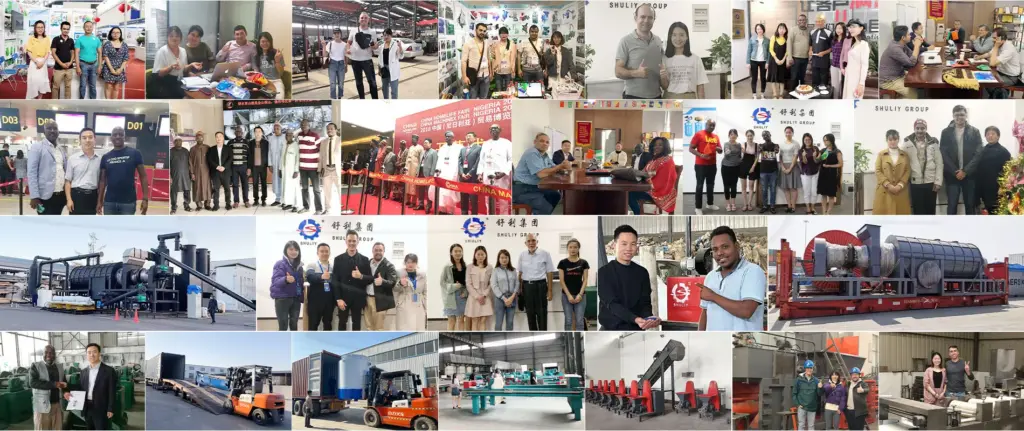
- Complete line from one factory. Shuliy manufactures the crusher, dryer, briquette machines, conveyors, and carbonization furnaces. Every machine is tested together before shipping.
- Layout design included. Send us your workshop dimensions. Our engineers provide a free 2D/3D layout showing machine positions, material flow, and operator stations.
- Wear parts in stock. Hammers, screens, screws, molds, and inner stoves ship within 48 hours. Your line never waits weeks for a spare part.
- 12-month warranty, lifetime support. Machine faults during the warranty period are our responsibility. Technical support continues for the equipment’s entire service life.
- Flexible installation options. Installation is simple enough for self-installation with our manuals and videos. On-site engineer teams are available for full commissioning and operator training.
Get a Custom Charcoal Production Line Quote
This charcoal production line turns wood waste into premium charcoal briquettes at 1 ton per hour. Tell us your raw material type, moisture content, and daily output target. Shuliy engineers will recommend the right number of briquette machines and carbonization furnaces, then send a detailed quotation with a layout drawing and shipping schedule within 24 hours.
Câu hỏi thường gặp
How much charcoal does 1 ton of briquettes produce after carbonization?
One ton of dried biomass briquettes yields approximately 700–800 kg of finished charcoal in the vertical furnace. The briquettes are already compressed and dried before carbonization, so the yield is much higher than carbonizing raw wood directly.
Can this charcoal production line process coconut shell?
Yes. Coconut shell crushes well in the SL-800 machine. However, coconut shell can also be carbonized directly in the vertical furnace without briquetting. Many buyers run both processes in the same plant.
What happens if my raw material moisture is above 40%?
Material above 40% moisture overloads the dryer and reduces line output. Store very wet material in a ventilated area for several days before processing, or add a second drying pass.
Can I start the line without the carbonization furnaces?
Yes. Some buyers sell raw biomass briquettes directly to carbonization plants or boiler fuel markets first. The furnaces can be added later when you are ready to move into higher-margin charcoal sales.
What power supply does the line need?
The line requires a three-phase industrial supply of approximately 165–180 kW capacity. The carbonization furnaces need no electrical connection. A diesel generator set can run the line in off-grid areas.
How long does installation take?
Self-installation with our drawings typically takes 5–7 days with 3–4 workers. An on-site Shuliy engineer team completes installation, commissioning, and operator training in approximately 3–4 days.
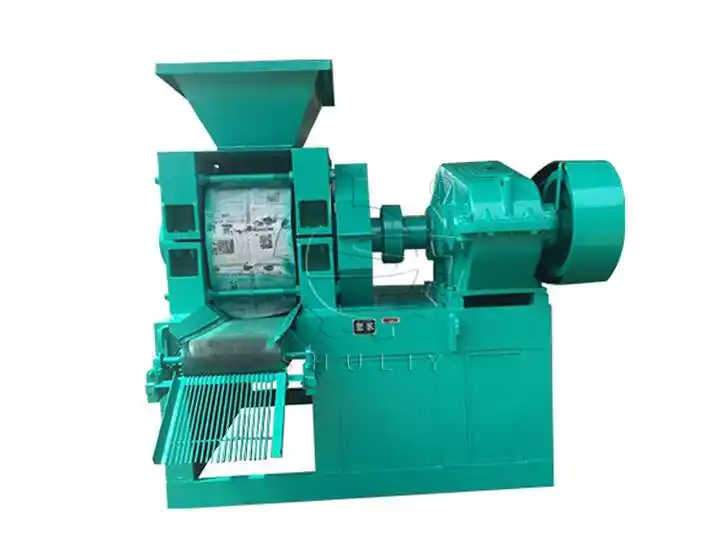
Máy Làm Than BBQ | Máy ép bi than
Máy sản xuất than BBQ có thể ép các vật liệu dạng bột, chẳng hạn như…
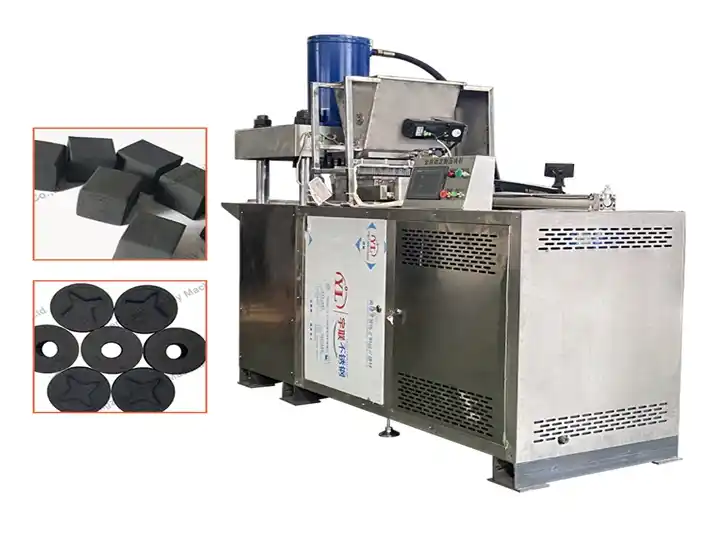
Máy than Shisha cho than Hookah tròn & khối
Máy than shisha phổ biến của chúng tôi có thể sản xuất than shisha chất lượng cao…
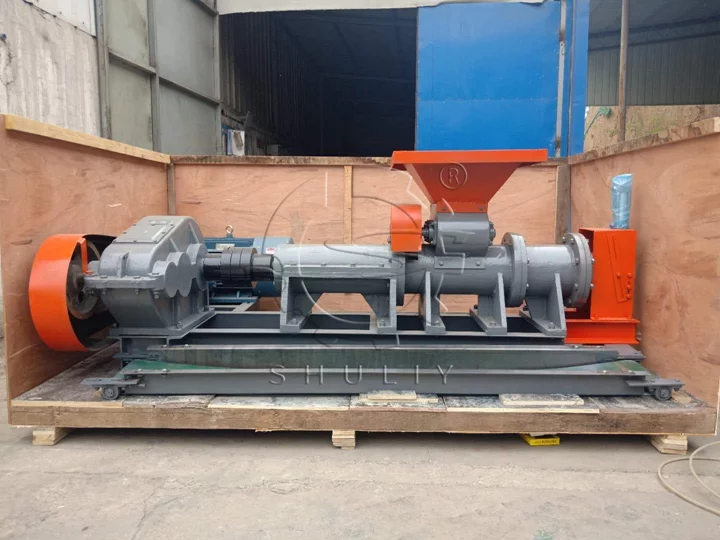
Máy ép than bánh xuất khẩu sang Iraq
Gần đây, máy ép viên than của chúng tôi đã được bán thành công…
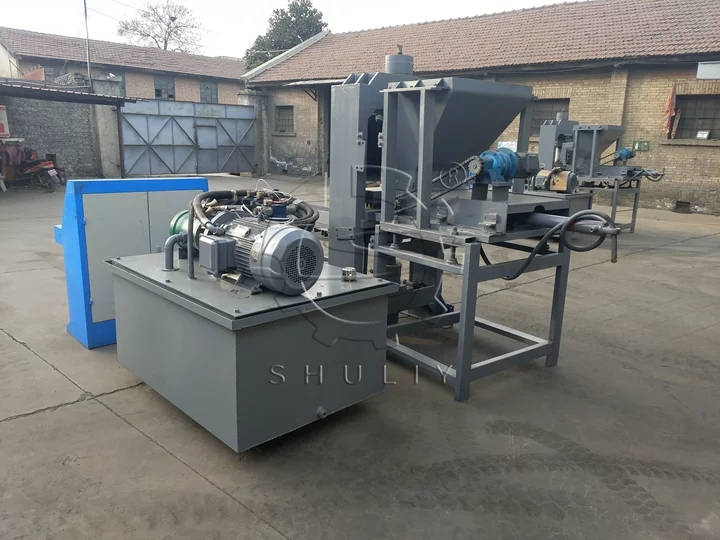
Máy làm than hookah được gửi đến Jakarta
Với tư cách là nhà cung cấp hàng đầu về máy sản xuất than cho shisha, chúng tôi…
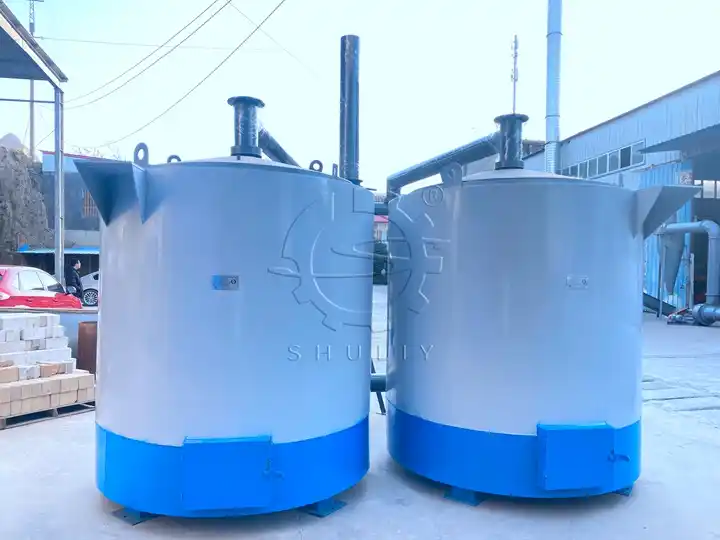
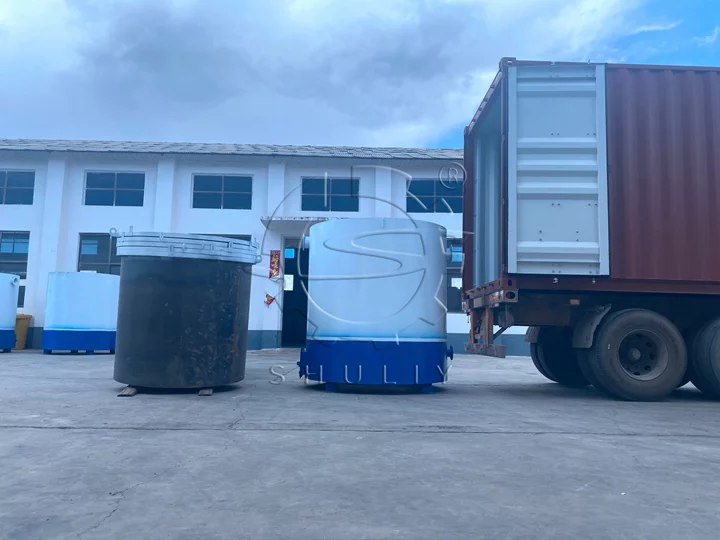
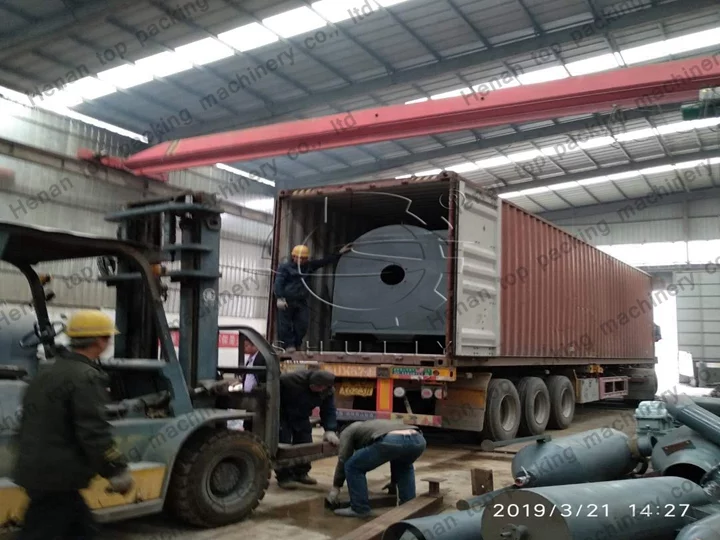
Hai lò carbon hóa đứng đã được vận chuyển đến Myanmar
Tin tốt! Lò cacbon hóa thẳng đứng của chúng tôi đã được vận chuyển thành công…
Sản phẩm hot
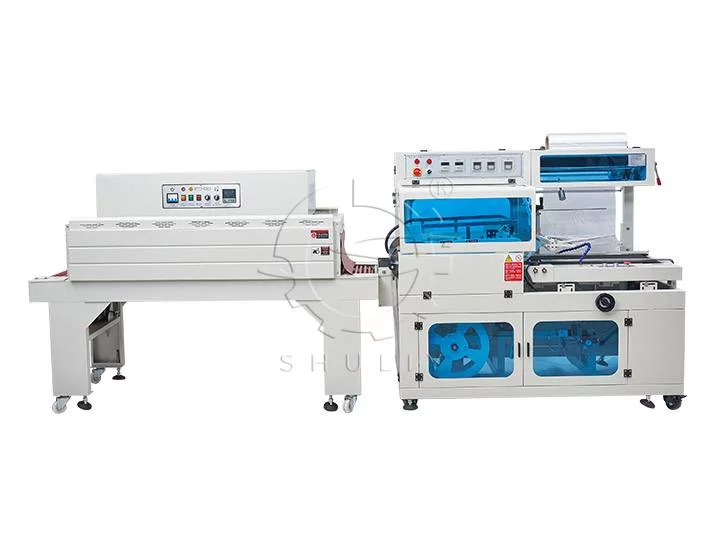
Máy đóng gói màng co nhiệt | Máy đóng gói than bánh
Máy đóng gói phim co nhiệt của chúng tôi, còn được gọi là…
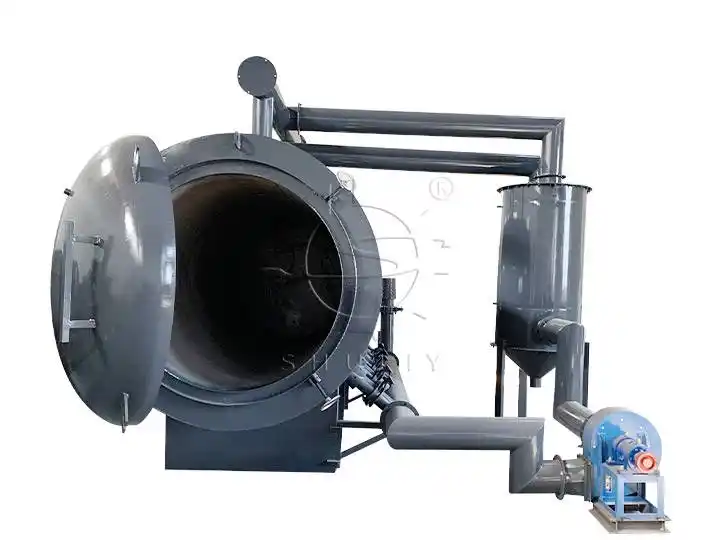
Lò than nằm ngang để sản xuất than sinh học
Lò than ngang là một thiết bị hiệu suất cao...
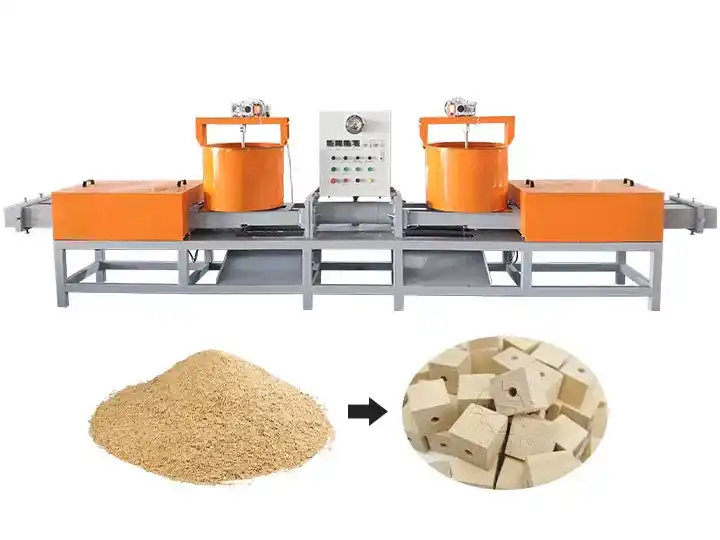
Máy làm khối gỗ Pallet
Máy sản xuất khối pallet gỗ sử dụng mùn cưa và…
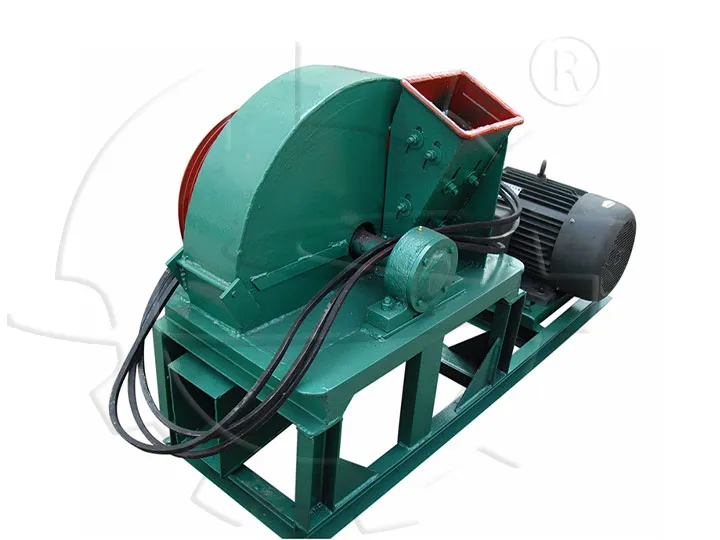
Máy bào gỗ | Gỗ dăm để lót chuồng cho động vật
Máy tạo dăm gỗ cắt và xử lý một cách hiệu quả…
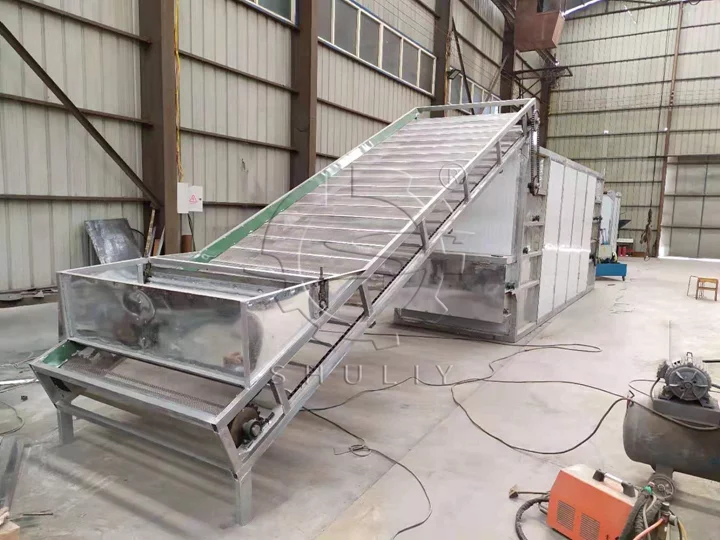
Máy sấy vành đai lưới cho than bánh
Máy sấy băng tải lưới, còn được gọi là…
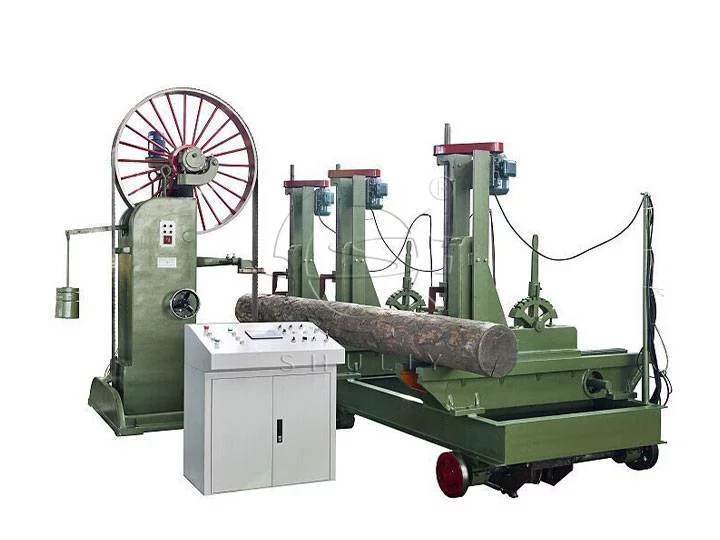
Máy cưa gỗ cầm tay | Máy cưa gỗ
Máy xẻ gỗ di động này thật tuyệt vời…
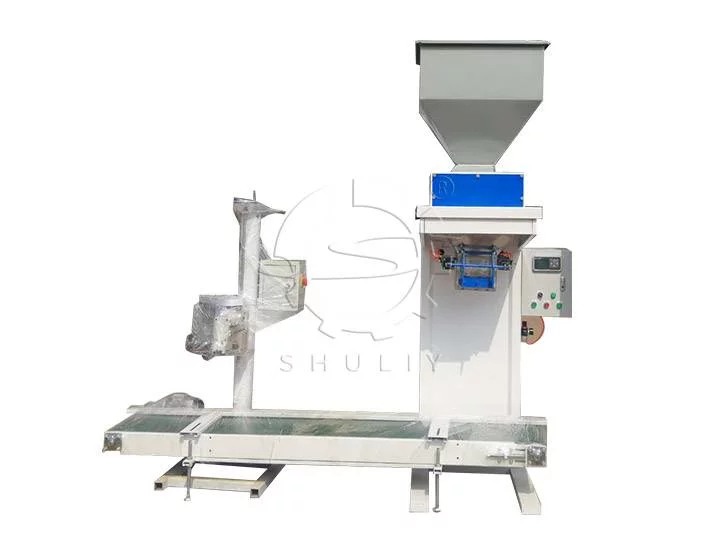
Máy đóng gói than bánh cho than nướng
Máy đóng gói than viên của chúng tôi, cụ thể là than BBQ…
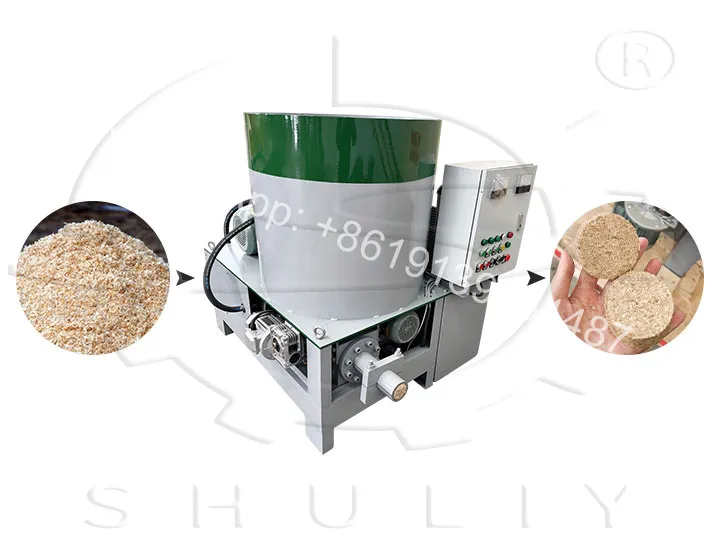
Hydraulic Sawdust Briquette Machine | Biomass Fuel Briquette Machine
Buy a hydraulic sawdust briquette machine for clean…
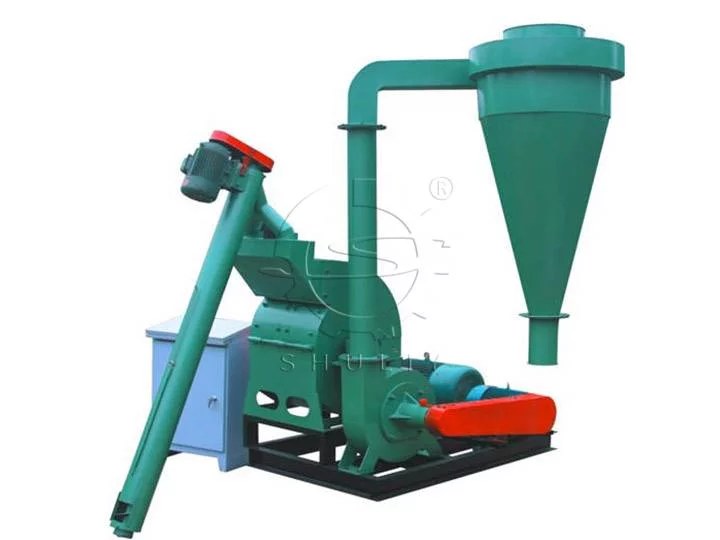
Máy Nghiền Than | Máy xay than
Máy nghiền than này có thể nghiền nguyên liệu gỗ…