
Lini Produksi Arang
Wood Charcoal Making Production Line | Sawdust Charcoal Briquette Production Line
Lini Produksi Arang
Wood Charcoal Making Production Line | Sawdust Charcoal Briquette Production Line
Sekilas Fitur
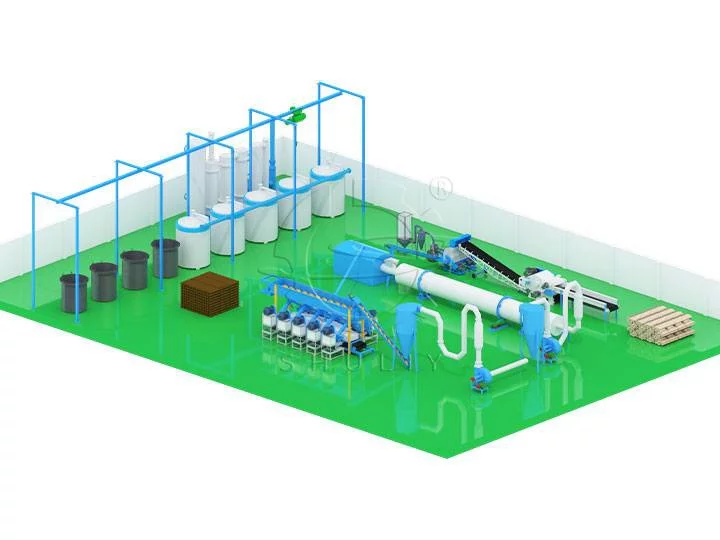
Itu jalur produksi arang machine by our company offers a comprehensive solution for transforming wood, wood chips, or other plant-based raw materials into high-density sawdust charcoal briquettes.
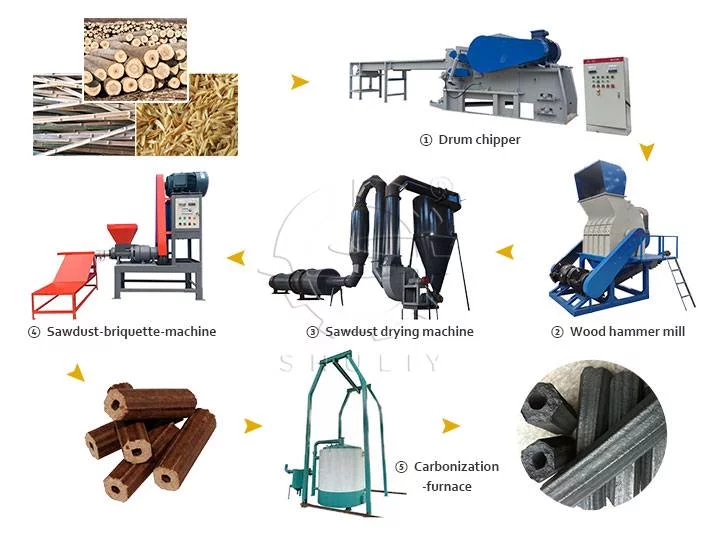
Our charcoal briquette production lines include processes such as crushing, mixing, molding, charring, and drying. We cater to various scales and processing needs. Configurations are available for 1-3t/d, 3-6t/d, Dan 6-10t/d output capacities.
Each line is equipped with essential machinery such as wood shredders, hammer mills, dryers, sawdust briquette machines, and carbonization furnaces. These charcoal-making units ensure efficient production from raw material preparation to the final charcoal product.
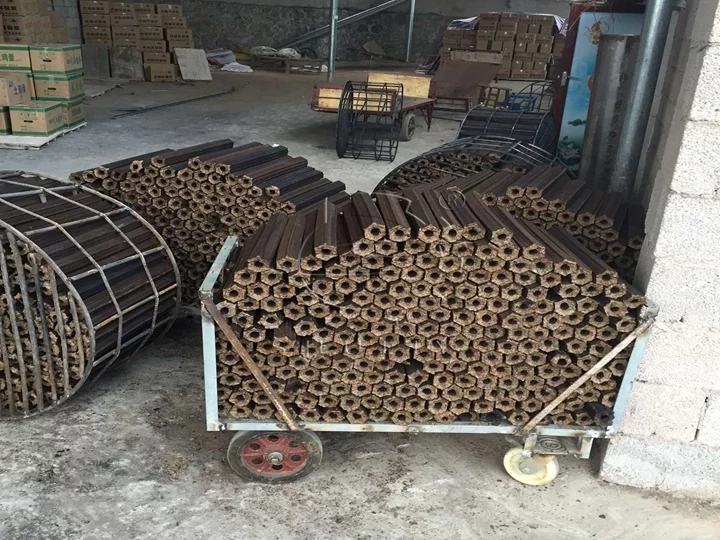
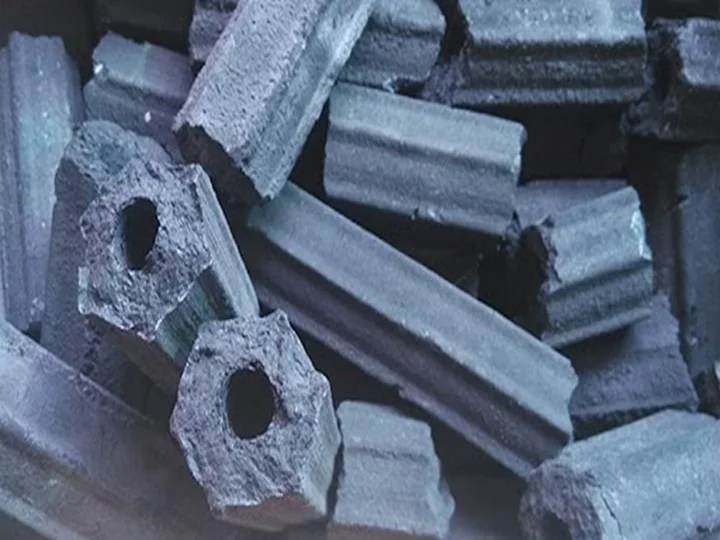
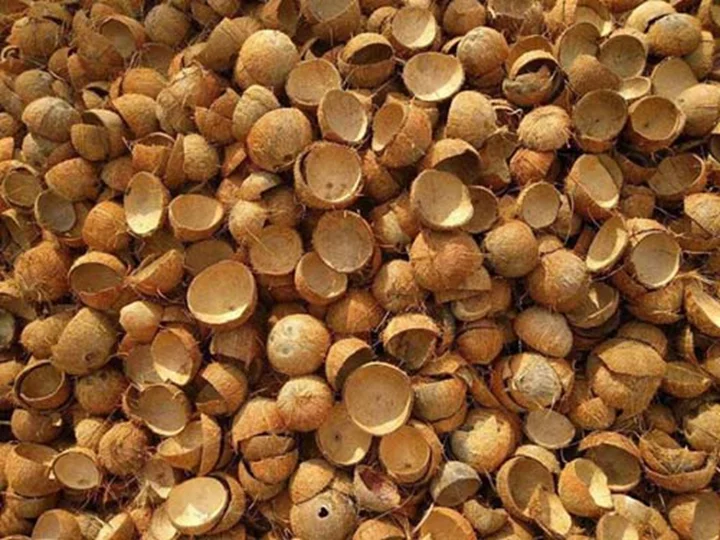
The line accepts wood waste with moisture below 40%. Raw materials include hardwood logs, branches, sawdust, bamboo, coconut shell, and fruit wood. The final product is high-density charcoal briquettes ready for barbecue, shisha, and industrial fuel markets.
Sebagai ahli dalam mesin arang biomassa, kami berspesialisasi dalam solusi peralatan yang dapat disesuaikan dan memaksimalkan efisiensi. Produk arang kami yang andal cocok untuk beragam aplikasi.
Raw Materials for the Charcoal Production Line
Memahami bahan mentah yang dibutuhkan untuk lini produksi arang adalah langkah pertama menuju keberhasilan pengoperasian.
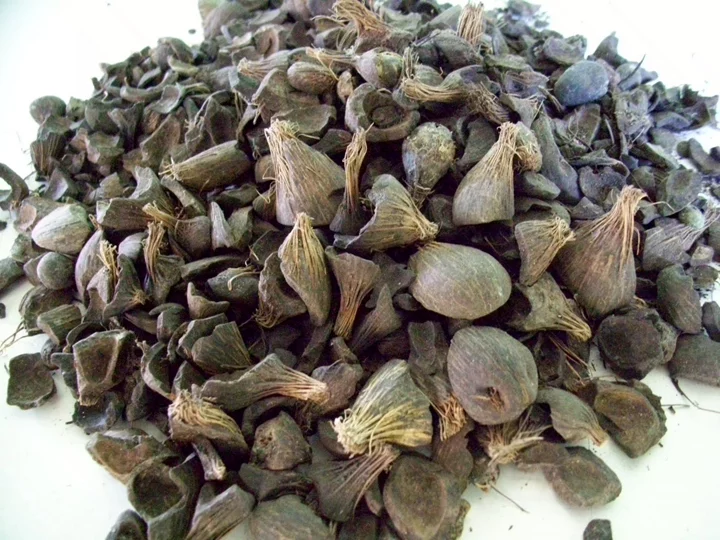
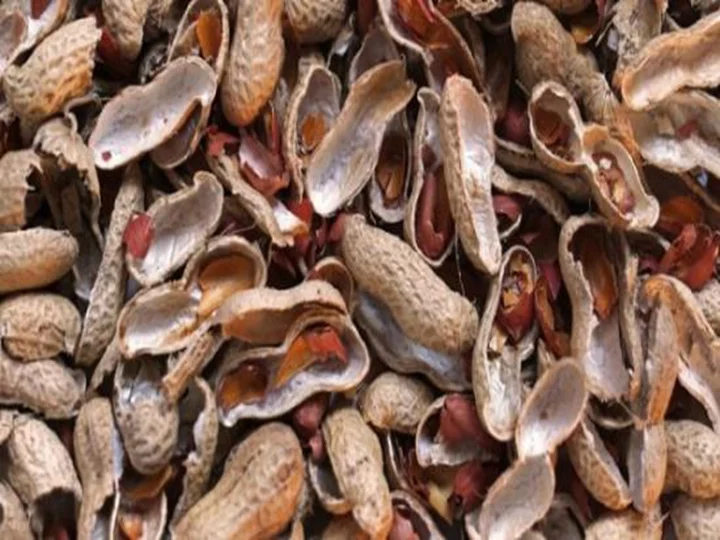
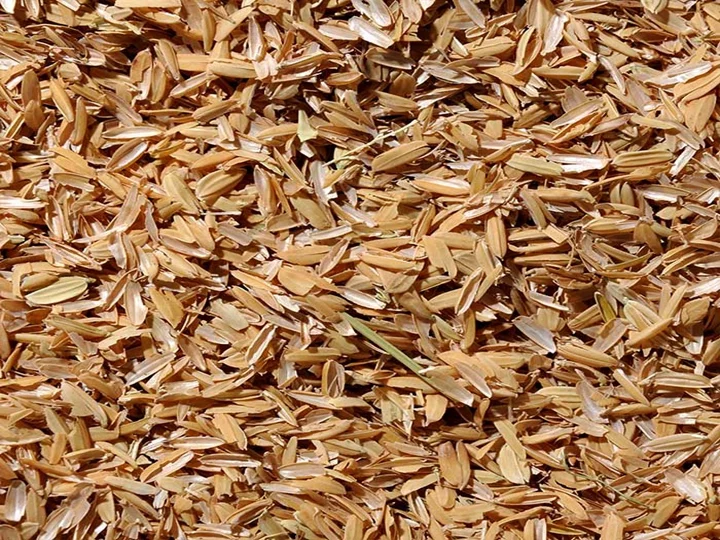
Lini produksi briket arang menggunakan beragam bahan mentah, umumnya termasuk kayu gelondongan, bambu, biomassa, sisa pertanian, dan tempurung kelapa. Setiap jenis biomassa menawarkan karakteristik dan pertimbangan yang unik.
Pilihan biomassa untuk produksi arang bergantung pada faktor-faktor seperti ketersediaan lokal, permintaan pasar, dan persyaratan produk spesifik untuk pabrik pengolahan Anda.
Selanjutnya, mari kita selidiki proses kerja lini produksi briket arang dan pahami secara spesifik setiap langkahnya.
How the Charcoal Making Plant Works: 5-Stage Process
Stage 1: Crushing
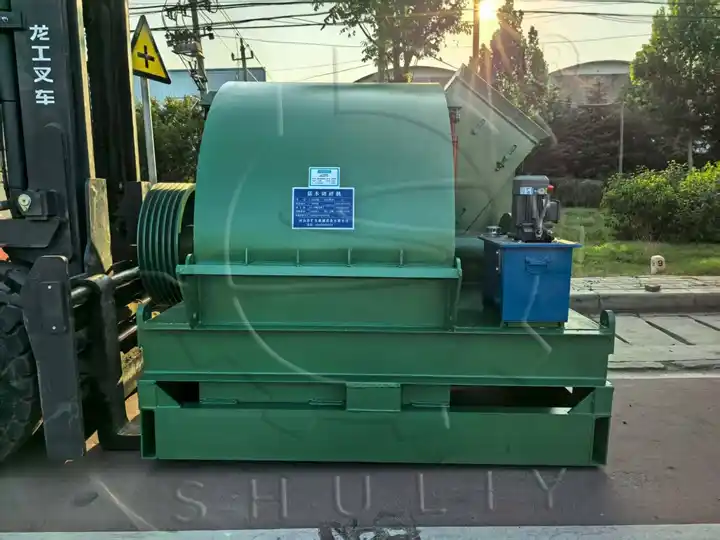
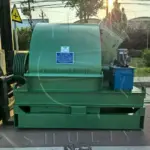
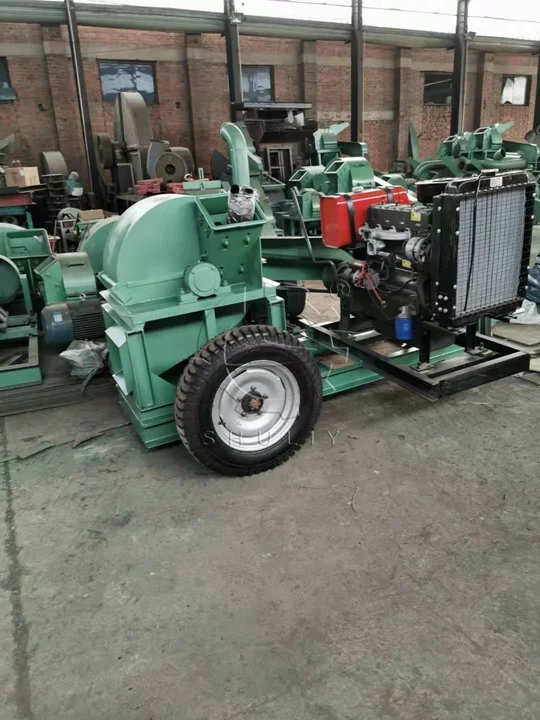
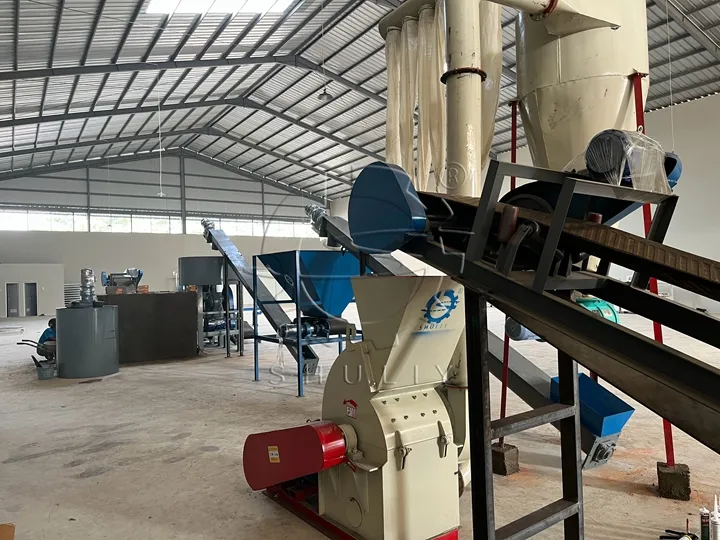
The SL-800 wood sawdust machine crushes logs, branches, and wood chips into fine sawdust. Capacity reaches 1,000 kg per hour. The 45 kW main motor drives alloy hammers against an internal screen. A 6-bag dust remover with 1,000 mm diameter keeps the workshop clean. Screen apertures from 0.6 mm to 12 mm control the final sawdust size.
Stage 2: Drying
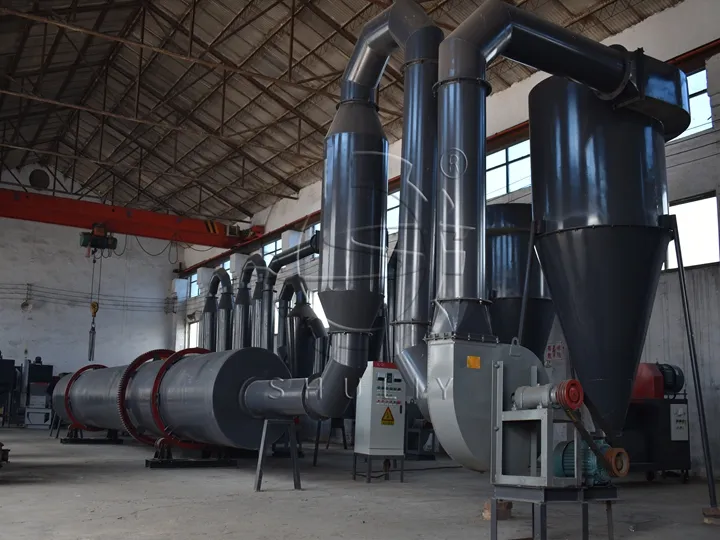
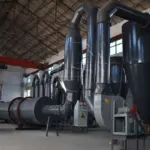
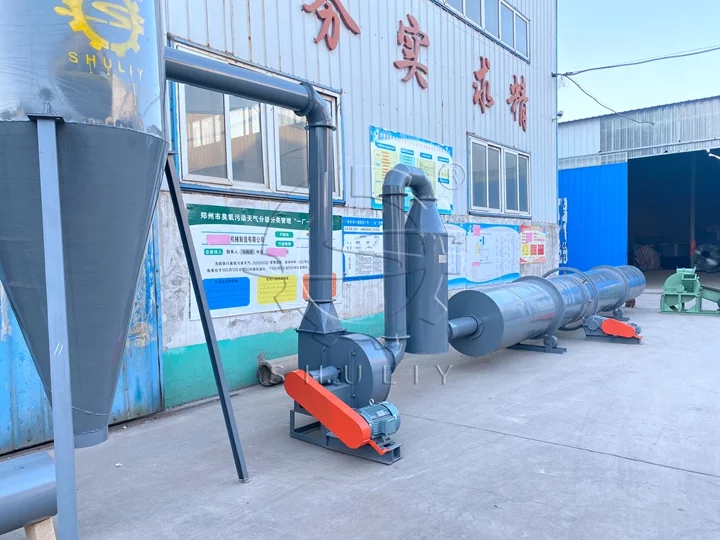
Wet sawdust cannot form strong briquettes. The SL-D1000 rotary drum dryer reduces moisture from 30–40% down to 8–12%. Capacity matches the crusher at 1,000 kg per hour. The dryer includes a cyclone dust collector, adjustable-speed motor, and independent control cabinet.
Stage 3: Briquetting
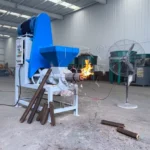
Dried sawdust enters the screw feeder. The feeder distributes material evenly to four SL-50 briquette machines. Each machine produces 200–250 kg of briquettes per hour. High-pressure screw extrusion compresses sawdust into dense rods without any binder. The machines use chromium-manganese alloy molds and C-type belts for longer service life.
Stage 4: Carbonization
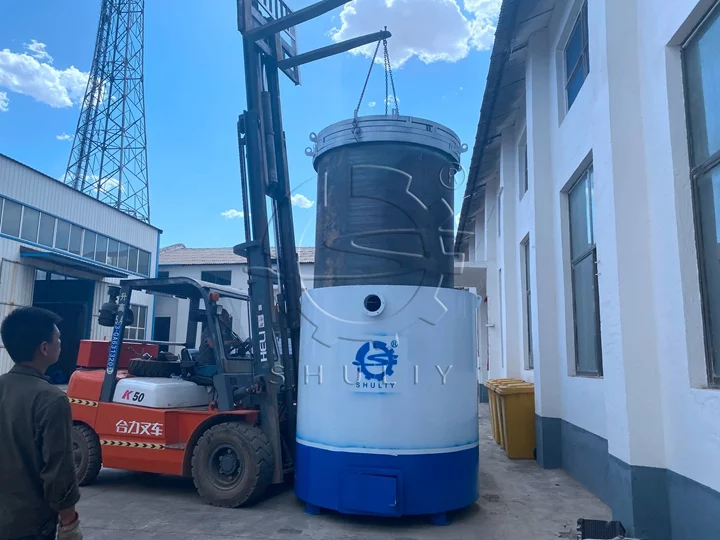
Biomass briquettes load into vertical carbonization furnaces. Each furnace processes one batch every 6–8 hours. After the first hour, combustible gases released from the briquettes sustain the furnace heat. No electricity or external fuel is required. Three furnaces working in rotation handle the daily output of the 1 ton/hour briquetting line.
Stage 5: Cooling and Packing
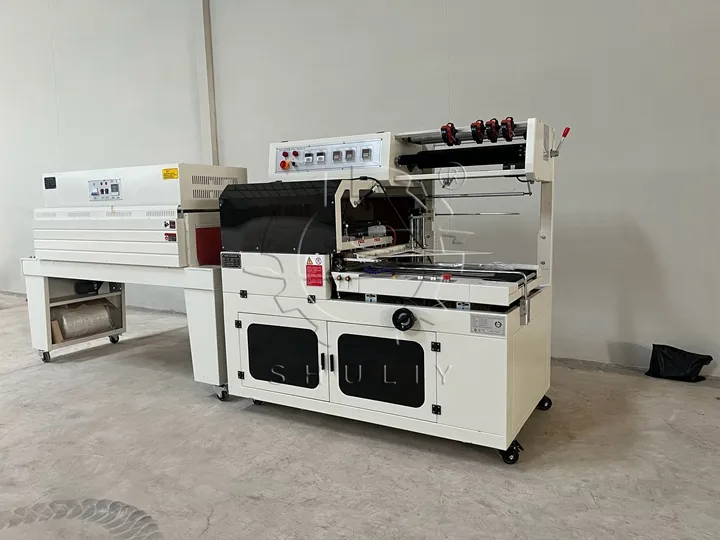
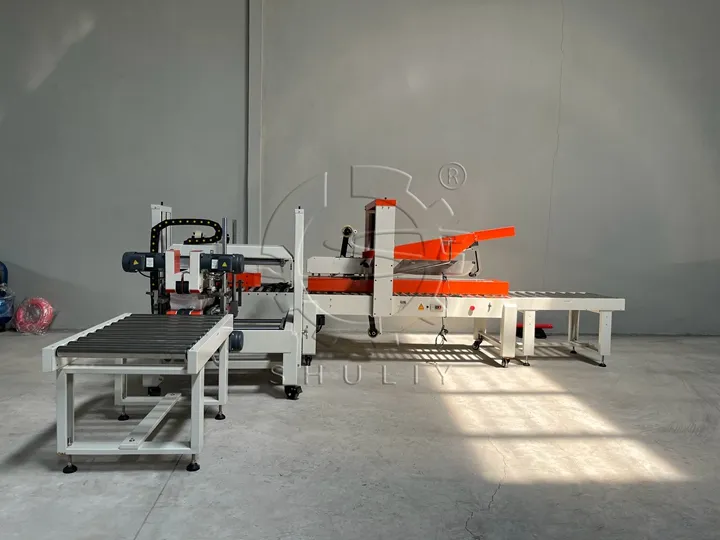
Hot charcoal cools inside the sealed inner stoves. Once at room temperature, the charcoal briquettes are ready for packaging and sale. The charcoal holds the briquette shape, density, and uniform size from the pressing stage.
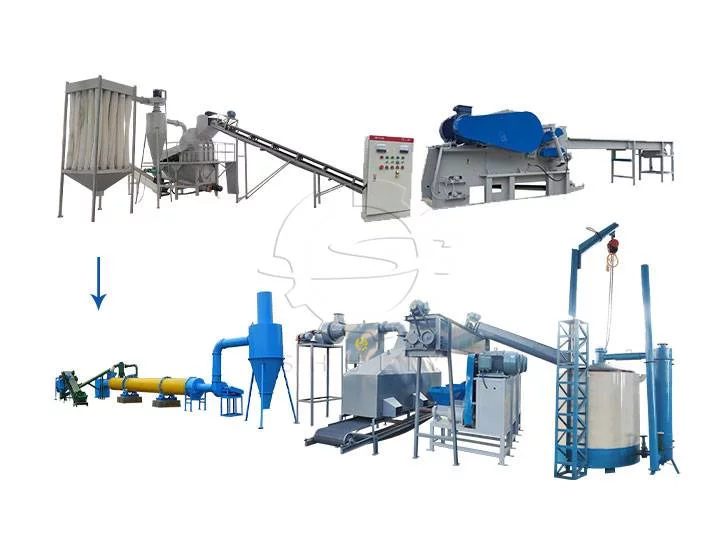
Charcoal Production Line Machine For Sale
Setelah memahami proses produksi, Anda mungkin tertarik dengan peralatan yang diperlukan. Kami menawarkan berbagai mesin untuk memenuhi kebutuhan yang berbeda.
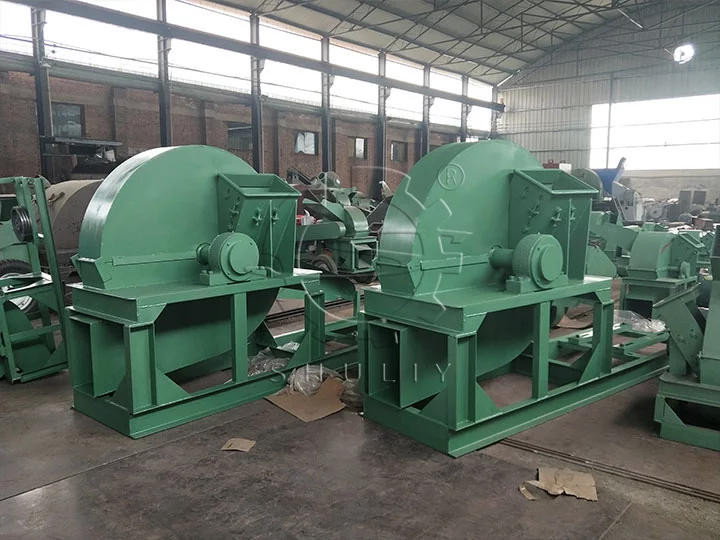
Mesin penghancur kayu digunakan untuk menghancurkan bahan mentah, seperti batang kayu atau ranting, menjadi partikel yang lebih kecil.
- Pencacahan yang efisien dan seragam, memastikan ukuran material yang konsisten untuk karbonisasi optimal.
- Operasi berkecepatan tinggi, menghemat waktu dan meningkatkan efisiensi produksi.
- Fleksibilitas untuk menangani berbagai jenis kayu dan bahan biomassa.
Pengering serbuk gergaji bertanggung jawab untuk mengurangi kadar air bahan mentah.
- Pengeringan yang cepat dan seragam, memastikan bahan mentah cocok untuk pembuatan briket dan karbonisasi.
- Pengoperasian hemat energi, mengurangi biaya produksi.
- Suhu dan waktu pengeringan yang dapat disesuaikan untuk kontrol kadar air yang tepat.
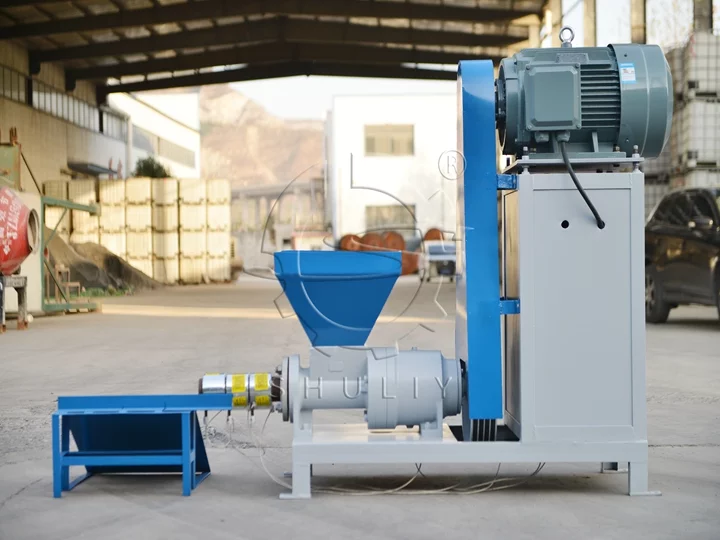
Mesin briket biomassa digunakan untuk mengompresi bahan mentah kering menjadi briket dengan bentuk yang diinginkan.
- Produksi briket yang konsisten dan seragam, menjamin kualitas produk.
- Tekanan dan kepadatan yang tinggi pada saat pembuatan briket, menghasilkan briket yang kompak dan tahan lama.
- Fleksibilitas untuk bekerja dengan berbagai bahan biomassa, menawarkan fleksibilitas dalam pilihan produk.
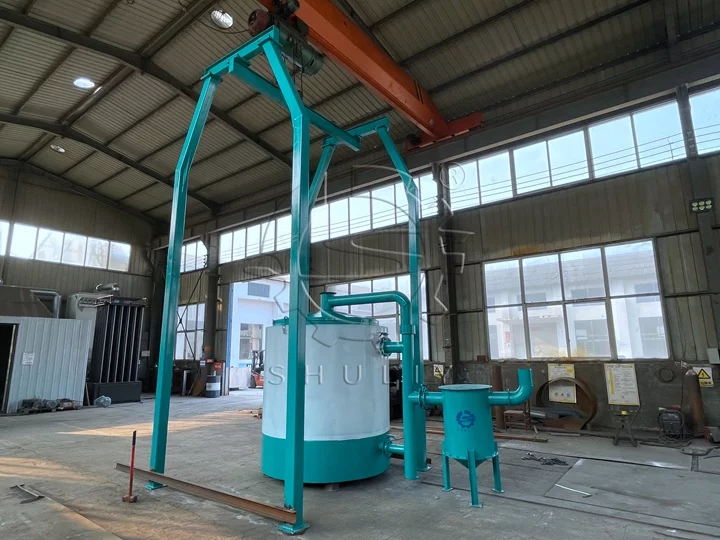
Tungku karbonisasi merupakan tahap akhir dimana briket diubah menjadi arang melalui proses karbonisasi.
- Pemanasan terkendali dan kekurangan oksigen untuk karbonisasi optimal.
- Insulasi suhu tinggi, memastikan karbonisasi yang efisien dan menyeluruh.
- Fitur keselamatan dan mekanisme pengendalian emisi untuk mematuhi standar lingkungan.
Charcoal Production Line Equipment List
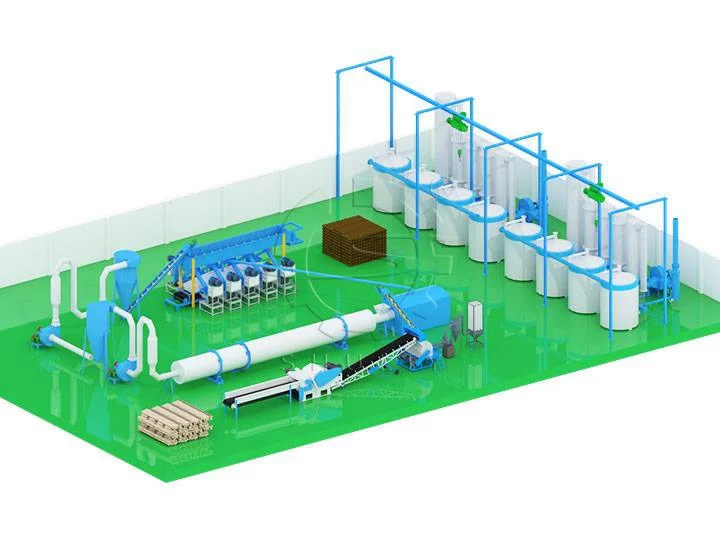
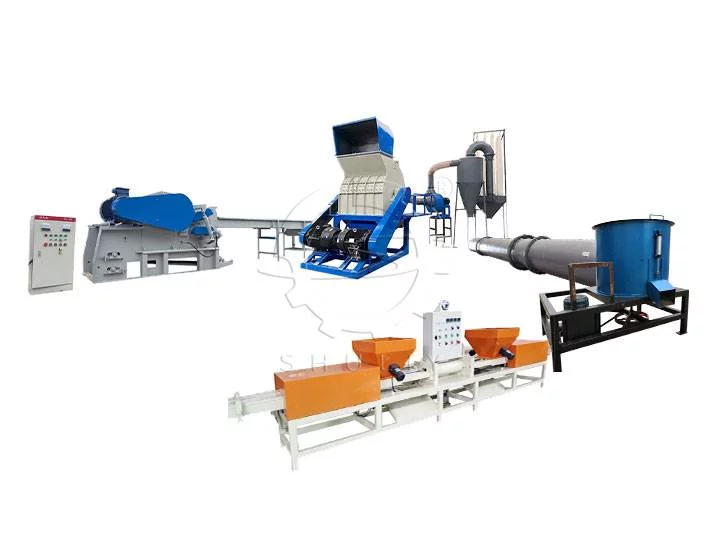
A complete 1 ton/hour charcoal production line includes the following machines:
| Peralatan | Fungsi | Daya (kW) |
|---|---|---|
| Wood sawdust machine (SL-800) | Crushes wood chips and logs into serbuk gergaji | 45 + 7.5 |
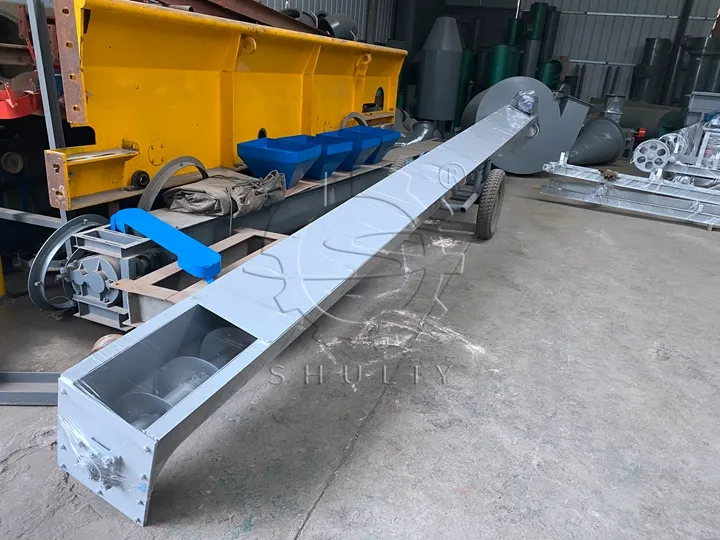
| Screw conveyor (6m) | Transports sawdust to the dryer | 4 |
| Rotary drum dryer (SL-D1000) | Reduces sawdust moisture to 8–12% | 3 + 15 |
| Screw conveyor (4m) | Transports dried sawdust to the feeder | 4 |
| Screw feeder (SL-4) | Distributes sawdust evenly to 4 briquette machines | 5.5 |
| Mesin briket serbuk gergaji (SL-50) × 4 | Presses sawdust into biomass briquettes | 18.5 × 4 |
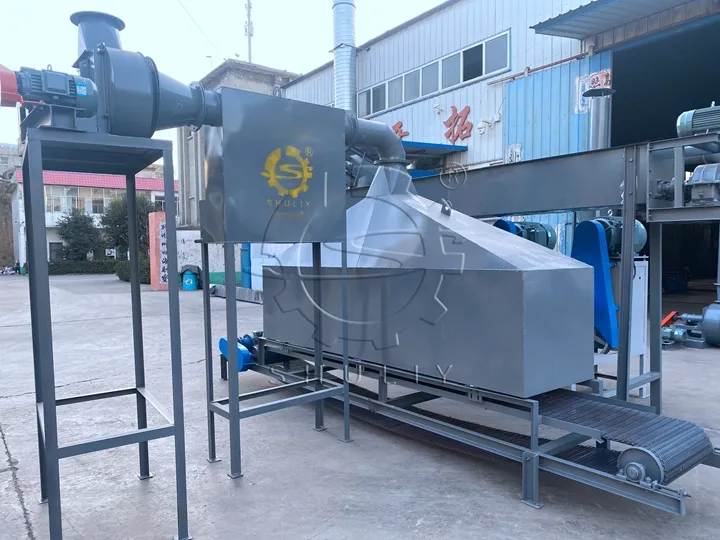
| Smoke collector (SL-4) | Collects and purifies smoke from briquetting | 4 |
| Belt conveyor | Collects finished biomass briquettes | 1.5 |
| Vertical carbonization furnace × 3 | Carbonizes briquettes into charcoal | 0 (self-sustaining gas) |
- Total working area: 200–300 m².
- Total labor: 3–4 operators per shift.
- Total power (line excluding furnaces): 163.5 kW.
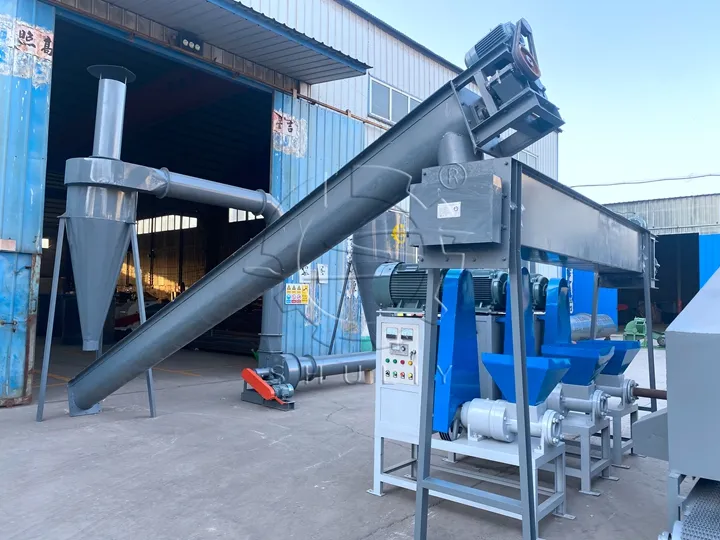
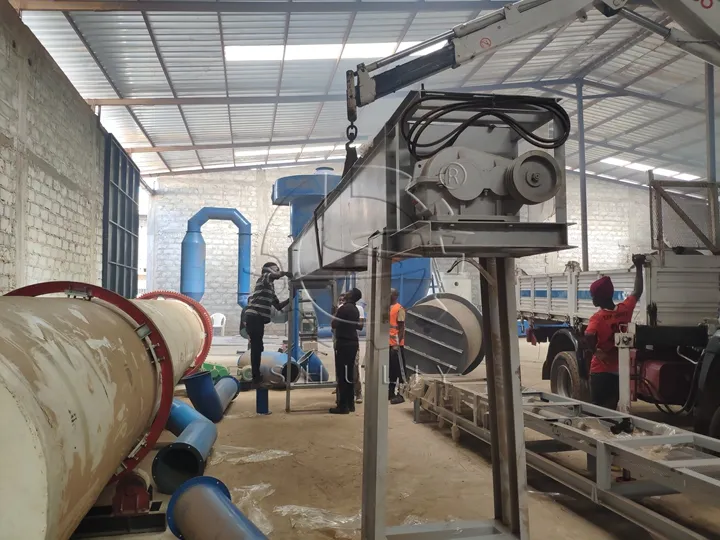
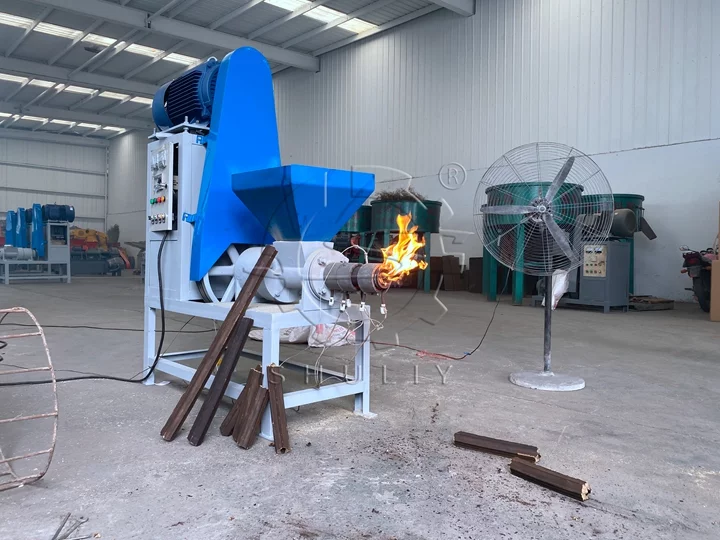
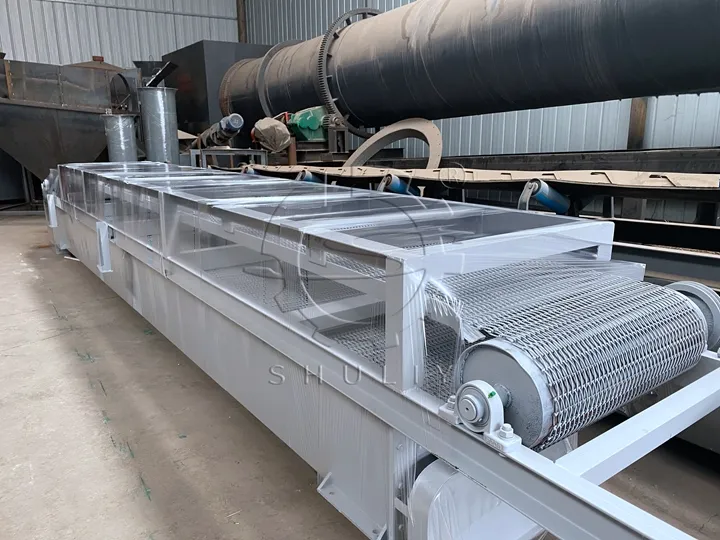
Advantages of The Charcoal Production Line
Wood Sawdust Machine (SL-800)
The crusher is the line’s front end. Its 45 kW copper-core motor handles logs and large branches. An optional large feed inlet accepts tree trunks directly. Spare hammers and screens ship with the machine. Keep hard metals and stones out of the feed opening to protect the blades.
Rotary Drum Dryer (SL-D1000)
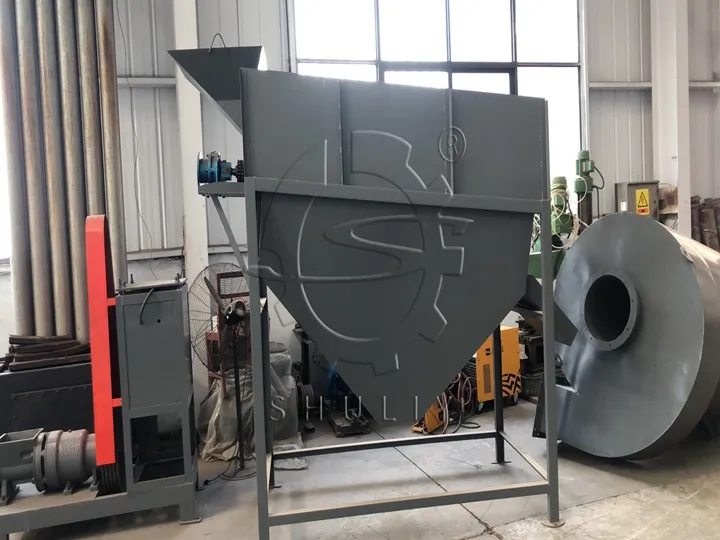
The dryer’s 1,000 mm drum runs on 3 kW main power plus a 15 kW fan. Hot air flows through the rotating drum and carries moisture out. The adjustable-speed motor lets you slow the drum for very wet material.
Weight: 2,800 kg.
Sawdust Briquette Machine (SL-50) × 4
Each briquette machine runs on an 18.5 kW national-standard all-copper motor. Key design points:
- 100 cm bearing: more stable feeding and longer bearing life
- U-steel frame: resists deformation under continuous pressure
- Pre-welded screw angle: suits 90% of common raw materials out of the box
- Chromium-manganese alloy mold: extended mold life against abrasive sawdust
The four machines press at the same time. Even if one machine stops for maintenance, the other three keep producing.
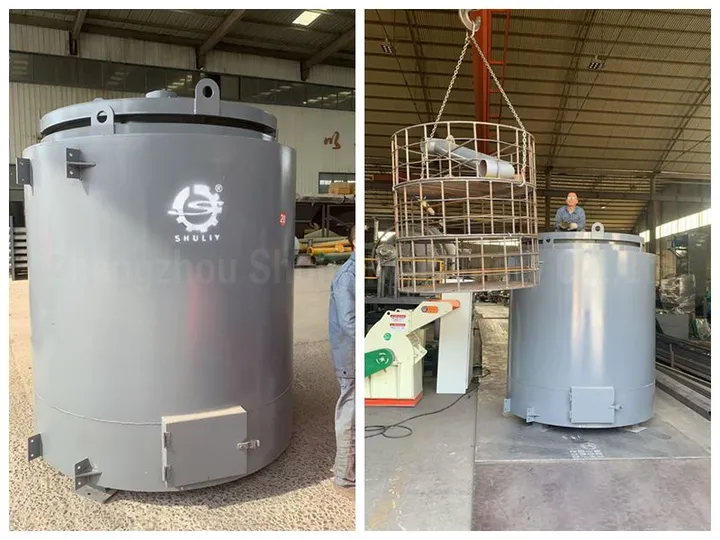
Vertical Carbonization Furnace × 3
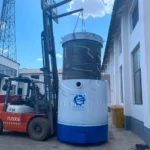
The vertical carbonization furnace is the final value-adding stage. Each furnace includes one outer body and three inner stoves. While one stove carbonizes, another cools, and a third loads. This rotation keeps production continuous.
Key parameters per furnace:
| Parameter | Value |
|---|---|
| Batch cycle | 6–8 hours |
| Daily capacity per furnace | 2.5–3 tons of charcoal |
| Inner stove loading | 2,600–3,000 kg per batch |
| Electricity required | None |
| External fuel after startup | 50–80 kg waste biomass per batch |
The sealed chamber produces uniform, low-smoke charcoal. Optional condensers recover wood vinegar and tar as sellable by-products.
Why Invest in This Charcoal Production Line?
- Briquettes sell for more than lump charcoal. Uniform shape, high density, and long burn time command premium prices in barbecue and export markets.
- No electricity for carbonization. The vertical furnaces recycle their own combustible gases. Your electricity bill only covers crushing, drying, and briquetting.
- Modular investment. Buy 1 briquette machine today, add 3 more when orders grow. No equipment becomes obsolete.
- Low labor demand. 3–4 workers run the entire 1 ton/hour line. Automated conveyors remove manual material handling between stages.
- Turnkey delivery. One supplier provides every machine, the layout drawing, and the wiring plan. No compatibility problems between equipment from different factories.
How to Set Up a Charcoal Processing Plant?
Mendirikan pabrik pengolahan arang memerlukan perencanaan yang matang. Mulailah dengan riset pasar dan rencana bisnis untuk memahami permintaan dan persaingan. Pilih lokasi yang dekat dengan bahan baku dan transportasi, dengan mempertimbangkan peraturan lingkungan. Investasikan pada peralatan penting seperti mesin penghancur, pengering, tungku karbonisasi, dan mesin pengemasan.
Pastikan pasokan bahan mentah tetap dan rawat peralatan secara teratur. Mematuhi peraturan setempat untuk operasi yang efisien dan berkelanjutan. Mengembangkan strategi pemasaran dan membangun saluran distribusi. Melatih staf tentang pengoperasian peralatan, kontrol kualitas, dan keselamatan untuk tenaga kerja yang terampil dan efisien.
Setelah pabrik didirikan, memahami penerapan produk arang akan membantu Anda memperluas pasar dan saluran penjualan.
Charcoal Production Line Application
- Manufaktur industri. Digunakan oleh industri yang membutuhkan arang untuk proses seperti metalurgi, produksi kimia, dan pembangkit energi.
- Pertanian dan kehutanan. Dimanfaatkan oleh petani dan operasi kehutanan untuk mengubah limbah pertanian, sisa kayu, dan biomassa menjadi arang untuk dijual atau digunakan pribadi.
- Penggunaan komersial. Dipekerjakan oleh perusahaan komersial, seperti pabrik produksi dan produsen arang, untuk memproduksi produk arang untuk distribusi eceran dan grosir.
- Solusi lingkungan. Diadopsi oleh organisasi dan inisiatif lingkungan yang berfokus pada praktik berkelanjutan dan pengelolaan limbah, menggunakan limbah biomassa untuk produksi arang guna mengurangi dampak lingkungan.
- Sektor energi. Diterapkan di sektor energi untuk memproduksi arang sebagai sumber energi terbarukan, berkontribusi terhadap kemandirian energi dan mengurangi ketergantungan pada bahan bakar fosil.
- Penelitian dan pengembangan. Digunakan di lembaga penelitian dan universitas untuk mempelajari teknik produksi arang, proses karbonisasi, dan mengeksplorasi penerapan baru arang.
Common Charcoal Production Problems and Solutions
Problem 1: Briquettes crack or break during carbonization.
- Cause: sawdust moisture was too high during pressing.
- Solution: hold dryer output moisture at 8–12% and let hot briquettes cool before loading the furnace.
Problem 2: Dryer cannot keep up with the crusher.
- Cause: raw material is too wet.
- Solution: pre-dry very wet wood in open air for 1–2 days, or reduce crusher feed rate until moisture balance stabilizes.
Problem 3: Briquette machine molds wear fast.
- Cause: sand or stone contamination in sawdust.
- Solution: screen raw material before crushing. Keep chromium-manganese alloy spare molds in stock.
Problem 4: Charcoal output is lower than briquette output.
- Cause: furnaces are the bottleneck.
- Solution: add one vertical carbonization furnace for every 2.5–3 tons of daily briquette production.
Why Choose Shuliy for Your Charcoal Making Plant?
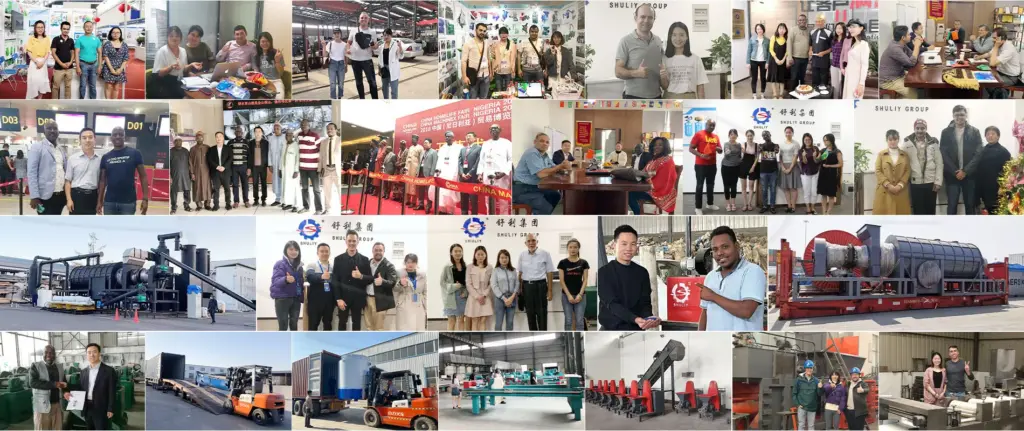
- Complete line from one factory. Shuliy manufactures the crusher, dryer, briquette machines, conveyors, and carbonization furnaces. Every machine is tested together before shipping.
- Layout design included. Send us your workshop dimensions. Our engineers provide a free 2D/3D layout showing machine positions, material flow, and operator stations.
- Wear parts in stock. Hammers, screens, screws, molds, and inner stoves ship within 48 hours. Your line never waits weeks for a spare part.
- 12-month warranty, lifetime support. Machine faults during the warranty period are our responsibility. Technical support continues for the equipment’s entire service life.
- Flexible installation options. Installation is simple enough for self-installation with our manuals and videos. On-site engineer teams are available for full commissioning and operator training.
Get a Custom Charcoal Production Line Quote
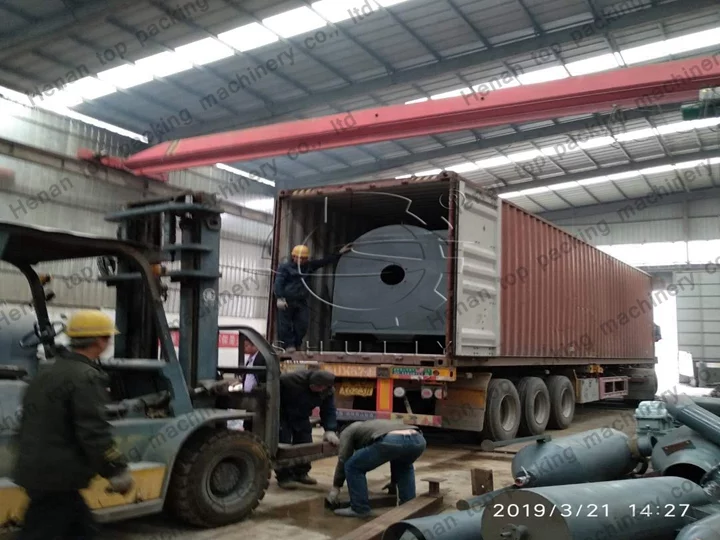
This charcoal production line turns wood waste into premium charcoal briquettes at 1 ton per hour. Tell us your raw material type, moisture content, and daily output target. Shuliy engineers will recommend the right number of briquette machines and carbonization furnaces, then send a detailed quotation with a layout drawing and shipping schedule within 24 hours.
FAQ
How much charcoal does 1 ton of briquettes produce after carbonization?
One ton of dried biomass briquettes yields approximately 700–800 kg of finished charcoal in the vertical furnace. The briquettes are already compressed and dried before carbonization, so the yield is much higher than carbonizing raw wood directly.
Can this charcoal production line process coconut shell?
Yes. Coconut shell crushes well in the SL-800 machine. However, coconut shell can also be carbonized directly in the vertical furnace without briquetting. Many buyers run both processes in the same plant.
What happens if my raw material moisture is above 40%?
Material above 40% moisture overloads the dryer and reduces line output. Store very wet material in a ventilated area for several days before processing, or add a second drying pass.
Can I start the line without the carbonization furnaces?
Yes. Some buyers sell raw biomass briquettes directly to carbonization plants or boiler fuel markets first. The furnaces can be added later when you are ready to move into higher-margin charcoal sales.
What power supply does the line need?
The line requires a three-phase industrial supply of approximately 165–180 kW capacity. The carbonization furnaces need no electrical connection. A diesel generator set can run the line in off-grid areas.
How long does installation take?
Self-installation with our drawings typically takes 5–7 days with 3–4 workers. An on-site Shuliy engineer team completes installation, commissioning, and operator training in approximately 3–4 days.
Mesin Pembuat Arang BBQ | Mesin Press Bola Batubara
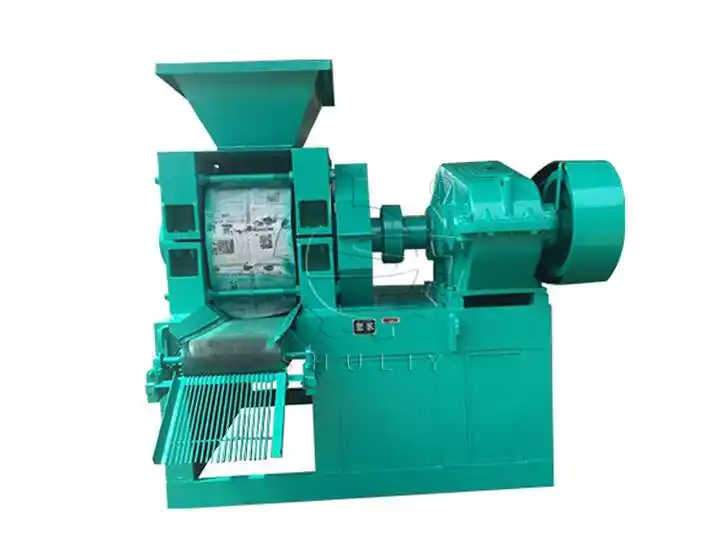
Mesin Pembuatan Arang BBQ dapat menekan bahan bubuk, seperti…
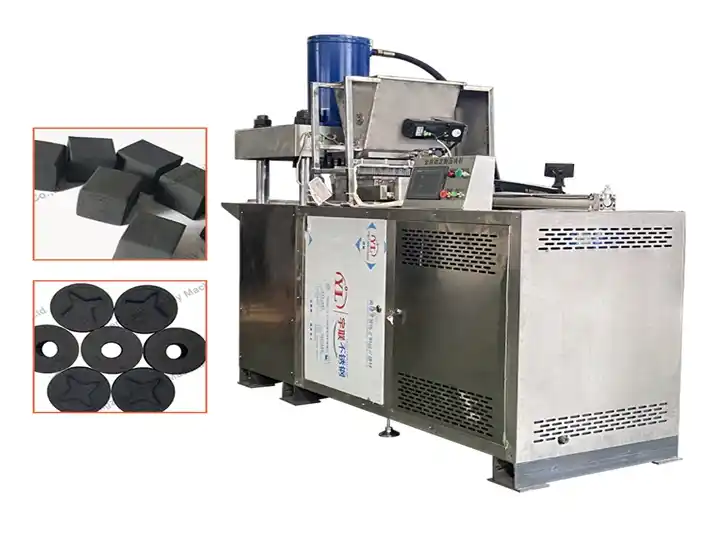
Mesin Arang Shisha untuk Arang Hookah Bulat & Kubus
Mesin Arang Shisha populer kami dapat memproduksi arang shisha berkualitas tinggi…
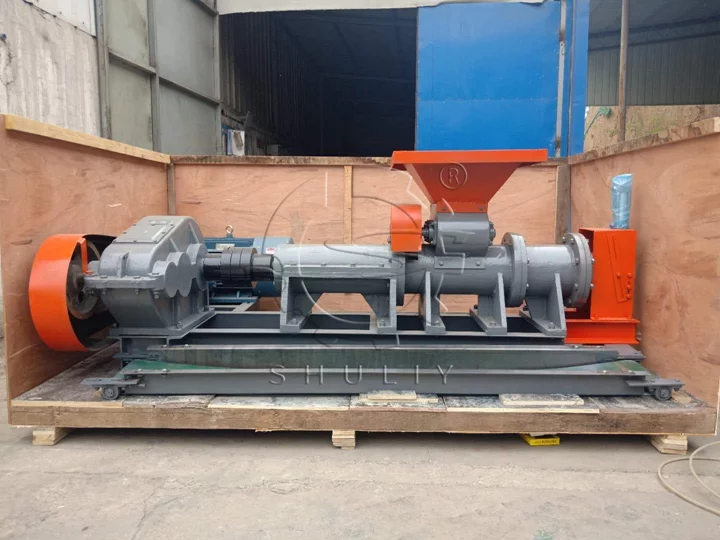
Mesin press briket arang diekspor ke Irak
Baru-baru ini, mesin press briket arang kami telah berhasil terjual…
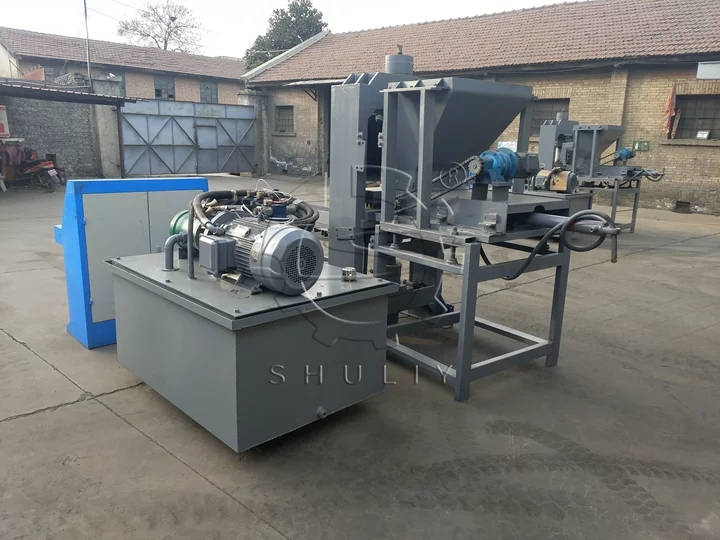
Mesin pembuat arang hookah dikirim ke Jakarta
Sebagai pemasok terkemuka mesin pembuat arang hookah, kami…
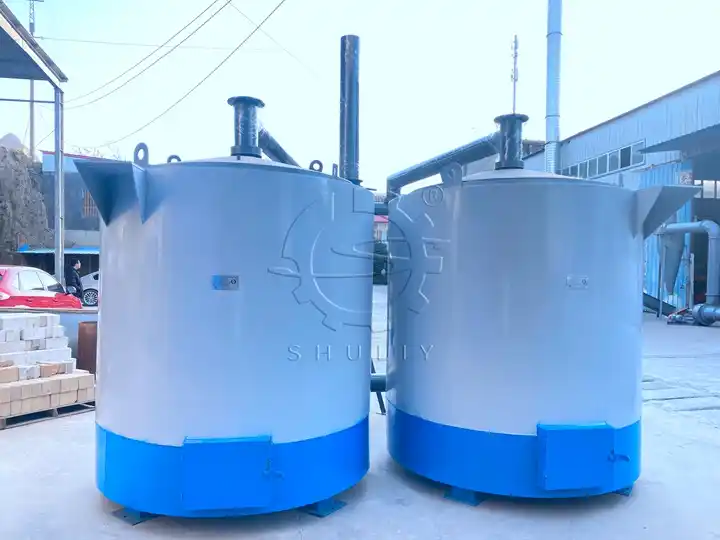
Dua furnace karbonisasi vertikal dikirim ke Myanmar
Kabar baik! Furnace karbonisasi vertikal kami telah berhasil dikirim…
Produk Panas
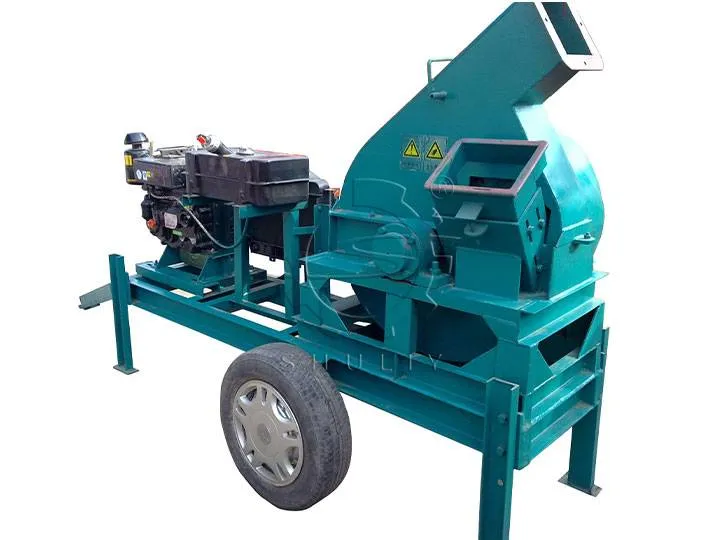
Pemotong Kayu Cakram | Mesin Pembuat Serpihan Kayu
Mesin perajang kayu cakram berdiri sebagai solusi serbaguna…
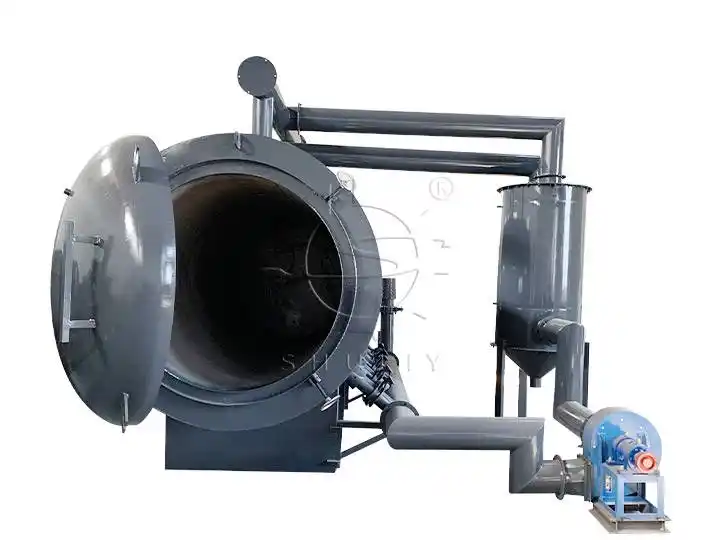
Tungku Arang Horisontal untuk Memproduksi Biochar
Tungku Arang Horizontal adalah peralatan berkinerja tinggi…
Mesin Pembuat Arang BBQ | Mesin Press Bola Batubara
Mesin Pembuat Arang BBQ dapat menekan material berwujud bubuk,…
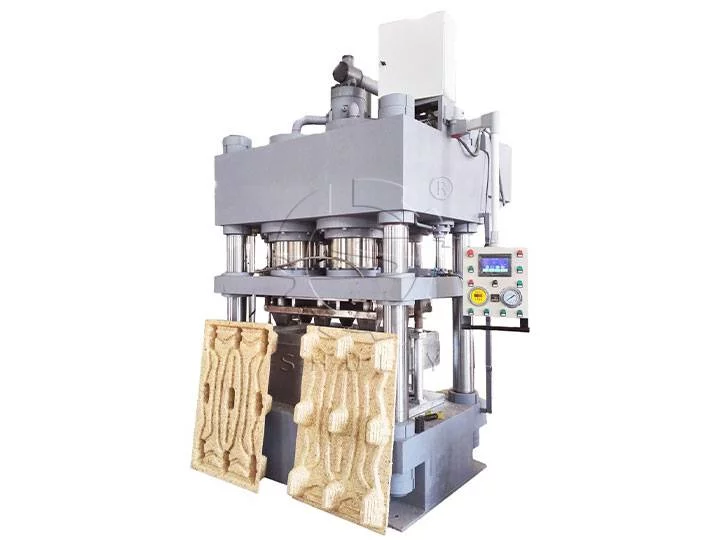
Mesin Pallet Kayu Terkompresi untuk Pallet Kayu Press
Mesin palet kayu terkompresi kami dirancang untuk…
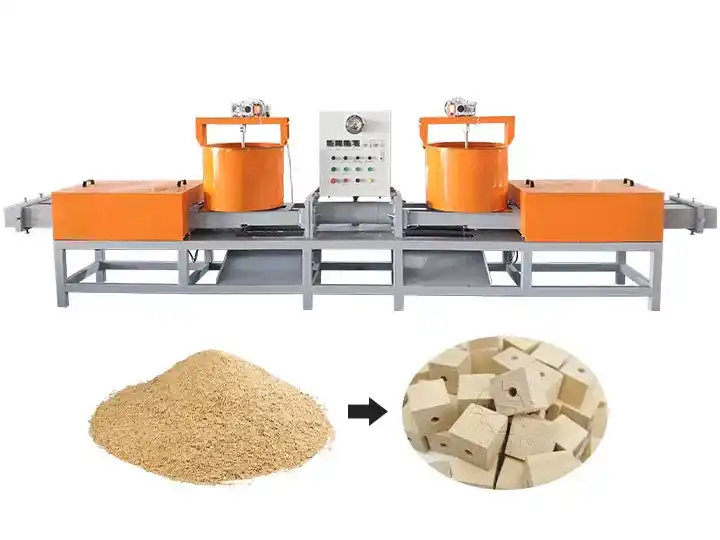
Mesin Pembuat Blok Pallet Kayu
Mesin pembuat balok palet kayu memanfaatkan serbuk gergaji dan…
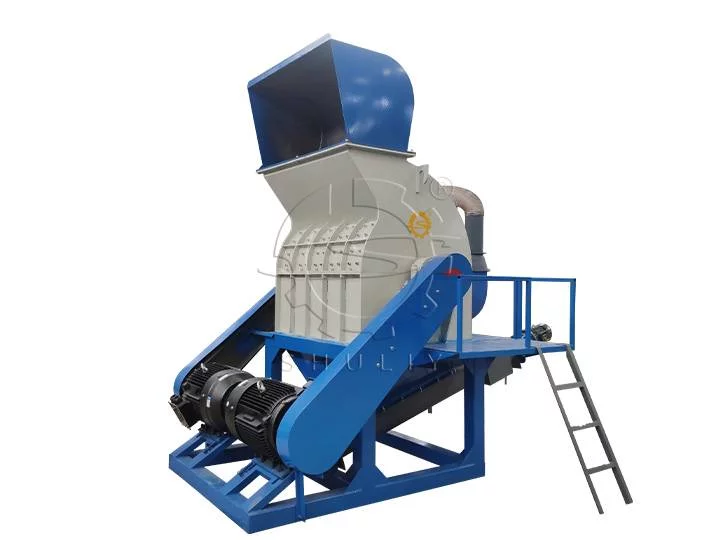
Pabrik Palu Kayu | Penghancur Pabrik Hammer
Wood Hammer Mill secara efisien menghancurkan serpihan kayu,…
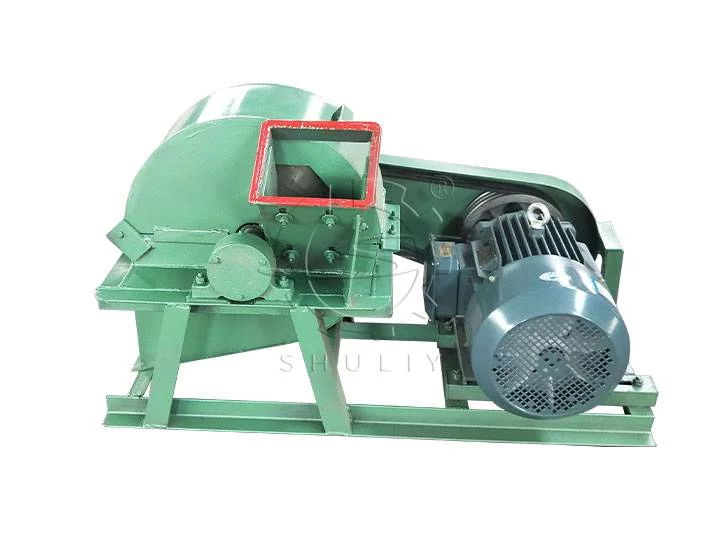
Mesin Penghancur Kayu | Mesin Penghancur Kayu Industri
Mesin penghancur kayu dirancang untuk memproses…
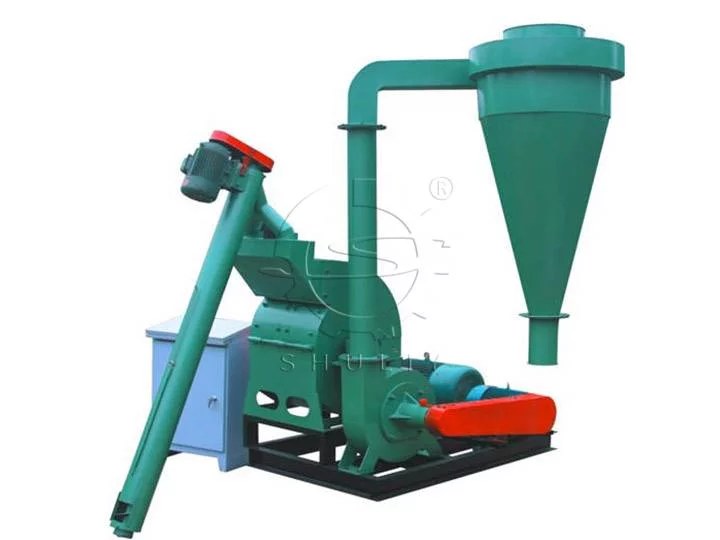
Mesin Penghancur Arang | Mesin Penggiling Arang
Mesin penghancur arang ini dapat menghancurkan bahan baku kayu…
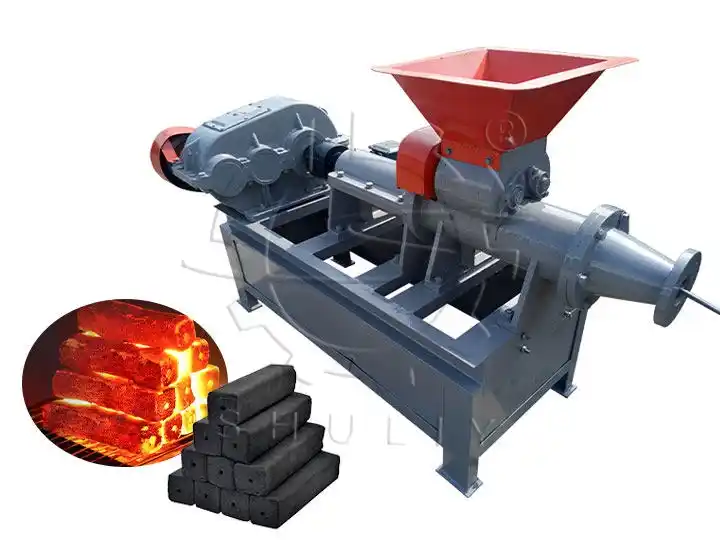
Mesin Briket Arang | Mesin Extruder Arang
Mesin briket arang atau dikenal juga dengan sebutan…