
Linha de produção de carvão
Wood Charcoal Making Production Line | Sawdust Charcoal Briquette Production Line
Linha de produção de carvão
Wood Charcoal Making Production Line | Sawdust Charcoal Briquette Production Line
Visão geral dos recursos
O linha de produção de carvão machine by our company offers a comprehensive solution for transforming wood, wood chips, or other plant-based raw materials into high-density sawdust charcoal briquettes.
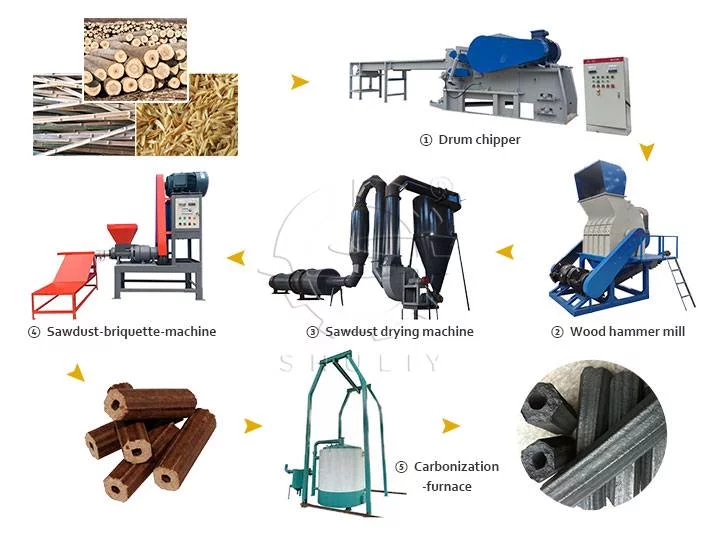
Our charcoal briquette production lines include processes such as crushing, mixing, molding, charring, and drying. We cater to various scales and processing needs. Configurations are available for 1-3t/d, 3-6t/d, e 6-10t/d output capacities.
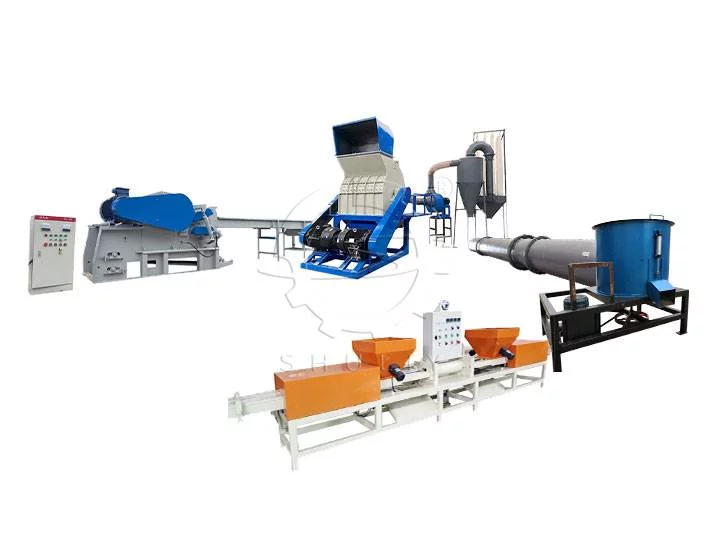
Each line is equipped with essential machinery such as wood shredders, hammer mills, dryers, sawdust briquette machines, and carbonization furnaces. These charcoal-making units ensure efficient production from raw material preparation to the final charcoal product.
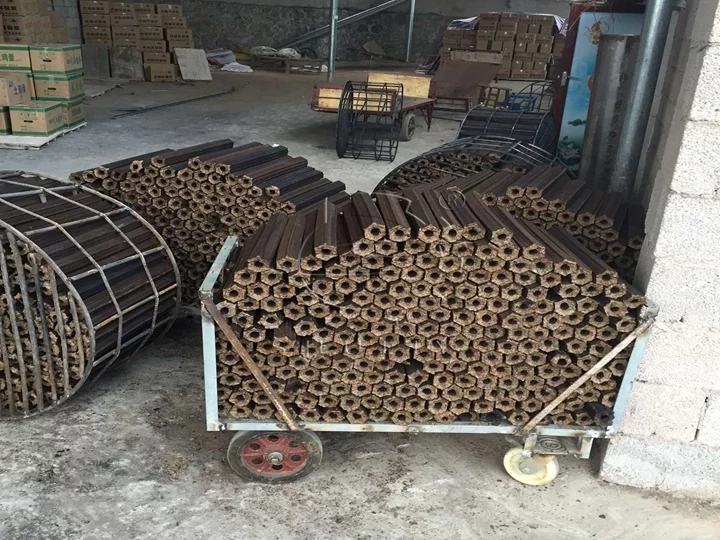
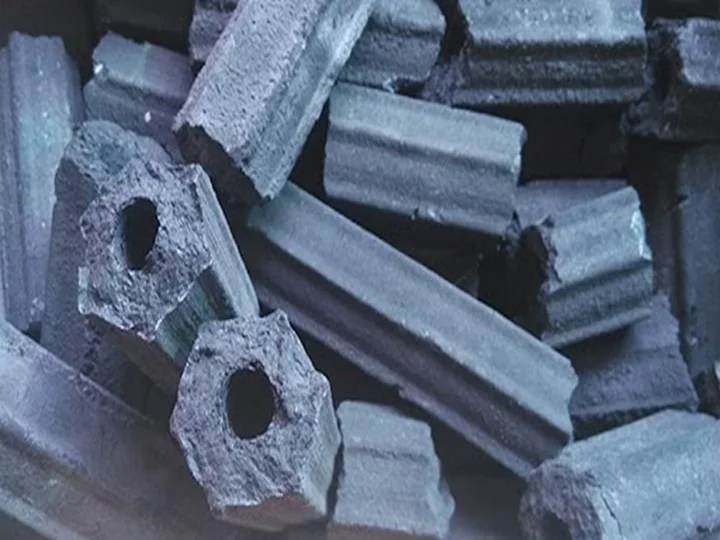
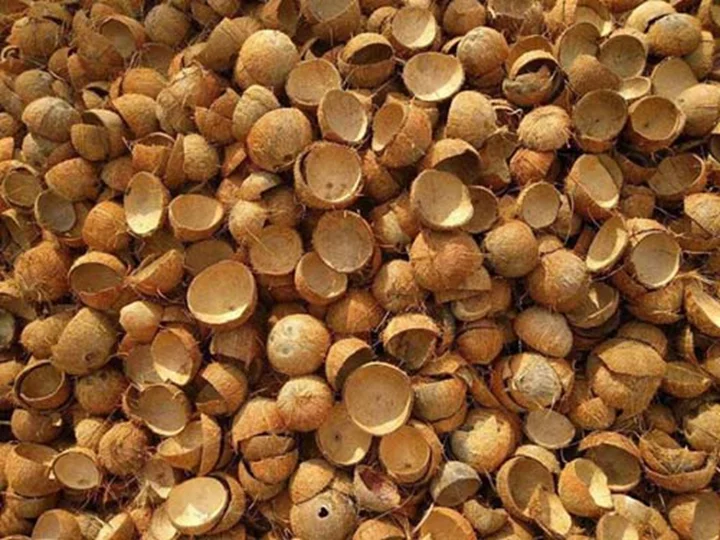
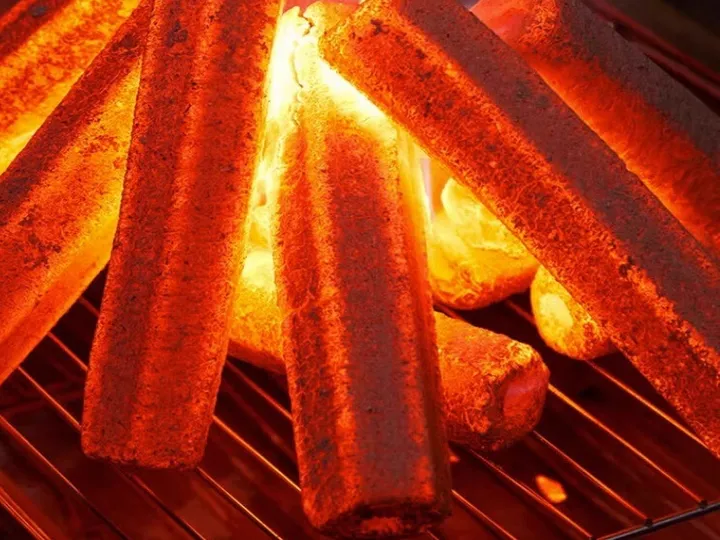
The line accepts wood waste with moisture below 40%. Raw materials include hardwood logs, branches, sawdust, bamboo, coconut shell, and fruit wood. The final product is high-density charcoal briquettes ready for barbecue, shisha, and industrial fuel markets.
Como especialistas em máquinas de carvão vegetal de biomassa, nos especializamos em soluções de equipamentos customizáveis que maximizam a eficiência. Nossos produtos de carvão confiáveis são adequados para diversas aplicações.
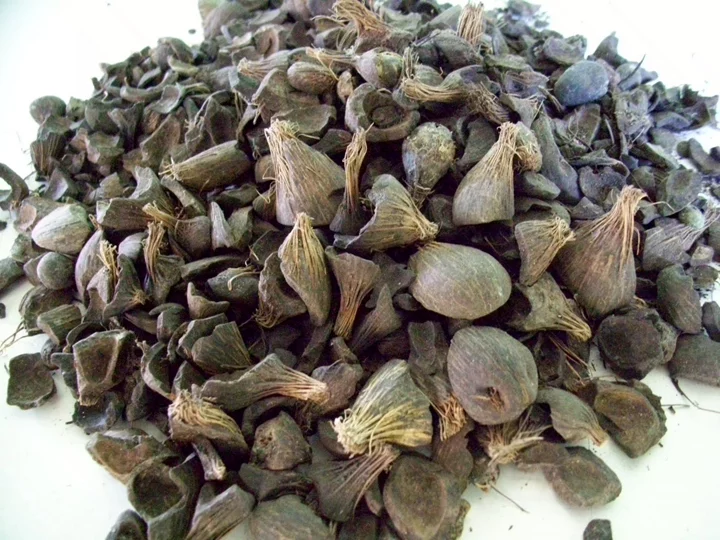
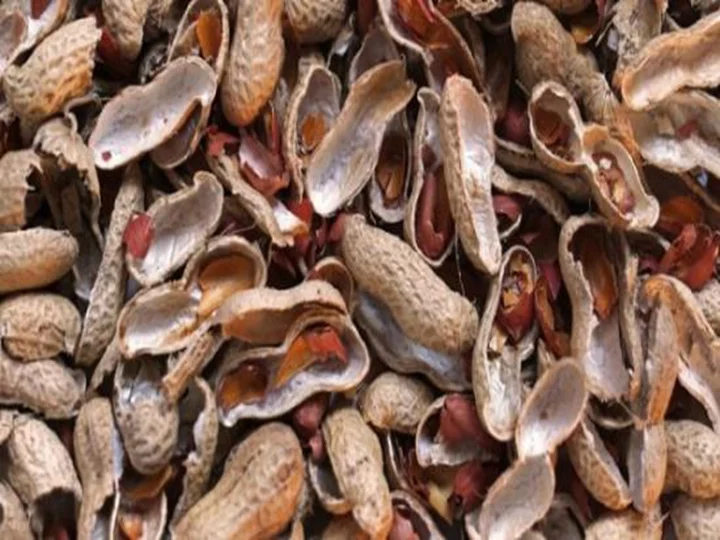
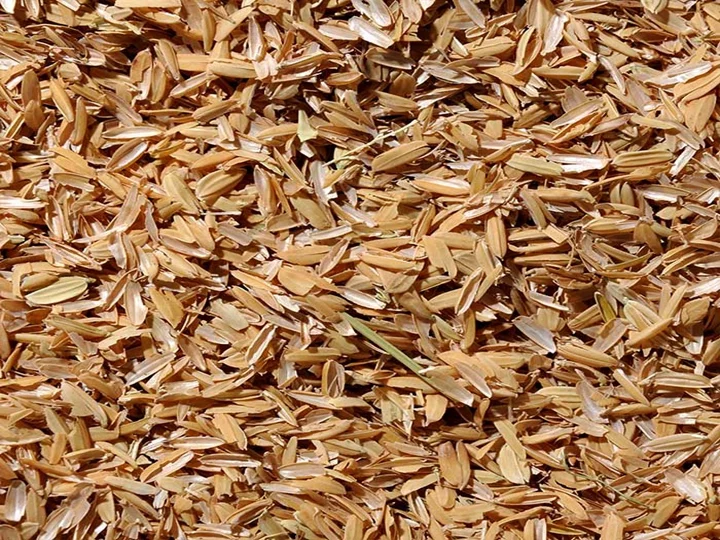
Raw Materials for the Charcoal Production Line
Compreender as matérias-primas necessárias para a linha de produção de carvão vegetal é o primeiro passo para uma operação bem-sucedida.
Uma linha de produção de briquetes de carvão vegetal utiliza diversas matérias-primas, geralmente incluindo toras de madeira, bambu, biomassa, resíduos agrícolas e cascas de coco. Cada tipo de biomassa oferece características e considerações únicas.
A escolha da biomassa para a produção de carvão vegetal depende de fatores como disponibilidade local, demanda do mercado e requisitos específicos do produto para sua planta de processamento.
A seguir, vamos nos aprofundar no processo de trabalho da linha de produção de briquetes de carvão vegetal e entender as especificidades de cada etapa.
How the Charcoal Making Plant Works: 5-Stage Process
Stage 1: Crushing
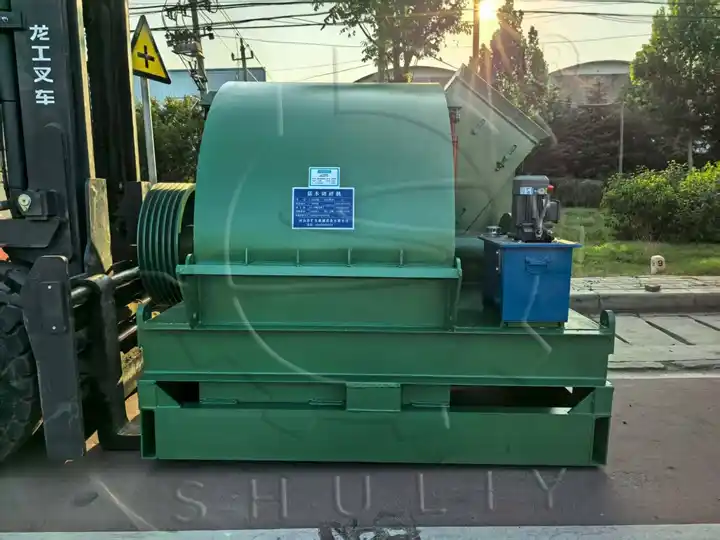
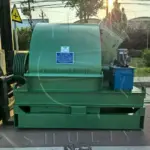
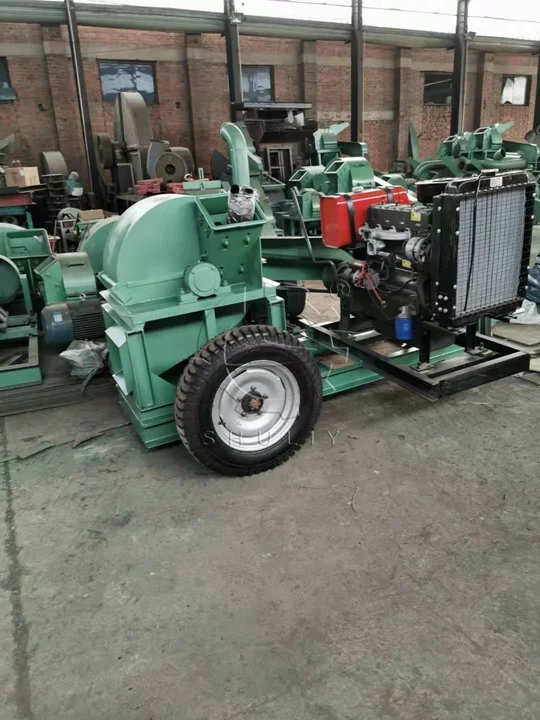
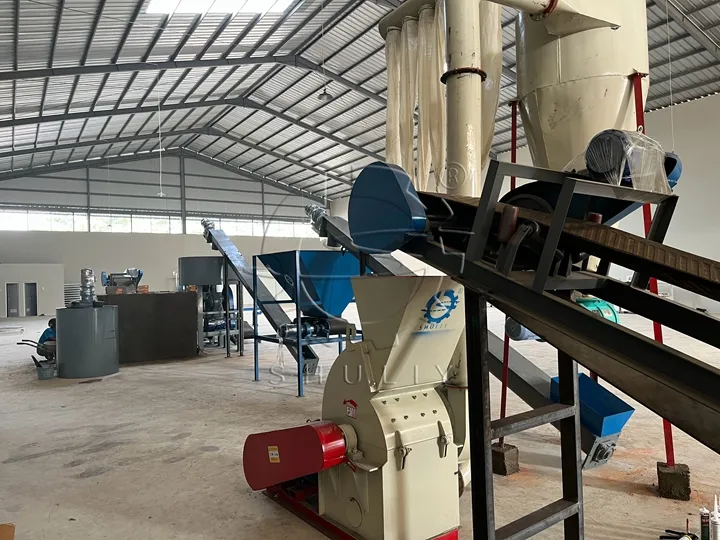
The SL-800 wood sawdust machine crushes logs, branches, and wood chips into fine sawdust. Capacity reaches 1,000 kg per hour. The 45 kW main motor drives alloy hammers against an internal screen. A 6-bag dust remover with 1,000 mm diameter keeps the workshop clean. Screen apertures from 0.6 mm to 12 mm control the final sawdust size.
Stage 2: Drying
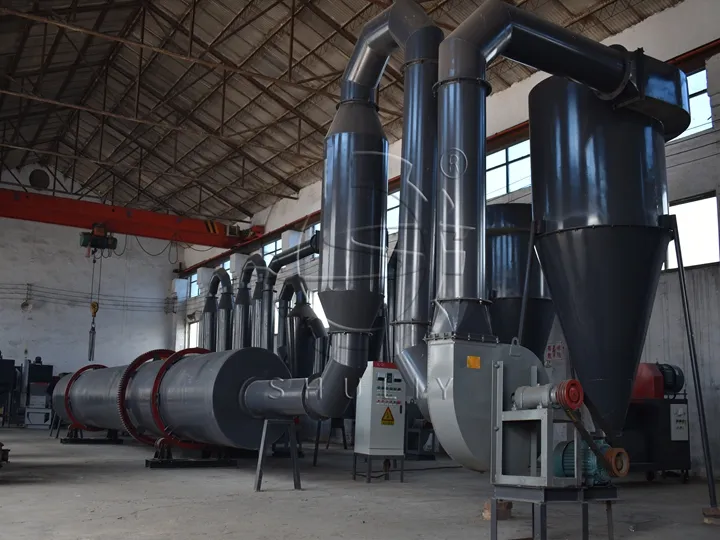
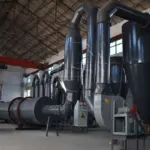
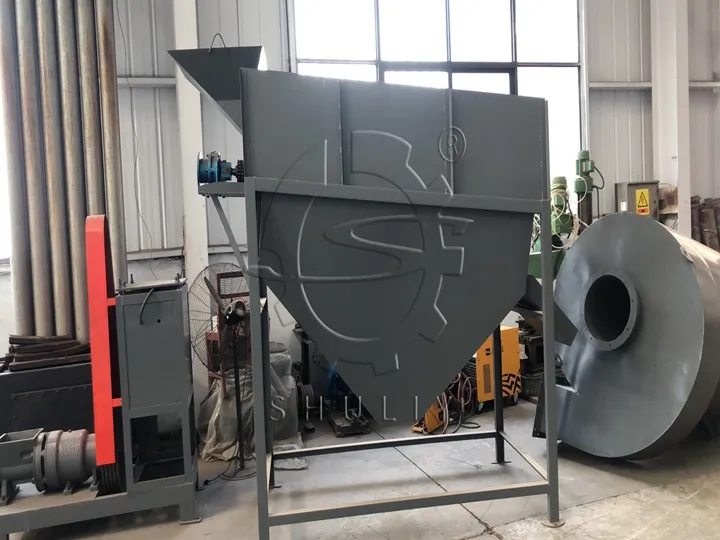
Wet sawdust cannot form strong briquettes. The SL-D1000 rotary drum dryer reduces moisture from 30–40% down to 8–12%. Capacity matches the crusher at 1,000 kg per hour. The dryer includes a cyclone dust collector, adjustable-speed motor, and independent control cabinet.
Stage 3: Briquetting
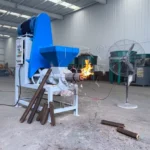
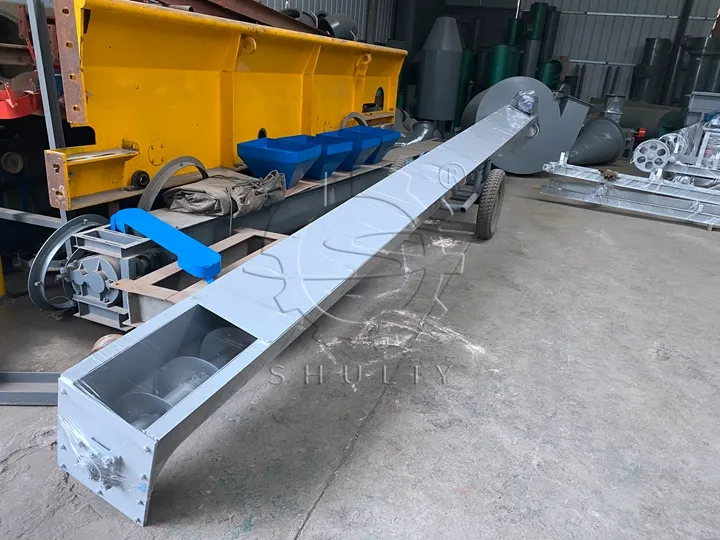
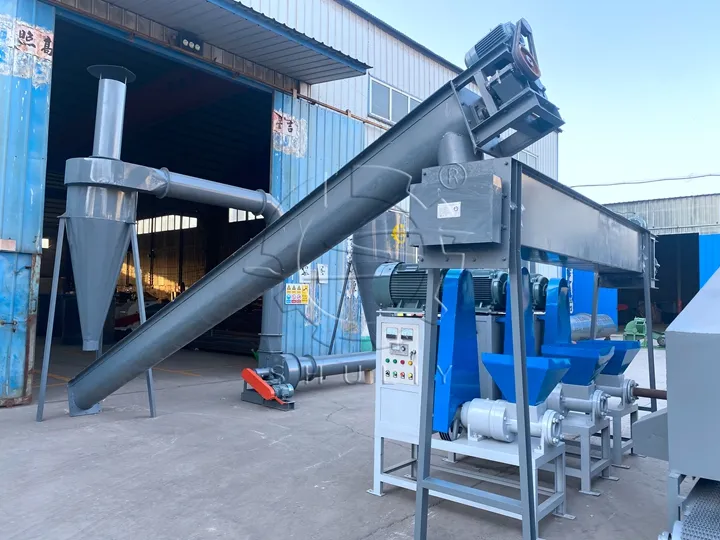
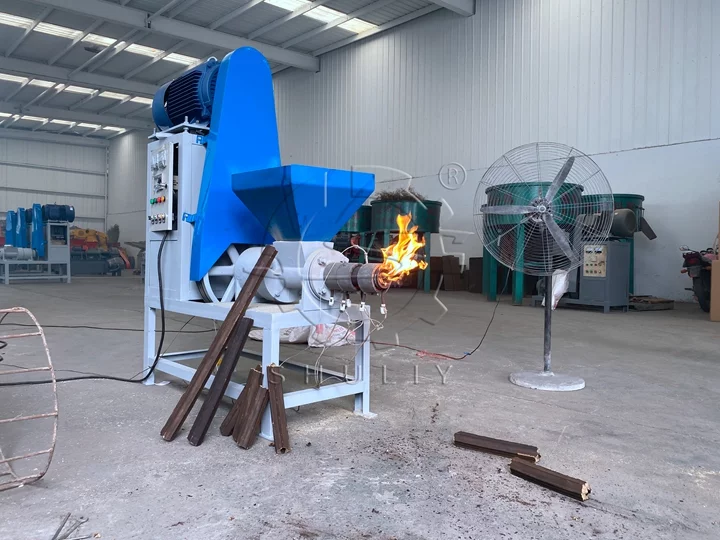
Dried sawdust enters the screw feeder. The feeder distributes material evenly to four SL-50 briquette machines. Each machine produces 200–250 kg of briquettes per hour. High-pressure screw extrusion compresses sawdust into dense rods without any binder. The machines use chromium-manganese alloy molds and C-type belts for longer service life.
Stage 4: Carbonization
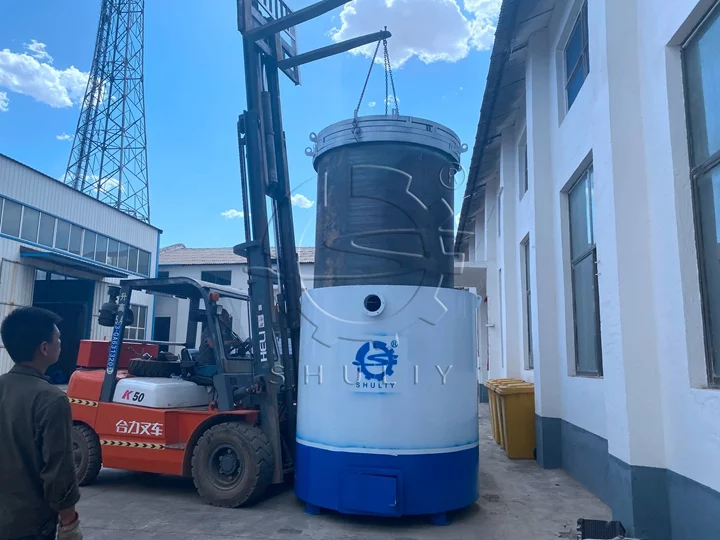
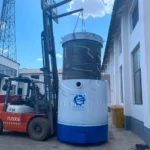
Biomass briquettes load into vertical carbonization furnaces. Each furnace processes one batch every 6–8 hours. After the first hour, combustible gases released from the briquettes sustain the furnace heat. No electricity or external fuel is required. Three furnaces working in rotation handle the daily output of the 1 ton/hour briquetting line.
Stage 5: Cooling and Packing
Hot charcoal cools inside the sealed inner stoves. Once at room temperature, the charcoal briquettes are ready for packaging and sale. The charcoal holds the briquette shape, density, and uniform size from the pressing stage.
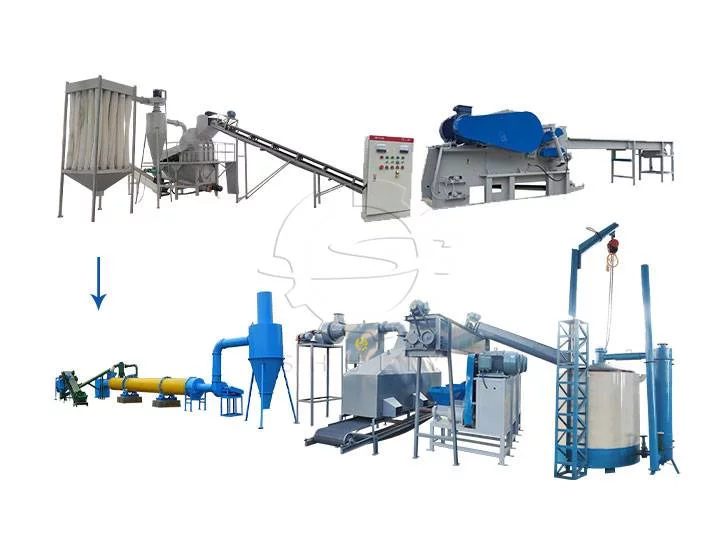
Charcoal Production Line Machine For Sale
Depois de entender o processo de produção, você poderá se interessar pelos equipamentos necessários. Oferecemos uma variedade de máquinas para atender diferentes necessidades.
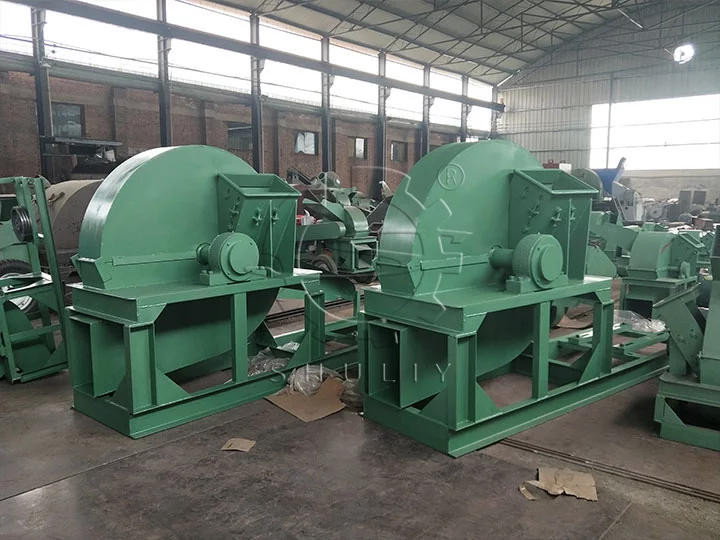
O triturador de madeira é usado para triturar matérias-primas, como toras ou galhos, em partículas menores.
- Trituração eficiente e uniforme, garantindo tamanho de material consistente para carbonização ideal.
- Operação em alta velocidade, economizando tempo e aumentando a eficiência da produção.
- Versatilidade para lidar com diversos tipos de madeira e materiais de biomassa.
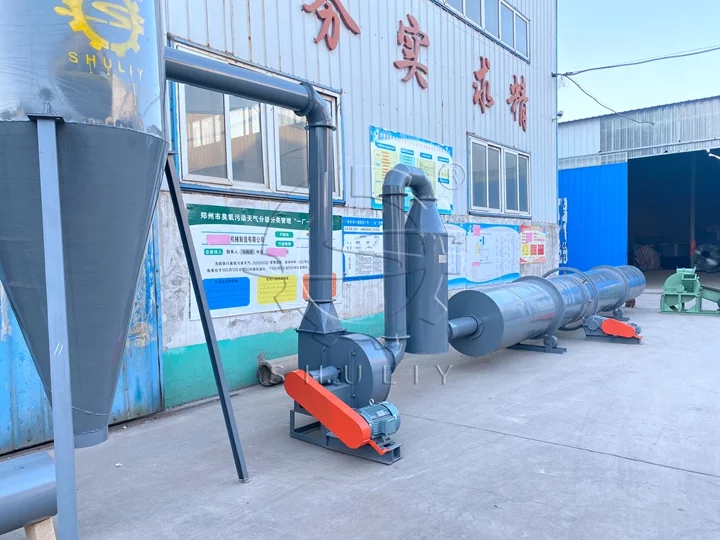
O secador de serragem é responsável por reduzir o teor de umidade das matérias-primas.
- Secagem rápida e uniforme, garantindo matérias-primas adequadas para briquetagem e carbonização.
- Operação com eficiência energética, reduzindo custos de produção.
- Temperatura e tempo de secagem ajustáveis para controle preciso do teor de umidade.
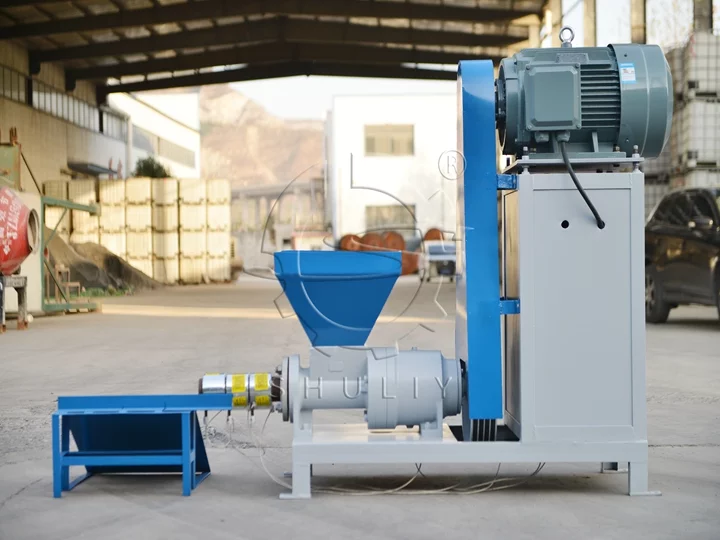
3. Máquina de briquetagem de biomassa
A máquina de briquetagem de biomassa é usada para comprimir as matérias-primas secas em briquetes com formatos desejados.
- Produção consistente e uniforme de briquetes, garantindo a qualidade do produto.
- Alta pressão e densidade durante a briquetagem resultam em briquetes compactos e duráveis.
- Versatilidade para trabalhar com diversos materiais de biomassa, oferecendo flexibilidade nas opções de produtos.
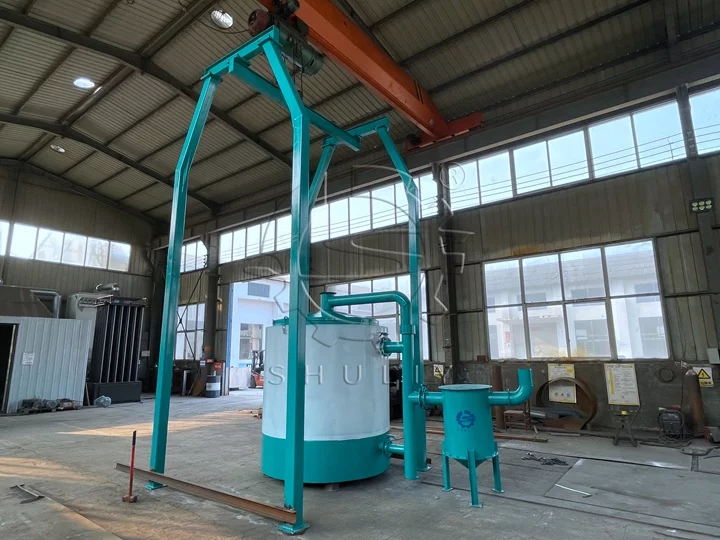
O forno de carbonização é a etapa final onde os briquetes são convertidos em carvão vegetal através do processo de carbonização.
- Aquecimento controlado e privação de oxigênio para carbonização ideal.
- Isolamento de alta temperatura, garantindo carbonização eficiente e completa.
- Recursos de segurança e mecanismos de controle de emissões para aderir aos padrões ambientais.
Charcoal Production Line Equipment List
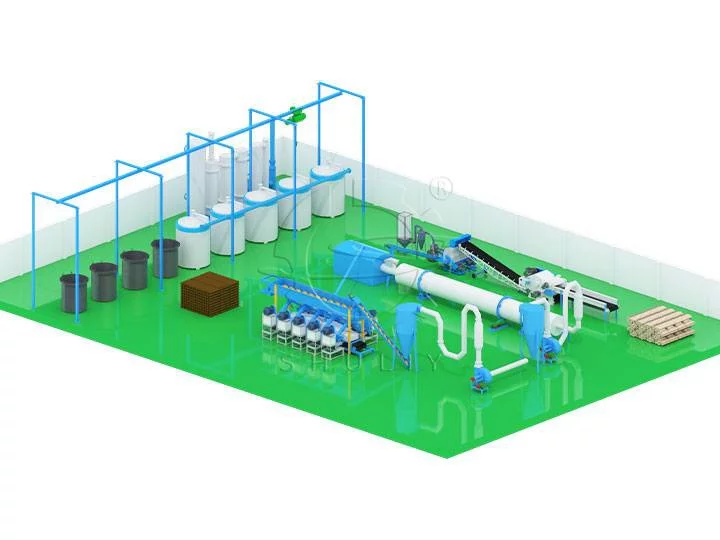
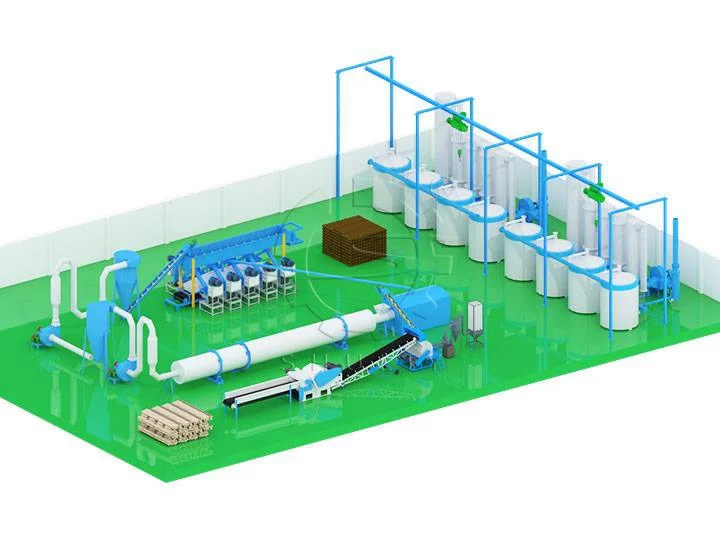
A complete 1 ton/hour charcoal production line includes the following machines:
| Equipamento | Função | Potência (kW) |
|---|---|---|
| Wood sawdust machine (SL-800) | Crushes wood chips and logs into serragem | 45 + 7.5 |
| Screw conveyor (6m) | Transports sawdust to the dryer | 4 |
| Rotary drum dryer (SL-D1000) | Reduces sawdust moisture to 8–12% | 3 + 15 |
| Screw conveyor (4m) | Transports dried sawdust to the feeder | 4 |
| Screw feeder (SL-4) | Distributes sawdust evenly to 4 briquette machines | 5.5 |
| Máquina briquetadeira de serragem (SL-50) × 4 | Presses sawdust into biomass briquettes | 18.5 × 4 |
| Smoke collector (SL-4) | Collects and purifies smoke from briquetting | 4 |
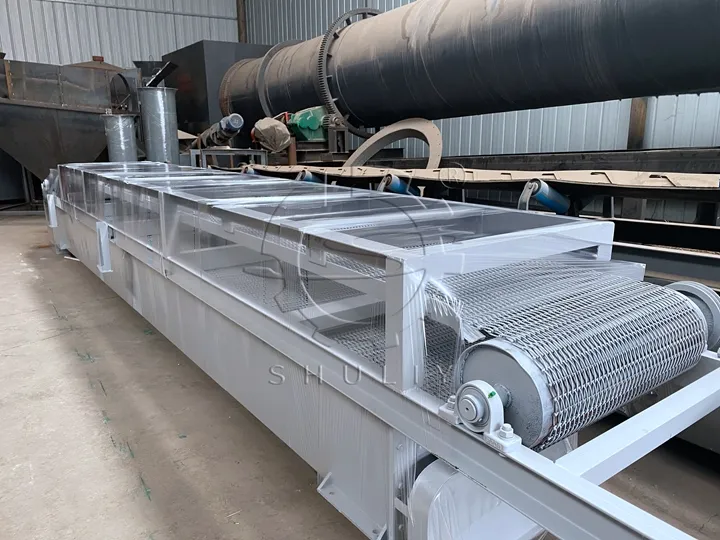
| Belt conveyor | Collects finished biomass briquettes | 1.5 |
| Vertical carbonization furnace × 3 | Carbonizes briquettes into charcoal | 0 (self-sustaining gas) |
- Total working area: 200–300 m².
- Total labor: 3–4 operators per shift.
- Total power (line excluding furnaces): 163.5 kW.
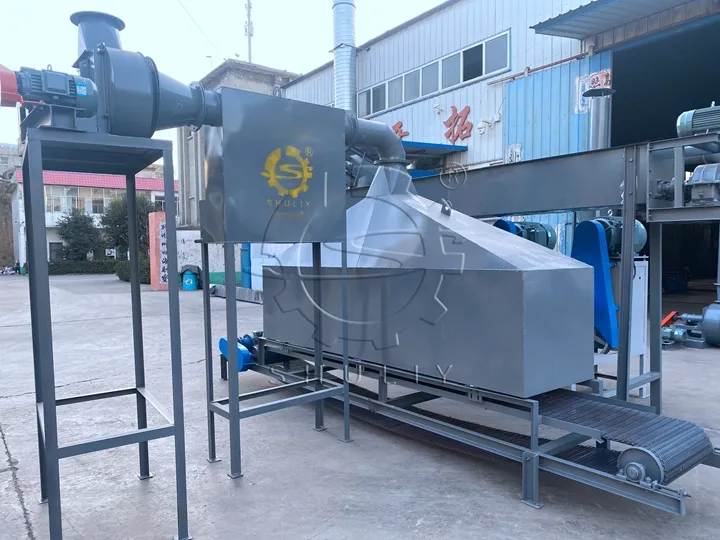
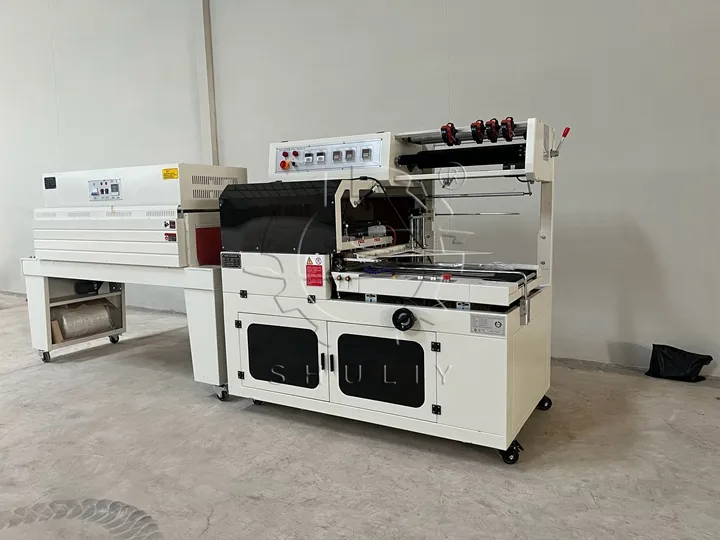
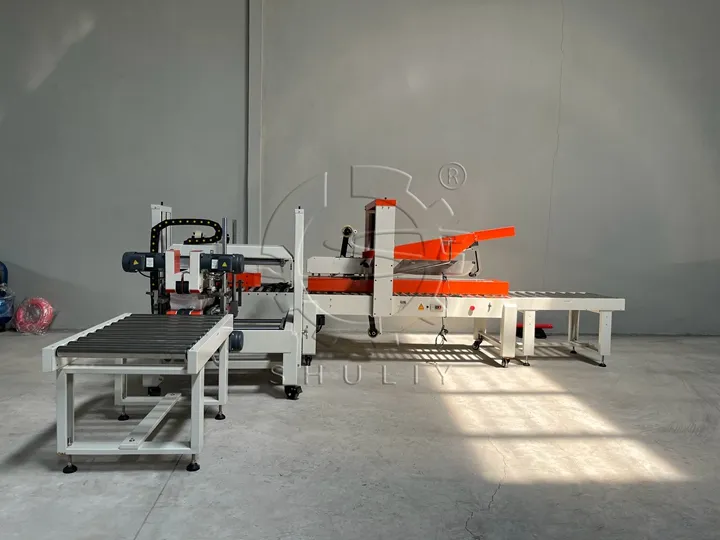
Advantages of The Charcoal Production Line
Wood Sawdust Machine (SL-800)
The crusher is the line’s front end. Its 45 kW copper-core motor handles logs and large branches. An optional large feed inlet accepts tree trunks directly. Spare hammers and screens ship with the machine. Keep hard metals and stones out of the feed opening to protect the blades.
Rotary Drum Dryer (SL-D1000)
The dryer’s 1,000 mm drum runs on 3 kW main power plus a 15 kW fan. Hot air flows through the rotating drum and carries moisture out. The adjustable-speed motor lets you slow the drum for very wet material.
Weight: 2,800 kg.
Sawdust Briquette Machine (SL-50) × 4
Each briquette machine runs on an 18.5 kW national-standard all-copper motor. Key design points:
- 100 cm bearing: more stable feeding and longer bearing life
- U-steel frame: resists deformation under continuous pressure
- Pre-welded screw angle: suits 90% of common raw materials out of the box
- Chromium-manganese alloy mold: extended mold life against abrasive sawdust
The four machines press at the same time. Even if one machine stops for maintenance, the other three keep producing.
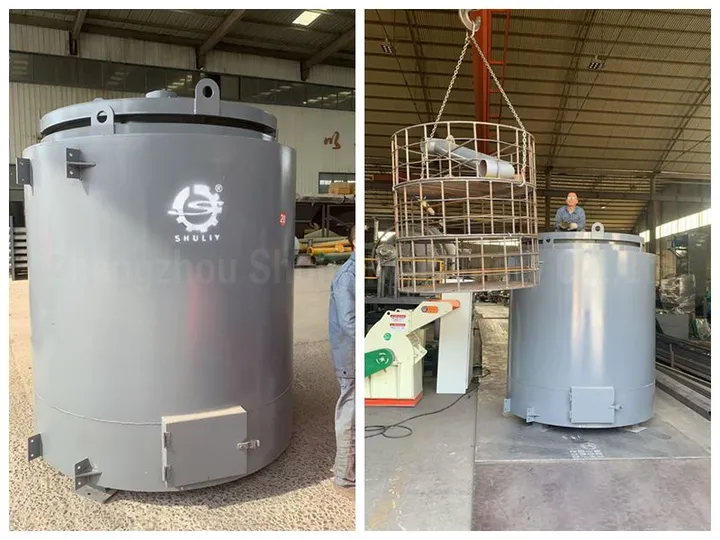
Vertical Carbonization Furnace × 3
The vertical carbonization furnace is the final value-adding stage. Each furnace includes one outer body and three inner stoves. While one stove carbonizes, another cools, and a third loads. This rotation keeps production continuous.
Key parameters per furnace:
| Parâmetro | Value |
|---|---|
| Batch cycle | 6–8 hours |
| Daily capacity per furnace | 2.5–3 tons of charcoal |
| Inner stove loading | 2,600–3,000 kg per batch |
| Electricity required | None |
| External fuel after startup | 50–80 kg waste biomass per batch |
The sealed chamber produces uniform, low-smoke charcoal. Optional condensers recover wood vinegar and tar as sellable by-products.
Why Invest in This Charcoal Production Line?
- Briquettes sell for more than lump charcoal. Uniform shape, high density, and long burn time command premium prices in barbecue and export markets.
- No electricity for carbonization. The vertical furnaces recycle their own combustible gases. Your electricity bill only covers crushing, drying, and briquetting.
- Modular investment. Buy 1 briquette machine today, add 3 more when orders grow. No equipment becomes obsolete.
- Low labor demand. 3–4 workers run the entire 1 ton/hour line. Automated conveyors remove manual material handling between stages.
- Turnkey delivery. One supplier provides every machine, the layout drawing, and the wiring plan. No compatibility problems between equipment from different factories.
How to Set Up a Charcoal Processing Plant?
A instalação de uma planta de processamento de carvão vegetal requer um planejamento minucioso. Comece com uma pesquisa de mercado e um plano de negócios para entender a demanda e a concorrência. Escolha um local próximo de matérias-primas e transporte, considerando as regulamentações ambientais. Invista em equipamentos essenciais como trituradores, secadores, fornos de carbonização e máquinas de embalagem.
Garantir um fornecimento constante de matérias-primas e manter os equipamentos regularmente. Cumpra as regulamentações locais para operações eficientes e sustentáveis. Desenvolva uma estratégia de marketing e estabeleça canais de distribuição. Treine a equipe na operação do equipamento, controle de qualidade e segurança para uma força de trabalho qualificada e eficiente.
Depois que a planta estiver estabelecida, compreender as aplicações dos produtos de carvão vegetal o ajudará a expandir seu mercado e canais de vendas.
Charcoal Production Line Application
- Fabricação industrial. Usado por indústrias que necessitam de carvão vegetal para processos como metalurgia, produção química e geração de energia.
- Agricultura e silvicultura. Utilizado por agricultores e operações florestais para converter resíduos agrícolas, resíduos de madeira e biomassa em carvão para venda ou uso pessoal.
- Uso comercial. Empregado por empresas comerciais, tais como fábricas e fabricantes de produção de carvão vegetal, para produzir produtos de carvão vegetal para distribuição no varejo e no atacado.
- Soluções ambientais. Adotado por organizações ambientais e iniciativas focadas em práticas sustentáveis e gestão de resíduos, utilizando resíduos de biomassa para produção de carvão vegetal para reduzir o impacto ambiental.
- Setor energético. Aplicado no setor energético para produção de carvão vegetal como fonte de energia renovável, contribuindo para a independência energética e reduzindo a dependência de combustíveis fósseis.
- Pesquisa e desenvolvimento. Utilizado em instituições de pesquisa e universidades para estudar técnicas de produção de carvão vegetal, processos de carbonização e explorar novas aplicações para o carvão vegetal.
Common Charcoal Production Problems and Solutions
Problem 1: Briquettes crack or break during carbonization.
- Cause: sawdust moisture was too high during pressing.
- Solution: hold dryer output moisture at 8–12% and let hot briquettes cool before loading the furnace.
Problem 2: Dryer cannot keep up with the crusher.
- Cause: raw material is too wet.
- Solution: pre-dry very wet wood in open air for 1–2 days, or reduce crusher feed rate until moisture balance stabilizes.
Problem 3: Briquette machine molds wear fast.
- Cause: sand or stone contamination in sawdust.
- Solution: screen raw material before crushing. Keep chromium-manganese alloy spare molds in stock.
Problem 4: Charcoal output is lower than briquette output.
- Cause: furnaces are the bottleneck.
- Solution: add one vertical carbonization furnace for every 2.5–3 tons of daily briquette production.
Why Choose Shuliy for Your Charcoal Making Plant?
- Complete line from one factory. Shuliy manufactures the crusher, dryer, briquette machines, conveyors, and carbonization furnaces. Every machine is tested together before shipping.
- Layout design included. Send us your workshop dimensions. Our engineers provide a free 2D/3D layout showing machine positions, material flow, and operator stations.
- Wear parts in stock. Hammers, screens, screws, molds, and inner stoves ship within 48 hours. Your line never waits weeks for a spare part.
- 12-month warranty, lifetime support. Machine faults during the warranty period are our responsibility. Technical support continues for the equipment’s entire service life.
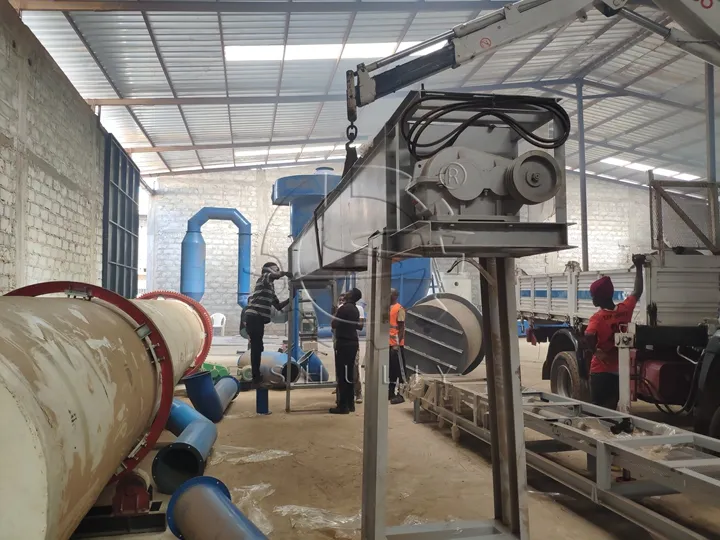
- Flexible installation options. Installation is simple enough for self-installation with our manuals and videos. On-site engineer teams are available for full commissioning and operator training.
Get a Custom Charcoal Production Line Quote
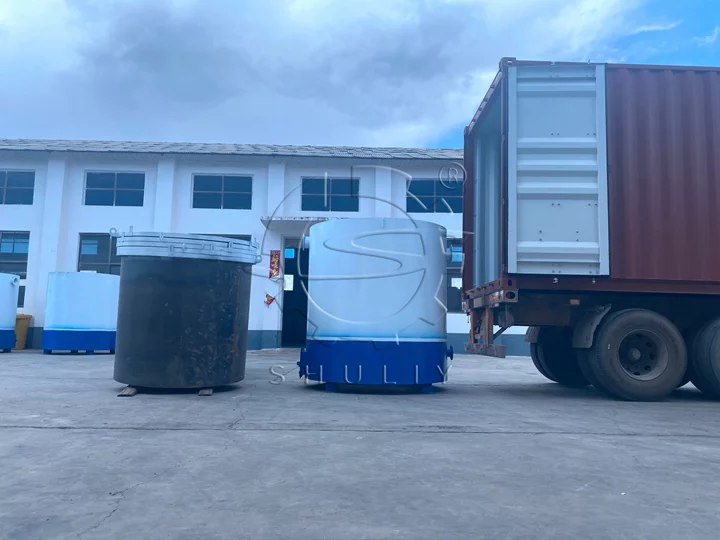
This charcoal production line turns wood waste into premium charcoal briquettes at 1 ton per hour. Tell us your raw material type, moisture content, and daily output target. Shuliy engineers will recommend the right number of briquette machines and carbonization furnaces, then send a detailed quotation with a layout drawing and shipping schedule within 24 hours.
Perguntas Frequentes
How much charcoal does 1 ton of briquettes produce after carbonization?
One ton of dried biomass briquettes yields approximately 700–800 kg of finished charcoal in the vertical furnace. The briquettes are already compressed and dried before carbonization, so the yield is much higher than carbonizing raw wood directly.
Can this charcoal production line process coconut shell?
Yes. Coconut shell crushes well in the SL-800 machine. However, coconut shell can also be carbonized directly in the vertical furnace without briquetting. Many buyers run both processes in the same plant.
What happens if my raw material moisture is above 40%?
Material above 40% moisture overloads the dryer and reduces line output. Store very wet material in a ventilated area for several days before processing, or add a second drying pass.
Can I start the line without the carbonization furnaces?
Yes. Some buyers sell raw biomass briquettes directly to carbonization plants or boiler fuel markets first. The furnaces can be added later when you are ready to move into higher-margin charcoal sales.
What power supply does the line need?
The line requires a three-phase industrial supply of approximately 165–180 kW capacity. The carbonization furnaces need no electrical connection. A diesel generator set can run the line in off-grid areas.
How long does installation take?
Self-installation with our drawings typically takes 5–7 days with 3–4 workers. An on-site Shuliy engineer team completes installation, commissioning, and operator training in approximately 3–4 days.
Máquina de fazer carvão para churrasco | Máquina de prensa de bolas de carvão
A máquina de fabricar carvão para churrasco pode pressionar materiais em pó, tais como…
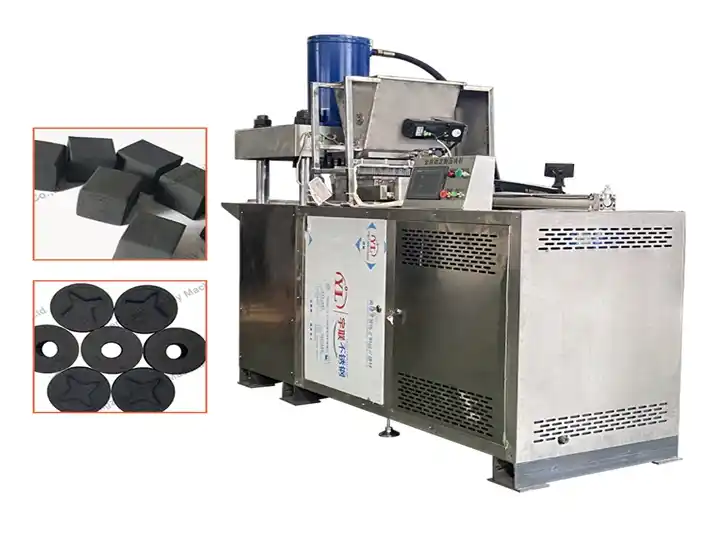
Máquina de carvão Shisha para carvão para cachimbo de água redondo e cubo
A nossa popular máquina de carvão para shisha pode produzir carvão de shisha de alta qualidade…
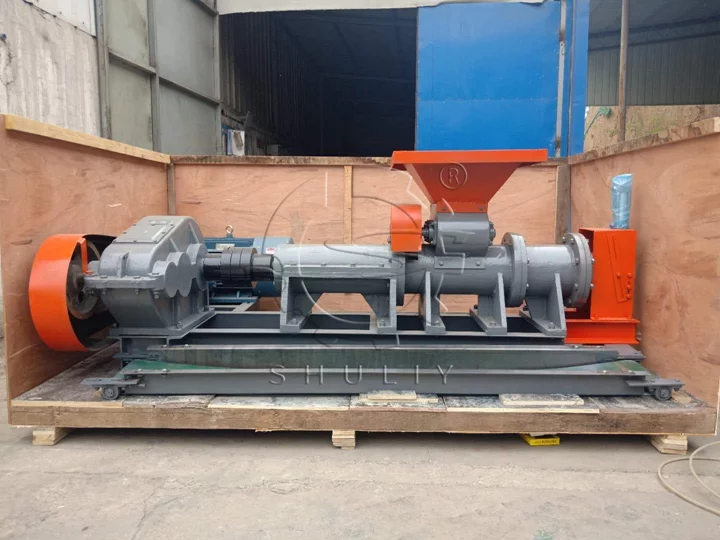
Prensa de briquetagem de carvão exportada para o Iraque
Recentemente, a nossa máquina de prensa para briquetes de carvão foi vendida com sucesso…
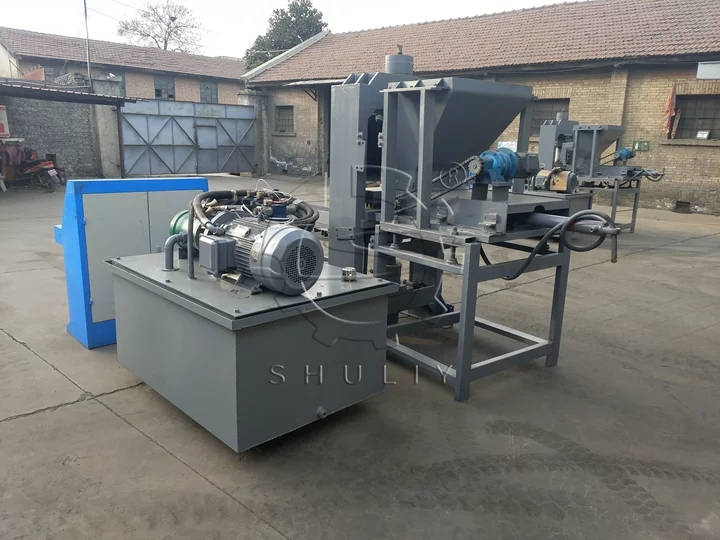
Máquina de fazer carvão para narguilé enviada para Jacarta
Como fornecedor líder de máquinas de fabricação de carvão para hookah, nós…
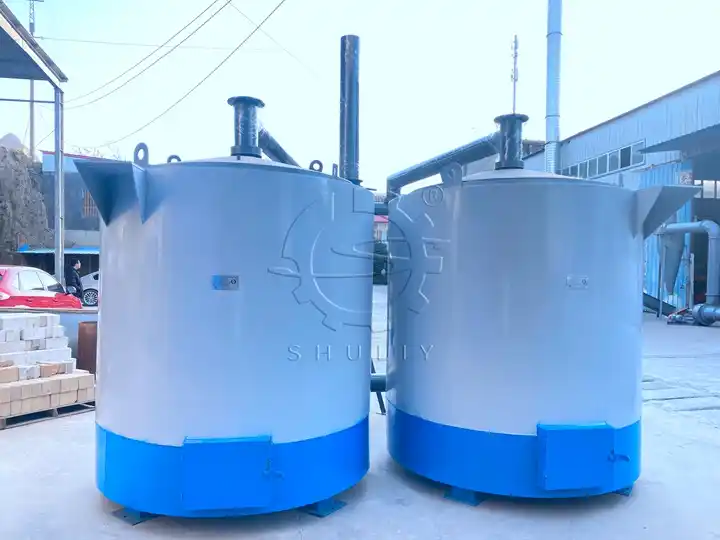
Duas fornalhas de carbonização verticais enviadas para Mianmar
Boa notícia! As nossas fornalhas verticais de carbonização foram enviadas com sucesso…
Produto quente
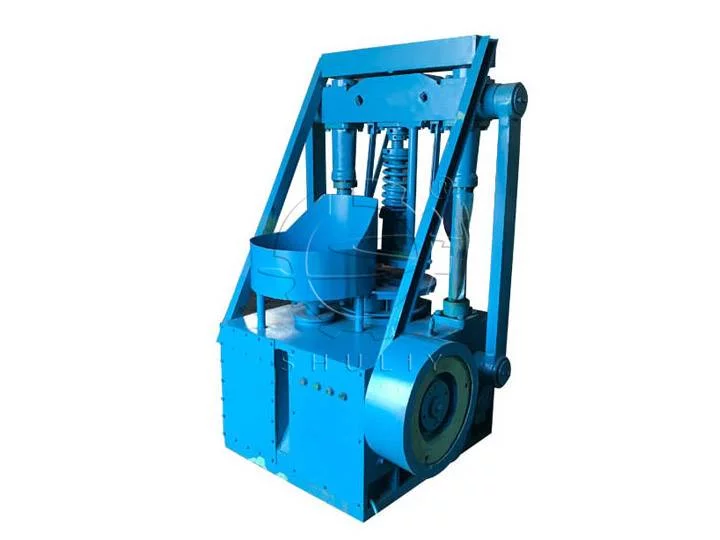
Máquina de briquetagem de carvão | Máquina de prensagem de carvão em favo de mel
A máquina de briquetes de carvão pode produzir diferentes formatos e…
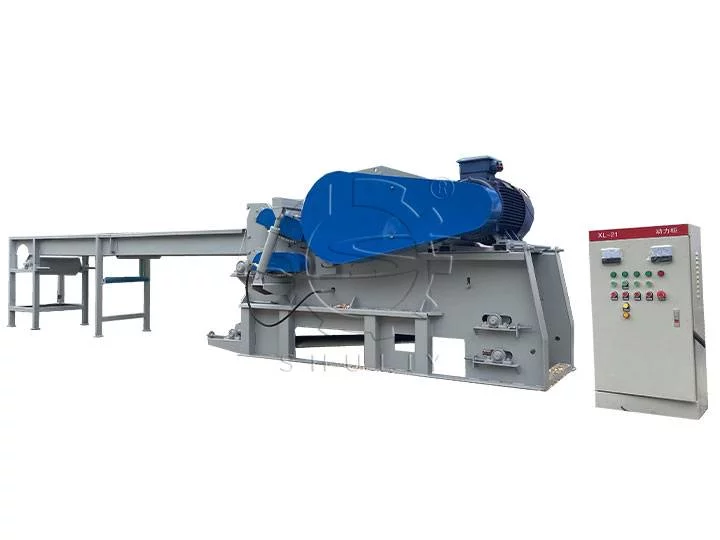
Triturador de madeira estilo tambor
Um tritura-madeira de estilo tambor é usado em…
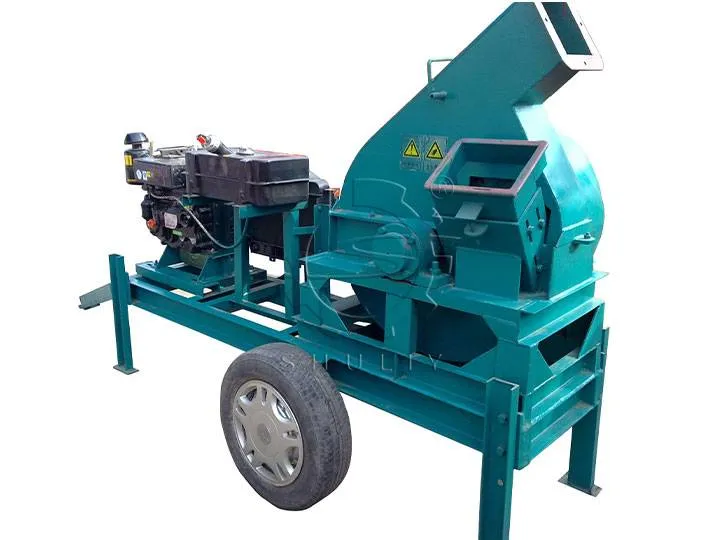
Picador de madeira de disco | Máquina para fazer lascas de madeira
A debulhadora de madeira de disco apresenta-se como uma solução versátil…
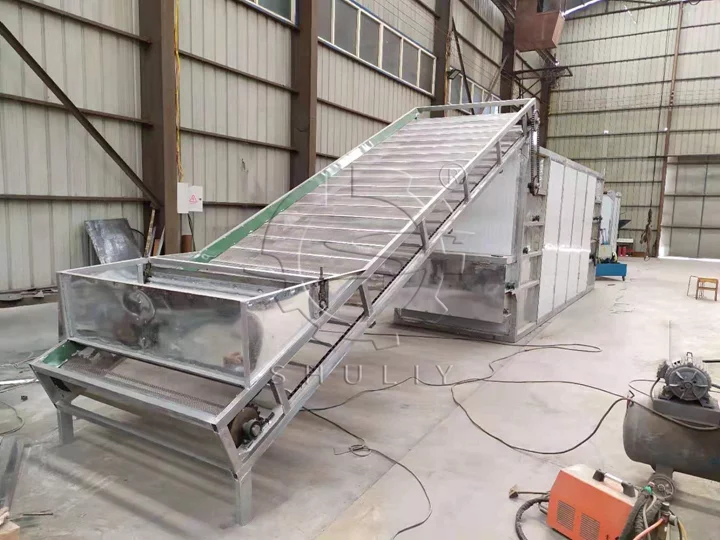
Secador de correia de malha para briquete de carvão
O secador de correia em malha, também conhecido como…
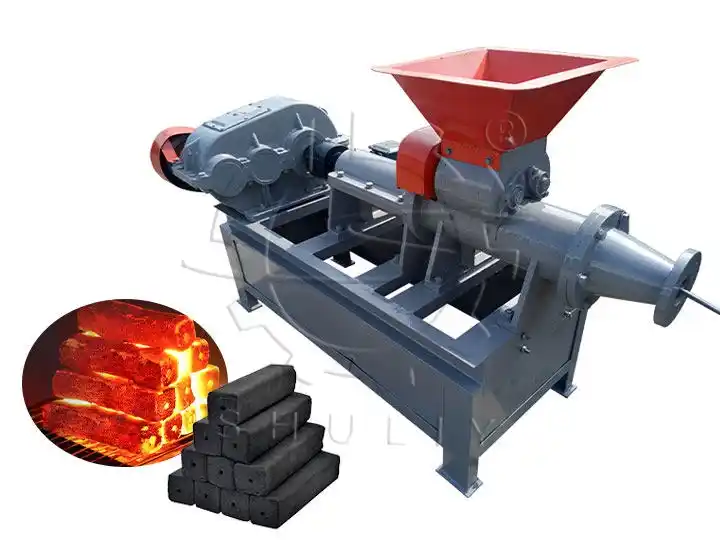
Máquina de briquetagem de carvão | Máquina extrusora de carvão
A máquina de briquetes de carvão, também conhecida como…
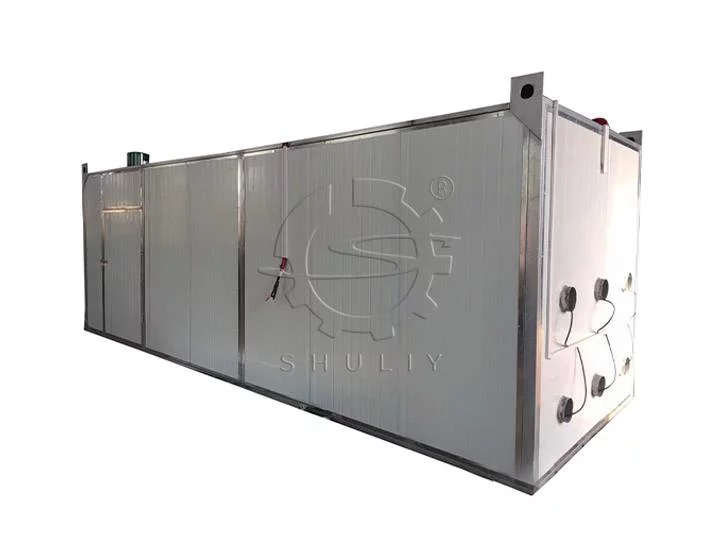
Máquina secadora de briquetes de carvão em caixa
Esta máquina de secagem de briquetes de carvão em caixa é uma…
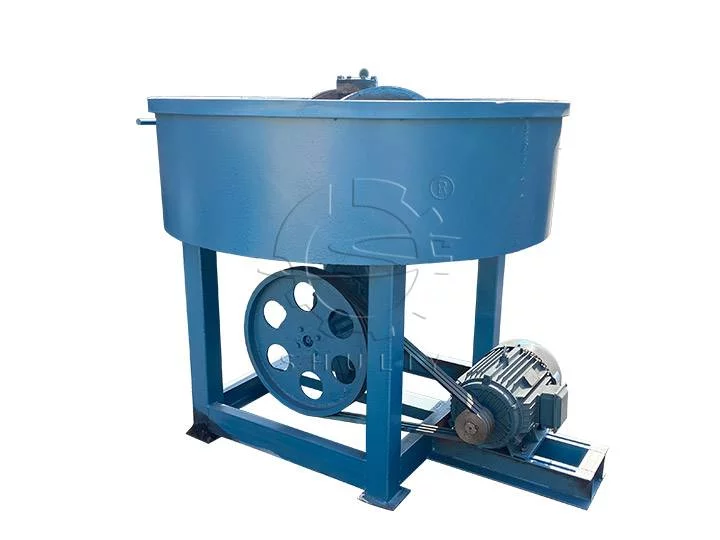
Máquina misturadora de carvão | Misturador de carvão em pó
Esta máquina misturadora de carvão também pode ser chamada…
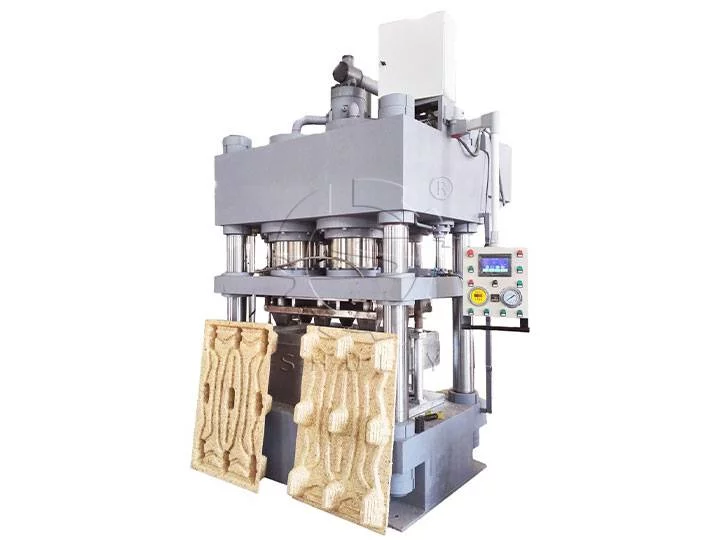
Máquina de paletes de madeira comprimida para paletes de madeira prensada
A nossa máquina de paletes de madeira comprimida foi concebida para…
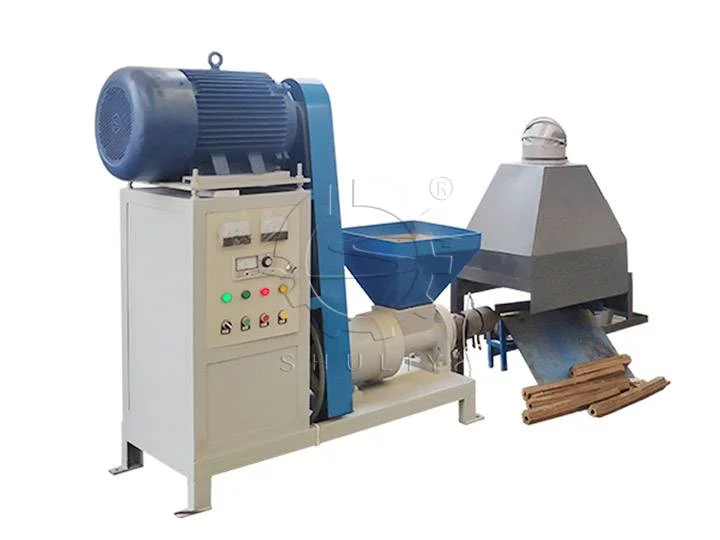
Máquina para fazer briquete de serragem | Máquina de briquetagem de biomassa
A máquina de fabrico de briquetes de serrim é ambientalmente…