
Линия по производству древесного угля
Wood Charcoal Making Production Line | Sawdust Charcoal Briquette Production Line
Линия по производству древесного угля
Wood Charcoal Making Production Line | Sawdust Charcoal Briquette Production Line
Обзор функций
The линия по производству древесного угля machine by our company offers a comprehensive solution for transforming wood, wood chips, or other plant-based raw materials into high-density sawdust charcoal briquettes.
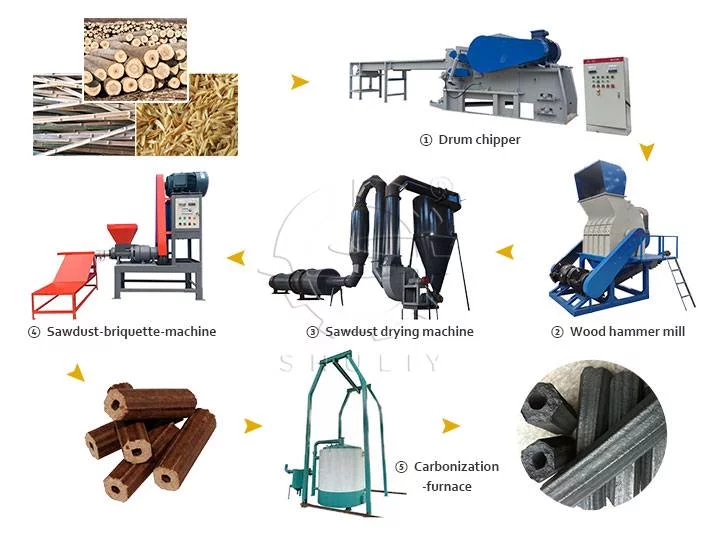
Our charcoal briquette production lines include processes such as crushing, mixing, molding, charring, and drying. We cater to various scales and processing needs. Configurations are available for 1-3t/d, 3-6t/d, и 6-10t/d output capacities.
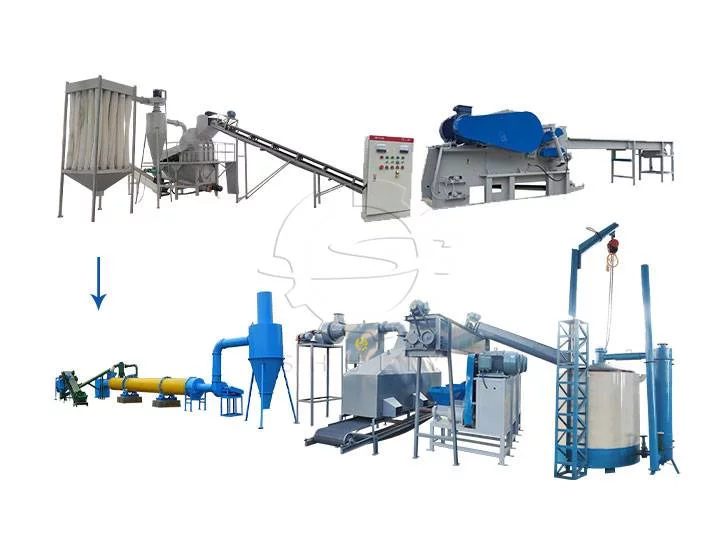
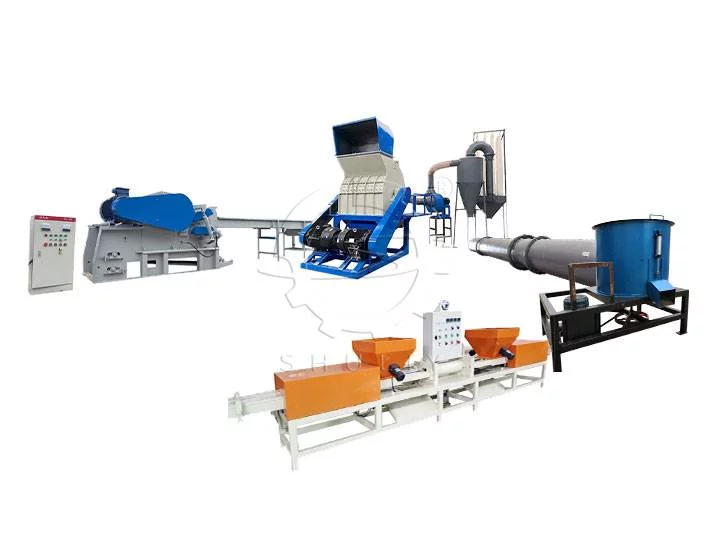
Each line is equipped with essential machinery such as wood shredders, hammer mills, dryers, sawdust briquette machines, and carbonization furnaces. These charcoal-making units ensure efficient production from raw material preparation to the final charcoal product.
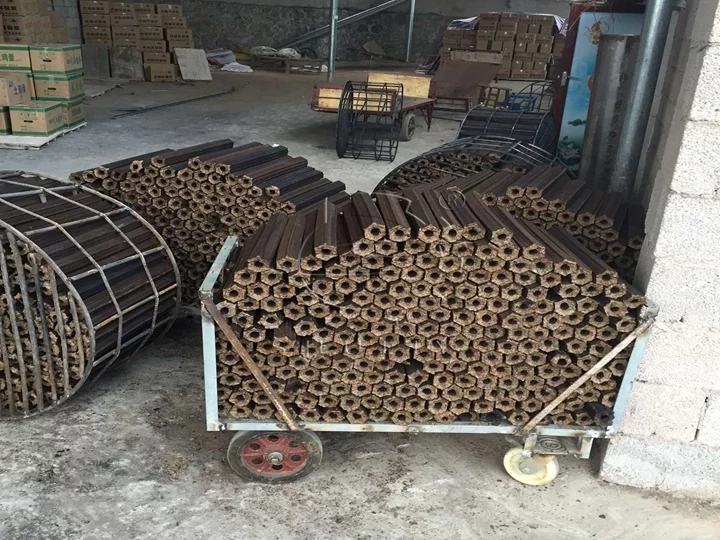
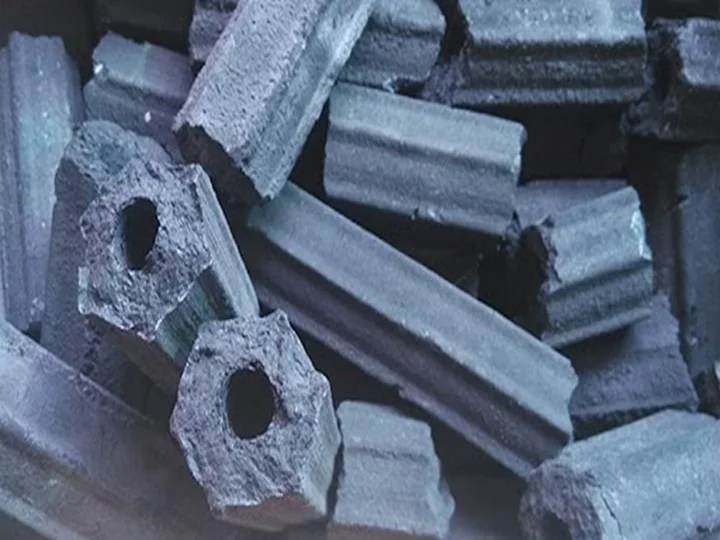
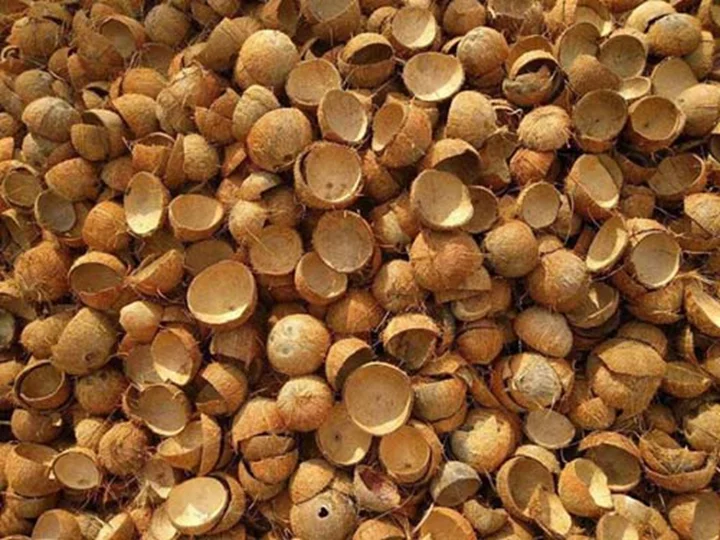
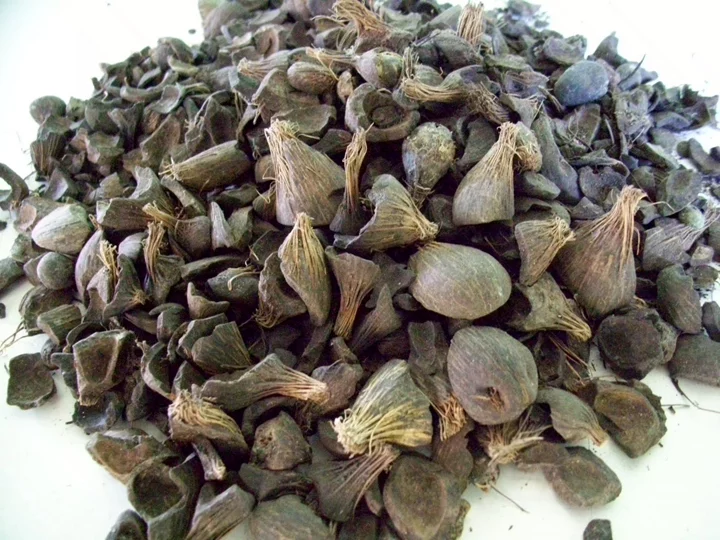
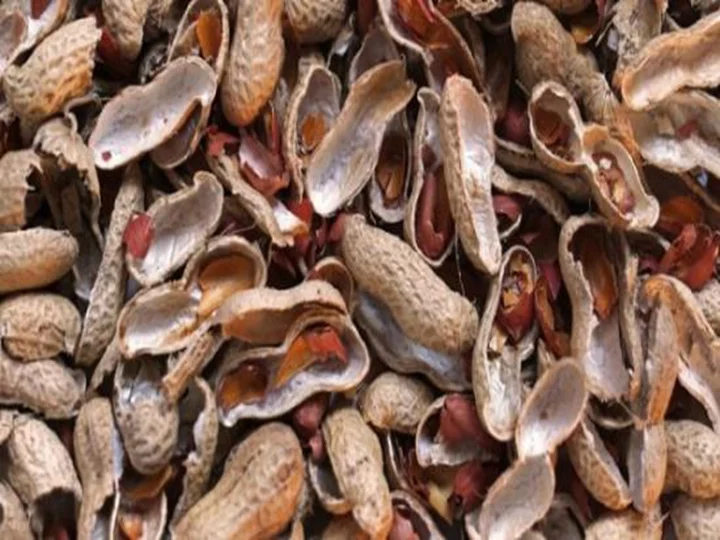
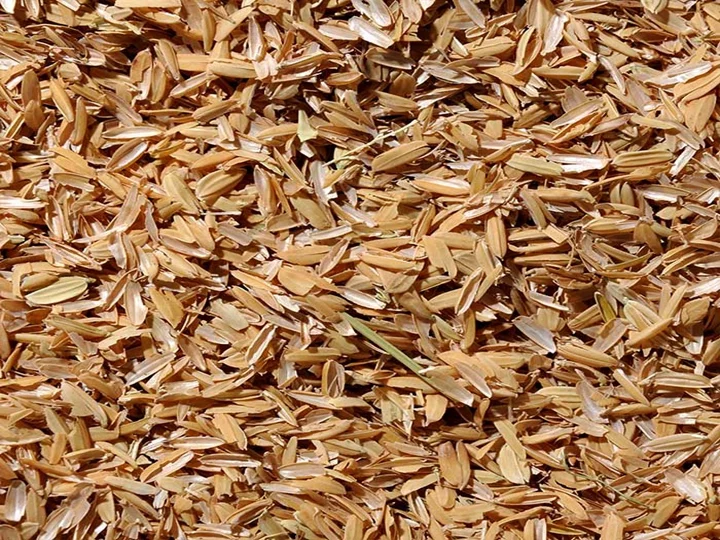
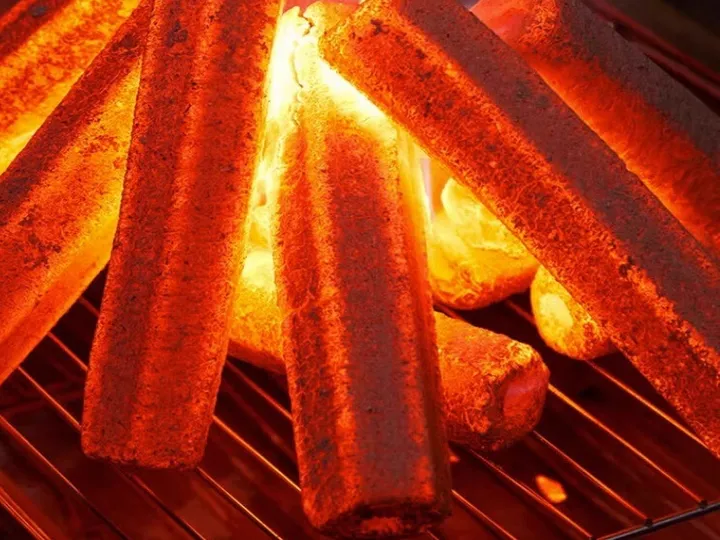
The line accepts wood waste with moisture below 40%. Raw materials include hardwood logs, branches, sawdust, bamboo, coconut shell, and fruit wood. The final product is high-density charcoal briquettes ready for barbecue, shisha, and industrial fuel markets.
Как эксперты в области машин для переработки древесного угля из биомассы, мы специализируемся на индивидуальных решениях для оборудования, которые максимизируют эффективность. Наши надежные изделия из древесного угля подходят для самых разных применений.
Raw Materials for the Charcoal Production Line
Понимание сырья, необходимого для линии по производству древесного угля, является первым шагом к успешной работе.
Линия по производству древесно-угольных брикетов использует разнообразное сырье, обычно включая бревна, бамбук, биомассу, сельскохозяйственные отходы и скорлупу кокосовых орехов. Каждый тип биомассы имеет уникальные характеристики и особенности.
Выбор биомассы для производства древесного угля зависит от таких факторов, как доступность на местном уровне, рыночный спрос и конкретные требования к продукции для вашего перерабатывающего завода.
Далее давайте углубимся в рабочий процесс линии по производству древесноугольных брикетов и разберемся в особенностях каждого этапа.
How the Charcoal Making Plant Works: 5-Stage Process
Stage 1: Crushing
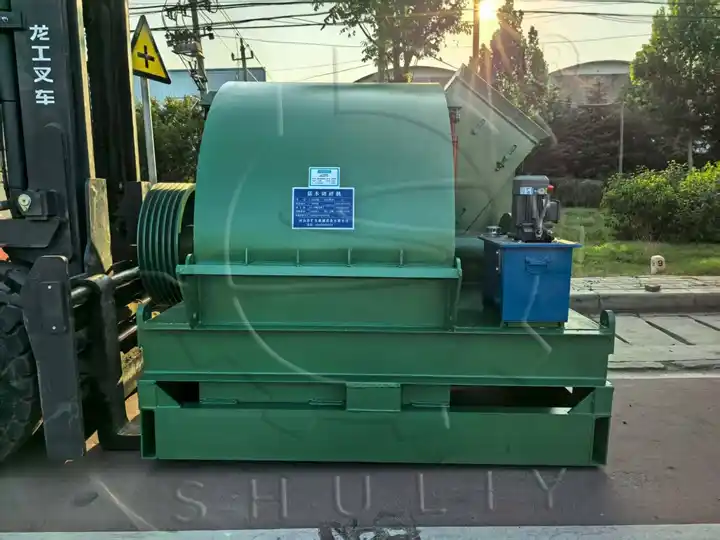
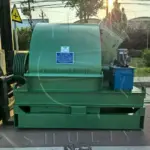
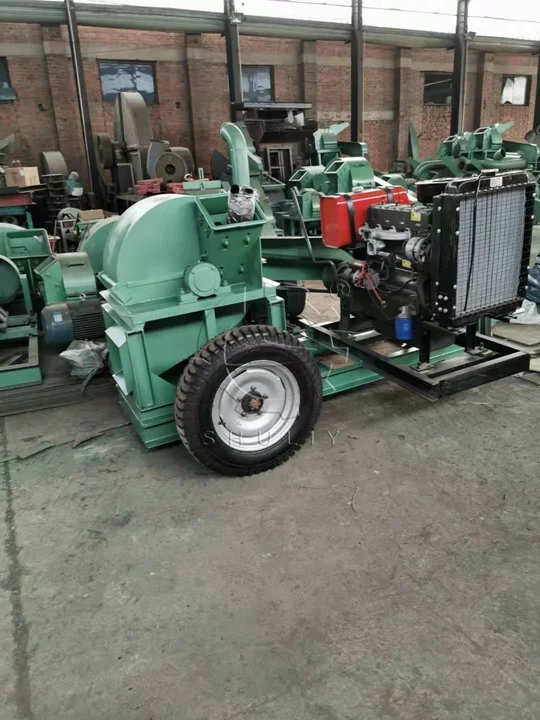
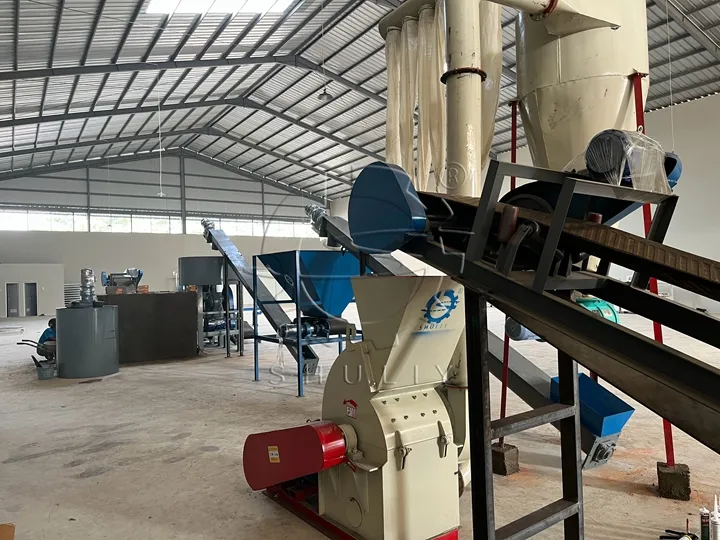
The SL-800 wood sawdust machine crushes logs, branches, and wood chips into fine sawdust. Capacity reaches 1,000 kg per hour. The 45 kW main motor drives alloy hammers against an internal screen. A 6-bag dust remover with 1,000 mm diameter keeps the workshop clean. Screen apertures from 0.6 mm to 12 mm control the final sawdust size.
Stage 2: Drying
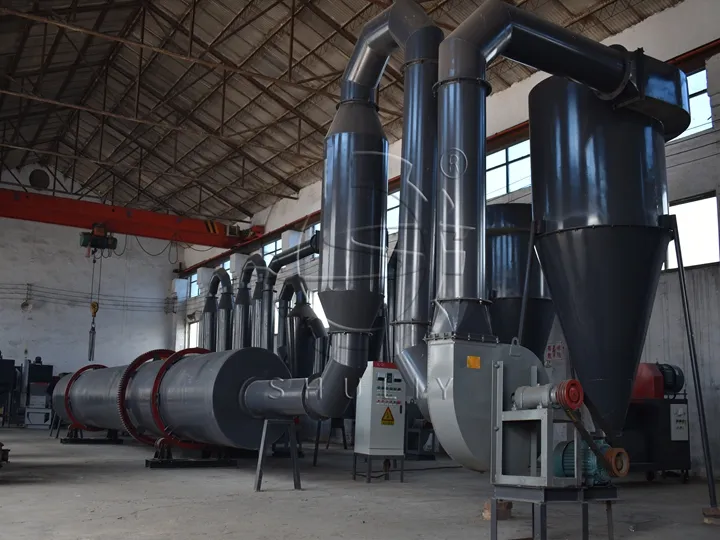
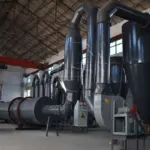
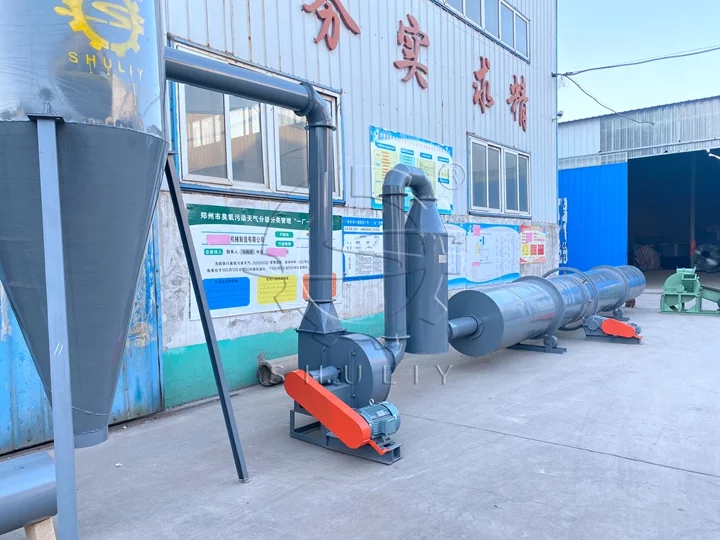
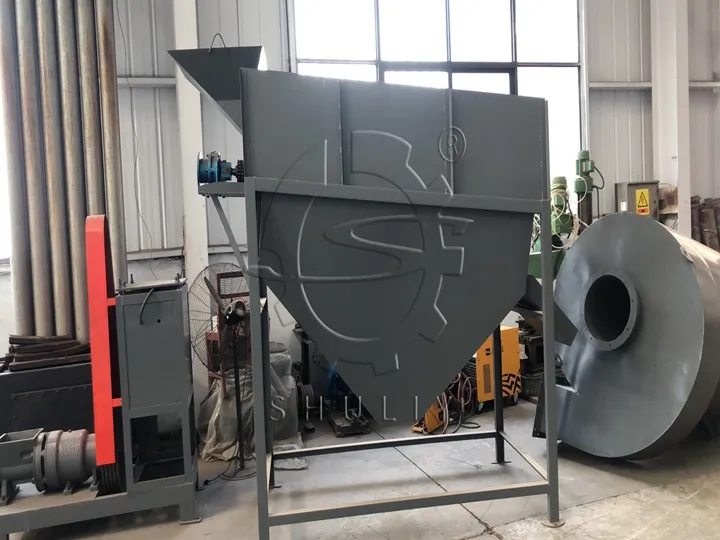
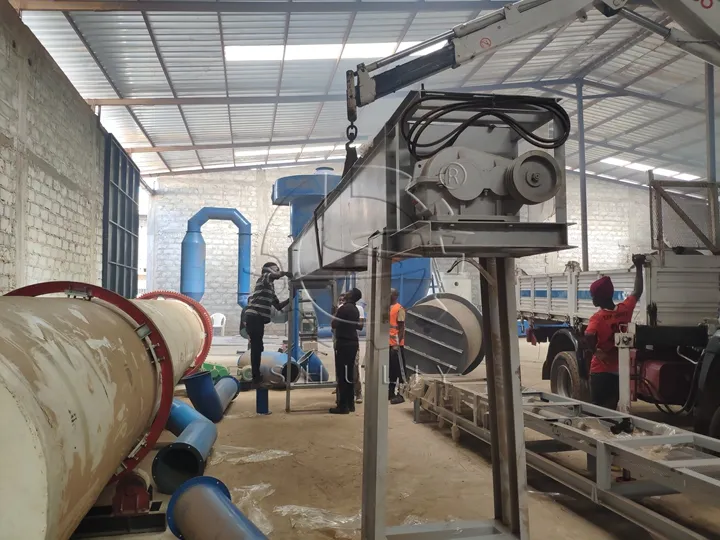
Wet sawdust cannot form strong briquettes. The SL-D1000 rotary drum dryer reduces moisture from 30–40% down to 8–12%. Capacity matches the crusher at 1,000 kg per hour. The dryer includes a cyclone dust collector, adjustable-speed motor, and independent control cabinet.
Stage 3: Briquetting
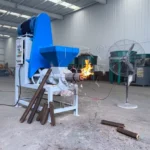
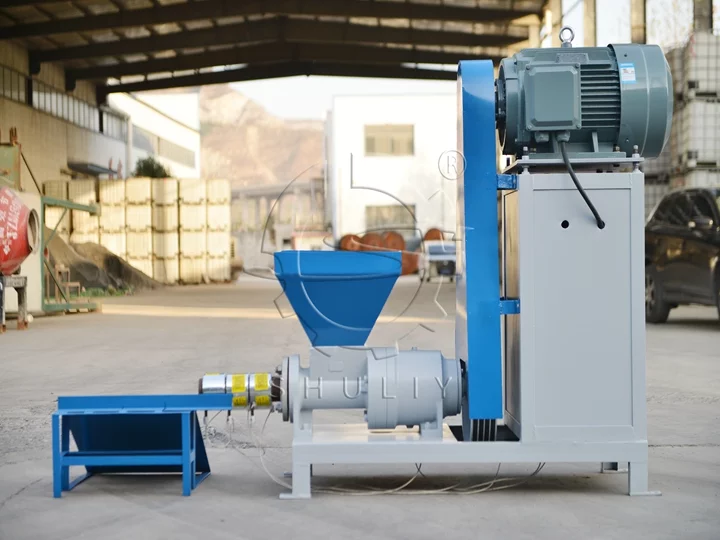
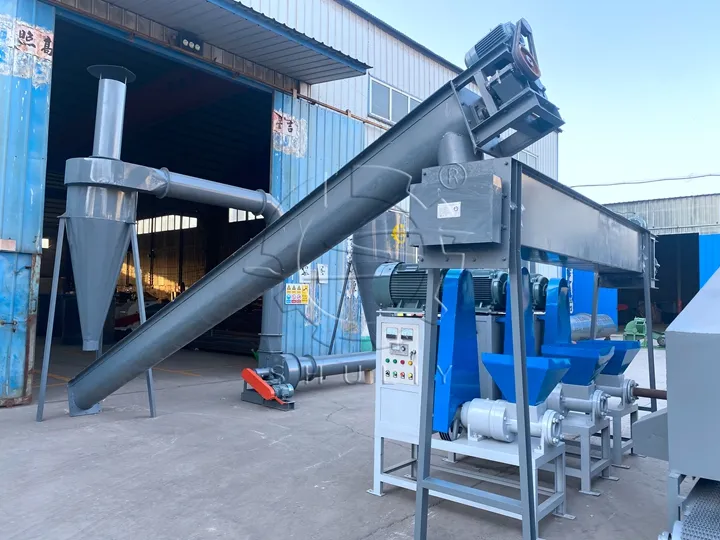
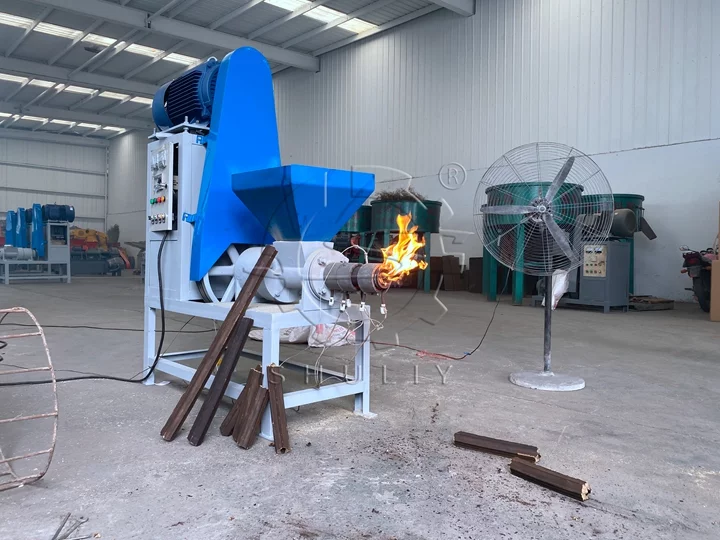
Dried sawdust enters the screw feeder. The feeder distributes material evenly to four SL-50 briquette machines. Each machine produces 200–250 kg of briquettes per hour. High-pressure screw extrusion compresses sawdust into dense rods without any binder. The machines use chromium-manganese alloy molds and C-type belts for longer service life.
Stage 4: Carbonization
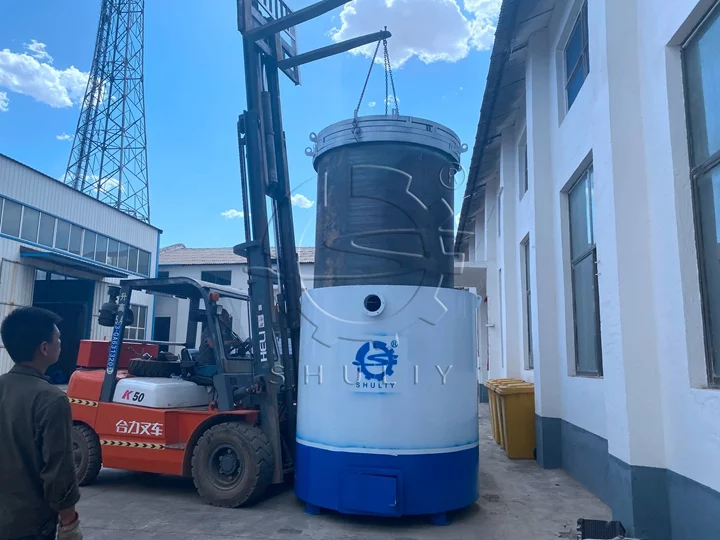
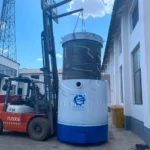
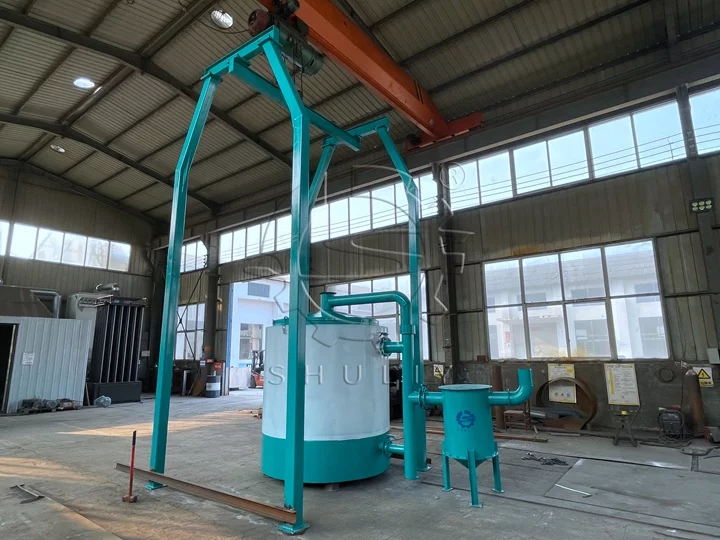
Biomass briquettes load into vertical carbonization furnaces. Each furnace processes one batch every 6–8 hours. After the first hour, combustible gases released from the briquettes sustain the furnace heat. No electricity or external fuel is required. Three furnaces working in rotation handle the daily output of the 1 ton/hour briquetting line.
Stage 5: Cooling and Packing
Hot charcoal cools inside the sealed inner stoves. Once at room temperature, the charcoal briquettes are ready for packaging and sale. The charcoal holds the briquette shape, density, and uniform size from the pressing stage.
Charcoal Production Line Machine For Sale
После понимания производственного процесса вас может заинтересовать необходимое оборудование. Мы предлагаем различные машины для удовлетворения различных потребностей.
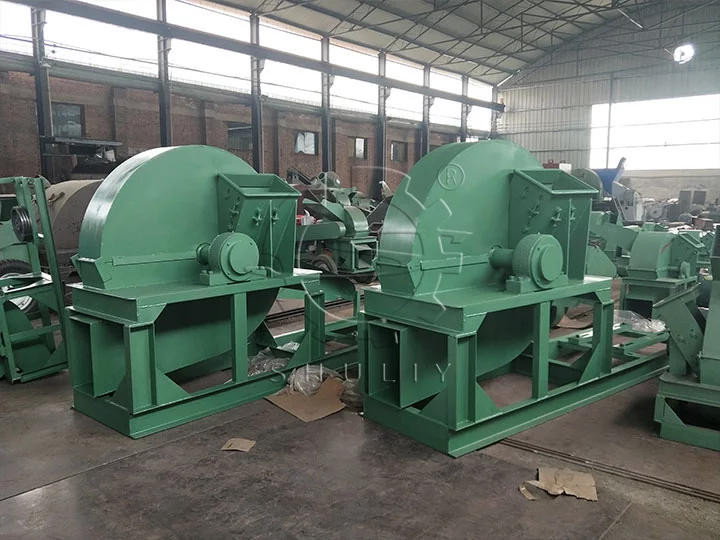
Измельчитель древесины используется для измельчения сырья, такого как бревна или ветки, на более мелкие частицы.
- Эффективное и равномерное измельчение, обеспечивающее постоянный размер материала для оптимальной карбонизации.
- Высокая скорость работы, экономия времени и повышение эффективности производства.
- Универсальность для обработки различных типов древесины и биомассы.
Сушилка опилок отвечает за снижение влажности сырья.
- Быстрая и равномерная сушка, обеспечивающая пригодность сырья для брикетирования и карбонизации.
- Энергоэффективная работа, снижение производственных затрат.
- Регулируемая температура и время сушки для точного контроля содержания влаги.
3. Машина для производства брикетов из биомассы
Машина для изготовления брикетов из биомассы используется для прессования высушенного сырья в брикеты желаемой формы.
- Стабильное и равномерное производство брикетов, обеспечивающее качество продукции.
- Высокое давление и плотность во время брикетирования позволяют получать компактные и прочные брикеты.
- Универсальность для работы с различными материалами биомассы, предлагая гибкость в выборе продуктов.
Печь карбонизации — это заключительный этап, на котором брикеты превращаются в древесный уголь в процессе карбонизации.
- Контролируемый нагрев и лишение кислорода для оптимальной карбонизации.
- Высокотемпературная изоляция, обеспечивающая эффективную и тщательную карбонизацию.
- Функции безопасности и механизмы контроля выбросов соответствуют экологическим стандартам.
Charcoal Production Line Equipment List
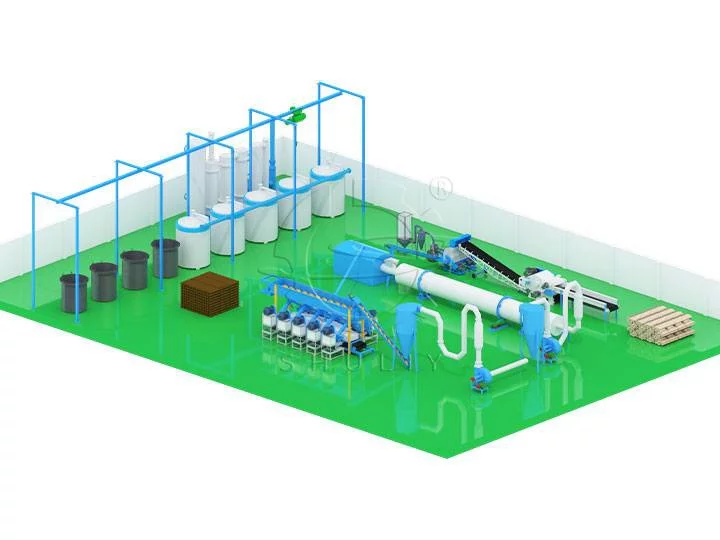
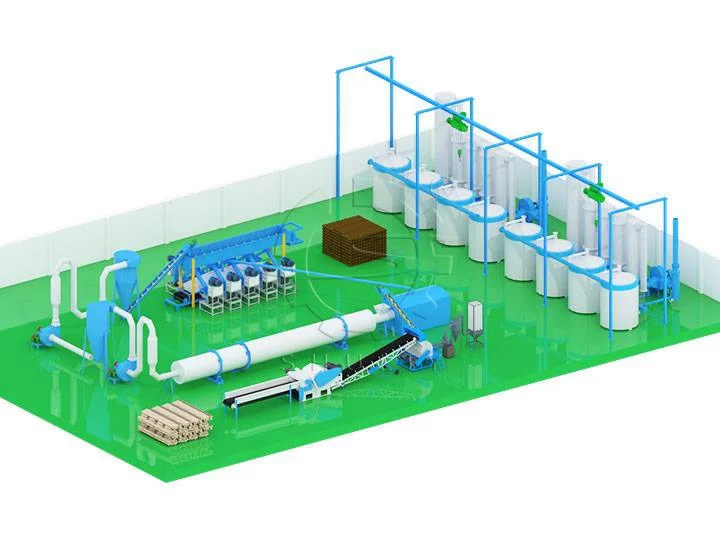
A complete 1 ton/hour charcoal production line includes the following machines:
| Оборудование | Функция | Мощность (кВт) |
|---|---|---|
| Wood sawdust machine (SL-800) | Crushes wood chips and logs into опилки | 45 + 7.5 |
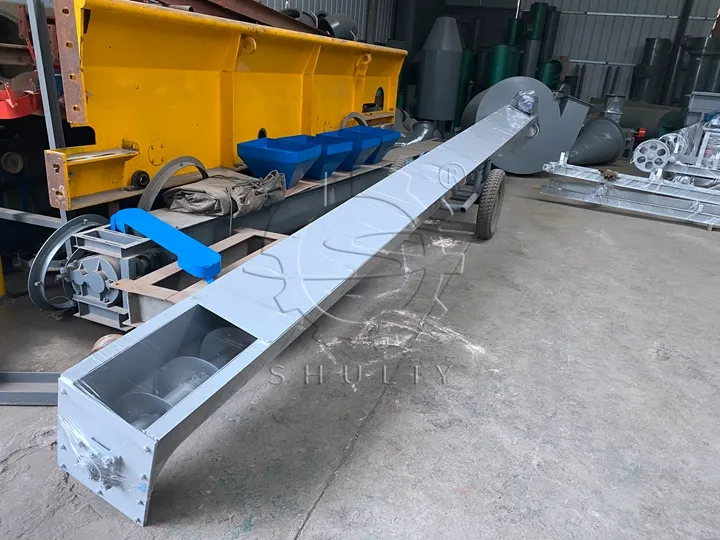
| Screw conveyor (6m) | Transports sawdust to the dryer | 4 |
| Rotary drum dryer (SL-D1000) | Reduces sawdust moisture to 8–12% | 3 + 15 |
| Screw conveyor (4m) | Transports dried sawdust to the feeder | 4 |
| Screw feeder (SL-4) | Distributes sawdust evenly to 4 briquette machines | 5.5 |
| Брикетировочная машина из опилок (SL-50) × 4 | Presses sawdust into biomass briquettes | 18.5 × 4 |
| Smoke collector (SL-4) | Collects and purifies smoke from briquetting | 4 |
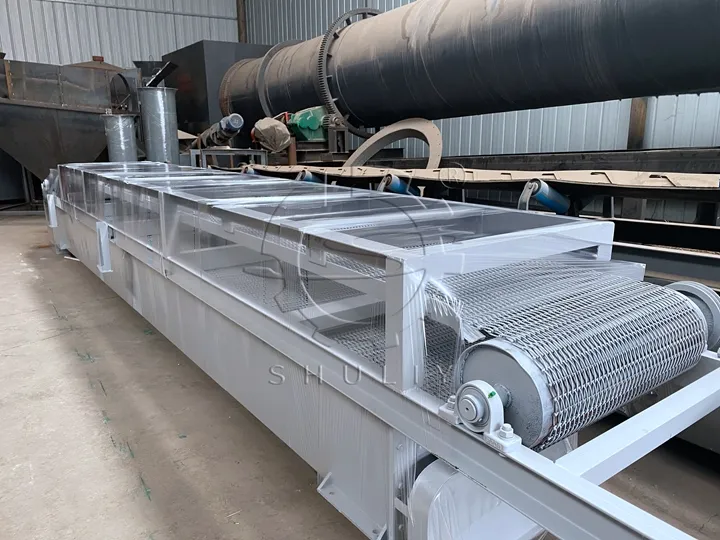
| Belt conveyor | Collects finished biomass briquettes | 1.5 |
| Vertical carbonization furnace × 3 | Carbonizes briquettes into charcoal | 0 (self-sustaining gas) |
- Total working area: 200–300 m².
- Total labor: 3–4 operators per shift.
- Total power (line excluding furnaces): 163.5 kW.
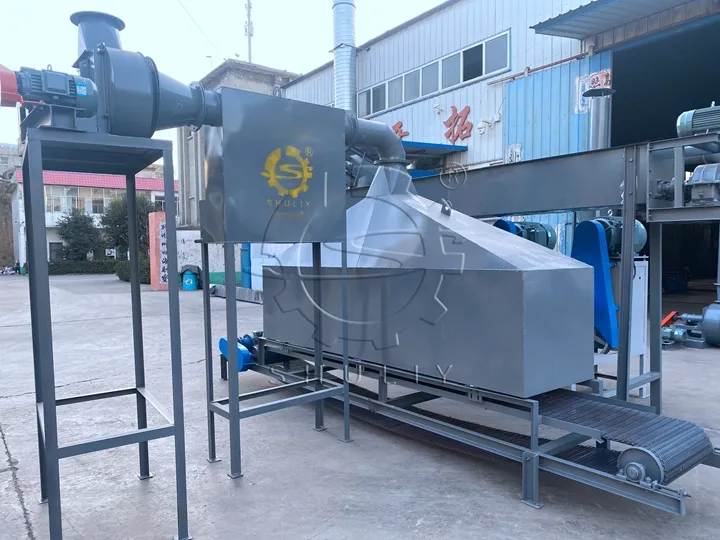
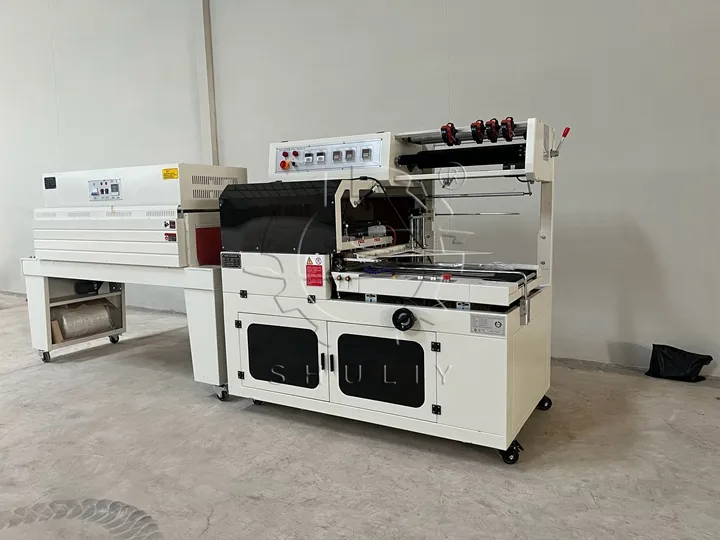
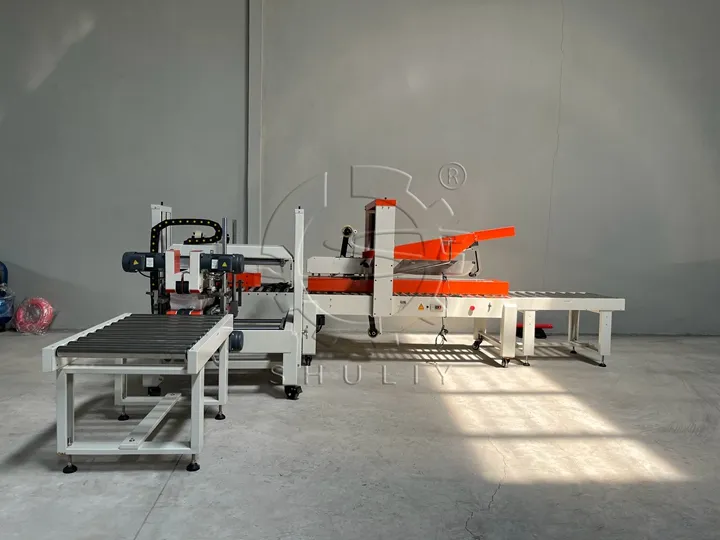
Advantages of The Charcoal Production Line
Wood Sawdust Machine (SL-800)
The crusher is the line’s front end. Its 45 kW copper-core motor handles logs and large branches. An optional large feed inlet accepts tree trunks directly. Spare hammers and screens ship with the machine. Keep hard metals and stones out of the feed opening to protect the blades.
Rotary Drum Dryer (SL-D1000)
The dryer’s 1,000 mm drum runs on 3 kW main power plus a 15 kW fan. Hot air flows through the rotating drum and carries moisture out. The adjustable-speed motor lets you slow the drum for very wet material.
Weight: 2,800 kg.
Sawdust Briquette Machine (SL-50) × 4
Each briquette machine runs on an 18.5 kW national-standard all-copper motor. Key design points:
- 100 cm bearing: more stable feeding and longer bearing life
- U-steel frame: resists deformation under continuous pressure
- Pre-welded screw angle: suits 90% of common raw materials out of the box
- Chromium-manganese alloy mold: extended mold life against abrasive sawdust
The four machines press at the same time. Even if one machine stops for maintenance, the other three keep producing.
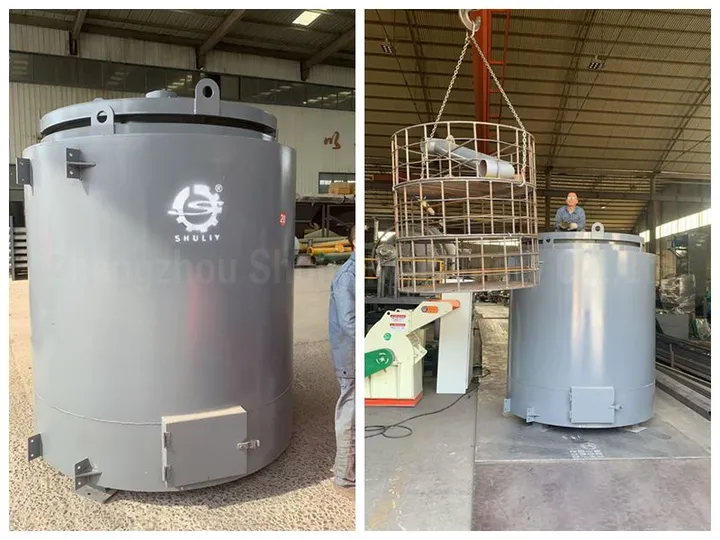
Vertical Carbonization Furnace × 3
The vertical carbonization furnace is the final value-adding stage. Each furnace includes one outer body and three inner stoves. While one stove carbonizes, another cools, and a third loads. This rotation keeps production continuous.
Key parameters per furnace:
| Параметр | Value |
|---|---|
| Batch cycle | 6–8 hours |
| Daily capacity per furnace | 2.5–3 tons of charcoal |
| Inner stove loading | 2,600–3,000 kg per batch |
| Electricity required | None |
| External fuel after startup | 50–80 kg waste biomass per batch |
The sealed chamber produces uniform, low-smoke charcoal. Optional condensers recover wood vinegar and tar as sellable by-products.
Why Invest in This Charcoal Production Line?
- Briquettes sell for more than lump charcoal. Uniform shape, high density, and long burn time command premium prices in barbecue and export markets.
- No electricity for carbonization. The vertical furnaces recycle their own combustible gases. Your electricity bill only covers crushing, drying, and briquetting.
- Modular investment. Buy 1 briquette machine today, add 3 more when orders grow. No equipment becomes obsolete.
- Low labor demand. 3–4 workers run the entire 1 ton/hour line. Automated conveyors remove manual material handling between stages.
- Turnkey delivery. One supplier provides every machine, the layout drawing, and the wiring plan. No compatibility problems between equipment from different factories.
How to Set Up a Charcoal Processing Plant?
Создание завода по переработке древесного угля требует тщательного планирования. Начните с исследования рынка и бизнес-плана, чтобы понять спрос и конкуренцию. Выберите место рядом с сырьем и транспортом, учитывая экологические нормы. Инвестируйте в необходимое оборудование, такое как измельчители, сушилки, печи для карбонизации и упаковочное оборудование.
Обеспечьте стабильную поставку сырья и регулярно обслуживайте оборудование. Соблюдайте местные правила для обеспечения эффективной и устойчивой работы. Разработайте маркетинговую стратегию и наладьте каналы сбыта. Обучите персонал эксплуатации оборудования, контролю качества и безопасности, чтобы получить квалифицированную и эффективную рабочую силу.
После открытия завода понимание применения продуктов из древесного угля поможет вам расширить рынок и каналы продаж.
Charcoal Production Line Application
- Промышленное производство. Используется в отраслях, требующих древесный уголь для таких процессов, как металлургия, химическое производство и производство энергии.
- Сельское и лесное хозяйство. Используется фермерами и лесохозяйственными предприятиями для переработки сельскохозяйственных отходов, древесных остатков и биомассы в древесный уголь для продажи или личного использования.
- Коммерческое использование. Используется коммерческими предприятиями, такими как заводы и производители древесного угля, для производства древесноугольной продукции для розничной и оптовой торговли.
- Экологические решения. Принят экологическими организациями и инициативами, направленными на устойчивые практики и управление отходами, использование отходов биомассы для производства древесного угля для снижения воздействия на окружающую среду.
- Энергетический сектор. Применяется в энергетическом секторе для производства древесного угля в качестве возобновляемого источника энергии, способствуя энергетической независимости и снижая зависимость от ископаемого топлива.
- Исследования и разработки. Используется в исследовательских институтах и университетах для изучения технологий производства древесного угля, процессов карбонизации и изучения новых применений древесного угля.
Common Charcoal Production Problems and Solutions
Problem 1: Briquettes crack or break during carbonization.
- Cause: sawdust moisture was too high during pressing.
- Solution: hold dryer output moisture at 8–12% and let hot briquettes cool before loading the furnace.
Problem 2: Dryer cannot keep up with the crusher.
- Cause: raw material is too wet.
- Solution: pre-dry very wet wood in open air for 1–2 days, or reduce crusher feed rate until moisture balance stabilizes.
Problem 3: Briquette machine molds wear fast.
- Cause: sand or stone contamination in sawdust.
- Solution: screen raw material before crushing. Keep chromium-manganese alloy spare molds in stock.
Problem 4: Charcoal output is lower than briquette output.
- Cause: furnaces are the bottleneck.
- Solution: add one vertical carbonization furnace for every 2.5–3 tons of daily briquette production.
Why Choose Shuliy for Your Charcoal Making Plant?
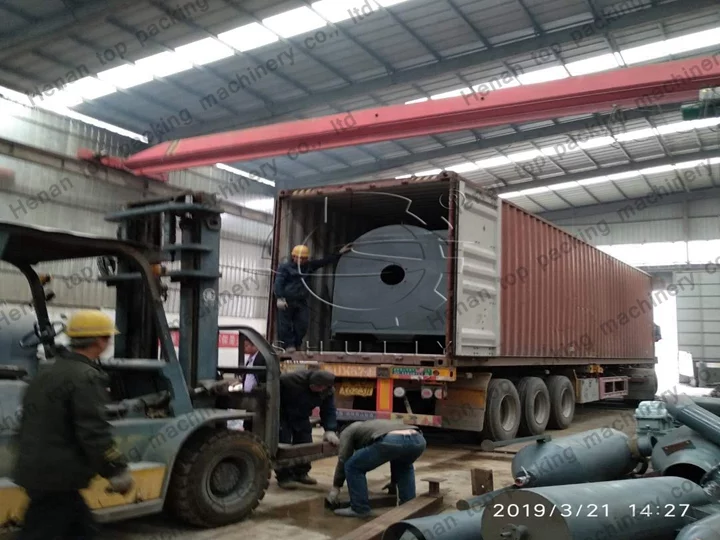
- Complete line from one factory. Shuliy manufactures the crusher, dryer, briquette machines, conveyors, and carbonization furnaces. Every machine is tested together before shipping.
- Layout design included. Send us your workshop dimensions. Our engineers provide a free 2D/3D layout showing machine positions, material flow, and operator stations.
- Wear parts in stock. Hammers, screens, screws, molds, and inner stoves ship within 48 hours. Your line never waits weeks for a spare part.
- 12-month warranty, lifetime support. Machine faults during the warranty period are our responsibility. Technical support continues for the equipment’s entire service life.
- Flexible installation options. Installation is simple enough for self-installation with our manuals and videos. On-site engineer teams are available for full commissioning and operator training.
Get a Custom Charcoal Production Line Quote
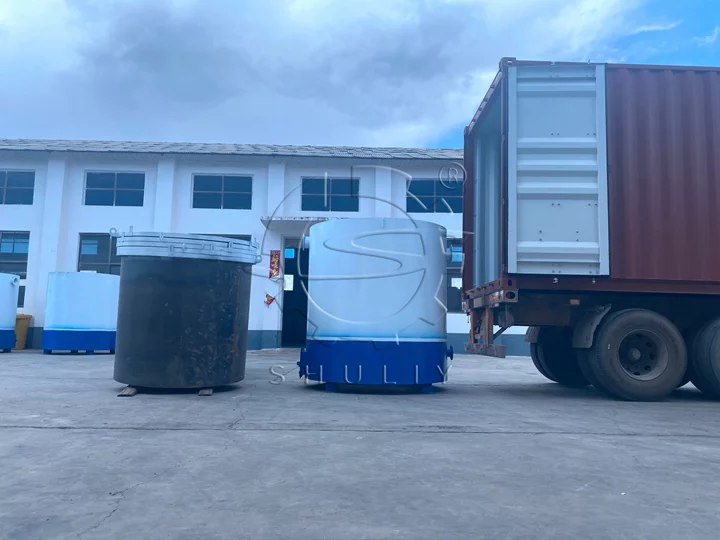
This charcoal production line turns wood waste into premium charcoal briquettes at 1 ton per hour. Tell us your raw material type, moisture content, and daily output target. Shuliy engineers will recommend the right number of briquette machines and carbonization furnaces, then send a detailed quotation with a layout drawing and shipping schedule within 24 hours.
Часто задаваемые вопросы
How much charcoal does 1 ton of briquettes produce after carbonization?
One ton of dried biomass briquettes yields approximately 700–800 kg of finished charcoal in the vertical furnace. The briquettes are already compressed and dried before carbonization, so the yield is much higher than carbonizing raw wood directly.
Can this charcoal production line process coconut shell?
Yes. Coconut shell crushes well in the SL-800 machine. However, coconut shell can also be carbonized directly in the vertical furnace without briquetting. Many buyers run both processes in the same plant.
What happens if my raw material moisture is above 40%?
Material above 40% moisture overloads the dryer and reduces line output. Store very wet material in a ventilated area for several days before processing, or add a second drying pass.
Can I start the line without the carbonization furnaces?
Yes. Some buyers sell raw biomass briquettes directly to carbonization plants or boiler fuel markets first. The furnaces can be added later when you are ready to move into higher-margin charcoal sales.
What power supply does the line need?
The line requires a three-phase industrial supply of approximately 165–180 kW capacity. The carbonization furnaces need no electrical connection. A diesel generator set can run the line in off-grid areas.
How long does installation take?
Self-installation with our drawings typically takes 5–7 days with 3–4 workers. An on-site Shuliy engineer team completes installation, commissioning, and operator training in approximately 3–4 days.
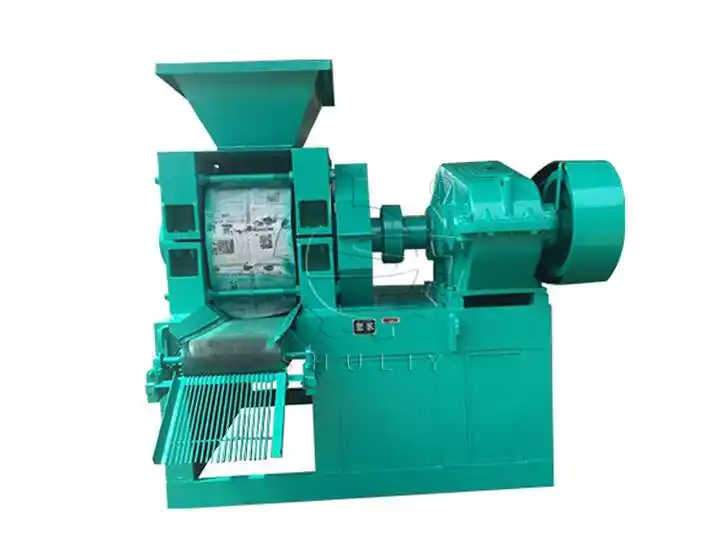
Машина для производства угля для барбекю | Машина для прессования угольных шариков
Машина для производства угля для барбекю может прессовать порошкообразные материалы, такие как…
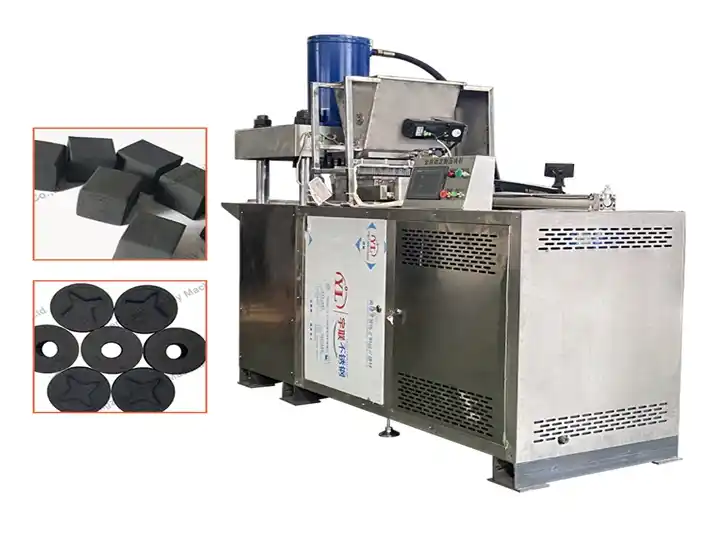
Угольная машина для кальяна для древесного угля для кальяна круглой и кубической формы
Наша популярная машина для производства угля для кальяна может производить высококачественный уголь для кальяна…
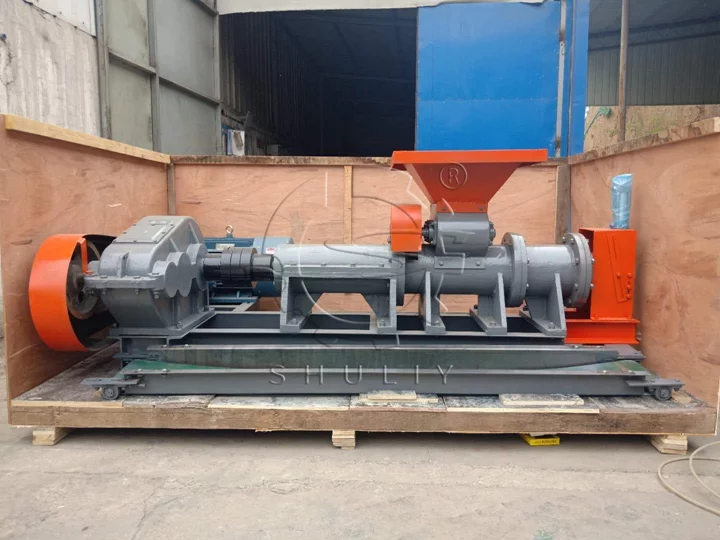
Пресс для производства древесноугольных брикетов экспортирован в Ирак
В последнее время наша машина для прессования брикетов из угля была успешно продана…
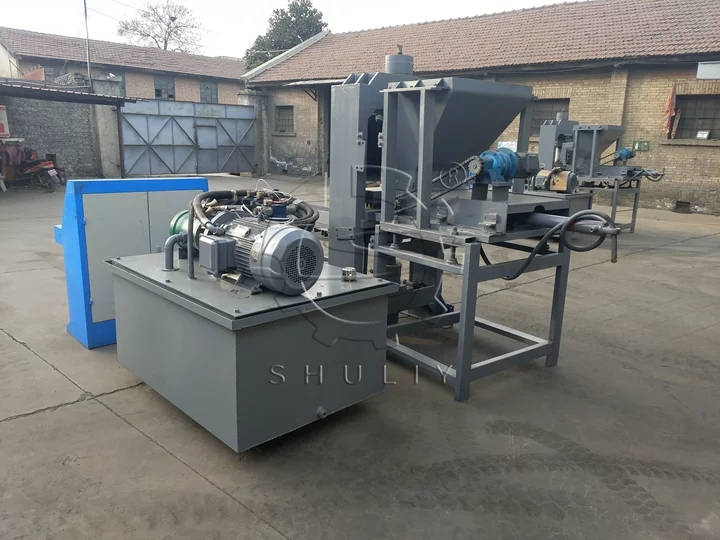
Машину для производства угля для кальяна отправили в Джакарту
Будучи ведущим поставщиком машин для производства угля для кальяна, мы…
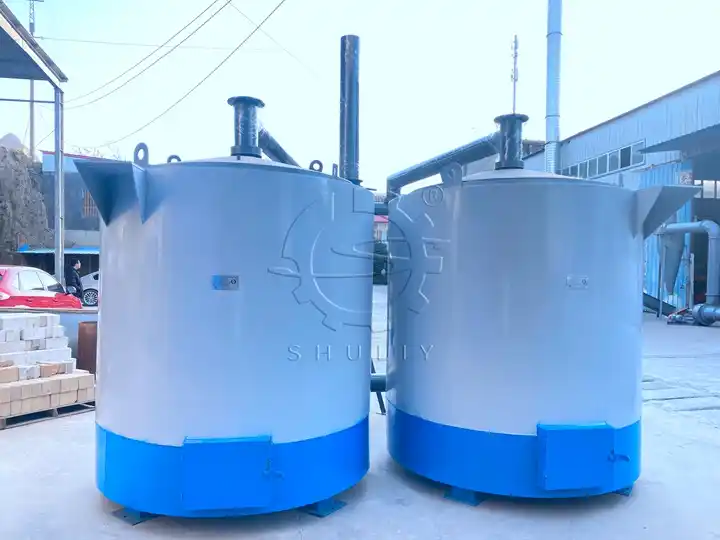
Две вертикальные печи для карбонизации отправлены в Мьянму
Хорошие новости! Наши вертикальные камеры карбонизации успешно отгружены…
Горячий продукт
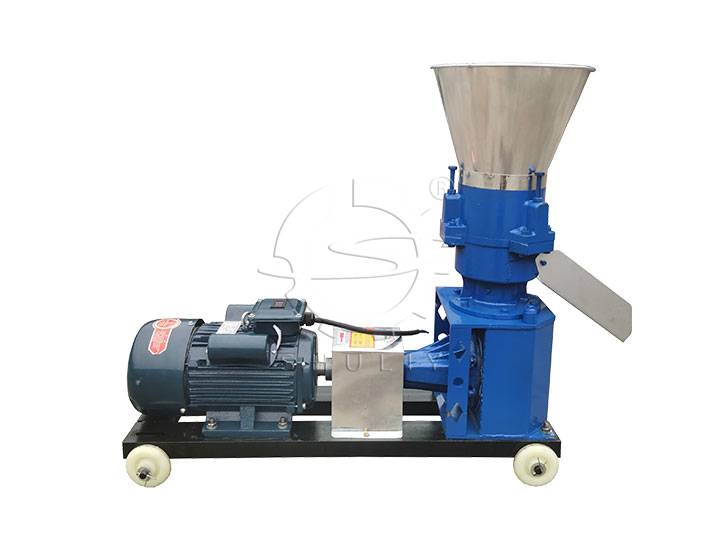
Машина для производства пеллет для корма для животных | Машина для производства пеллет
Shuliy предлагает машину для прессования комбикорма для…
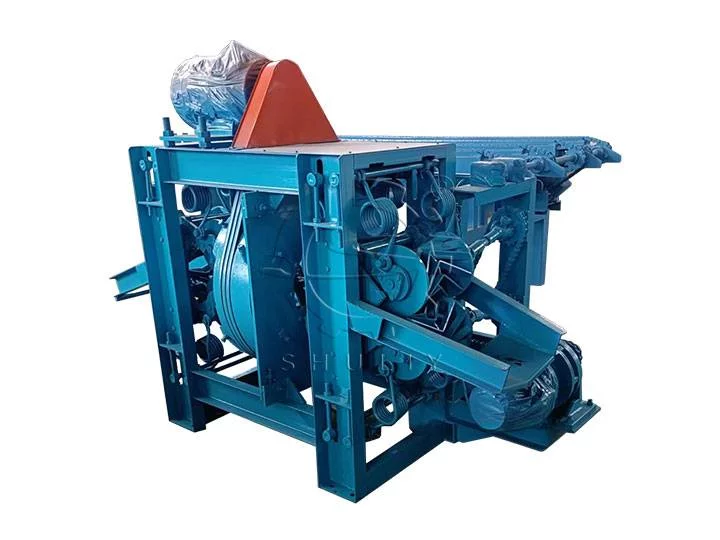
Машина для окорки древесины | Машина для очистки бревен
Машина для снятия коры с древесины, также известная как бревен…
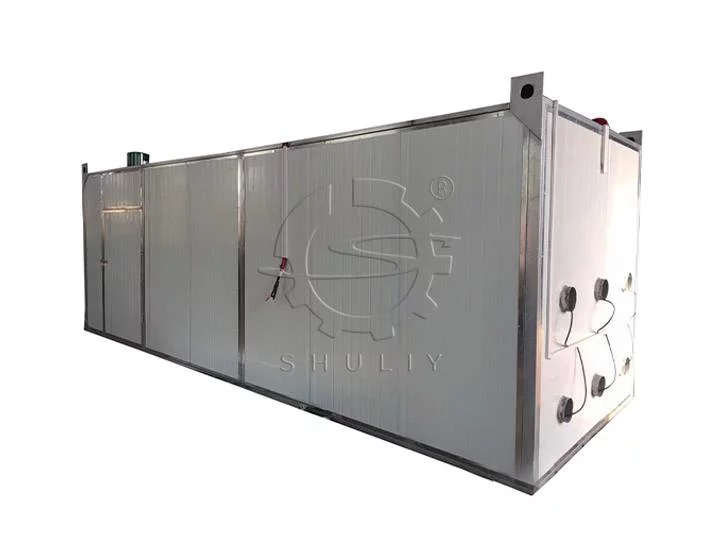
Машина для сушки древесно-угольных брикетов
Эта коробчатая сушильная машина для древесно-угольных брикетов — это…
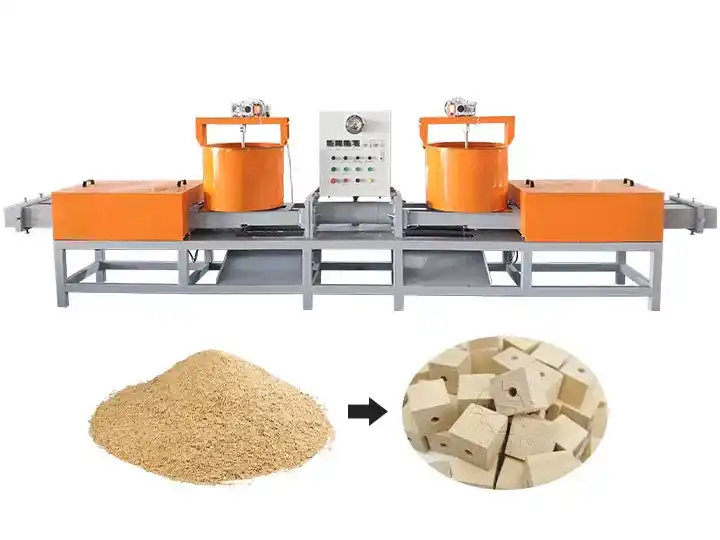
Машина для изготовления деревянных поддонов
Машина для изготовления деревянных паллетных блоков использует опилки и…
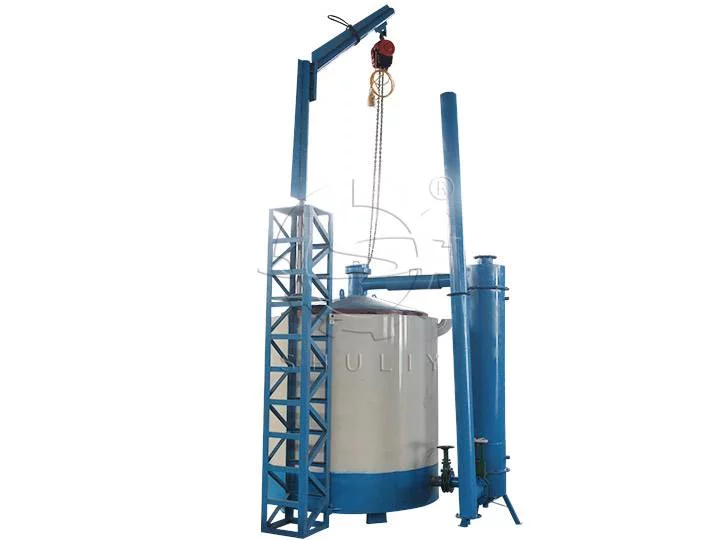
Вертикальная печь карбонизации для производства древесного угля
Эта вертикальная углеродизация печи может использоваться для…
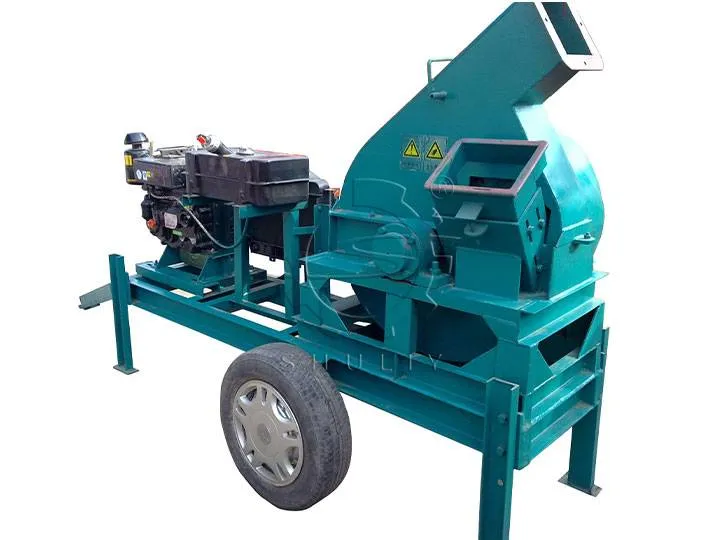
Дисковая измельчитель древесины | Машина для производства древесной щепы
Дисковая щепорезка является универсальным решением…
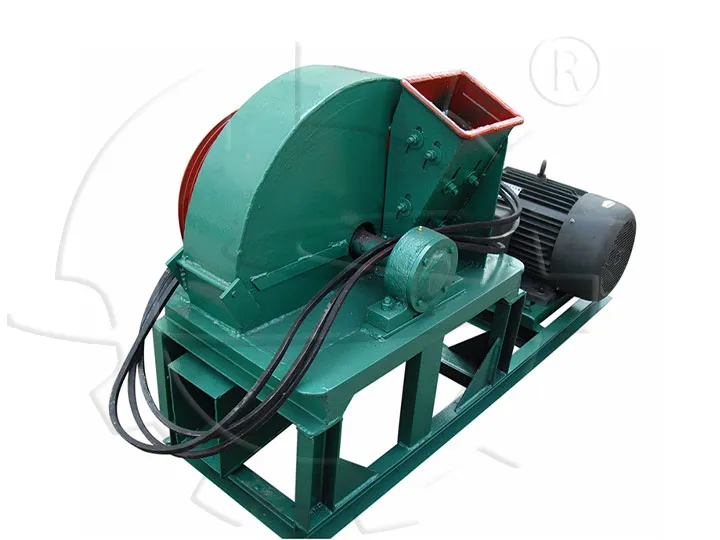
Станок для стружки | Стружка для подстилки животным
Деревное опилки машина эффективно режет и перерабатывает…
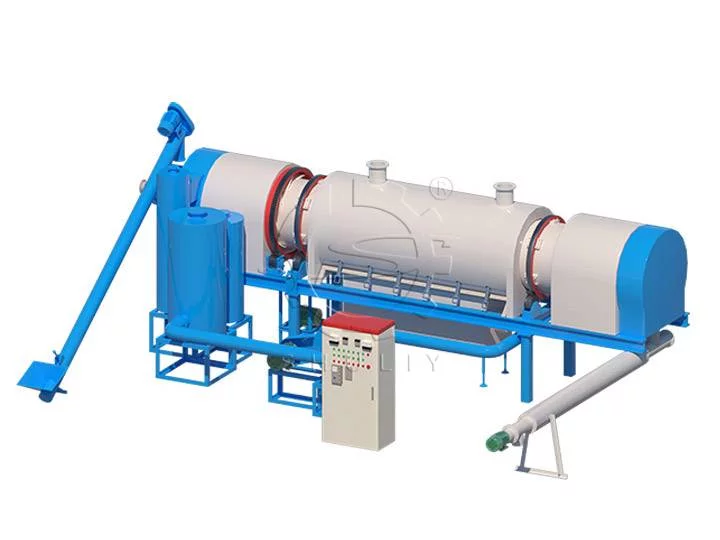
Печь непрерывного карбонизации | Машина для производства древесного угля из опилок
Непрерывная камера карбонизации предназначена для промышленного масштабного…
Угольная машина для кальяна для древесного угля для кальяна круглой и кубической формы
Наша популярная машина для производства угля для кальяна может выпускать угли высокого качества…