
Barbecue Charcoal Production Line
Barbecue Charcoal Making Line | Barbecue Charcoal Manufacturing Plant

Barbecue Charcoal Production Line
Barbecue Charcoal Making Line | Barbecue Charcoal Manufacturing Plant
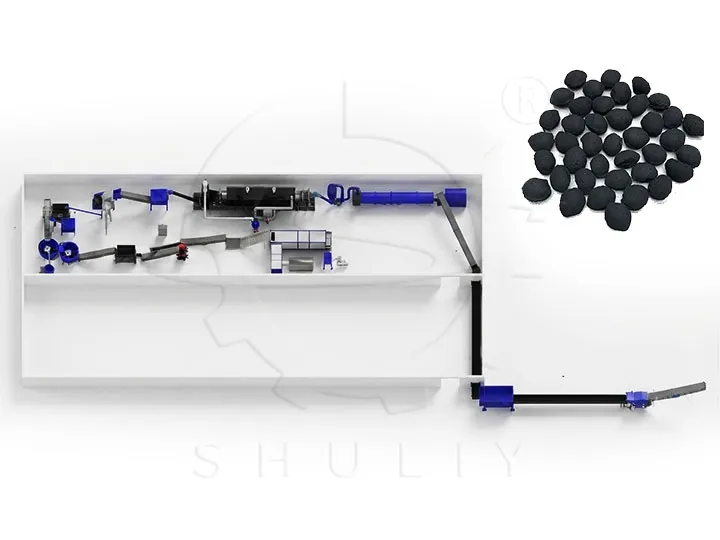
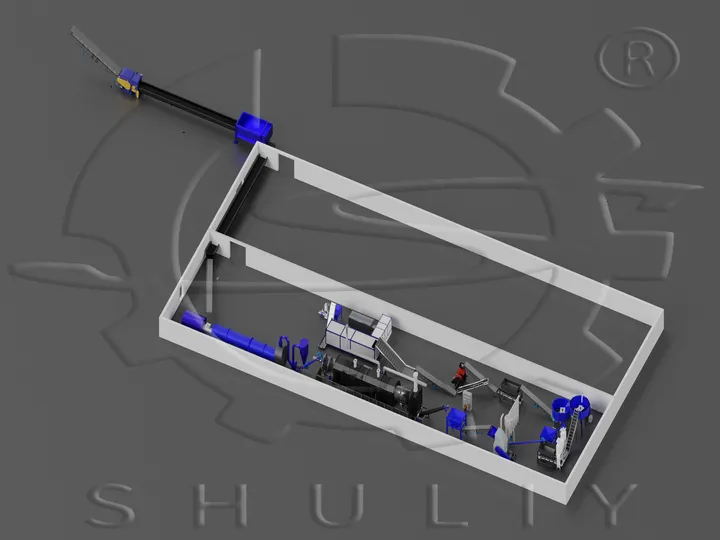
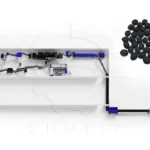
A barbecue charcoal production line is an integrated system that converts charcoal powder into finished charcoal briquettes. When using charcoal powder as raw material, this complete setup processes up to 20 tons of charcoal per hour through 6 sequential stages: crushing, mixing, briquetting, drying, and packaging.
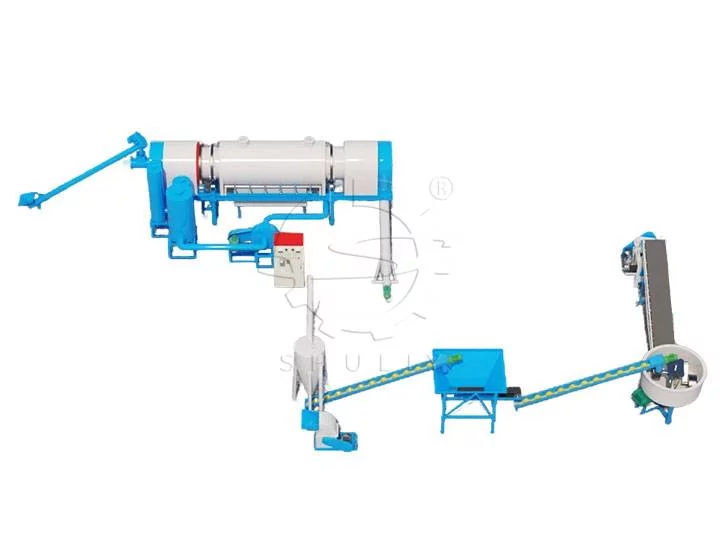
The BBQ charcoal processing plant transforms charcoal powder into uniform charcoal balls ready for market. Each machine in the line serves a specific function, ensuring consistent quality and maximum output. For operations starting from raw wood logs, the line can be expanded with chipping, drying, and carbonization stages, producing up to 500 kg/hour of finished charcoal.
Raw Materials in Barbecue Charcoal Production Line
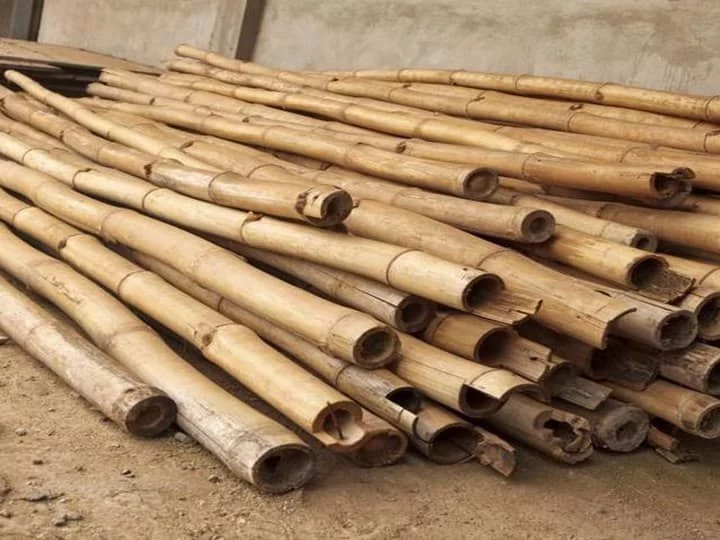
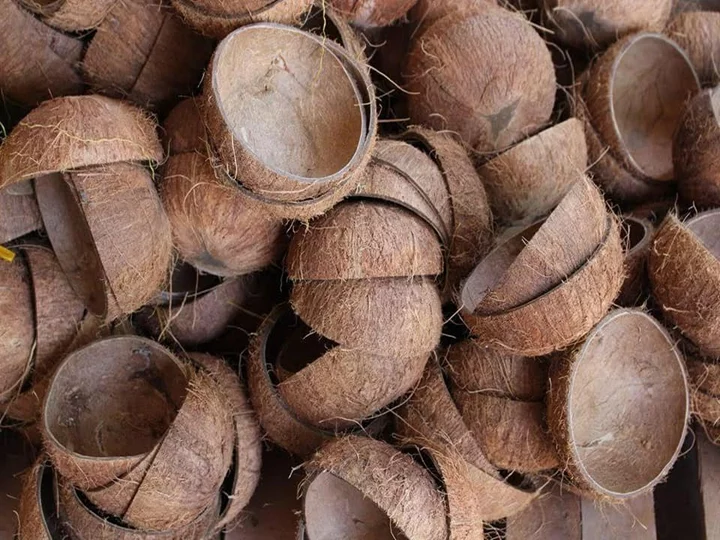
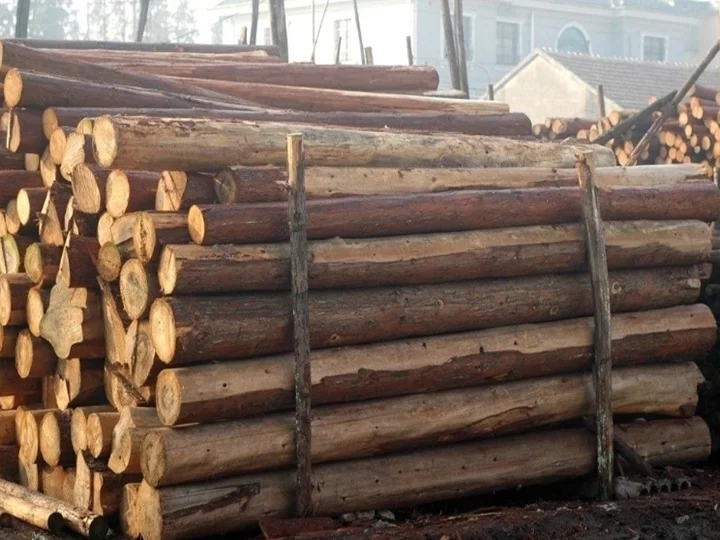
In a barbecue charcoal production line, the raw materials commonly used include wood logs, sawdust, coconut shells, bamboo, etc. Each type of raw material offers unique qualities and contributes to the production of high-quality barbecue charcoal.
What Types of Finished Products Can a Barbecue Charcoal Production Line Produce?
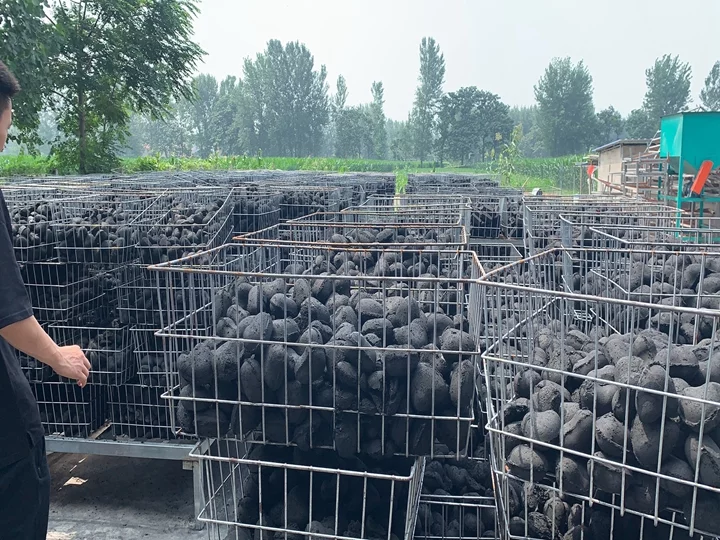
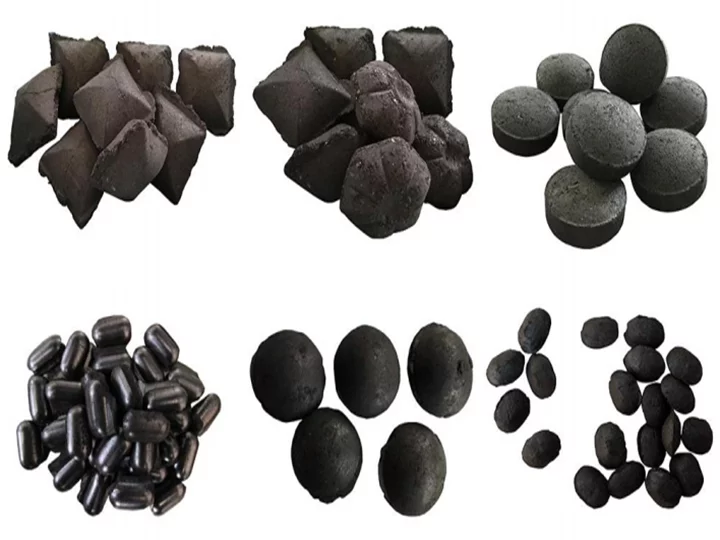
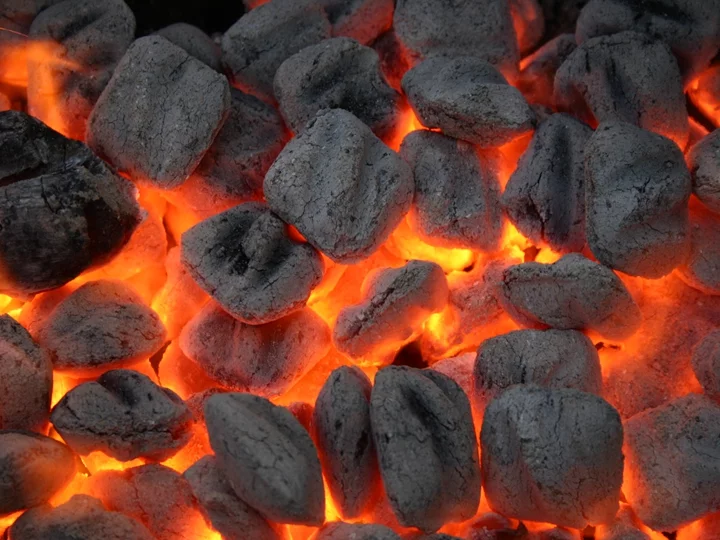
A barbecue charcoal production line can produce charcoal briquettes in a variety of shapes and sizes to meet different market demands. Common finished products include pillow-shaped, hexagonal, cylindrical, square, spherical, and stick charcoal. The final shape depends on the molding machine and mold selected. These charcoal products are widely used for household BBQs, restaurants, outdoor grilling, camping, and commercial catering because they burn evenly, generate high heat, and produce less smoke and ash. Different shapes also provide advantages in packaging, transportation, and burning performance for various applications.
What Equipment Is Included in a Complete BBQ Charcoal Production Line?
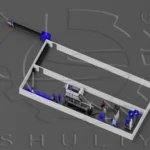
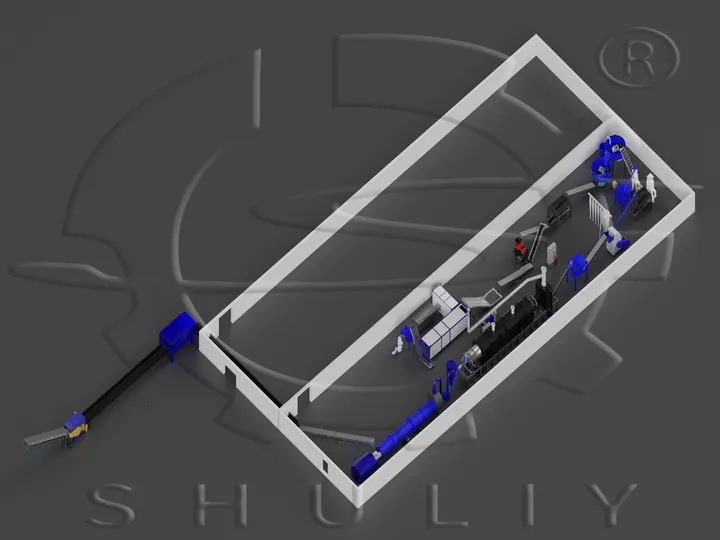
This charcoal briquette production line includes 28 machines working together as one system. Here is the full equipment breakdown:
| Equipment Name | Quantity |
|---|---|
| Drum wood chipper | 1 set |
| 10m³ wood chip storage bin | 1 set |
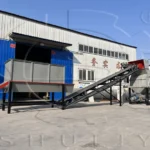
| 15m belt conveyor (to dryer) | 1 set |
| 8m belt conveyor | 1 set |
| Rotary drum dryer | 1 set |
| Continuous carbonization furnace | 1 set |
| Charcoal powder hopper conveyor | 1 set |
| Charcoal powder crusher | 1 set |
| 6m screw conveyor (to storage bin) | 1 set |
| 2-3m³ charcoal powder storage bin | 1 set |
| 5m belt conveyor | 1 set |
| Automatic weighing machine | 1 set |
| SL-15 intermediate storage bin | 1 set |
| Binder weighing machine | 1 set |
| 5m batching belt conveyor | 1 set |
| Water weighing equipment | 1 set |
| Wheel mill mixer | 2 sets |
| 5m mixed charcoal belt conveyor | 1 set |
| 1-2t/h intermediate storage bin | 1 set |
| 5m briquette press feed belt | 1 set |
| Charcoal ball press machine | 1 set |
| 5m waste return belt conveyor | 1 set |
| 5m wet charcoal ball feed belt | 1 set |
| Mesh belt dryer | 1 set |
| 5m finished product belt conveyor | 1 set |
| Finished product storage bin | 1 set |
| Automatic packaging machine | 1 set |
| Electrical control system | 2 sets |
Core Equipment Technical Parameters
The following table shows detailed specifications for the 8 key machines in this barbecue charcoal production line:
| Equipment | Technical Specifications | Quantity |
|---|---|---|
| Drum Wood Chipper | Model: SL-216 Power: 55 kW Capacity: 7-8 tons/hour Configuration: includes 6m feed conveyor + 8m discharge conveyor Weight: 4.5 tons Blades: 2-3 pieces Function: crushes wood logs into uniform chips | 1 set |
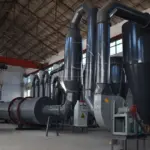
| Rotary Drum Dryer | Model: SL-1200 Power: 4+18.5 kW Capacity: 1,500-2,000 kg/hour Drum size: φ1.2m × 12m Weight: 6 tons Function: dries wood chips to 8-10% moisture content for carbonization | 1 set |
| Continuous Carbonization Furnace | Model: SL-1200 Capacity: 500 kg/hour Power: 25 kW/hour Working method: continuous production Heating fuel: LPG / natural gas Weight: 13 tons Function: carbonizes dried wood into charcoal under high temperature | 1 set |
| Charcoal Powder Crusher | Model: SL-600 Power: 30 kW Capacity: 1,000 kg/hour Output size: 1- 10 mm Weight: 2 tons Function: crushes charcoal blocks into fine powder for mixing | 1 set |
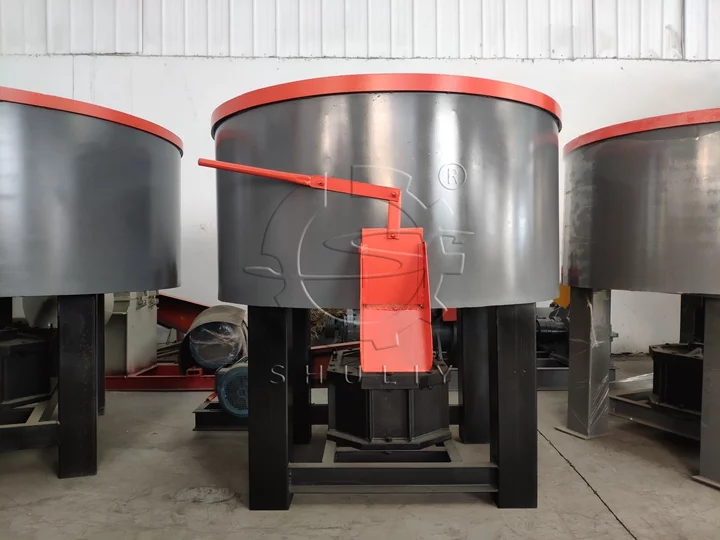
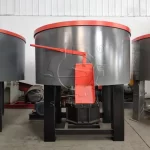
| Wheel Mill Mixer | Model: SL-1500 Power per unit: 7.5 kW Capacity: 500 kg/hour per unit Size: φ1,500 × 1,350mm (height) Weight per unit: 1 ton Function: thoroughly mixes charcoal powder, binder, and water to improve density and uniformity | 2 sets |
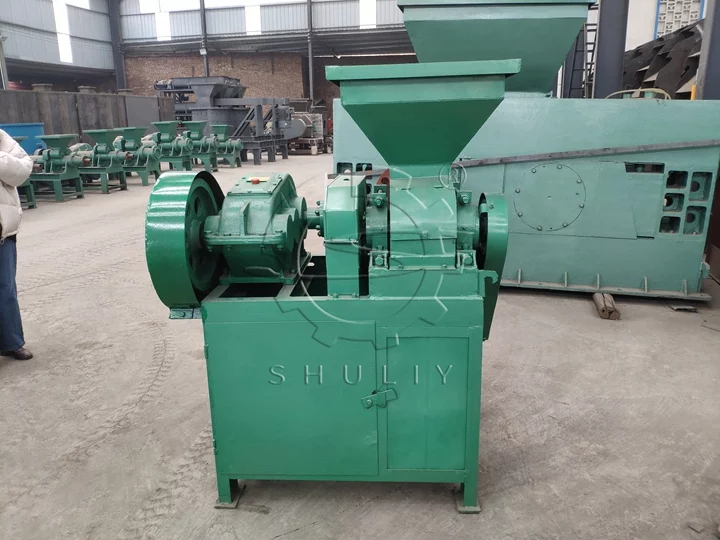
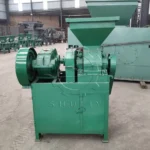
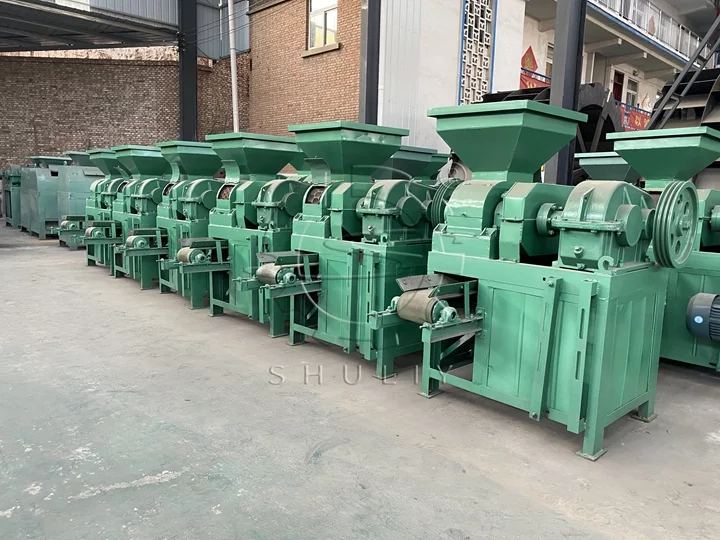
| Charcoal Ball Press Machine | Model: SL-290 Power: 5.5 kW Capacity: 1,000 kg/hour Size: 1,570 × 1,210 × 1,400mm Weight: 750 kg Function: presses mixed charcoal into ball-shaped briquettes | 1 set |
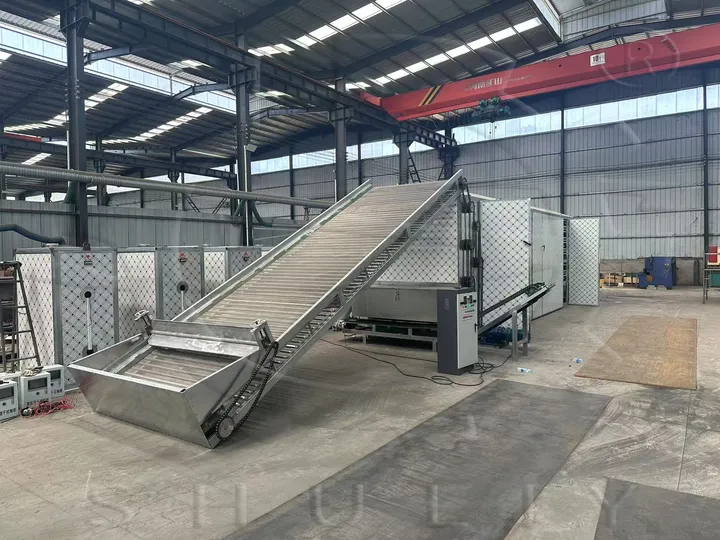
| Mesh Belt Dryer | Model: SL-65 Drying chamber size: 6m × 2.2m × 2.8m Capacity: 1,000 kg/hour Structure: 5-layer 2m-wide mesh belt with feed/discharge belts Configuration: includes independent electrical control cabinet Weight: 7 tons Function: dries wet charcoal balls to final moisture standard | 1 set |
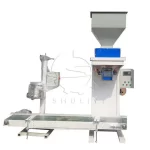
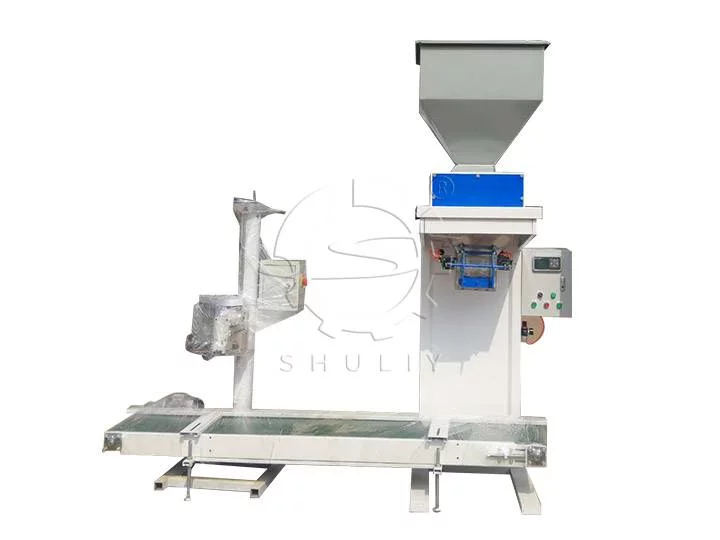
| Automatic Packaging Machine | Model: SL-50Power: 1.1 kW Packaging spec: 10-50 kg/bag Packaging speed: 4-6 bags/minute Size: 650 × 1,250 × 2,050mm Weight: 600 kg Configuration: includes conveyor, sewing machine, hopper, air compressor, feeding machine Function: automatically weighs and bags finished charcoal | 1 set |
How Does a Barbecue Charcoal Production Line Work Step by Step?
This BBQ charcoal production line operates as a continuous 500 kg/hour system. The process flows through 8 distinct stages.
Step 1: Raw Material Chipping
Wood logs enter the drum wood chipper (model SL-216). The machine uses 2-3 rotating blades to break logs into uniform chips. A 6m feed conveyor and 8m discharge conveyor move chips to the 10m³ storage bin.

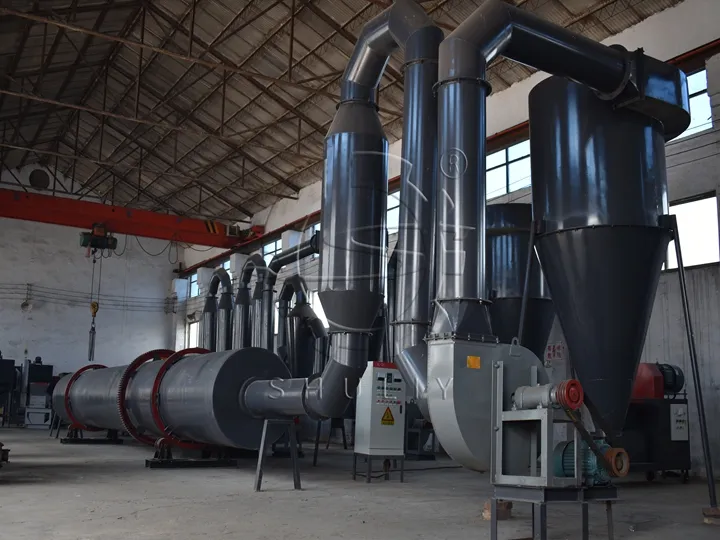
Step 2: Raw Material Drying
Chips travel via a 15m belt conveyor into the rotary drum dryer (model SL-1200). The 12-meter drum rotates while hot air circulates inside. This reduces moisture content from 30-40% down to 8-10%, which is the optimal range for carbonization.
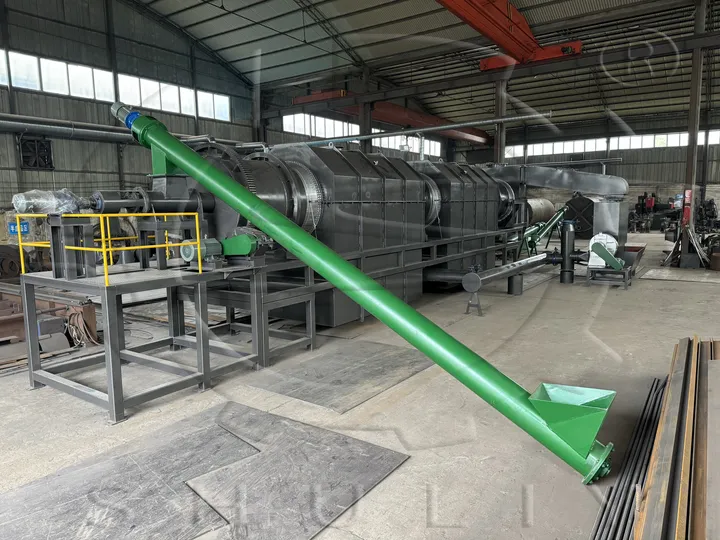
Step 3: High-Temperature Carbonization
Dried chips enter the continuous carbonization furnace (model SL-1200). Inside the furnace, chips move through a high-temperature zone (800-1000°C) in an oxygen-free environment. The furnace uses LPG or natural gas as heating fuel. After 2-3 hours, the chips transform into charcoal.
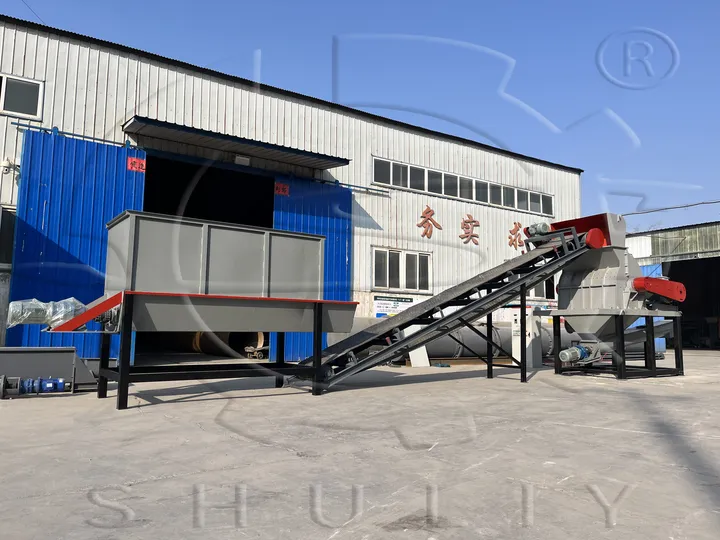
Step 4: Charcoal Powder Preparation
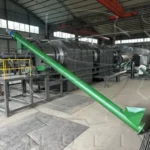
Charcoal blocks pass through the crusher (model SL-600). The machine grinds blocks into 1- 10 mm powder. A 6m screw conveyor transports powder to the 2-3m³ storage bin for temporary storage.
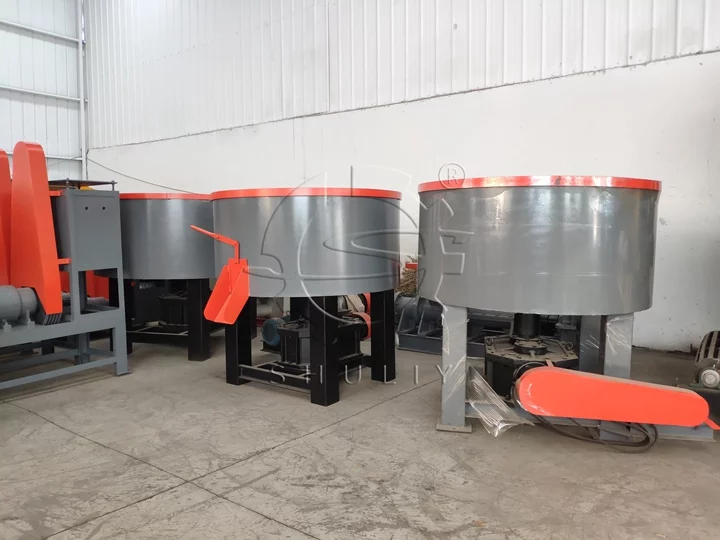
Step 5: Batching and Mixing
Charcoal powder, binder (usually cassava starch), and water are weighed separately using automatic weighing machines. The materials enter two wheel mill mixers (model SL-1500). Each mixer has 7.5 kW power and processes 500 kg/hour. The mills crush and blend the mixture for 15-20 minutes, ensuring uniform density.
Step 6: Briquette Pressing
Mixed charcoal enters the ball press machine (model SL-290). The machine uses 5.5 kW power to press material into ball-shaped briquettes at 1,000 kg/hour. Waste material from the pressing process returns via a 5m belt conveyor for reprocessing.
Step 7: Finished Product Drying
Wet charcoal balls travel via a 5m belt conveyor into the mesh belt dryer (model SL-65). The dryer has a 6m × 2.2m × 2.8m chamber with 5 layers of 2m-wide mesh belts. Hot air circulates through all layers, drying the balls to less than 5% moisture content.
Step 8: Automatic Packaging
Dried charcoal balls move to the finished product storage bin. The automatic packaging machine (model SL-50) weighs 10-50 kg portions and fills bags at 4-6 bags per minute. A sewing machine seals the bags. The packaged charcoal is now ready for market.
Advantages of the Barbecue Charcoal Production Line
High Output with Low Labor Cost
This line produces up to 20 tons of finished charcoal briquettes per hour when processing charcoal powder. Only 3-4 operators per shift are required. The automatic weighing, mixing, and packaging stages reduce manual labor by more than 70% compared to semi-automatic production lines.
Consistent Briquette Density and Burn Time
The wheel mill mixer (model SL-1500) crushes and blends charcoal powder with binder for 15-20 minutes per batch, ensuring every briquette has uniform density. The result is a consistent burn time of 60-90 minutes across all batches, which is especially important for commercial BBQ applications.
Flexible Raw Material Sourcing
The BBQ charcoal processing plant can process charcoal powder made from coconut shells, hardwood, fruitwood, bamboo, or mixed raw materials. You are not limited to a single feedstock. If coconut shell charcoal prices increase, you can switch to hardwood charcoal powder without changing the equipment.
Scalable from Startup to Industrial Output
For businesses starting with raw wood, the complete production line delivers 500 kg/hour through the entire carbonization process. For customers who already have a charcoal powder supply, the briquetting section alone can produce up to 20 tons/hour. The system can be expanded by adding parallel equipment as production demand grows.
Low Moisture and Clean-Burning Final Product
The 5-layer mesh belt dryer (model SL-65) reduces the moisture content of charcoal briquettes to below 5%. Low moisture provides longer burning time, stable heat output, and minimal smoke during grilling, helping the final product meet export standards for markets in the Middle East, Europe, and Southeast Asia.
Waste-Free Production Loop
The charcoal ball press (model SL-290) generates a small amount of waste material during pressing. A 5m return belt conveyor automatically transports this material back to the mixer for reprocessing, ensuring that virtually no raw material is wasted during production.
Why Invest in a BBQ Charcoal Processing Plant?
The global demand for barbecue charcoal continues to grow. Restaurants, catering services, and households need a reliable charcoal supply year-round. A barbecue charcoal production line offers several advantages.
High Profit Margins
Raw materials such as wood waste, sawdust, or coconut shells typically cost $20–50 per ton. Finished charcoal sells for $300–800 per ton, depending on quality and market demand. This 6–16× value increase creates strong profit potential.
Consistent Quality Control
An integrated BBQ charcoal processing plant ensures uniform briquette size, density, and moisture content. This consistency helps build customer trust and encourages repeat orders.
Scalable Production
This line processes 500 kg/hour, which equals approximately 4 tons per 8-hour shift. For larger operations, you can run multiple shifts or add parallel equipment to increase production capacity.
Versatile Raw Materials
The charcoal briquette production line can process a wide range of feedstocks, including wood logs, sawdust, coconut shells, bamboo, rice husks, and agricultural waste. This flexibility helps reduce raw material sourcing risks.
Why Choose Shuliy?
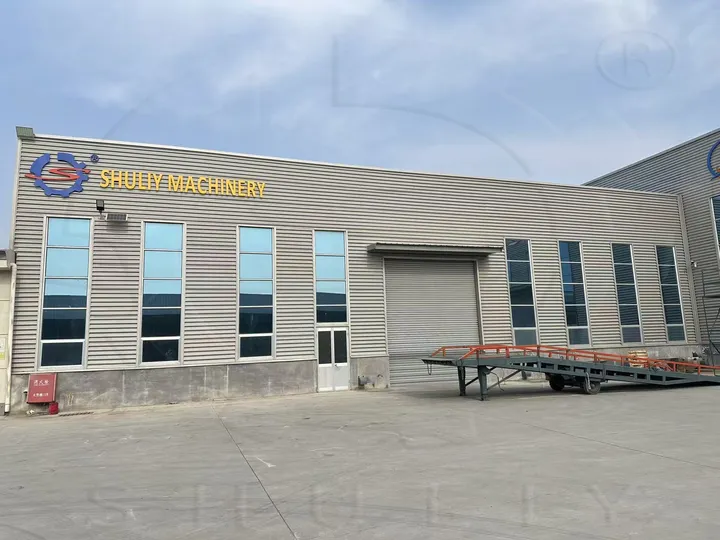
14 Years of Manufacturing Experience
Shuliy has been designing and manufacturing barbecue charcoal production lines since 2010. We have supplied complete production plants to customers in more than 60 countries, including Indonesia, Saudi Arabia, Brazil, South Africa, and the Philippines. Every installation is backed by practical operating experience from real production sites.
One-Stop Solution from Design to After-Sales
We provide more than just equipment. Our engineering team designs the complete production layout according to your workshop dimensions, raw material type, and required capacity. We handle equipment manufacturing, electrical system integration, shipping coordination, installation, and commissioning, giving you a single point of contact throughout the project.
On-Site Installation and Operator Training
Our experienced technicians provide 15-20 days of on-site installation and commissioning at your factory. During this period, your operators receive practical training covering machine operation, routine maintenance, and troubleshooting. Training is available in English, with multilingual support for Arabic, Spanish, French, and Russian-speaking customers.
12-Month Warranty with Lifetime Technical Support
All equipment in the charcoal briquette production line is covered by a 12-month warranty against manufacturing defects. After the warranty period, we continue to provide technical consultation, spare parts supply, and remote video support throughout the equipment’s service life.
Proven Track Record with Verifiable References
We can introduce you to existing customers in your region who are operating Shuliy charcoal production lines. You are welcome to visit their factories, review production performance, and communicate directly with their operators. We believe transparency helps customers make confident investment decisions.
Custom Configuration for Your Production Needs
Different markets require different briquette shapes and packaging specifications. We can customize mold designs for round, cube, pillow, or hexagonal briquettes, optimize mixing ratios according to your binder, and configure the packaging system for 10-50 kg bag sizes. Every production line is tailored to your market requirements.
Fast Spare Parts Delivery
We maintain a dedicated inventory of spare parts for the complete production line. Common wear parts—including crusher blades, mesh dryer belts, briquette press molds, and hydraulic seals—can be shipped within 48 hours.
Frequently Asked Questions (FAQ)
How much floor space does the barbecue charcoal production line require?
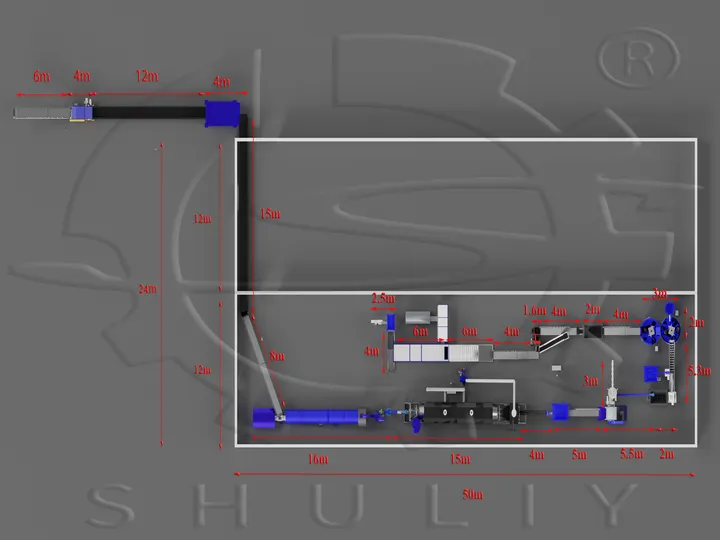
The complete 28-machine setup needs approximately 800-1,200 square meters of workshop space. This includes equipment footprint, material storage areas, and working aisles. The carbonization furnace and mesh belt dryer require the most space due to their size.
What is the total power consumption of the BBQ charcoal processing plant?
The entire line consumes approximately 180-200 kW of electrical power per hour. The carbonization furnace (25 kW/hour) and rotary dryer (22.5 kW) are the highest consumers. You need a stable 380V three-phase power supply with at least a 250 kVA transformer capacity.
How many workers are needed to operate the charcoal briquette production line?
The line requires 3-4 operators per shift: one for the chipping and drying section, one for carbonization and crushing, one for mixing and pressing, and one for packaging. One supervisor oversees the entire operation. The electrical control system allows centralized monitoring.
What is the moisture content of the final charcoal briquettes?
After the mesh belt dryer, the finished charcoal balls have less than 5% moisture content. This low moisture ensures long burning time (60-90 minutes), stable heat output, and minimal smoke during use.
Can the BBQ charcoal production line produce different briquette shapes?
Yes. The ball press machine (model SL-290) uses interchangeable molds. You can produce round balls (25mm, 33mm, 40mm diameter), cube-shaped briquettes, or pillow-shaped briquettes. Mold changes take 30-60 minutes.
What binder is used in the charcoal briquette production line?
Cassava starch (tapioca starch) is the most common binder. It is mixed with water at a ratio of 3-5% of charcoal powder weight. Corn starch or wheat flour can also be used. The binder ensures briquettes hold their shape during drying and handling.
How long does it take to install and commission the complete line?
Installation typically takes 15-20 days with our technical team on-site. Commissioning and trial runs take another 5-7 days. We provide operator training during this period. Remote video guidance is also available for experienced buyers.
What is the warranty period for the barbecue charcoal production line?
All equipment comes with a 12-month warranty covering manufacturing defects. We provide free technical support for the equipment’s entire lifespan. Spare parts like crusher blades, dryer belts, and press molds are available for immediate shipment.
Ready to Start Your BBQ Charcoal Business?
This barbecue charcoal production line delivers 500 kg/hour output with 28 integrated machines. From raw wood to packaged charcoal, the system handles every production stage automatically.
Contact us today for a detailed quotation, equipment layout drawing, and installation plan tailored to your workshop space and production goals. Our team will guide you through raw material selection, equipment configuration, and after-sales support.
Click the contact window on the right to get in touch with us. We will provide you with a quotation within 24 hours.