Charcoal Briquette Production Line Setup: Complete Equipment List & Pricing
Setting up a charcoal briquette production line is a strategic investment that can transform agricultural waste and biomass materials into high-value fuel products. Whether you’re an entrepreneur entering the renewable energy market or an existing business expanding your product line, understanding the complete equipment requirements and associated costs is crucial for making informed decisions.
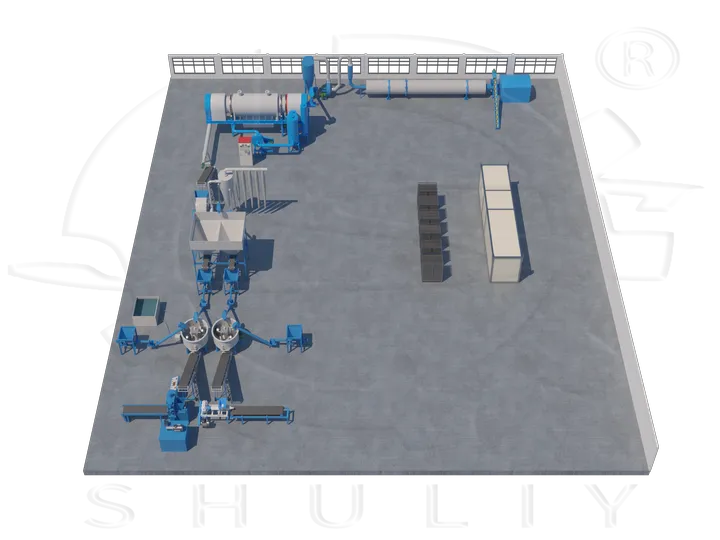
This comprehensive guide breaks down every component of a modern charcoal briquette production line, from raw material processing to final packaging. We’ll provide real pricing data, capacity calculations, and equipment specifications based on 20+ years of industry experience at Shuliy Machinery.
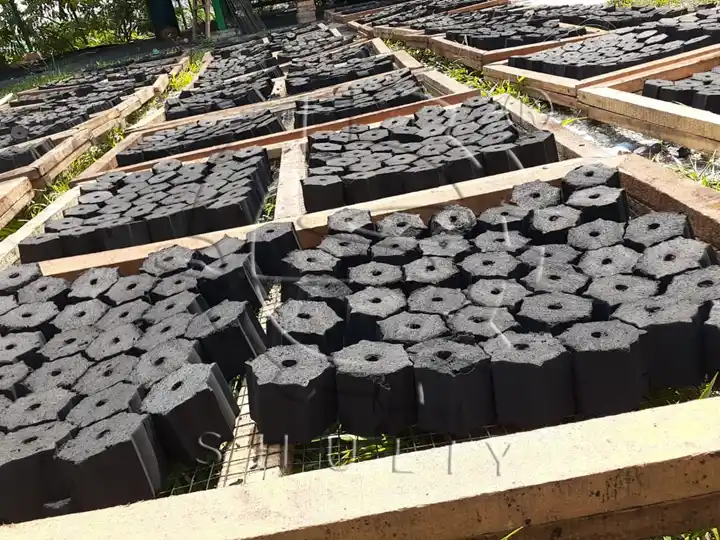
By the end of this article, you’ll have a clear understanding of what equipment you need, how much it costs, and how to configure a production line that matches your business goals and budget.
What Is a Charcoal Briquette Production Line?
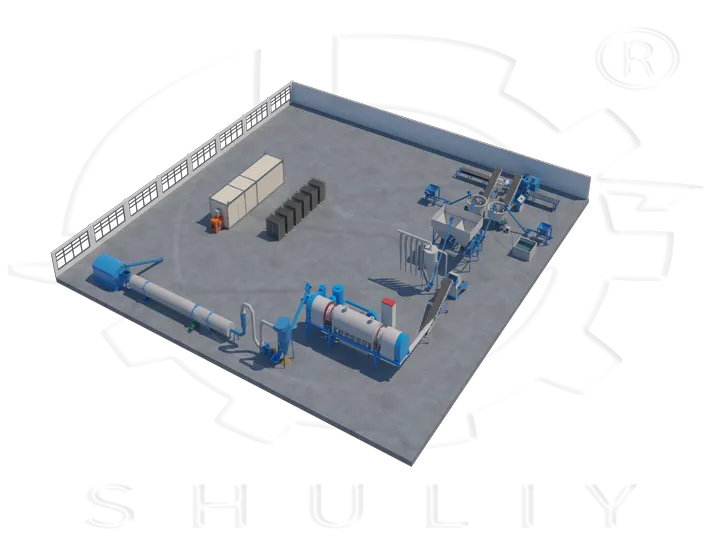
A charcoal briquette production line is an integrated system of machinery designed to convert biomass materials—such as sawdust, wood chips, coconut shells, and agricultural residues—into uniform, high-density charcoal briquettes. These briquettes serve as eco-friendly fuel alternatives for cooking, heating, and industrial applications.
The Production Process Flow
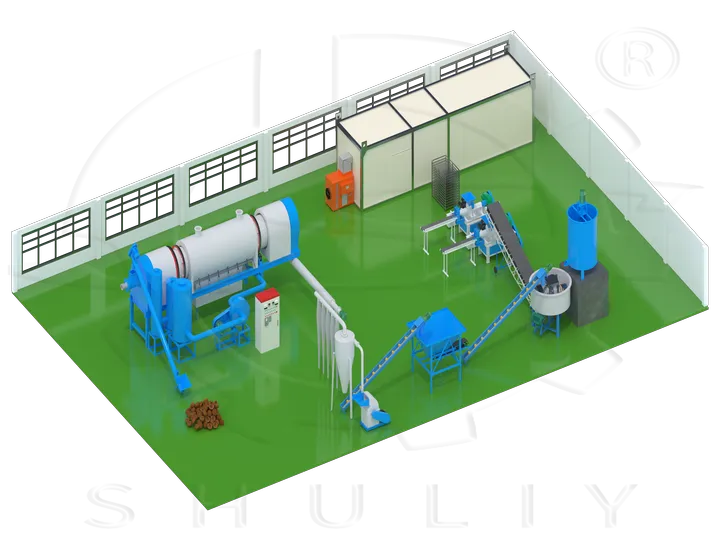
The typical production line follows this sequence:
Raw Material Collection → Crushing → Drying → Briquetting → Carbonization → Cooling → Packaging
Each stage requires specialized equipment, and the configuration varies based on your raw materials, target capacity, and end-product specifications.
Types of Charcoal Briquette Production Lines
- Small-Scale Production Line (100-500 kg/h)
- Ideal for startups and local businesses
- Lower initial investment
- Manual or semi-automatic operation
- Medium-Scale Production Line (500-2000 kg/h)
- Suitable for regional suppliers
- Balanced automation and labor
- Higher ROI potential
- Large-Scale Industrial Line (2000+ kg/h)
- Designed for export-oriented factories
- Fully automated systems
- Maximum efficiency and output
Complete Equipment List by Production Stage
Stage 1: Raw Material Preparation
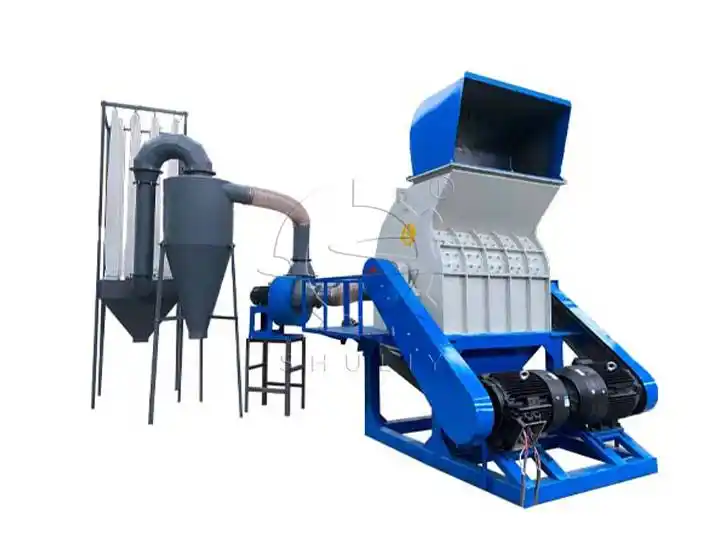
Wood Crusher Machine (Chipper/Shredder)
Purpose: Reduces large biomass materials to required particle size
Technical Specifications:
| Model | Capacity | Power | Feeding Size | Output Size |
|---|---|---|---|---|
| SL-420 | 300–400 kg/h | 11 kW | ≤10 cm | 3–8 mm |
| SL-500 | 500–600 kg/h | 18.5 kW | ≤15 cm | 3–8 mm |
| SL-600 | 800–1000 kg/h | 30 kW | ≤17 cm | 3–8 mm |
| SL-700 | 1200–1500 kg/h | 37 kW | ≤20 cm | 3–8 mm |
| SL-1000 | 3000–3500 kg/h | 75 kW | ≤26 cm | 3–8 mm |
Key Features:
- High-efficiency blade system
- Adjustable output size
- Diesel or electric power options
- Suitable for wood, bamboo, straw, and agricultural waste
- Price Range: $2, 500 − $40,000
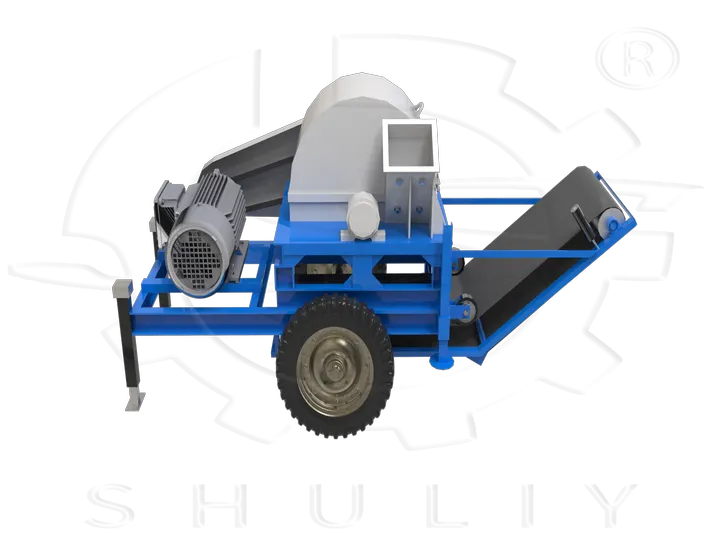
Purpose: Further reduces particle size for optimal briquetting
Technical Specifications:
| Model | Output (kg/h) | Hammers (pcs) | Power (kW) |
|---|---|---|---|
| SL-C400 | 300–400 | 24 | 7.5 |
| SL-C500 | 500–600 | 24 | 11 |
| SL-C600 | 800–1000 | 24 | 15 |
When You Need It:
- Processing hard materials like coconut shells
- Producing fine powder for high-density briquettes
- Manufacturing shisha charcoal
- Price Range: $2, 500 − $40,000
Stage 2: Drying System
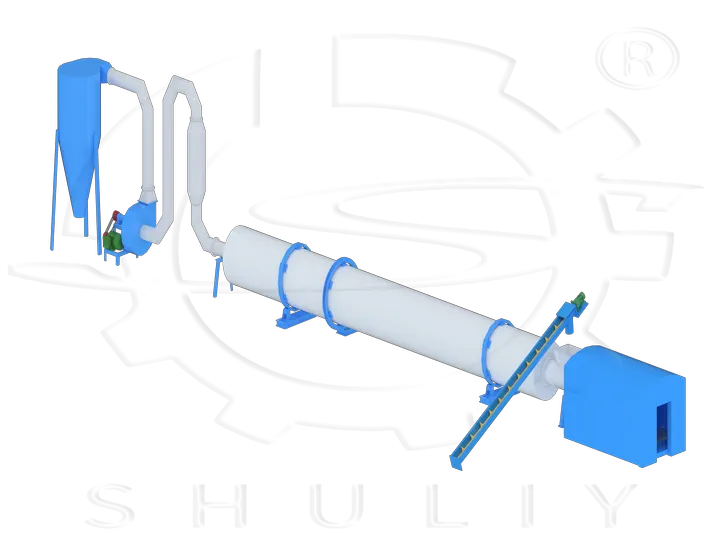
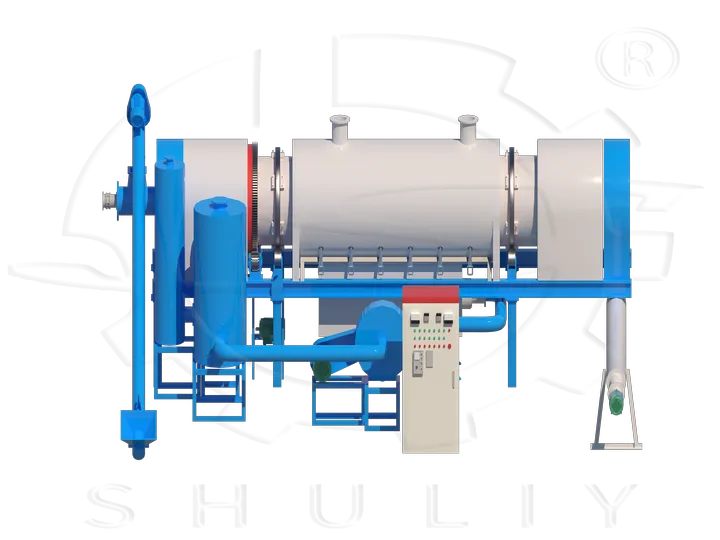
Rotary Drum Dryer
Purpose: Reduces moisture content to 8-12% for optimal briquetting
Technical Specifications:
| Model | Capacity (kg/h) | Power (kW) | Moisture Reduction |
|---|---|---|---|
| SL-D800 | 500–800 | 7.5 | 40% → 12% |
| SL-D1000 | 1000–1500 | 11 | 40% → 12% |
| SL-D1200 | 2000–3000 | 15 | 40% → 12% |
Key Features:
- Continuous operation
- Heat source: wood, coal, or gas
- Temperature control system
- Cyclone dust collector included
- Price Range: $20000-$40000
Alternative Options:
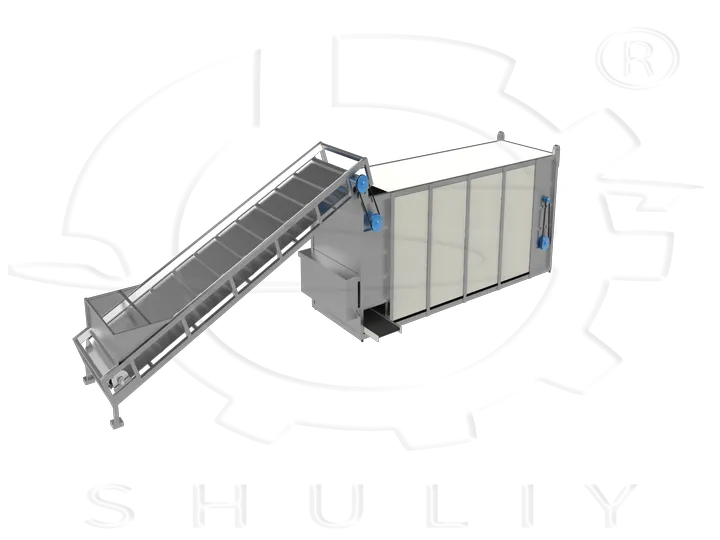
Mesh Belt Dryer
- Better for temperature-sensitive materials
- More uniform drying
- Higher energy efficiency
- Price Range: $15,000 −$50,000
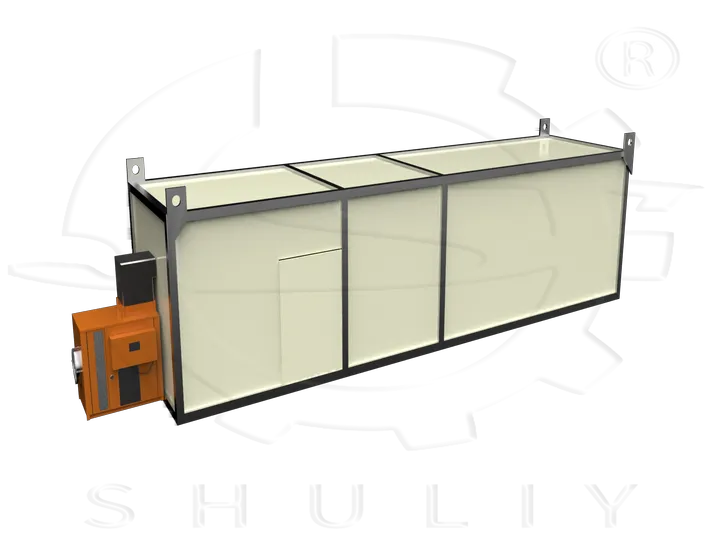
Box-Type Dryer
- Batch operation
- Lower capacity
- Budget-friendly option
- Price Range: $5, 000 − $12,000
Stage 3: Briquetting Equipment
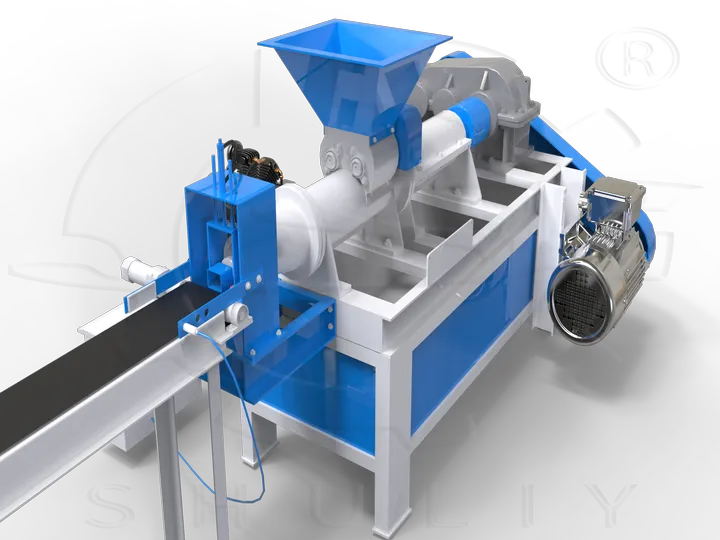
Screw Extrusion Briquette Machine
Purpose: Compresses dried biomass into uniform briquette shapes
Technical Specifications:
| Model | Capacity (kg/h) | Power (kW) | Briquette Diameter (mm) |
|---|---|---|---|
| SL-CB160 | 500 | 11 | 50–80 |
| SL-CB180 | 1000 | 22 | 50–80 |
Available Shapes:
- Round briquettes (household heating)
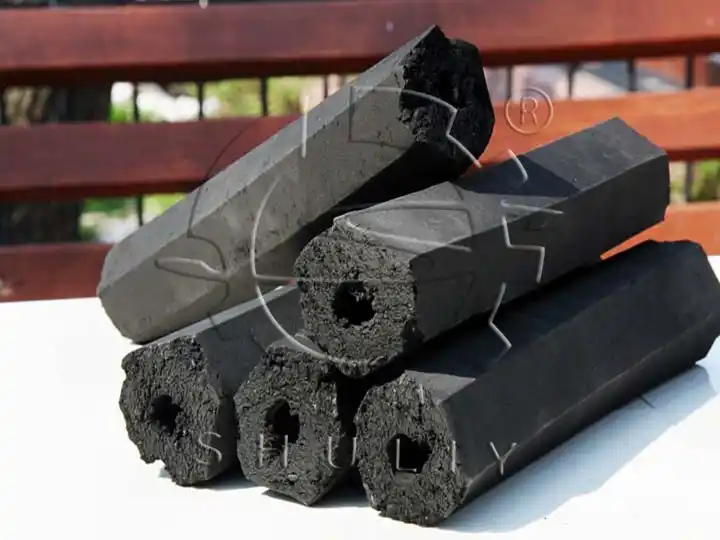
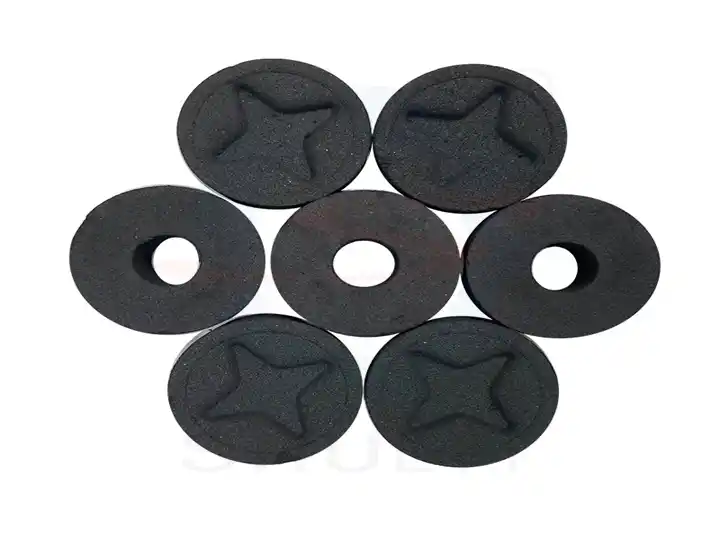
- Hexagonal briquettes (BBQ charcoal)
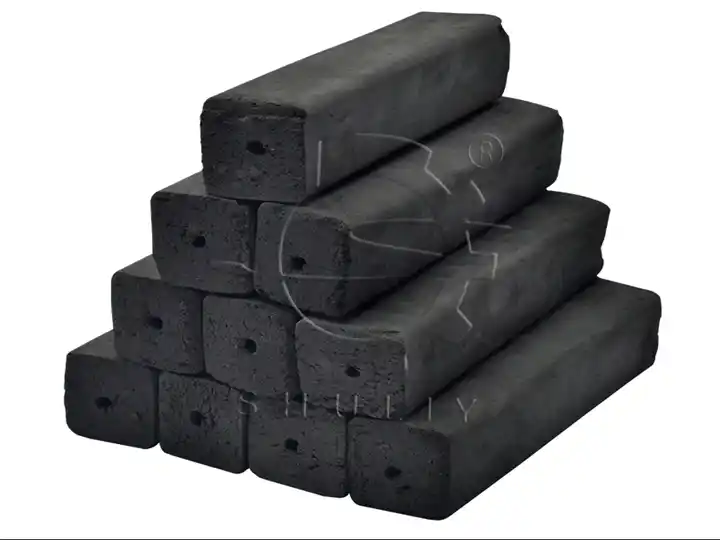
- Square briquettes (industrial fuel)
- Hollow briquettes (enhanced combustion)
- Key Features:
- Screw extrusion technology
- Electric heating system
- Pneumatic cutting device
- Interchangeable molds
- Price Range: $3,000-$10,000
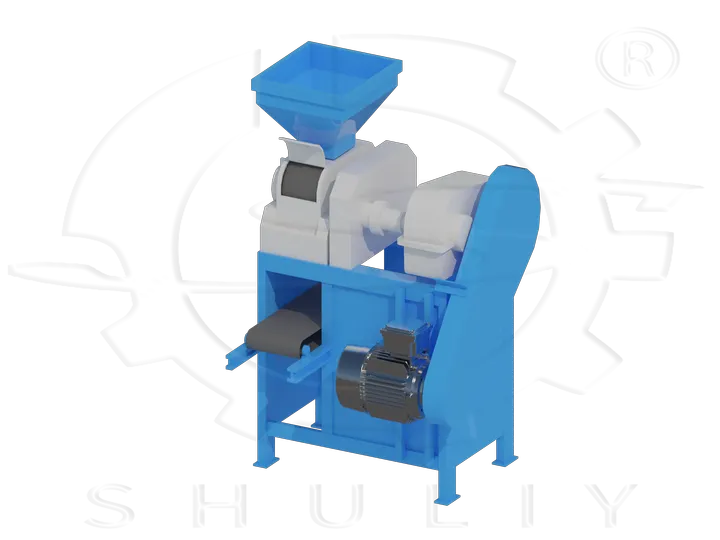
BBQ Charcoal Ball Press Machine
Purpose: Produces pillow-shaped BBQ charcoal briquettes
Technical Specifications:
| Model | Capacity | Power | Pressure Type |
|---|---|---|---|
| SL-290 | 2–3 t/h | 5.5 kW | Mechanical |
| SL-360 | 4 t/h | 7.5 kW | Mechanical |
| SL-400 | 6 t/h | 11 kW | Mechanical |
| SL-500 | 10 t/h | 18.5 kW | Hydraulic |
| SL-650 | 14 t/h | 30 kW | Hydraulic |
| SL-850 | 20 t/h | 45 kW | Hydraulic |
Product Specifications:
- Standard size: 50 mm diameter × 30 mm thickness
- Custom shapes available
- Density: 1.2–1.4 g/cm³
- Price Range: $8, 000 − $20,000
Stage 4: Carbonization System
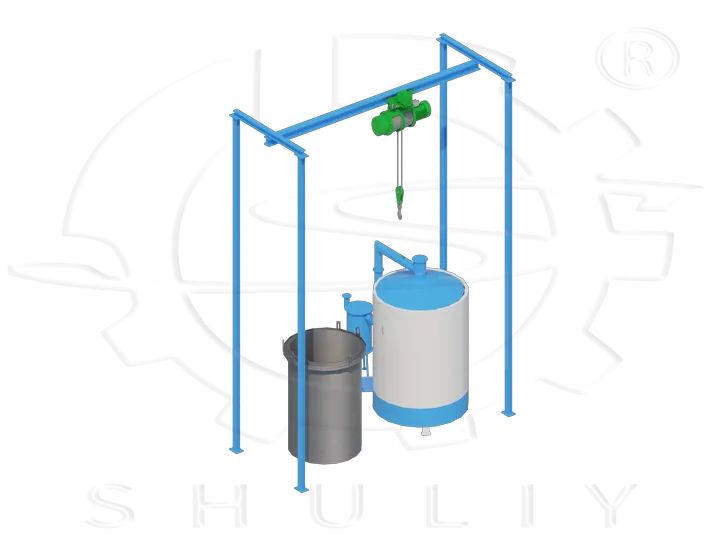
Vertical Carbonization Furnace
Purpose: Converts briquettes into charcoal through controlled heating
Technical Specifications:
| Model | Capacity | Cycle Time | Carbonization Rate |
|---|---|---|---|
| SL-C1500 | 2500–3000 kg/24h | 8 hours | 40–45% |
| SL-C1800 | 3500–4000 kg/24h | 8 hours | 40–45% |
Key Features:
- Dual-chamber design for continuous operation
- Gas recycling system
- No additional electricity required
- Smoke-free operation with purification
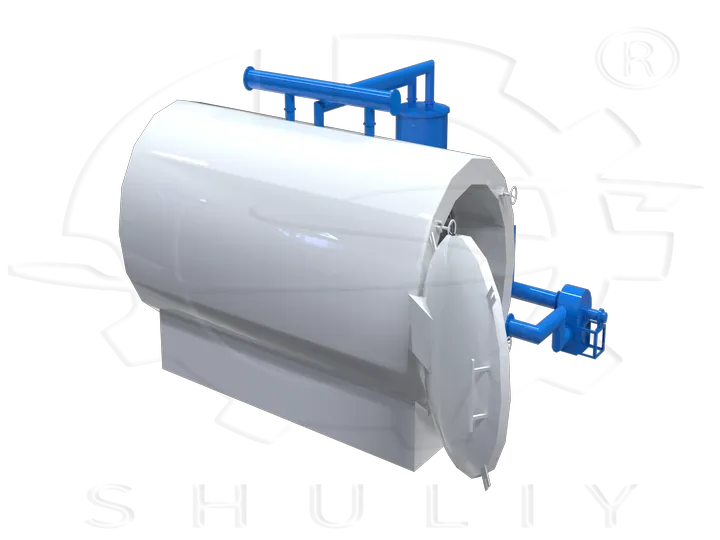
Horizontal Carbonization Furnace
Technical Specifications:
| Model | Capacity | Cycle Time |
|---|---|---|
| SL-1300 | 900–1200 kg/batch | 12–14 hours |
| SL-1500 | 1500–2000 kg/batch | 12–14 hours |
| SL-1900 | 2500–3000 kg/batch | 12–14 hours |
Advantages:
- Higher capacity per batch
- Suitable for large-scale operations
- Kiln car system for easy loading
Continuous Carbonization Furnace (Industrial Scale)
Technical Specifications:
| Model | Capacity | Power | Temperature Range |
|---|---|---|---|
| SL-CF800 | 400–600 kg/h | 18.5 kW | 500–800°C |
| SL-CF1000 | 800–1000 kg/h | 18.5 kW | 500–800°C |
| SL-CF1200 | 1200–2000 kg/h | 20 kW | 500–800°C |
Best For:
- Large-scale continuous production
- Consistent output quality
- Automated operations
Stage 5: Auxiliary Equipment
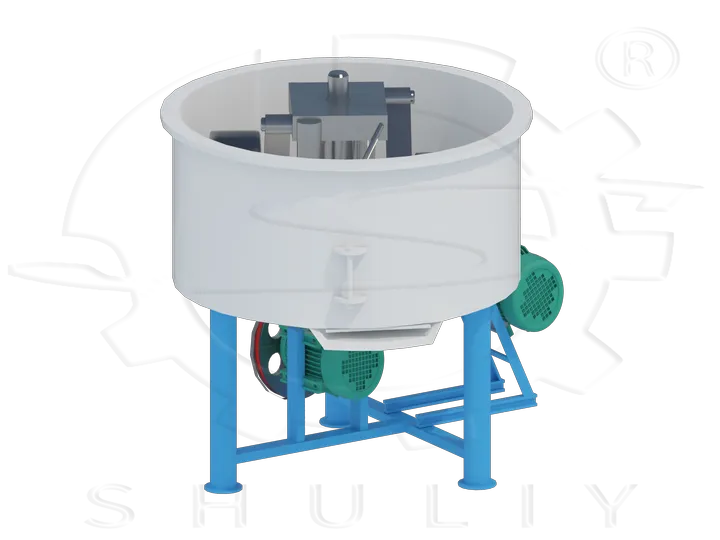
Charcoal Crusher & Mixer
Charcoal Crusher: $1,800–$10,000
- Models: SL-C400, SL-C500, SL-C600
- Grinds charcoal into fine powder
Binder Mixer: $2,500–$10,000
- Capacity: 100–500 kg/batch
- Ensures uniform mixing of charcoal powder and binder
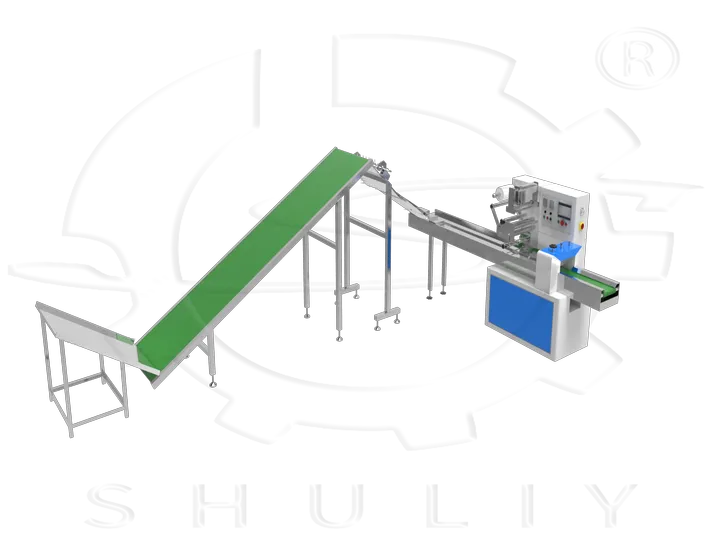
Packaging Machine
Technical Specifications:
| Model | Weighing Range | Speed | Accuracy |
|---|---|---|---|
| SL-BC-50F | 3–50 kg | 4–6 bags/min | ±0.2% |
Features:
- Automatic weighing and filling
- Adjustable bag sizes
- Pneumatic sealing system
ROI Analysis & Profitability
Production Cost (per ton)
| Cost Component | Cost | Percentage |
|---|---|---|
| Raw Materials | $30–50 | 25–35% |
| Electricity | $15–25 | 15–20% |
| Labor | $20–40 | 20–30% |
| Binder | $10–20 | 10–15% |
| Packaging | $8–15 | 8–12% |
| Maintenance | $5–10 | 5–8% |
Total Cost: $88–160/ton
Market Pricing
| Product | Wholesale | Retail |
|---|---|---|
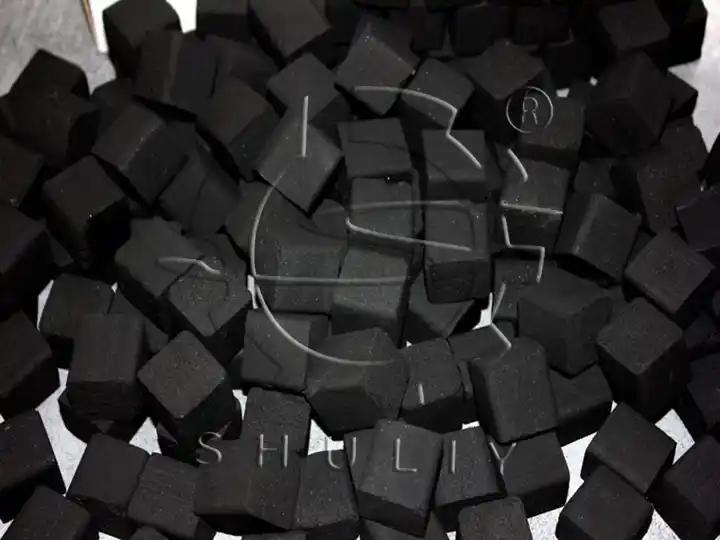
| BBQ Charcoal | $250–350 | $400–600 |
| Hardwood Charcoal | $400–600 | $700–1000 |
| Shisha Charcoal | $800–1500 | $1500–2500 |
| Industrial Briquettes | $200–300 | $350–500 |
Profit Example (Small Scale)
- Daily Output: 2.4 tons
- Monthly Output: 72 tons
- Revenue: 72 × $300 = $21,600
- Cost: 72 × $120 = $8,640
- Gross Profit: $12,960/month
ROI Period: 3–4 months
How to Choose the Right Configuration?
Step 1: Define Your Market
Questions to Answer:
- What type of charcoal is in demand in your area?
- Who are your target customers (households, restaurants, industries)?
- What is the competitive pricing in your market?
Step 2: Assess Your Resources
Raw Material Availability:
- What biomass materials are available locally?
- What is the cost and consistency of supply?
- What is the moisture content of your materials?
Financial Capacity: - What is your total available investment?
- Do you have access to financing?
- What is your target payback period?
Step 3: Plan for Growth
Scalability Considerations:
- Can the line be expanded later?
- Is there space for additional equipment?
- Can the automation level be upgraded?
Why Choose Shuliy Machinery?
20+ Years of Industry Experience
- Exported to 50+ countries
- 1000+ successful installations
- Continuous product improvement

Quality Certifications
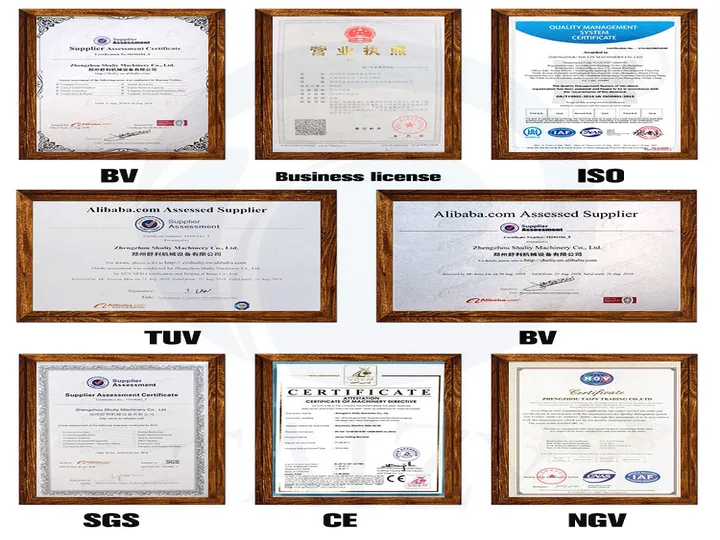
- ISO 9001 Certified
- CE Certified for European markets
- SGS and TUV verified
Comprehensive Support
- Free consultation and planning
- Custom equipment design
- Installation and commissioning
- Operator training programs
- Lifetime technical support
- Spare parts supply guarantee